














Struggling to understand how plastic wrap works? That clingy, stretchy film is a kitchen hero, but its magic can feel like a mystery.
As an eco-conscious consumer, I’ve explored the ins and outs of plastic wrap to share insights that go beyond the basics. At ecoartfullife, we’re passionate about sustainable solutions that make your life easier and greener.
In this guide, you’ll uncover the science behind plastic wrap’s cling, its role in food preservation, and why eco-friendly alternatives are game-changers. From materials to manufacturing, we’ve got you covered with practical tips and greener options.
Let’s dive into the world of cling film and discover smarter ways to wrap!
What Is Plastic Wrap
Plastic wrap, also known as cling film or Saran wrap, is a thin, flexible plastic sheet used mainly to cover and protect food. It sticks to surfaces like bowls, plates, and directly onto food items, helping keep them fresh. The most common materials used in plastic wrap are polyvinyl chloride (PVC) and low-density polyethylene (LDPE). These materials give the wrap its stretchy and clingy qualities.
Plastic wrap first came into homes around the 1940s as a convenient way to preserve leftovers and prevent spills. Since then, it has become a staple in American kitchens because of its ability to seal in moisture and block out air, which slows down food spoilage. Today, plastic wrap is widely available and comes in many sizes and thicknesses to suit different needs.
How Does Plastic Wrap Work The Science Explained
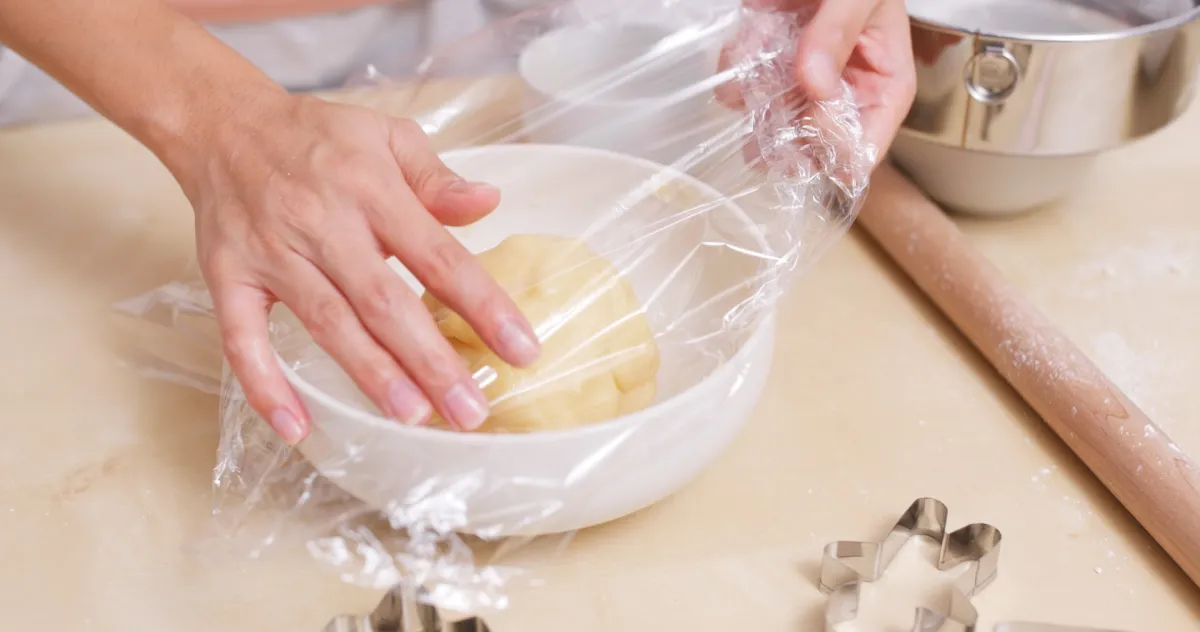
Plastic wrap works mainly because of its cling mechanism and barrier properties. The wrap is made from polymers like PVC or LDPE, which are thin, flexible sheets that stick well to surfaces and to themselves. This stickiness, or cling film effect, happens because of static electricity and the slight tackiness of the plastic’s surface. When you press plastic wrap over a bowl or food, it forms a tight seal that traps air and moisture.
This barrier helps keep food fresh by slowing down the movement of oxygen and bacteria, which cause spoilage. The polymer film also blocks out odors and prevents moisture loss, which is why your leftovers stay moist and tasty in the fridge.
Plastic wrap is designed to handle different conditions. For microwave use, many wraps are safe because they don’t melt quickly and allow steam to escape, preventing a mess. When freezing, the wrap protects food from freezer burn by keeping moisture locked in and stopping air from drying out the food.
So, plastic wrap isn’t just plastic rolled on a roll — it’s a carefully designed product that uses polymer science to keep your food safe and fresh whether it’s in the fridge, microwave, or freezer.
Manufacturing Process of Plastic Wrap
Plastic wrap is made through a process called extrusion, where plastic pellets are melted and pushed through a machine to create a thin film. This film is then cooled and rolled into the familiar plastic wrap sheets you use at home.
There are two main ways to make plastic wrap: casting and blowing. In the casting method, the melted plastic is spread over a cooled roller, creating a smooth, even film. The blowing method involves inflating the melted plastic like a bubble, which results in a stretchier, more flexible wrap. Both methods have their advantages depending on the type of plastic used and the end product’s needs.
Before the plastic wrap hits the shelves, it goes through quality testing to make sure it clings well, has good barrier protection against air and moisture, and meets safety standards for kitchen use. This ensures that the plastic wrap you buy maintains food freshness and is safe to use in your microwave or freezer.
Benefits of Using Plastic Wrap
Plastic wrap is a go-to kitchen essential for many reasons. First off, it’s great for food preservation. By creating a tight seal around leftovers, fruits, or vegetables, it helps keep food fresh longer by locking in moisture and blocking out air, which slows down spoilage.
Its versatility is another big plus. You can use plastic wrap for everything from covering bowls and plates to wrapping sandwiches and snacks on the go. It works well in the fridge, freezer, and even the microwave, making it a flexible tool in any kitchen.
When it comes to cost, plastic wrap is very cost-effective. It’s an affordable way to reduce food waste by keeping meals fresh instead of tossing leftovers. Compared to alternatives like aluminum foil or reusable containers, plastic wrap often comes at a lower price point.
Finally, plastic wrap is known for its transparency, which lets you easily see what’s inside without unwrapping it. This feature helps you keep track of your food storage quickly, so you know what you’ve got ready to eat without any guesswork.
Environmental Concerns and Challenges
Plastic wrap, like other single-use plastics, adds to the growing problem of plastic waste in the U.S. Most plastic wrap ends up in landfills or the environment because it’s thin and not always accepted in curbside recycling programs. This creates a challenge since cling film made from materials like PVC plastic wrap or LDPE cling film isn’t easy to recycle in many places.
Health concerns also come up with plastic wrap. Some wraps contain additives that might migrate into food, especially when microwaving or heating. While most plastic wrap sold in the U.S. is considered safe for everyday use, it’s smart to check labels for microwave-safe certifications and avoid using wrap on high-fat foods at high heat.
Overall, the environmental impact and recycling challenges highlight the need to reduce single-use plastic wrap or switch to safer, more recyclable options.
Eco Friendly Alternatives from ecoartfullife
If you’re looking to cut down on plastic waste, ecoartfullife offers great eco friendly alternatives to traditional plastic wrap. Their range includes biodegradable wraps, compostable wraps, and reusable wraps designed to keep your food fresh without harming the environment.
Biodegradable wraps break down naturally over time, reducing landfill impact. Made from plant-based materials, they provide a reliable barrier for food while decomposing much faster than regular plastic.
Compostable wraps go a step further—they can be tossed into your home compost bin along with food scraps. These wraps break down into natural components that enrich the soil, making them perfect if you want a zero-waste kitchen.
For those who want something practical and long-lasting, ecoartfullife’s reusable wraps are made from durable materials that can be washed and used multiple times. These wraps save money and reduce trash without sacrificing convenience.
What sets ecoartfullife apart is their commitment to sustainability combined with high quality. Their wraps meet strict safety and environmental standards, so you know you’re using products that are safe for you and the planet.
Choosing ecoartfullife means making smart food preservation choices while supporting eco friendly packaging innovations. For more insights on sustainable food wrap options, check out ecoartfullife’s latest trends on eco-friendly kitchen wrap hacks and learn why switching now makes sense.
Practical Tips for Using Plastic Wrap Effectively
Using plastic wrap the right way can make food storage easier and reduce waste. Here are some simple tips to get the most out of your cling film:
Storage Tips
- Keep plastic wrap in a cool, dry place away from direct sunlight to prevent it from sticking to itself or becoming brittle.
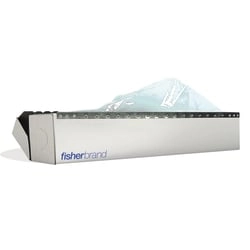
- Store the roll in its original box or a dedicated dispenser for easy tearing and to avoid mess.
- Always wrap food tightly to minimize air exposure, which helps keep food fresh longer.
Microwave Safety
- Use plastic wrap labeled as microwave-safe or made from LDPE cling film to avoid harmful chemicals leaching into food.
- Avoid direct contact between plastic wrap and hot or fatty foods by leaving a small gap or covering the wrap loosely.
- Pierce the wrap or leave a vent to allow steam to escape, preventing pressure build-up.
Freezing Best Practices
- Choose a plastic wrap designed for freezer use, like PVC plastic wrap, which offers better barrier properties against frost.
- Wrap food items tightly, removing as much air as possible to prevent freezer burn.
- For added protection, consider double-wrapping or pairing plastic wrap with freezer bags.
Recycling Tips
- Check local recycling rules because not all facilities accept plastic wrap, especially if it’s contaminated with food.
- Clean off any food residue before recycling to improve the chances it will be processed properly.
- Consider eco friendly packaging alternatives or reusable wraps to reduce plastic waste.
By following these tips, you can use plastic wrap safely and effectively in your day-to-day kitchen tasks.
FAQs
What materials are used in plastic wrap?
Plastic wrap is mainly made from PVC (polyvinyl chloride) or LDPE (low-density polyethylene). Some versions also use polyethylene or polyvinylidene chloride. These materials give cling film its stretchiness and ability to seal tightly around food.
Is plastic wrap safe for microwaving?
Most plastic wraps are microwave-safe if used properly. Always check the packaging instructions. Avoid letting the wrap touch food directly during heating to prevent melting or chemical leaching. For more detailed safety tips, see Ecoartfullife’s guide on heating plastic wrap.
Can plastic wrap be recycled?
Recycling plastic wrap depends on local recycling programs since many facilities don’t accept thin films like cling film. PVC wraps are particularly difficult to recycle. LDPE wraps have a better chance but often require specialized drop-off locations. It’s best to reduce use or choose alternatives to minimize waste.
What are eco friendly alternatives to plastic wrap?
Eco-friendly options include biodegradable wraps, compostable packaging, and reusable wraps like beeswax wraps or silicone lids. These alternatives reduce plastic waste and environmental impact. Check out Ecoartfullife’s eco-friendly kitchen wrap hacks for great suggestions.
How does ecoartfullife ensure sustainable packaging?
Ecoartfullife focuses on using sustainable materials like biodegradable and compostable wraps, minimizing plastic use, and promoting reusable options. They prioritize quality and eco safety while supporting recycling efforts. Their product lines reflect a commitment to reducing plastic waste while meeting everyday food wrap needs. Learn more on their plastic wrap materials page.