






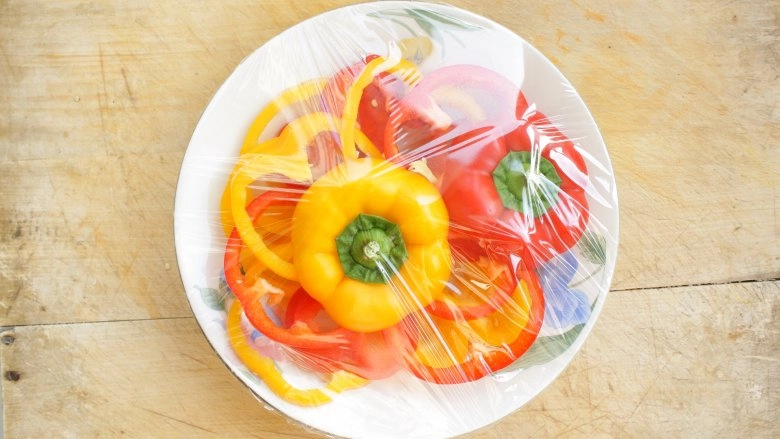
Are you wondering if plastic wrap is safe to use in the microwave? It’s a common kitchen shortcut, but the potential health and environmental risks might make you think twice.
As eco-conscious cooks, we at Ecoartfullife understand the need for convenient yet safe food prep solutions. Drawing from the latest research and our passion for sustainability, we’re here to guide you through the facts.
In this article, you’ll uncover the truth about microwaving plastic wrap, learn essential safety tips, and discover eco-friendly alternatives that protect your health and the planet. Ready to make smarter, greener choices? Let’s get started!
Is Plastic Wrap Safe for Microwave Use
When it comes to using plastic wrap in the microwave, safety depends on the type of wrap you choose. Microwave-safe plastic wrap is specifically designed to withstand heat without melting or releasing harmful chemicals. The key difference lies in the material: most microwave-safe wraps are made from polyethylene, which is more stable at high temperatures, while others made from polyvinyl chloride (PVC) can pose risks.
These microwave-safe plastics undergo strict testing by manufacturers and meet guidelines set by the Food and Drug Administration (FDA). This means they should not leach dangerous substances into your food during heating, provided you use them correctly. Always look for plastic wrap labelled as microwave-safe to avoid any unwanted surprises.
Is Plastic Wrap Safe for Microwave Use Common Types of Plastic Wrap
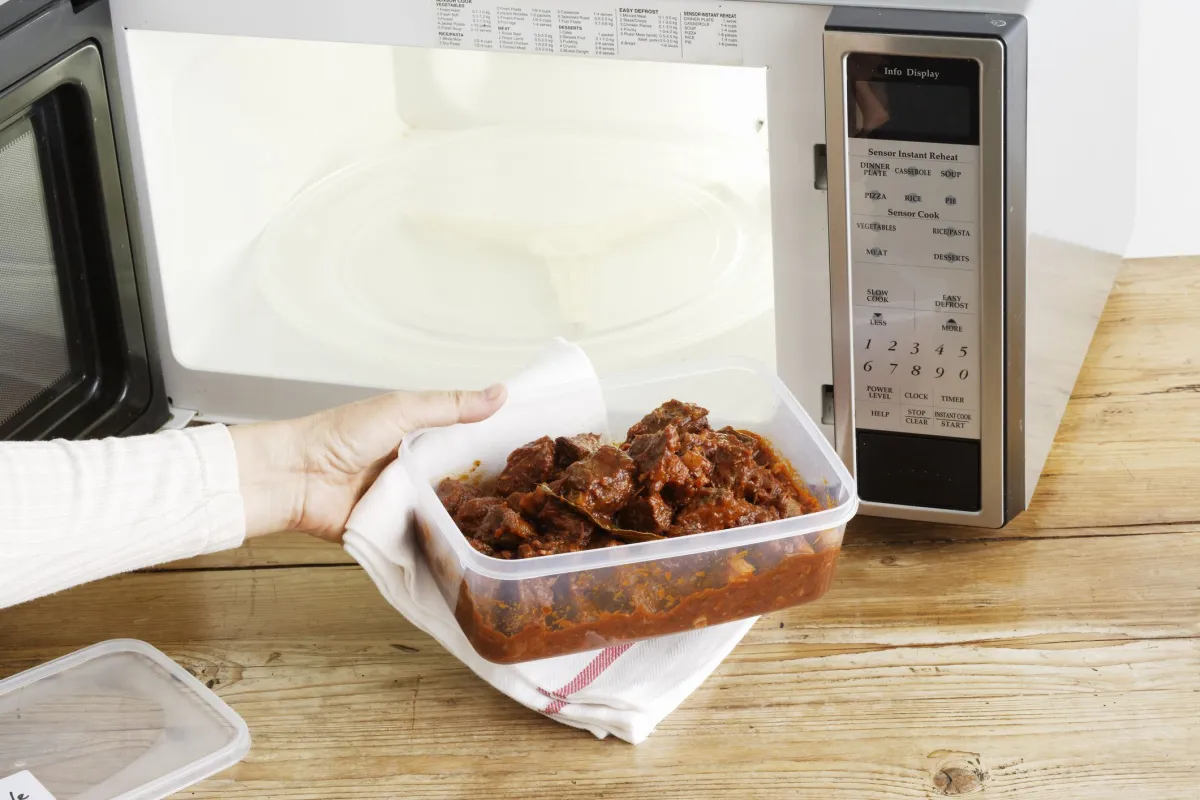
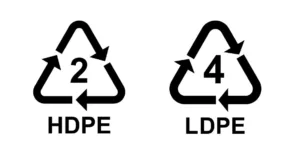
When it comes to plastic wrap in the microwave, not all types are created equal. Two common types you’ll find are polyvinyl chloride (PVC) and low-density polyethylene (LDPE).
PVC plastic wrap is often shiny and sticks well, but it carries some risks. It can contain chemicals like phthalates and DEHA that may leach into your food when heated. These substances are linked to health concerns, so it’s best to avoid using PVC wrap in the microwave.
On the other hand, LDPE plastic wrap is generally safer for microwave use. It’s less likely to contain harmful chemicals and doesn’t leach as easily. However, it’s less clingy and doesn’t stick as tightly to containers, which can be a drawback when sealing.
In short:
- PVC wrap: Better for cold storage, avoid microwaving due to chemical risks.
- LDPE wrap: Safer for microwave use, but less sticky.
Checking the label for microwave-safe confirmation is always a smart move before heating your food.
Is Plastic Wrap Safe for Microwave Use Health Risks of Microwaving Plastic Wrap
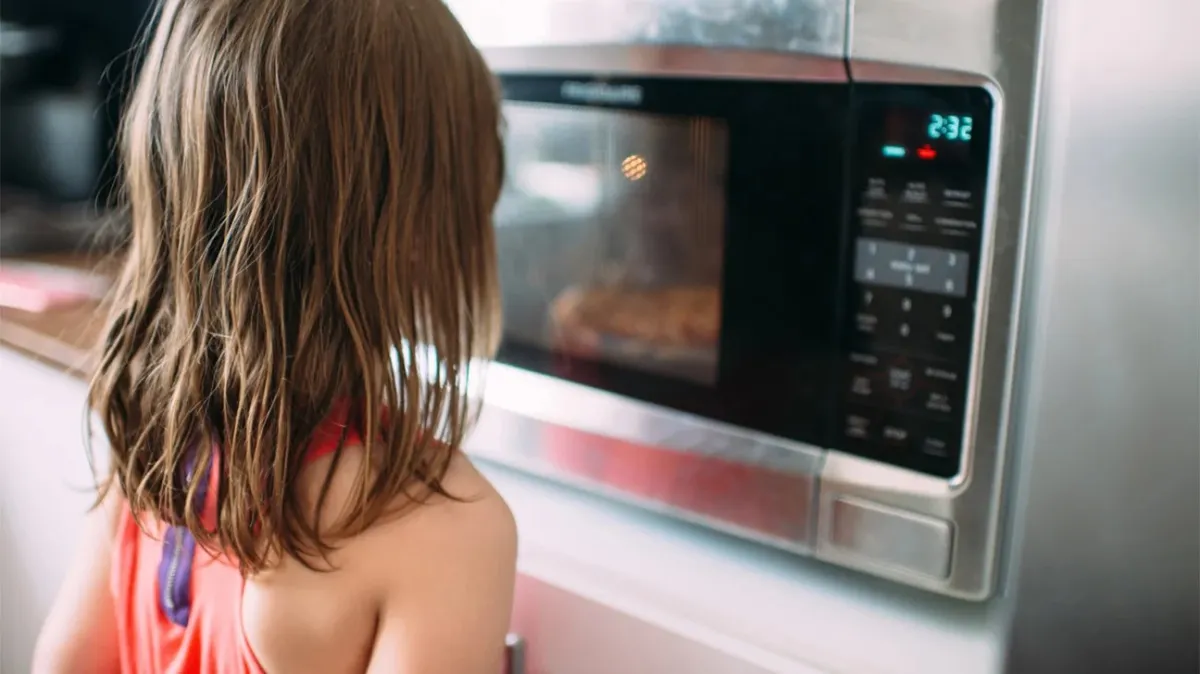
When you microwave plastic wrap, there’s a potential for chemicals to leach into your food. The main culprits are BPA, phthalates, and DEHA—substances found in some plastics that can disrupt hormones and may pose health risks over time.
Research, including Claire Nelson’s work on DEHA, highlights how this chemical can migrate from plastic wrap into fatty foods when heated, increasing exposure. This is especially worrying because DEHA is linked to developmental and reproductive concerns.
Even if your plastic wrap is labelled microwave-safe, it’s wise to handle it carefully. Avoid letting the wrap touch hot, fatty, or sugary foods directly, as these conditions make chemical leaching more likely. If you want to learn more about the science behind heating plastic wrap safely, you can check out this detailed Ecoartfullife guide on heating plastic wrap.
Being mindful of these risks helps protect your health while making microwave use safer.
Is Plastic Wrap Safe for Microwave Use
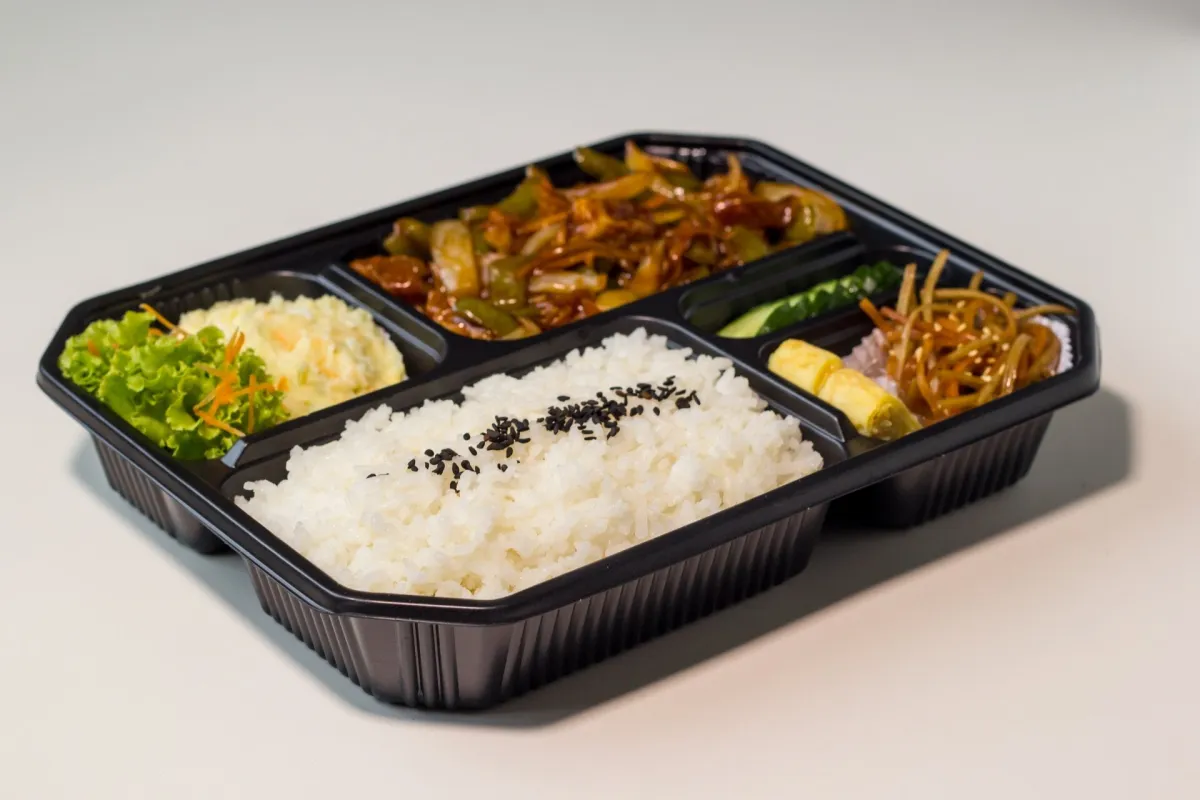
Environmental impact of plastic wrap
Plastic wrap, even when used in the microwave, has a significant environmental footprint. Most plastic wraps are single-use and end up in landfill, where they can take hundreds of years to break down. As they degrade slowly, they contribute to persistent waste problems across the UK.
Additionally, the production and disposal of plastic wrap release greenhouse gases, adding to climate change concerns. When plastic waste is incinerated or left to decompose, it emits harmful gases like methane and carbon dioxide. This contributes directly to the UK’s overall carbon footprint and air pollution.
Choosing plastic wrap for microwave use might be convenient, but it’s important to remember the wider environmental cost. Reducing reliance on single-use plastics helps lower landfill waste and supports emission reduction goals.
Best Practices for Using Plastic Wrap in the Microwave
Choose microwave-safe labelled wraps
When using plastic wrap in the microwave, always pick wraps that say they’re microwave-safe. These products have been tested to withstand microwave heat without melting or releasing harmful chemicals. Look for clear labels or symbols on the packaging such as a microwave icon or instructions that specifically mention microwave use.
Key points to check:
- Microwave-safe symbol – usually a small microwave image on the box or roll
- Manufacturer instructions – follow any specific guidance about heating times or food types
- Material type – wraps made from polyethylene (PE) tend to be safer than those with PVC
Choosing the right wrap helps reduce the risk of melting and keeps your food free from unwanted chemical leaching while heating. Always double-check before assuming all plastic wraps are safe for microwave use, especially if you’re buying from local UK stores where standards can vary.
Best Practices for Using Plastic Wrap in the Microwave
Avoid direct food contact Maintain a 1-inch gap between wrap and food
When using plastic wrap in the microwave, it’s important to avoid letting the wrap touch your food directly. This helps reduce the chance of chemicals leaching from the plastic into your meal, especially if the wrap isn’t fully microwave-safe.
Here’s what you should do:
- Leave at least a 1-inch gap between the plastic wrap and the food surface.
- Use a microwave-safe container with enough space to prevent the wrap from pressing onto the food.
- If the wrap must cover the food closely, loosely tent it instead of sealing tightly to minimise contact.
Following this simple step can lower health risks and keep your food safer during reheating. It also helps prevent the wrap from melting or sticking to your meal.
Best Practices for Using Plastic Wrap in the Microwave
Ventilate to Prevent Melting
When using plastic wrap in the microwave, it’s important to ventilate properly to avoid melting and potential hazards. Heat builds up steam inside the covered container, and if there’s no way for it to escape, pressure can rise, causing the wrap to warp or melt.
Follow these simple tips:
- Poke small holes in the plastic wrap to allow steam to escape safely. This stops pressure from building up and reduces the risk of the wrap sticking to your food or melting.
- Leave a small gap between the wrap and your container or food. This lets heat circulate and prevents the plastic from overheating.
- Avoid sealing the wrap tightly. Ventilation helps maintain microwave safety and keeps your meals fresh without damaging the wrap.
By making sure there’s ventilation, you lower risks related to chemical leaching and avoid ruining your food or microwave container. For more about heating plastic wrap safely, check out our detailed guide heating plastic wrap.
Best Practices for Using Plastic Wrap in the Microwave
Avoid high-fat or high-sugar foods
When using plastic wrap in the microwave, it’s best to steer clear of foods high in fat or sugar. These types of foods can get much hotter than others during heating, which increases the risk of the plastic wrap melting or chemicals leaching into your food.
Why does this matter?
- High-fat foods like cheese or oils can reach temperatures above boiling water, causing plastic wrap to soften or break down.
- Sugary foods, such as syrups or sauces, can heat unevenly and create hot spots that damage the plastic.
Keeping these food types in mind helps protect both your health and your cookware. If you do need to heat fatty or sugary dishes, consider safer alternatives like glass containers or silicone lids designed for microwave use.
Best Practices for Using Plastic Wrap in the Microwave
When in Doubt Test a Small Piece for Melting
If you’re unsure whether your plastic wrap is safe for microwave use, it’s best to test it first. Here’s a simple way to check for melting or damage:
- Tear off a small piece of the plastic wrap.
- Place it loosely over a microwave-safe bowl or plate.
- Heat on high for about 30 seconds to one minute.
- Watch closely to see if the wrap melts, shrinks, or distorts.
If it holds up without any changes, it’s likely safe to use briefly in the microwave. If it melts or warps, then avoid using that wrap with hot food. Testing helps you avoid health risks from chemical leaching caused by overheating plastic.
Always remember: even microwave-safe wraps should not touch hot food directly and should have room for steam to escape. This test gives peace of mind and keeps your food safe.
Eco-Friendly Alternatives to Plastic Wrap Why Switch to Sustainable Options
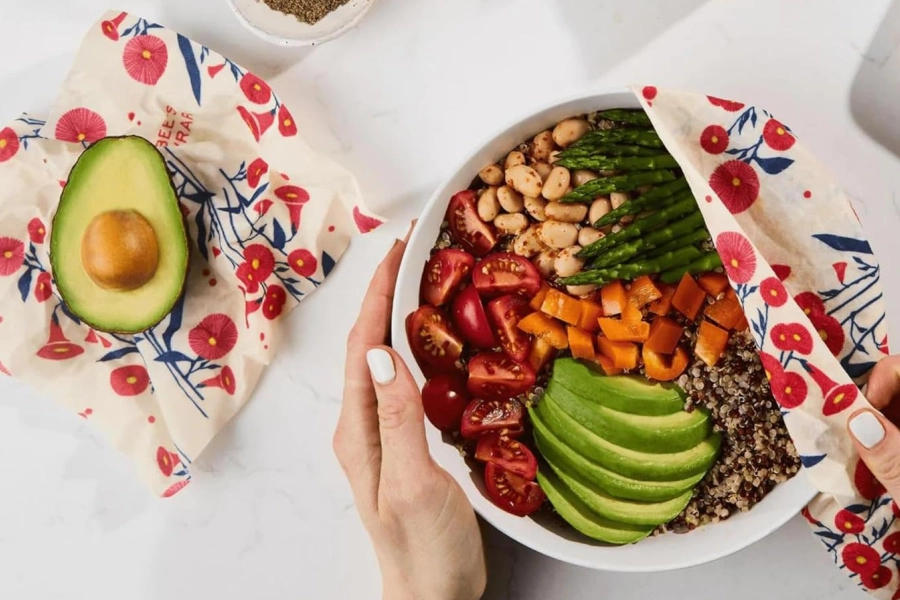
Choosing sustainable options over traditional plastic wrap is a smart move for both your health and the planet. Plastic wrap can sometimes leach harmful chemicals like BPA and phthalates, especially when heated, which may pose health risks over time. Eco-friendly alternatives from Ecoartfullife are free from these chemicals, meaning you avoid any unwanted chemical leaching into your food.
Environmentally, plastic wrap adds to landfill waste and releases greenhouse gases as it breaks down. By switching to reusable and recyclable options, you help cut down on single-use plastic waste and reduce your carbon footprint. Ecoartfullife’s products are designed to be:
- Reusable: Durable so you can use them again and again
- Recyclable: Made from materials that are easy to recycle
- Sustainable: Supporting a lifestyle that protects the environment
Making the switch supports a healthier kitchen and a cleaner environment, which is a win-win for home cooks across the UK.
Eco-Friendly Alternatives to Plastic Wrap Top alternatives for microwave use
If you’re looking to ditch plastic wrap, Ecoartfullife offers some great microwave-safe options that are kinder to your health and the planet.
-
Ecoartfullife Silicone Lids
These lids are flexible and heat-resistant, making them perfect for microwaving. They’re also dishwasher-safe, so cleaning is hassle-free. Silicone lids create a tight seal without plastic wrap’s risks of chemical leaching. -
Ecoartfullife Glass Containers
Made from durable, non-toxic glass, these containers are microwave-safe and recyclable. They’re ideal for reheating food safely without worrying about chemicals or warping like plastic. -
Beeswax Wraps
While beeswax wraps aren’t suitable for microwave use, they’re fantastic for storing food in the fridge or at room temperature. They’re reusable, breathable, and completely plastic-free. -
Paper Towels or Parchment Paper
For short-term microwave use, paper towels or parchment paper work well as a quick cover. They avoid plastic altogether and help prevent splatters during heating.
Switching to these alternatives not only reduces plastic waste but also keeps your food safer from unwanted chemicals while microwaving.
How to choose the right alternative for your needs
Finding the best eco-friendly alternative to plastic wrap depends on a few simple factors:
-
Container size: For larger dishes, flexible silicone lids from Ecoartfullife work well because they stretch to fit different shapes. Smaller containers might be fine with glass lids or beeswax wraps.
-
Food type: If you’re reheating food in the microwave, silicone lids or glass containers are best since beeswax wraps aren’t microwave-safe. For cold storage or leftovers, beeswax wraps or parchment paper do the job nicely.
-
Frequency of use: If you heat food often, investing in durable glass containers or reusable silicone lids is a smart move. For occasional use, paper towels or parchment paper can be convenient and waste less plastic.
Considering these points will help you pick the right sustainable option that fits your kitchen habits while cutting down on plastic waste. Ecoartfullife offers a range of BPA-free, reusable products designed to suit everyday UK kitchens and support healthier, greener living.
Eco-Friendly Alternatives to Plastic Wrap Ecoartfullife’s Commitment to Sustainability
At Ecoartfullife, we take sustainability seriously. Our products are designed to be BPA-free, reusable, and eco-conscious, helping reduce waste in your kitchen. By choosing our silicone lids and glass containers, you’re not only avoiding harmful chemicals common in some plastic wraps but also cutting down on single-use plastics.
We focus on materials that are durable and safe for microwave use, so you get products that last and keep your food fresh without risking chemical leaching. Plus, all our items are made with the environment in mind, supporting healthier homes and a cleaner planet for everyone in the UK.
FAQs About Microwaving Plastic Wrap
Can all plastic wraps be microwaved
Not all plastic wraps are safe for microwave use. Only those labelled as microwave-safe plastic wrap should be used to heat food in the microwave. These wraps are specifically designed to withstand heat without melting or releasing harmful chemicals.
Here’s what to check:
- Look for a microwave-safe symbol or instructions on the packaging.
- Avoid plastic wraps made from PVC, as they can contain chemicals like phthalates that might leach into food when heated.
- Prefer wraps made from low-density polyethylene (LDPE) since they are generally safer for microwave use.
- If in doubt, do a quick test by microwaving a small piece of the wrap away from food to make sure it doesn’t melt or warp.
Using the wrong plastic wrap can cause it to melt or transfer harmful substances into your food, so it’s best to stick with microwave-safe options or consider eco-friendly microwave alternatives instead.
FAQs About Microwaving Plastic Wrap
What happens if plastic wrap melts in the microwave
If plastic wrap melts in the microwave, it can stick to your food or container, making a mess that’s hard to clean. More importantly, melting plastic may release harmful chemicals like phthalates or DEHA into your food, which isn’t safe to eat. The plastic’s breakdown could also produce unpleasant fumes in your kitchen.
To avoid this:
- Always use microwave-safe plastic wrap labelled accordingly
- Keep the wrap from touching food directly by leaving a small gap (about 1 inch)
- Avoid microwaving high-fat or sugary foods with wrap, as these heat up faster and increase melting risk
If melting does happen, discard any food touching the melted plastic to be safe. In future, consider safer alternatives like silicone lids or microwave-safe glass containers to reduce risks altogether.
Are there plastic wraps free of BPA and phthalates
Yes, there are plastic wraps available that are free of BPA and phthalates. Many brands now make microwave-safe plastic wrap using low-density polyethylene (LDPE) or other safer materials that don’t contain these harmful chemicals. When shopping, look for labels that specifically state BPA-free and phthalate-free to ensure you’re choosing a healthier option.
Keep in mind:
- Even BPA-free wraps can leach other chemicals if overheated, so always follow usage instructions carefully.
- Microwave-safe symbols on packaging are a good sign the wrap has been tested for safe use with heat.
- For peace of mind, consider alternatives like silicone lids or glass containers which avoid these chemical risks entirely.
Choosing BPA and phthalate-free plastic wraps helps reduce potential health risks linked to chemical leaching, especially important for regular microwave use in UK households.
FAQs About Microwaving Plastic Wrap

How do I know if my container is microwave-safe
To check if your container is microwave-safe, look for these signs:
- Microwave-safe label or symbol: Often a microwave icon or words like microwave-safe printed on the base.
- Material: Glass, ceramic, and some plastics are usually safe. Avoid containers with metal parts or decorations.
- Manufacturer’s instructions: Always follow any guidance on the packaging or label.
- Test method: If unsure, place the empty container in the microwave alongside a cup of water. Heat on high for 1 minute. If the container stays cool and the water heats up, it’s likely microwave-safe. If the container gets hot, it’s best not to use it in the microwave.
Using the right container helps reduce risk of melting, warping, or harmful chemical leaching, especially when combined with plastic wrap.
FAQs About Microwaving Plastic Wrap
Why choose Ecoartfullife’s alternatives over plastic wrap
Choosing Ecoartfullife’s alternatives instead of traditional plastic wrap offers clear benefits, especially if you microwave food regularly in the UK:
-
No chemical leaching: Unlike some plastic wraps, Ecoartfullife’s silicone lids and glass containers are BPA-free and don’t release harmful chemicals when heated. This keeps your food safer and healthier.
-
Reusable and durable: Their products are designed to be used again and again, cutting down on single-use plastic waste that clogs UK landfill sites and harms the environment.
-
Microwave safe and reliable: Ecoartfullife’s silicone lids and glass containers handle microwave heat well without melting or warping, so you avoid the risks linked to plastic wrap melting or leaching chemicals.
-
Eco-conscious: Choosing their sustainable alternatives supports a greener lifestyle by reducing plastic pollution and lowering your household’s carbon footprint.
-
Versatile and easy to use: From flexible silicone lids to durable glass containers, their range suits different food types, containers, and reheating needs, making them a practical everyday choice.
Switching to Ecoartfullife’s microwave-safe alternatives is a smart step towards safer food storage and a cleaner environment in homes across the UK.