













Are you curious about when plastic wrap was invented and how it became a kitchen staple? At Ecoartfullife, we’re passionate about understanding the history of plastic wrap to inspire sustainable choices for a greener future.
In this guide, you’ll uncover the fascinating story of plastic wrap’s invention, its environmental impact, and eco-friendly alternatives that align with your values. From accidental discoveries to modern solutions, we’ve got the insights you need to make informed choices.
Let’s dive into the world of cling film and explore how we can wrap smarter today!
The Invention of Plastic Wrap A Historical Timeline
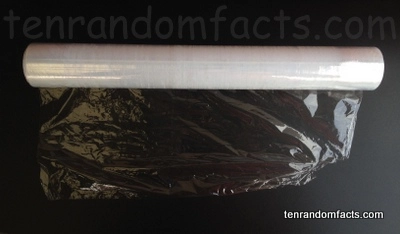
Plastic wrap as we know it today has an interesting history that starts back in 1933. It was accidentally discovered when scientists were experimenting with polymers, but it wasn’t until 1949 that plastic wrap was really developed for commercial use. The big breakthrough came with polyvinylidene chloride (PVDC), a material that clings well to surfaces, keeping food fresher for longer.
By 1953, plastic wrap started appearing in households across the UK and beyond, quickly becoming a kitchen staple. A key figure in this story is Ralph Wiley, who helped develop and popularise Saran Wrap—a brand name many now use interchangeably with plastic wrap. His work focused on making the product practical and easy to use for everyday food storage, which remains crucial for many households today.
Evolution of Plastic Wrap Materials and Uses
Plastic wrap has come a long way since it first appeared. Early versions were made from polyvinylidene chloride (PVDC), known for its strong cling and good barrier against moisture and air. This made it perfect for keeping food fresh in kitchens across the UK.
Over time, manufacturers shifted towards using low-density polyethylene (LDPE). This material is cheaper, more flexible, and safer to use for both food and industrial purposes. LDPE plastic wrap is now the most common type found in supermarkets, offering a good balance between stretchiness and seal.
Plastic wrap isn’t just for food anymore. It’s widely used in packaging industries to protect goods during transport and storage. With growing eco-awareness, brands like Ecoartfullife are promoting sustainable packaging options, encouraging users to choose wraps made from recyclable or more eco-friendly materials.
Whether it’s sealing leftovers or wrapping produce, plastic wrap remains a handy tool in homes and businesses, evolving alongside new materials and environmental demands.
Environmental Impact of Plastic Wrap
Plastic wrap causes several environmental issues that are hard to ignore. One of the main challenges is the amount of waste that ends up in landfills or even worse, polluting our oceans. Because plastic wrap is so thin and light, it can easily escape waste systems and harm marine life.
There are also health concerns tied to chemical leaching. Some plastic wraps, especially older types made with polyvinylidene chloride (PVDC), can release chemicals when in contact with food, particularly if heated. This has led to questions about the safety of using plastic wrap for food storage.
Recycling plastic wrap isn’t straightforward either. Its thinness makes it prone to contamination, and most local recycling centres in the UK don’t accept it. This means most plastic wrap ends up being incinerated or buried, adding to pollution and resource waste.
Being aware of these impacts is key when deciding how often to use plastic wrap and if it’s worth exploring eco-friendly alternatives.
Eco Friendly Alternatives to Plastic Wrap
If you’re looking to cut down on plastic wrap use, there are some great eco-friendly options available here in the UK. Beeswax wraps are a popular alternative – they’re reusable, compostable, and mould to your food or containers thanks to the natural wax. These wraps can last months with proper care, making them a sustainable choice for everyday food storage.
Another option is silicone lids and reusable bags. Silicone lids stretch over bowls and pots, creating an airtight seal without waste. Reusable silicone bags are perfect for snacks, leftovers, and even freezing food, providing a durable, plastic-free option that’s easy to clean.
Cellophane is also worth considering. Made from cellulose, it’s biodegradable and breaks down faster than traditional plastic wrap. However, it’s less flexible and not always as clingy, which can limit its use for some food types.
At Ecoartfullife, we champion these greener choices by offering practical tips and products that help reduce single-use plastics in your home. Switching to these alternatives supports a shift towards sustainable packaging, helping to protect both your family’s health and the environment.
How to Reduce Plastic Wrap Use in Your Daily Life
Cutting down on plastic wrap is easier than you might think, especially here in the UK where many of us want to support eco-friendly choices. Here are some practical tips to help you reduce your plastic wrap use every day:
- Use glass containers: Swap plastic wrap for glass storage boxes with lids. They’re easy to clean, reusable, and great for keeping food fresh.
- Try cloth covers: Beeswax wraps or cotton cloths work well for covering bowls or wrapping sandwiches. They’re washable and can be used repeatedly.
- Batch cooking: Prepare meals in larger amounts and store portions in reusable containers. This cuts down the need to wrap food multiple times.
- Silicone lids and bags: These reusable alternatives seal well and can handle both fridge and freezer storage.
- Plan your shopping: Buy loose fruits and vegetables to avoid unnecessary packaging that often leads to more plastic wrap at home.
At Ecoartfullife, we’re committed to reducing single-use plastics by promoting these simple swaps. Every small change adds up, helping to reduce landfill waste and protect our oceans while keeping your food fresher for longer.
FAQ Section
When was plastic wrap first used for food
Plastic wrap was first used for food in the 1940s. It quickly became popular as a convenient way to keep food fresh at home.
Who invented Saran Wrap
Saran Wrap was invented by Ralph Wiley in 1949. His work helped bring plastic wrap into everyday kitchens across the UK and beyond.
Is plastic wrap safe for food storage
Generally, plastic wrap is safe for storing food if used correctly. However, some concerns exist about chemical leaching, especially when heated. It’s best to avoid wrapping hot foods directly and check for food-safe labels.
Best alternatives to plastic wrap
Here are eco-friendly options that work well in the UK:
- Beeswax wraps: reusable and compostable
- Silicone lids and covers: durable and versatile
- Reusable cloth covers: breathable and washable
- Cellophane: biodegradable, though less common
These alternatives help reduce waste and offer sustainable food storage solutions.