














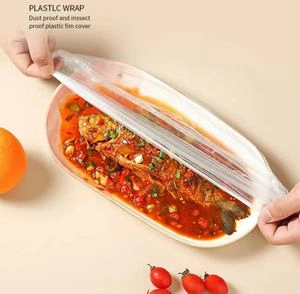
Are you wondering what cling film is made of and how it impacts your health and the planet? Choosing the right food wrap can feel tricky with concerns about safety and sustainability. At Ecoartfullife, we’re passionate about helping you make informed, eco-conscious choices. In this guide, you’ll uncover the materials in cling film, from PE and PVC to biodegradable alternatives, plus practical tips to reduce your environmental footprint. Let’s dive into the world of plastic wrap and discover greener solutions together!
Common Materials Used in Cling Film
Wondering what cling film is made of? Most cling films are made from different types of plastics designed to wrap food securely while keeping it fresh. Here are the common materials used:
Polyethylene (PE)
- One of the most popular materials for cling film
- Known for being food-safe and flexible
- Often used in household and commercial food wrap
- Offers a good balance of stretch and cling
Polyvinyl Chloride (PVC)
- A widely used plastic wrap material that clings tightly
- Provides excellent transparency so you can easily see your food
- Sometimes contains additives to improve flexibility and cling
- Safety concerns have been raised about PVC due to potential chemical migration, but many food-safe options pass strict regulations
Polyvinylidene Chloride (PVDC)
- Used mainly for specialty cling films
- Provides superior barrier properties against moisture, oxygen, and odors
- Helps extend the shelf life of perishable foods
- Less common today due to environmental concerns and cost
Emerging Biodegradable Materials
- New cling film alternatives are being developed with the environment in mind
- Made from plant-based materials like polylactic acid (PLA) or cellulose
- Designed to break down more quickly than traditional plastics
- Increasingly popular among eco-conscious consumers looking for sustainable food storage options
Knowing what cling film materials are used can help you choose the right product for your needs, whether you’re after strong cling, food safety, or even eco-friendly options.
Safety Concerns of Cling Film Materials
When it comes to cling film materials, safety is a big deal, especially since we’re using it to wrap food. Most cling films are made from plastics like polyethylene (PE) and polyvinyl chloride (PVC). While PE is generally considered food-safe and less likely to release harmful chemicals, PVC can contain additives like plasticizers, which might leach into food, especially when heated.
Another material, polyvinylidene chloride (PVDC), has good barrier properties but raises concerns because it may release harmful substances under certain conditions. That’s why many experts suggest avoiding PVC cling films for microwave or oven use.
If you’re worried about cling film safety, here’s what I recommend:
- Look for food-safe cling film labels on packaging.
- Avoid using PVC-based plastic wrap in the microwave.
- Don’t let cling film directly touch fatty or hot foods, as heat can increase chemical migration.
- Consider switching to eco-friendly cling film options when possible.
In short, knowing what your cling film is made of helps reduce exposure to unsafe chemicals. Staying informed lets you keep your food safe while minimizing cling film risks.
Environmental Impact of Cling Film
Cling film, mostly made from plastics like polyethylene (PE) and polyvinyl chloride (PVC), has a significant environmental footprint. These materials take hundreds of years to break down in landfills, contributing to plastic pollution that harms wildlife and clogs waterways. When improperly disposed of, cling film can end up in oceans, where it threatens marine life and ecosystems.
PVC cling film is especially problematic because it can release harmful chemicals during production and disposal. Even PE cling film, though considered safer, still adds to the growing plastic waste problem since it’s often not recycled due to contamination from food residue.
The rise in single-use plastic wrap has increased the pressure on waste management systems across the U.S., making it clear that traditional cling films are not the most sustainable food storage option. For people concerned about the environmental impact and plastic pollution, it’s smart to explore alternatives that reduce plastic use or switch to more eco-friendly options.
Eco-Friendly Alternatives to Traditional Cling Film
If you’re looking to cut down on plastic waste, there are some great eco-friendly options to replace traditional cling film. Here are a few popular choices used in households across the U.S.:
Beeswax Wraps
- Made from cotton infused with beeswax, they’re natural and reusable
- Great for wrapping sandwiches, fruits, and bowls
- They’re breathable, which helps keep food fresh without trapping moisture
Silicone Lids and Reusable Containers
- Stretchy silicone lids fit over bowls or leftovers, cutting down on single-use wrap
- Durable and dishwasher safe, perfect for long-term use
- Reusable containers come in various sizes, handy for packing lunches and storing food
Biodegradable Cling Films
- Made from plant-based materials, these degrade much faster than regular plastic wrap
- Often compostable and safer for the environment
- Still provide a good seal for food, making them a practical eco-friendly option
Switching to these alternatives not only helps reduce plastic pollution but also supports a more sustainable lifestyle, which is especially important for families looking to minimize environmental impact.
How to Choose the Right Cling Film or Alternative
Picking the right cling film or alternative starts with thinking about how you use it and what matters most to you. Here’s a quick guide to help you make a smart choice:
-
Consider food safety: If you’re wrapping acidic or hot foods, look for food-safe cling film made of polyethylene (PE). PE wraps don’t contain harmful chemicals and are generally safer than some PVC wraps.
-
Check the type of plastic: PE cling film is common and good for everyday use. PVC cling film can be stickier but may have safety concerns. If you want something with less chemical worry, choose PE or biodegradable options.
-
Look for eco-friendly options: If you care about the environment, try biodegradable plastic wrap or alternatives like beeswax wraps and silicone lids. These reduce plastic pollution and are reusable, cutting down waste.
-
Think about convenience: Cling film is handy for quick storage, but reusable containers or silicone lids can save money and reduce plastic use in the long run.
-
Match your storage needs: For freezer use, make sure the wrap is freezer-safe. For microwaving, check if the film is microwave-safe to avoid hazards.
-
Local availability and price: In the US market, many supermarkets offer various cling film brands and alternatives. Choose what fits your budget but also check ingredient labels for safety.
Bottom line: Choose cling film or alternatives based on safety, environmental impact, and how easy it fits your daily routine. This way, you protect your food, yourself, and the planet.