
















Are you looking to master food-grade aluminum foil packaging for your kitchen or business? Choosing the right foil and using it correctly can transform how you store, cook, and transport food, ensuring safety, freshness, and sustainability.
As a food industry expert, I’ve seen firsthand how best practices make all the difference in delivering quality and peace of mind. With Artfullife’s premium food-grade aluminum foil, you can elevate your packaging game while meeting FDA standards and reducing waste.
In this guide, you’ll uncover practical tips, safe handling techniques, and eco-friendly strategies to make the most of aluminum foil packaging. Let’s dive in!
Understanding Food Grade Aluminum Foil
Food grade aluminum foil is a type of aluminum foil specifically designed and manufactured to be safe for direct contact with food. It meets strict safety and quality standards to ensure it does not contaminate or react with the food it touches. This kind of foil is thin, flexible, and non-toxic, making it ideal for wrapping, storing, cooking, and transporting food safely.
Definition and Characteristics
Food grade aluminum foil is made from high-purity aluminum, generally above 99 percent, giving it excellent corrosion resistance and durability. It is free from harmful coatings or additives that might compromise food safety. The foil provides a strong barrier against light, moisture, air, and bacteria, which helps preserve food freshness and quality over time. Its smooth surface ensures easy shaping around different food items without cracking or tearing.
Common Alloys and Their Uses
The most commonly used alloys for food grade aluminum foil are the 1000 series, especially alloy 1100 and 1350. These are known for their excellent formability, corrosion resistance, and safe contact with food.
- Alloy 1100: Pure aluminum with good ductility, used widely for wrapping and cooking.
- Alloy 1350: Slightly stronger, used for packaging that requires extra durability.
Both types meet FDA and international food safety standards and are suitable for a variety of uses such as baking, freezing, and food storage. Choosing the right alloy depends on how the foil will be used—thinner foils work well for wrapping and light cooking, while thicker foils handle heavier-duty cooking and transport needs.
In , food grade aluminum foil combines purity, safety, and versatile performance making it a trusted choice for safe food packaging and handling.
Benefits of Using Food Grade Aluminum Foil
Food grade aluminum foil offers some clear advantages that make it a go-to choice for food packaging in the U.S. First off, its superior barrier properties are hard to beat. This foil blocks out light, moisture, air, and bacteria, helping to keep food fresh longer and reducing waste. Whether it’s leftovers, fresh produce, or prepared meals, food grade foil provides a reliable protective layer.
Another big plus is its versatility. You can use it for cooking, storing, and transporting food. It stands up well to heat, making it great for baking or grilling, and it keeps cold foods insulated too. This flexibility means businesses and home cooks alike can rely on it for many food packaging and handling needs.
From an environmental standpoint, food grade aluminum foil shines because it’s highly recyclable. Unlike many plastics, it can be recycled repeatedly without losing quality. Plus, being lightweight reduces transportation energy, cutting down its overall carbon footprint. Choosing food grade aluminum foil is a solid move toward more sustainable packaging solutions.
For those interested in maximizing aluminum foil use in cooking and cleaning, check out these tips on using aluminum foil.
Artfullife Commitment to Quality
Artfullife is serious about delivering top-notch food grade aluminum foil that meets the highest standards. Their products come with SGS and FDA certifications, which means they’re tested and approved for safe food contact in the U.S. market. This ensures you’re getting foil that’s both reliable and compliant with strict safety regulations.
Another key feature is the high ductility of Artfullife’s aluminum foil. This means the foil is flexible and easy to shape without tearing, perfect for wrapping, covering, or sealing food securely. Whether you’re packing leftovers or prepping meals for transport, this quality makes sure the foil performs well every time.
By choosing Artfullife, you’re investing in aluminum foil that prioritizes safety, quality, and usability—everything you need for safe food packaging in your kitchen or business.
Best Practices for Using Food Grade Aluminum Foil
Choosing the right food grade aluminum foil is key to getting the best results in cooking, storage, or packaging. Here’s what to keep in mind:
Selecting the Right Foil for Your Needs
- Thickness matters. Thicker foil (heavy duty) is great for grilling, roasting, and longer storage because it won’t tear easily. Thinner foil works well for wrapping sandwiches or covering dishes.
- Consider the type of food you’re wrapping. Acidic or salty foods might need a foil with specific alloy properties to prevent reaction or leaching.
Alloy Types and Their Uses
- Food grade aluminum foil is usually made from alloys like 1100 or 8011.
- Alloy 1100 is pure aluminum, very soft, and ideal for general packaging and cooking.
- Alloy 8011 is stronger and better for heavy-duty uses like industrial food packaging or long-term storage.
Certification Verification
- Always check for FDA compliance and SGS certification to ensure the foil is truly food grade. This guarantees it meets safety standards and won’t contaminate your food.
- Using certified foil helps avoid surprises with durability, safety, and overall performance.
By picking the right thickness, alloy, and certified foil, you can safely wrap, store, or cook your food knowing it’s protected. This is especially important for local businesses and home cooks in the U.S. who want reliable, FDA-compliant packaging every time.
Safe Handling and Storage
When using food grade aluminum foil, it’s important to handle and store it properly to keep your food safe and fresh. Avoid wrapping highly acidic or salty foods directly in aluminum foil. These types of foods can cause the foil to break down or even leach small amounts of aluminum into your food. Instead, use food grade plastic liners or parchment paper as a barrier between the foil and your food.
For storage, keep aluminum foil in a clean, dry place away from moisture and contaminants. Make sure the foil is tightly sealed around your food to prevent air exposure, helping maintain freshness. Using food grade plastic liners can also help reduce direct contact with aluminum, especially when storing foods for longer periods.
In short:
- Don’t wrap acidic or salty foods directly in foil
- Use food grade plastic liners when possible
- Store foil in a cool, dry spot
- Seal foil tightly to keep food fresh
Following these simple tips ensures you get the most out of your food grade aluminum foil while keeping food safety a top priority.
Proper Use in Cooking and Baking
When using food grade aluminum foil for cooking and baking, knowing the right way to handle it can make a big difference. Many types of food grade aluminum foil are dual ovenable, meaning you can use them in both conventional and convection ovens safely. Just keep an eye on the temperature limits—most foils work well up to about 400°F to 450°F. Going beyond that can cause the foil to weaken or even melt.
For even heat distribution, try these tips:
- Lay the foil smoothly to avoid wrinkles that can cause uneven cooking.
- Avoid wrapping food too tightly; allow some space for air to circulate.
- Use foil to cover dishes loosely to lock in moisture without trapping steam.
- Combine foil with cookware like baking pans to keep heat steady and avoid direct contact with heating elements.
Following these simple steps helps you get consistent results whether you’re roasting, baking, or grilling with food grade aluminum foil. It keeps your food tasting great while making cleanup easier.
Packaging for Transport and Takeout
When it comes to using food grade aluminum foil for transport and takeout, making sure your packaging is secure is key. Tight seals prevent leaks, keep food fresh, and avoid contamination during handling.
Here are some best practices to follow:
- Ensure tight seals: Wrap foil snugly around containers or food items to lock in freshness. Double-layer wrapping can provide extra security.
- Use heat sealed containers: Pair aluminum foil with heat sealed containers or foil trays. This combination enhances leak resistance and maintains temperature during transport.
- Label the packaging: Clear labeling is essential for takeout, especially for businesses. Include contents, date, and any heating instructions for easy customer use.
- Consider disposable liners: Adding food grade plastic liners under the foil can help prevent moisture buildup and protect delicate foods.
Following these tips helps food stay safe and fresh from kitchen to customer, making aluminum foil a reliable choice for takeout and delivery packaging. For more insights on packaging solutions and choosing the right foil, check out related resources like the guide on grades and uses of foodgrade aluminum foil.
Cleaning and Reusing Foil
Food grade aluminum foil is great for one-time use, but you can clean and reuse it a few times if you’re careful. Here’s how to do it right:
- Washing tips: Gently wash the foil with warm, soapy water using a soft sponge. Avoid scrubbing hard since it can tear or thin the foil.
- Dry thoroughly: Let the foil air dry completely before reusing or storing it to prevent any moisture buildup.
- Check condition: Only reuse foil that’s clean and intact. If you see holes, tears, or heavy grease stains, it’s time to recycle it instead of reusing.
When to Recycle Instead of Reuse
- Foil used with acidic or salty foods should be recycled after use because it can corrode and isn’t safe for reuse.
- If the foil is crumpled, heavily soiled, or torn, recycling is the best option.
- Always check local recycling rules since most U.S. facilities accept clean aluminum foil for recycling.
Reusing foil saves money and reduces waste, but always prioritize food safety and foil integrity. When in doubt, recycling keeps your kitchen eco-friendly and efficient.
Safety and Regulatory Considerations
When choosing food grade aluminum foil, safety and regulatory compliance are top priorities. In the U.S., the FDA sets strict guidelines to ensure that aluminum foil is safe for direct contact with food. Using FDA-compliant aluminum foil means you’re meeting these standards, which cover things like material purity and manufacturing practices.
It’s also important to note that the European Union has its own regulations for food packaging materials, including aluminum foil. These ensure the foil doesn’t leach harmful substances into food, keeping it safe during storage and cooking.
Always look for certifications from trusted agencies like SGS. These certifications prove the foil has been tested and meets both safety and quality requirements. This not only protects consumers but also gives businesses confidence when using aluminum foil for packaging, cooking, or transporting food.
By sticking to certified, compliant food grade aluminum foil, you minimize risks and ensure your food packaging is up to standard across local and international markets.
Minimizing Health Risks
When it comes to food grade aluminum foil, many people worry about aluminum leaching into their food. While aluminum can leach in small amounts, especially with acidic or salty foods, the levels are generally very low and considered safe by health authorities like the FDA. Still, it’s smart to take some simple steps to keep your food safe.
Understanding aluminum leaching risks:
- Acidic foods like tomatoes, vinegar, or citrus can cause tiny amounts of aluminum to transfer to your food when wrapped in foil.
- Cooking at very high temperatures or for long periods might increase this leaching slightly.
- For most everyday cooking and storage, the risk is minimal.
Recommendations for safe use:
- Avoid wrapping highly acidic or salty foods directly in aluminum foil. Instead, use a food grade plastic liner or parchment paper as a barrier.
- Don’t use aluminum foil for long-term storage of acidic foods.
- Use foil within recommended temperature limits to prevent damage and reduce leaching.
- Make sure the foil you use is FDA compliant and labeled as food grade aluminum foil to ensure safety standards.
By following these easy tips, you can keep using food grade aluminum foil confidently without worrying about health risks while enjoying its many benefits for food storage, cooking, and packaging.
Addressing Common Myths Debunking Aluminum Foil Health Concerns
Aluminum foil often gets a bad rap when it comes to health, but many worries are based on myths rather than facts. Let’s clear up some common concerns you might hear about food grade aluminum foil.
Myth 1: Aluminum foil causes serious health problems
There’s no solid evidence linking regular use of aluminum foil with major health risks. The small amount of aluminum that might leach into food is generally considered safe by the FDA and other health authorities when used properly.
Myth 2: Aluminum leaches into all types of food
Aluminum leaching is mostly a concern with highly acidic or salty foods, and even then, only in tiny amounts. Using food grade aluminum foil and avoiding direct contact with such foods reduces any risk.
Myth 3: Using foil in the oven is unsafe
Food grade aluminum foil is designed to handle typical cooking temperatures. Just stay within recommended limits and use foil as directed, like wrapping foods or covering baking dishes, and it’s completely safe.
Myth 4: Aluminum foil is not recyclable
This isn’t true in the U.S. Aluminum foil can be recycled if it’s clean and free of food residue. Recycling helps reduce environmental impact and supports sustainability.
What you should know
- Choose FDA compliant aluminum foil for peace of mind
- Avoid wrapping acidic foods directly for long periods
- Always follow recommended cooking and storage guidelines
By understanding these points, you can use food grade aluminum foil confidently without worrying about unfounded health scares. It’s a safe, practical tool for everyday food packaging, cooking, and storage needs.
Sustainability and Environmental Impact
Aluminum foil stands out as an eco friendly choice in food packaging for several reasons. First, it’s highly recyclable. Unlike some materials that can only be recycled a few times, aluminum can be recycled over and over without losing quality. This helps reduce waste and saves natural resources.
Recycling aluminum foil also uses much less energy compared to producing new aluminum from raw ore. In fact, recycling aluminum saves up to 95% of the energy needed for new production. That means less pollution and a smaller carbon footprint.
Another key environmental benefit is aluminum foil’s lightweight nature. It requires less fuel for transportation compared to heavier packaging options. This lowers greenhouse gas emissions during shipping, which is a big plus for sustainable food packaging solutions.
By using food grade aluminum foil, especially if it’s recyclable and properly disposed of, businesses and home cooks can contribute to eco friendly packaging efforts without sacrificing quality or performance.
Best Practices for Sustainable Use
To make the most of food grade aluminum foil while keeping it eco friendly, follow these best practices:
-
Proper Recycling
Aluminum foil is highly recyclable but only if it’s clean. Make sure to rinse off any food residue before recycling. Dirty foil often ends up in the trash, wasting a valuable resource. Check with your local recycling program to confirm they accept aluminum foil.
-
Choosing Sustainable Brands
Look for brands that use recycled aluminum and have certifications for eco-friendly manufacturing. Sustainable brands often balance quality with environmental responsibility, helping reduce your carbon footprint without compromising performance.
-
Reusable Foil Containers
Instead of single-use foil, consider investing in reusable aluminum containers designed for multiple uses. They hold up well for storage and cooking, which cuts down on waste. Pair these with food grade plastic liners when storing acidic or salty foods to extend their lifespan.
Using these simple strategies helps reduce waste and supports sustainable food packaging choices. For more ways to boost your kitchen’s eco friendliness, check out our tips on plastic wrap for food and reusable food storage bags.
Practical Tips for Businesses and Home Cooks
For Businesses
- Cost Saving: Choosing the right thickness and size of food grade aluminum foil helps cut costs without sacrificing quality. Buying in bulk can also lower expenses.
- Branding: Custom printed aluminum foil packaging lets you showcase your logo, making your brand stand out during takeout and delivery.
- Packaging Efficiency: Use foil sheets or rolls that match your food portions to minimize waste. Tight seals keep food fresh and prevent leaks, improving customer satisfaction.
For Home Cooks
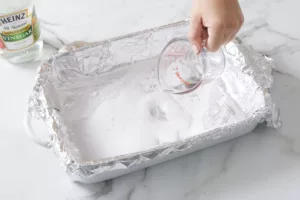
- Creative Uses: Aluminum foil isn’t just for wrapping leftovers. Use it to line pans for easy cleanup, create DIY cooking pouches, or shape it into racks for roasting.
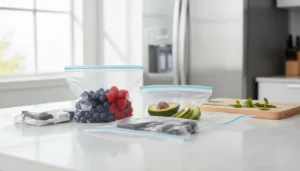
- Storage Hacks: Wrap food tightly in foil and combine with food grade plastic liners to keep flavors in and freezer burn out.
- Budget Friendly Tips: Reuse clean foil when possible and recycle when done. This stretches your supply and supports eco friendly food packaging efforts.
By following these simple tips, both businesses and home cooks get the most out of food grade aluminum foil for cooking, storage, and transport—all while saving money and reducing waste.