

















Are you wondering is tin foil recyclable and how to make eco-friendly choices in your kitchen? Sorting out what can and can’t be recycled can feel tricky, but getting it right makes a big difference for the planet. As a trusted supermarket supplier, Artfullife is here to guide you with clear, practical answers based on our commitment to sustainable practices. In this guide, you’ll discover whether aluminum foil (yes, that’s what “tin foil” really is!) can be recycled, how to prep it properly, and smart tips to reduce waste. Let’s dive into recycling tin foil and explore eco-friendly kitchen solutions to make sustainability simple!
What Is Tin Foil and Why Does It Matter
Tin foil, often confused with aluminum foil, is a thin sheet of metal primarily made from aluminum today, despite its historical use of actual tin. This versatile kitchen staple plays a significant role in everyday cooking, food storage, and even in some craft applications. But beyond its practical uses, understanding what tin foil is and why it matters is crucial when thinking about eco-friendly kitchen practices and sustainable waste management.
Understanding Tin Foil’s Material and Use
- Composition: Modern tin foil is almost always made from aluminum, which is lightweight, flexible, and excellent at preserving food freshness.
- Common uses: Wrapping leftovers, lining baking trays, grilling, and covering food to maintain moisture.
- Environmental impact: Since tin foil is metal-based, it doesn’t break down like organic waste or plastics, which means improper disposal can contribute to landfill buildup and environmental harm.
Why Tin Foil Recycling Matters
Tin foil’s recyclability directly affects how we manage waste sustainably. Unlike plastics, aluminum foil can be recycled indefinitely when properly prepared, saving energy and reducing the need for resource extraction. However, confusion around recycling practices often leads to foil ending up in the trash, increasing waste and pollution.
Knowing the difference between clean and used tin foil, how contamination affects recycling processes, and the impact of local recycling guidelines can make a big difference. This knowledge supports better decisions in daily routines and promotes energy-saving recycling efforts that benefit the environment.
By recognizing why tin foil matters beyond the kitchen, we improve our contribution to green living and sustainability goals in our communities. This perspective opens the door to smarter recycling habits and greener alternatives that reduce our footprint without sacrificing convenience.
Can You Recycle Tin Foil The Straight Answer

Yes, tin foil is recyclable, but there are some important details to keep in mind. Most tin foil is actually made from aluminum, so when people ask about aluminum foil recycling, that’s what they usually mean. The good news is that aluminum foil can be recycled and turned into new products, which saves energy and reduces waste.
However, the key to recycling tin foil successfully is that it must be clean and free of food residue. Used, greasy, or heavily soiled foil can’t be processed easily by recycling centers and often ends up in the trash. For example, tin foil pie plates recyclable status depends on if they are clean and accepted by your local recycling program.
Because recycling rules differ from place to place—even between cities like New York City, Raleigh NC, or Toronto—it’s a good idea to check your local recycling guidelines. Some areas accept clean tin foil and aluminum containers, while others don’t. When accepted and prepared properly, recycling tin foil supports sustainable waste management and contributes to energy-saving recycling efforts.
In short:
- Clean tin foil is recyclable in many US communities.
- Dirty or food-coated foil should be composted or discarded if recycling isn’t an option.
- Always check your city’s recycling rules before tossing foil into the bin.
For those interested in best practices for using food-grade aluminum foil or tips on how to recycle properly, this guide on aluminum foil packaging offers helpful insights tailored to eco-friendly kitchen practices.
How to Prepare Tin Foil for Recycling
Getting tin foil ready for recycling is simple but important to make sure it actually gets processed. Clean and dry foil is the key to successful aluminum foil recycling, as contamination can cause it to be rejected by recycling centers.
Steps to Prepare Tin Foil for Recycling
-
Remove Food Residue
Any leftover food, grease, or sauce makes recycling tricky. Rinse off your tin foil with warm water to get rid of stuck-on bits. For stuck grease, a quick soak can help loosen it.
-
Keep Foil Wrinkled or Ball It Up
Tiny bits of foil are easier to recycle if they’re grouped together. Scrunch small pieces into a ball at least 2 inches wide. This prevents it from getting lost in sorting machines and helps recycling facilities see it clearly.
-
Avoid Foil With Plastic Coating or Contamination
Foil combined with plastic or heavy grease isn’t accepted in most recycling programs. If your tin foil has a plastic lining or heavy food residue, it’s best to toss it in the trash or look for specialized recycling options.
-
Check Local Recycling Guidelines
Recycling rules vary across the U.S. Some cities like New York City, Toronto, or Raleigh, NC have specific instructions for aluminum foil recycling. Always check your local recycling guidelines to ensure you’re sorting correctly.
Why Proper Preparation Matters
- Cleaner foil prevents contamination, making recycling smoother and more efficient.
- It saves energy because recycling uncontaminated aluminum uses less processing power.
- Proper preparation supports eco-friendly kitchen practices and boosts your contribution to sustainable waste management.
By taking these simple steps, you ensure your tin foil is ready to be recycled effectively, helping reduce waste in landfills and supporting green alternatives to foil waste.
Common Challenges and Solutions in Recycling Tin Foil
Recycling tin foil isn’t always straightforward. There are several common challenges that can make recycling aluminum foil tricky, especially when it comes to keeping things clean and following local recycling guidelines. Understanding these hurdles and how to overcome them is key to ensuring your tin foil actually gets recycled and doesn’t end up in the landfill.
Challenge 1 Cleanliness of Tin Foil
One of the biggest issues with aluminum foil recycling is that used tin foil often has food residue like grease, cheese, or sauce stuck to it. This contamination can ruin the recycling batch because food waste makes it harder to process the metal.
Solution:
- Rinse off any stuck-on food before recycling.
- If you can’t wash the foil thoroughly, consider reusing scrap pieces in creative ways instead (covered later).
- Only recycle foil that is mostly clean and free of food debris to support energy-saving recycling processes that work best with uncontaminated materials.
Challenge 2 Foil Size and Form
Tiny, crumpled bits of tin foil often slip through the machinery at recycling centers or get mixed in with other materials, making processing difficult. Small pieces are often rejected or lost in sorting.
Solution:
- Ball up clean foil into a ball roughly the size of a golf ball or bigger. This helps recycling machines detect and sort the foil better.
- Avoid recycling small scraps individually — group them to improve recycling efficiency.
Challenge 3 Plastic-Coated or Laminated Foil
Some foil products come with a plastic coating or combined with paper, such as wrappers or trays. This plastic-coated tin foil is not recyclable through regular aluminum recycling streams and causes contamination issues.
Solution:
- Check local guidelines carefully to see if they accept plastic-coated foil.
- If not accepted, consider sending these items to special facilities or dispose of them in the trash to avoid contamination.
- Opt for fully aluminum-only foil products when possible, which are widely accepted.
Challenge 4 Inconsistent Local Recycling Rules
Recycling acceptance varies by location — what works in NYC might not be the same for Raleigh, NC, or Vancouver. People often get confused about whether tin foil is recyclable in their specific city or state.
Solution:
- Always consult your city’s or county’s local recycling guidelines online.
- Contact your local waste management service if the rules are unclear.
- Some places might require you to bundle foil separately or drop it off at specific recycling centers.
By tackling these common challenges — keeping foil clean, bundling small pieces, avoiding plastic-coated foil, and following local rules — you can make sure your tin foil gets recycled properly. This effort supports sustainable waste management, conserves energy, and helps lessen the overall tin foil environmental impact in your community.
Creative Ways to Reuse Tin Foil Before Recycling
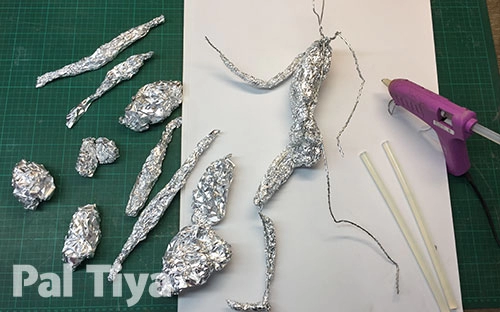
Before tossing tin foil into the recycling bin, consider reusing it to extend its life and reduce waste. Reusing aluminum foil not only saves resources but also supports eco-friendly kitchen practices that many households in the U.S. are adopting.
Easy Reuse Ideas for Tin Foil
-
Clean and Save for Wrapping Food
After using tin foil, if it’s not too crumpled or greasy, simply rinse it off and smooth it out. You can reuse it to wrap sandwiches, cover leftovers, or pack lunches. This helps cut down on single-use plastic wrap.
-
Line Baking Sheets and Grill Trays
Instead of tossing foil after one use, reuse it as liners for baking sheets or grill trays. Just make sure to avoid heavily burnt spots.
-
Sharpen Scissors and Knives
Fold foil several times and cut through it with dull scissors or knives. This simple trick helps maintain your kitchen tools longer.
-
Protect Pie Plates and Serving Dishes
If you have reusable pie plates, cover them with tin foil to keep things neat while baking or serving. It helps with cleanup and can be reused in this way multiple times.
-
Create DIY Funnel or Tray
Mold clean foil into a small funnel for pouring liquids or fine powders. You can also shape foil trays for organizing small items around the house.
Benefits of Reusing Tin Foil
-
Saves Energy and Resources
Extending the life of tin foil reduces the need for new aluminum production, which is energy-intensive.
-
Supports Sustainable Waste Management
The less used foil we throw away, the lower the burden on recycling facilities and landfill sites.
Tips to Maximize Reuse
- Always keep used foil clean and dry to avoid contamination.
- Flatten crumpled foil gently instead of balling it up.
- Store saved foil in a dedicated spot in your kitchen for easy access.
By creatively reusing tin foil, you contribute to sustainability while saving money and reducing the environmental impact related to aluminum foil recycling. This approach pairs perfectly with local recycling guidelines and green alternatives to foil many U.S. homes are exploring.
Eco-Friendly Alternatives to Tin Foil for Sustainable Kitchens
Looking to cut down on your tin foil environmental impact? There are plenty of green alternatives to foil that help you stay eco-friendly without sacrificing convenience in the kitchen. These options support sustainable waste management and promote more responsible habits that fit well with eco-friendly kitchen practices.
Beeswax Wraps
One of the best reusable alternatives, beeswax wraps are breathable, washable, and naturally antibacterial. Use them to cover bowls, wrap sandwiches, or keep produce fresh. Unlike tin foil, these wraps reduce waste and can last for months with proper care.
Silicone Food Covers
Silicone lids and mats are flexible, durable, and dishwasher safe. They create airtight seals for leftovers, baking, and steaming. Replacing single-use foil with silicone covers can save energy and reduce landfill waste, aligning with energy-saving recycling goals.
Glass and Stainless Steel Containers
For storing and reheating food, glass containers with lids or stainless steel lunch boxes are strong alternatives. These options are sturdy, reusable, and avoid the hassle of cleaning foil. They fit perfectly into a zero waste lifestyle and local recycling guidelines since these materials are widely recyclable.
Parchment Paper
When cooking or baking, swapping tin foil for parchment paper can prevent sticking and burning without the environmental cost tied to foil production and disposal. Parchment paper is compostable—making it a preferred choice for those aiming to reduce trash.
Cloth Food Covers
For quick cover-ups, fabric bowl covers made from cotton or hemp are washable and reusable. These covers are simple but reduce reliance on disposable or recyclable tin foil, contributing to longer-term waste reduction.
Choosing eco-friendly alternatives helps you stay ahead of recycling challenges related to used tin foil like contamination and limited local facility acceptance. It’s a smart move for anyone serious about lowering their kitchen’s environmental footprint and supporting broader sustainable waste management efforts locally across cities like Raleigh, Tucson, or Toronto.
Switching from tin foil to these alternatives is a step closer to a greener kitchen and a healthier planet.
Why Recycling Tin Foil Supports Sustainability
Recycling tin foil plays a critical role in sustainable waste management by reducing the need for new aluminum production, which is energy-intensive and environmentally taxing. Since tin foil is actually aluminum foil, recycling it helps save valuable natural resources and reduces greenhouse gas emissions.
Energy Savings and Resource Conservation
Producing aluminum from recycled foil uses up to 95% less energy compared to raw mining and refining processes. This massive energy-saving directly translates into a smaller carbon footprint for households and communities practicing aluminum foil recycling. By recycling clean tin foil, you help cut down on mining waste and preserve bauxite reserves, the raw material for aluminum.
Reducing Landfill Waste
When tin foil is not recycled, it often ends up in landfills where it takes hundreds of years to break down. By recycling foil, we reduce bulky waste and extend landfill lifespans, supporting local recycling guidelines and urban sustainability goals. This also helps cities like Raleigh, NYC, and Toronto meet their green waste reduction targets more efficiently.
Promoting Circular Economy
Recycling tin foil supports a circular economy where materials are reused instead of discarded. This approach encourages sustainable consumption and waste reduction patterns, aligning with eco-friendly kitchen practices and everyday household sustainability efforts. It’s a simple change but with big impacts.
Encouraging Responsible Recycling Habits
When you make a habit of recycling tin foil, especially when prepared correctly, you promote better recycling quality. Clean, recyclable foil reduces contamination issues at recycling facilities, making the process more effective. This helps recycling programs operate smoothly in places like Ontario, Vancouver, and Madison, boosting overall waste diversion success.
- Recycles valuable aluminum and saves energy
- Cuts down on landfill waste
- Supports a circular economy
- Helps meet local recycling goals and sustainable living
Taking the time to recycle tin foil properly is a small step with lasting benefits for both your community and the environment. It’s a practical way to contribute to sustainability while staying aligned with local regulations and eco-friendly habits.
Local Recycling Guidelines What You Need to Know
When it comes to is tin foil recyclable, the answer often depends on where you live. Local recycling guidelines vary widely across the U.S., so understanding your city or county’s rules is key to proper aluminum foil recycling and supporting sustainable waste management.
Check Your City or County Recycling Policies
- Many local programs require foil to be clean and free of food residue before accepting it. Dirty foil often contaminates recycling batches and ends up in landfills.
- Some areas, like New York City (NYC) and Toronto, accept clean tin foil and even tin foil pie plates but only if they’re free from grease and food.
- Other locations, including parts of California and Ontario, might not accept used foil in curbside bins but offer special drop-off sites for scrap metal and foil recycling.
Common Rules Across the U.S.
- Tin foil must be balled up tightly before recycling to prevent small pieces from falling through sorting machinery.
- Foil contaminated with food waste or plastic coatings is generally not recyclable in curbside programs.
- Foil trays and plates may be recyclable if clean — always verify with your local facility, as these can sometimes be considered a different material.
Use Local Resources to Confirm Guidelines
- Visit your city’s waste management or recycling website to get precise info about tin foil recyclable programs.
- You can also call local recycling centers to ask about specific materials like used tin foil in Raleigh, NC or aluminum foil recycling in Vancouver.
- Some states provide downloadable guides for eco-friendly kitchen practices, including how to prepare foil for recycling.
Why Following Local Rules Matters
Adhering to local recycling guidelines helps reduce contamination and boosts the efficiency of recycling programs. This, in turn, supports valuable practices like energy-saving recycling and promotes a healthier environment.
For more tips on making the most of your foil and alternatives, check out this guide on What to Use Instead of Tin Foil in Oven. Also, if you often use aluminum foil in bulk, learning about Bulk Tin Foil can help make your eco-friendly efforts more cost-effective.