
















If you’ve ever wondered how to use aluminum foil in the kitchen effectively, you’re in the right place. Aluminum foil is one of those underrated kitchen heroes—versatile, convenient, and surprisingly eco-friendly when used mindfully. Whether you’re cooking, storing leftovers, or even cleaning up, knowing the smart ways to use aluminum foil can save you time, reduce waste, and keep your meals tasting fresh.
In this post, you’ll discover practical tips, safety insights, and sustainable practices to make the most out of aluminum foil in your daily kitchen routine—without sacrificing the planet. Ready to unlock the full potential of this kitchen staple? Let’s get started!
Aluminum Foil Basics and Types for Kitchen Use
If you’ve ever wondered what aluminum foil is made of and why it’s such a kitchen staple, here’s the scoop. Aluminum foil is made from pure aluminum that’s been rolled into thin sheets through a process of rolling and annealing (heating and cooling). This manufacturing method gives foil its signature flexibility, strength, and ability to handle heat without tearing.
Different Types and Thicknesses of Aluminum Foil
Not all aluminum foil is created equal. In the kitchen, you’ll usually find three main types:
- Standard Foil: Thin and flexible, ideal for general wrapping and light tasks.
- Heavy-Duty Foil: Thicker and stronger, great for grilling, roasting, and tasks where durability matters.
- Non-Stick Foil: Coated to prevent food from sticking, perfect for baking delicate items like fish or pastries.
Each type comes in various thicknesses measured in mils (thousandths of an inch). Heavier foil resists tearing and can withstand higher heat, while lighter foil is easier to mold.
Choosing the Right Aluminum Foil for the Kitchen Task
Picking the right foil depends on what you’re doing:
- Use standard foil for simple wrapping and short baking.
- Reach for heavy-duty foil when grilling or lining pans, especially if you want protection against juices or grease.
- Choose non-stick foil when baking sticky or delicate foods to avoid leftovers sticking and tearing.
Knowing this helps with kitchen efficiency, reduces waste, and keeps your food looking and tasting its best. Using the right foil type also makes clean-up a breeze, which everyone appreciates after a long day cooking.
Practical Uses of Aluminum Foil in the Kitchen Cooking and Baking
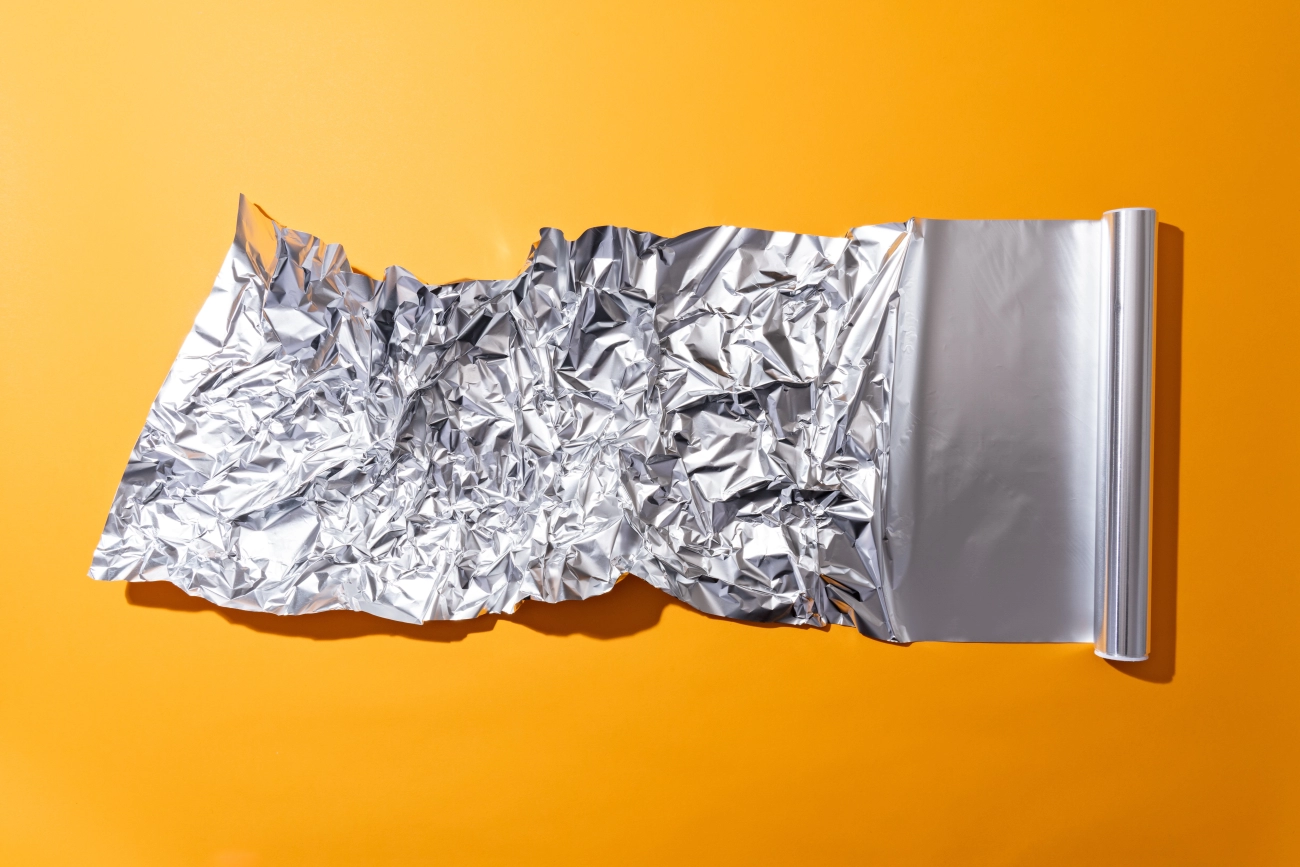
Aluminum foil is a go-to tool for cooking and baking thanks to its versatility and heat resistance. Here are some of the most common and effective kitchen uses of aluminum foil for preparing meals.
Wrapping Foods for Grilling and Roasting
One of the simplest ways to use foil is wrapping foods for grilling or roasting. Whether you’re cooking chicken, fish, or veggies, wrapping them tightly in foil helps:
- Lock in moisture and flavor
- Protect food from direct heat, preventing burning
- Make cleanup easier by containing drips and mess
Use heavy-duty foil for grilling to avoid tearing, and consider double layering when wrapping juicy or fatty foods.
Creating Foil Packets for Steaming
Foil packets are a fantastic way to steam foods without extra pots or pans. Just place your ingredients like veggies, fish, or thin slices of meat on a sheet of foil, add seasoning or a splash of liquid, then seal the edges tightly.
- Foil traps steam and cooks food evenly
- Keeps flavors concentrated
- Cuts down on washed dishes since the packet is fully disposable
This method is especially popular for quick weeknight meals, combining convenience with tasty results.
Lining Baking Trays for Easier Cleanup
Lining baking sheets and pans with foil is one of the easiest kitchen uses of aluminum foil to save time. It:
- Prevents food from sticking
- Catches spills and drips for fast cleanup
- Allows you to lift out baked goods easily without messing up the pan
For sticky or cheesy dishes, you can spray the foil lightly with cooking spray to improve release.
Keep in mind: when using foil in the oven or on grills, always avoid touching the heating elements or flames directly to prevent melting or scorching. Using the right type and thickness of foil makes a huge difference in cooking results and durability.
Practical Uses of Aluminum Foil in the Kitchen Food Storage
When it comes to food storage, aluminum foil is a versatile and handy tool in any kitchen. It’s great for wrapping leftovers to keep them fresh, helping reduce food waste and saving money. Here’s why aluminum foil works well and how it compares to alternatives like plastic wrap.
Wrapping Leftovers to Keep Freshness
Aluminum foil creates a tight seal around food, which helps:
- Prevent moisture loss
- Keep odors out
- Protect food from freezer burn when storing in the freezer
- Maintain crispness, especially for baked goods or fried foods wrapped immediately after cooling
For best results, wrap food tightly, pressing the foil close to the surface to minimize air pockets. This is especially useful for foods like cut fruits, sandwiches, and cooked meats.
Aluminum Foil vs Plastic Wrap Pros and Cons
Both aluminum foil and plastic wrap have their place in the kitchen, but each has strengths and limitations:
| Feature | Aluminum Foil | Plastic Wrap |
|---|---|---|
| Breathability | Blocks air, light, and moisture completely | Allows some air exchange |
| Heat Resistance | Can be used for hot foods and in the oven | Not heat resistant; melts under high heat |
| Reusability | Can often be gently reused | Usually disposable |
| Eco-friendly Considerations | Recyclable if clean (Learn more here) | Generally not recyclable |
| Suitability for Wet Foods | Less effective for sealing liquids | Better for wrapping moist foods or sealing bowls |
In short, use foil for wrapping cooked or baked leftovers, covering dishes for oven use, and freezer storage. Plastic wrap works better for fresh produce or foods you want to breathe a bit but stay covered.
Tips for Using Aluminum Foil in Food Storage
- Use non-stick foil for wrapping sticky or delicate foods like cheese or chocolate
- Avoid letting foil touch highly acidic or salty foods for long periods to prevent minor reactions (more on safety here)
- Consider folding foil into layers for better protection and reusability
- Label wrapped items for easy identification
Using aluminum foil smartly in your kitchen not only helps keep food fresher longer but can also reduce plastic waste if you switch from plastic wrap in some cases. Just be sure to reuse and recycle your foil properly to keep things eco-friendly.
For more on cleaning and reusing aluminum foil, check out handy kitchen cleaning hacks.
Practical Uses of Aluminum Foil in the Kitchen Cleaning and Maintenance
Aluminum foil isn’t just for cooking and storage—it’s a handy tool for cleaning and maintaining your kitchen gear. Here’s how you can use foil to keep things in shape with minimal effort.
Scrubbing Grills and Pans with Aluminum Foil
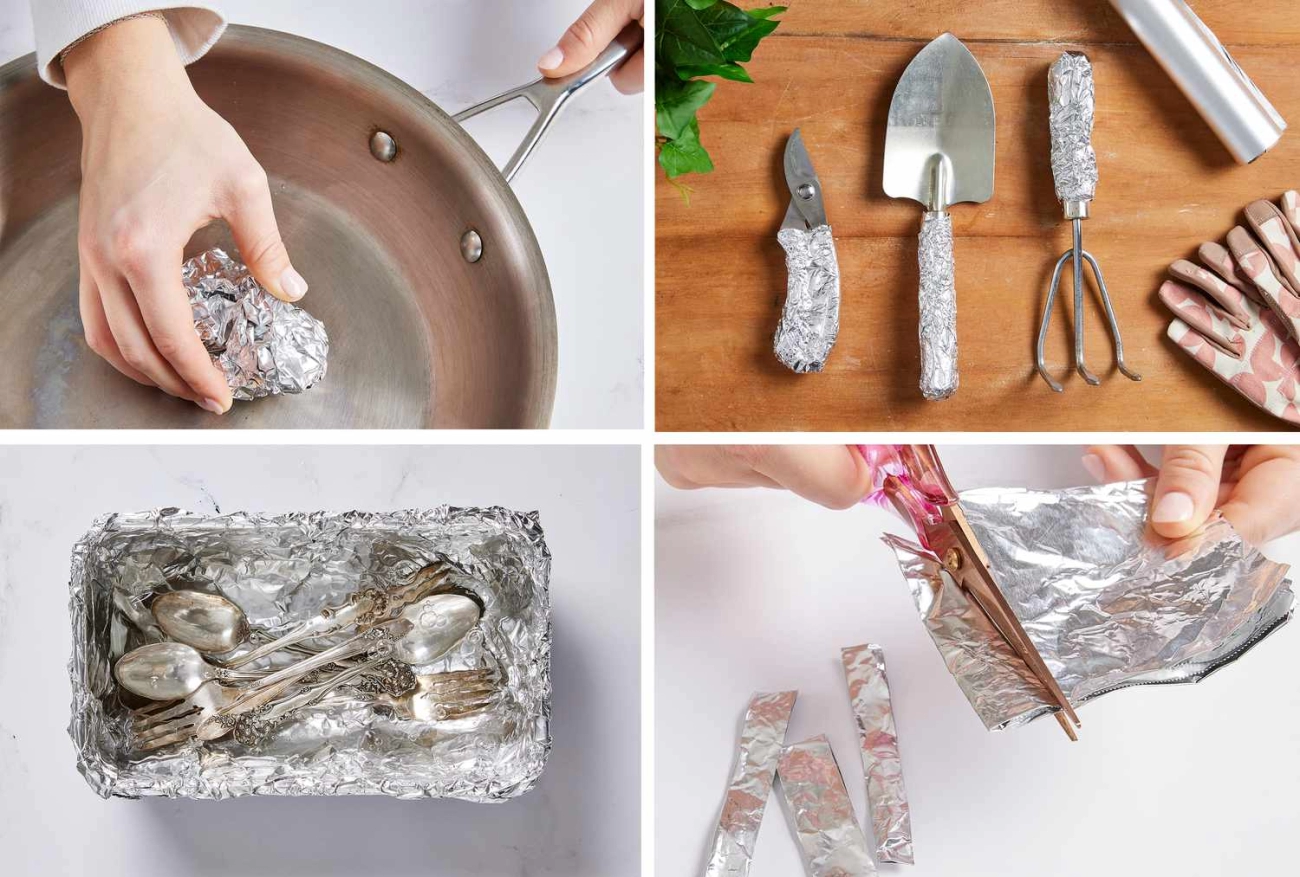
Tough grease and burnt-on food can be a pain to clean. Instead of reaching for harsh scrubbers or chemicals, try crumpling a piece of aluminum foil into a ball and use it to scrub grills, BBQ grates, and metal pans. The foil is rough enough to remove stuck-on residue but gentle enough not to damage most cookware surfaces.
- Tip: Use this method on stainless steel or cast-iron surfaces, but avoid it on non-stick pans to prevent scratching.
- For stubborn spots, dip the foil ball in a bit of warm water and dish soap before scrubbing.
Sharpening Scissors with Folded Aluminum Foil
If your kitchen scissors feel dull, aluminum foil can come to the rescue. To sharpen scissors:
- Fold a piece of foil several times to create a thick, firm strip.
- Cut through the folded foil multiple times with the scissors.
- This action helps realign and sharpen the blades, improving cutting performance.
This sharpens the scissors without needing special tools or a professional service, which is especially handy in a busy kitchen.
Using aluminum foil for cleaning and maintenance is a simple, inexpensive trick that keeps your kitchen tools working better for longer. It minimizes wear and avoids harsh chemicals, fitting well with practical and eco-friendly kitchen habits.
Practical Uses of Aluminum Foil Other Innovative Kitchen Uses

Aluminum foil is more than just a cooking and storage helper—it’s a versatile tool with some clever, less obvious uses that can make your kitchen work easier.
Preventing Pie Crust Burn
One common kitchen challenge is burned pie crust edges before the filling is fully cooked. Here’s how aluminum foil can save the day:
- Shield the crust edges: Tear strips of aluminum foil and wrap them loosely around the edges of your pie.
- This acts as a heat barrier, preventing direct over-browning while allowing the center to bake properly.
- Remove the foil during the last 10 minutes if you want a nicely browned crust edge.
Using foil this way helps maintain the perfect texture and color of your pie crust, making your baked goods look as good as they taste.
Keeping Fruits and Vegetables Fresh Longer
Aluminum foil can help extend the freshness of produce when storing in your fridge or pantry:
- Wrap fruits like apples or pears individually in foil to slow down ripening and prevent bruising.
- Cover the cut ends of vegetables such as celery or asparagus with foil to retain moisture and crispness.
- For items like onions or garlic, wrapping in foil keeps odors contained and prevents them from drying out.
This simple trick works because foil blocks light and air, two factors that speed up spoilage.
Using Aluminum Foil as a Kitchen Helper
Beyond food, aluminum foil can be a handy tool for other kitchen tasks:
- Foil funnel: Roll a piece of foil into a cone shape for a quick, disposable funnel. Perfect for transferring dry ingredients or liquids without a mess.
- Protect cookware edges: Wrap foil around the handles or rims of pots and pans to guard against splatters or heat damage during cooking or transport.
- Make a drip pan: Shape foil to catch drips in ovens or under greasy foods, making cleanup easier.
These innovative kitchen uses put aluminum foil to work in unexpected ways, saving time and reducing stress.
For more innovative aluminum foil kitchen uses, check out practical tips like baking on foil and cleaning with foil hacks to keep your kitchen running smoothly. You might also want to explore the difference between heavy-duty and regular foil to pick the best type for your needs.
If you want to learn more about foil uses and recycling tips, see Aluminum Foil in the Air Fryer and Are Aluminum Foil Recyclable.
Safety and Health Considerations When Using Aluminum Foil in the Kitchen
When using aluminum foil in the kitchen, it’s important to understand how it interacts with different types of foods and what precautions you should take to avoid health risks.
Using Aluminum Foil Safely with Food
- Acidic and Salty Foods: Aluminum foil can react with acidic ingredients like tomatoes, vinegar, or citrus, as well as salty foods. This reaction may cause the foil to break down and small amounts of aluminum to leach into your food. While occasional exposure is generally considered safe, frequent or large consumption may raise health concerns.
- Safe Use Tip: To reduce risk, avoid wrapping highly acidic or salty foods directly in aluminum foil. Instead, use parchment paper as a barrier or opt for non-reactive containers when storing or cooking these foods wrapped in foil.
Risks and Precautions to Avoid Aluminum Contamination
- Aluminum Intake: Our bodies naturally handle small amounts of aluminum, but excessive intake might be linked to health issues, especially in individuals with kidney problems.
- Precaution Measures:
- Don’t cook or store food in aluminum foil at high temperatures for long periods, especially acidic or salty items.
- Avoid tearing or puncturing the foil, which increases contact between food and aluminum.
- Use heavy-duty or non-stick foil options for cooking tasks where direct contact is unavoidable, as these reduce food sticking and foil degradation.
Recyclability and Eco-Friendly Disposal of Aluminum Foil
- Recycling Aluminum Foil: Aluminum foil is recyclable but must be clean and free of food residue. Scrape off or rinse away food particles before placing foil in recycling bins. Crumpling foil into balls helps recycling facilities process it more easily.
- Eco-Friendly Tips:
- Reuse foil whenever possible for storage or cleanup tasks.
- Opt for alternatives like beeswax wraps or reusable silicone covers to cut waste.
- When recycling aluminum foil, follow local guidelines to ensure it doesn’t end up as contamination in recycling streams.
Aluminum foil is a versatile kitchen tool, but practicing these safety measures can help you enjoy its benefits without health risks. For more on sustainable use of aluminum foil and kitchen safety tips, you can check out resources like EcoArtFullLife’s aluminum foil kitchen guide.
Ecoartfullife Tips for Sustainable Use of Aluminum Foil
Using aluminum foil responsibly in the kitchen can help reduce waste and protect the environment without sacrificing convenience. Here’s how you can make your foil use more sustainable while keeping your food safe and fresh.
How to Reuse Aluminum Foil Efficiently Without Compromising Hygiene
- Check the foil condition before reuse. If it’s clean, free from tears, and not soaked with food residues, you can reuse it for tasks like lining trays or covering dishes.
- Use one side wisely. The shiny side can be reused for wrapping foods that don’t stick easily or for cooking tasks where direct contact isn’t required.
- Avoid reusing foil that touched raw meat or greasy leftovers to prevent contamination.
- Fold used foil into smaller sheets for easy storage and to reuse for smaller kitchen tasks, such as covering bowls or wrapping dry foods.
Alternatives to Aluminum Foil and When to Choose Them
While foil is handy, it’s not always the most eco-friendly option. Here are alternatives to consider depending on your task:
- Beeswax wraps — Great for covering bowls or wrapping sandwiches, reusable and biodegradable.
- Silicone lids or mats — Reusable and heat resistant, perfect for baking or covering dishes.
- Parchment paper — Ideal for baking tasks that don’t require a tight seal but still need a non-stick surface.
- Glass or stainless steel containers — Use these for food storage instead of foil to reduce waste over time.
Choose alternatives especially when you want to avoid single-use items or when storing acidic or salty foods that can react with aluminum.
Recycling Best Practices and Minimizing Waste
- Make sure to clean aluminum foil thoroughly before recycling; food residue can contaminate recycling batches.
- Crumple clean foil into a ball about the size of a baseball. Recycling centers prefer foil in this form as it’s easier to sort and process.
- Avoid mixing foil with other types of waste to improve recycling rates.
- When possible, buy foil that’s labeled recycled or eco-friendly, supporting demand for sustainable products.
- Consider buying foil in bulk rolls to reduce packaging waste.
By following these tips from Ecoartfullife, you can keep using aluminum foil effectively in your kitchen while lowering your environmental footprint and keeping things safe and clean.
Common Mistakes to Avoid When Using Aluminum Foil in the Kitchen
When it comes to kitchen uses of aluminum foil, knowing the right way to use it can save you time, money, and even prevent accidents. Here are some common mistakes to watch out for, especially when cooking, baking, or storing food.
Avoid Using Aluminum Foil in Microwave Ovens
One of the biggest kitchen foil mistakes is putting it in the microwave. Aluminum foil can cause sparks and even fires when microwaved because it reflects the microwave energy instead of absorbing it. This can damage your microwave or, worse, start a fire.
- Never place foil-covered dishes in the microwave.
- Use microwave-safe covers or lids instead.
- If you need to cover food in the microwave, opt for a microwave-safe plate or wax paper.
Don’t Overuse Foil in Single-Use Situations
Aluminum foil is handy, but using a fresh sheet every single time for small tasks isn’t sustainable or budget-friendly.
- Reuse foil when possible without compromising food safety.
- For example, foil used to cover leftovers can often be reshaped and reused the next day.
- When cleaning, avoid tearing off new sheets unnecessarily.
This helps reduce waste and saves you money in the long run.
Understand Heavy-Duty vs Standard Foil Usage
Many people pick aluminum foil without knowing which type fits a specific kitchen task, leading to less-than-ideal results.
- Standard foil works great for light tasks such as covering bowls or wrapping sandwiches.
- Heavy-duty foil is best for grilling, roasting, or when you need extra strength to protect food from heat and punctures.
- Using standard foil for heavy cooking jobs might result in tears and leaks, while heavy-duty foil is usually more expensive and unnecessary for lighter tasks.
Knowing when to choose the right foil avoids waste and ensures your cooking goes smoothly.
Avoiding these common mistakes helps you get the most out of your aluminum foil, keeps your kitchen safe, and saves you money. Whether you’re cooking, storing food, or cleaning, the right foil in the right way makes all the difference.
FAQs About Aluminum Foil in the Kitchen
Can Aluminum Foil Be Used in the Oven
Yes, aluminum foil is safe to use in the oven and is commonly used for cooking and baking. It helps retain moisture, prevent food from drying out, and makes cleanup easier by lining trays. Just be sure to:
- Avoid letting foil touch the oven’s heating elements or walls to prevent sparks.
- Use heavy-duty foil for high-heat cooking or wrapping foods that release juices.
- Avoid covering the bottom of the oven with foil, as it can block heat circulation and damage your appliance.
Is It Safe to Wrap Food in Aluminum Foil Overnight
Wrapping food in aluminum foil overnight is generally safe, especially for storing leftovers or prepped meals in the fridge. Aluminum foil helps keep food fresh by sealing in moisture and preventing odors.
However, a few tips to keep in mind:
- Wrap food securely to avoid leaks or contamination.
- Avoid wrapping acidic or salty foods (like tomatoes or pickles) in foil for long periods, as aluminum may react and affect flavor or food safety.
- For longer storage or highly acidic items, consider using glass containers or plastic wrap as alternatives.
How to Recycle Aluminum Foil Properly
Recycling aluminum foil is a great way to be eco-friendly, but it’s important to prepare it correctly:
- Clean off all food residue by rinsing or wiping the foil.
- Crumple foil into a tight ball at least 2 inches in diameter; small pieces may not be accepted by recycling centers.
- Check your local recycling program to confirm they accept aluminum foil.
Remember, dirty or greasy foil can contaminate recycling loads, so cleaning before recycling is key.
By following these simple tips, you’ll get the most out of aluminum foil in your kitchen while staying safe and eco-conscious.