
















What Is Oil Migration in Cling Film?
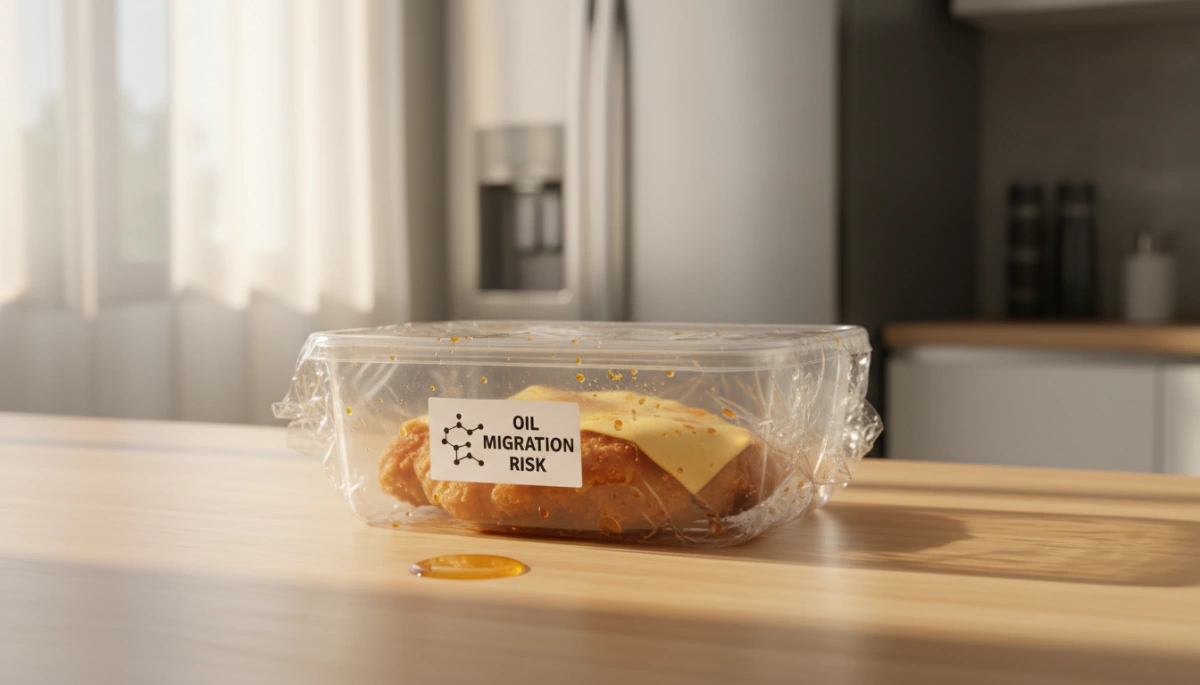
Have you ever peeled plastic wrap off a piece of cheese or a greasy slice of pizza and noticed the film looked pitted or slightly dissolved? That is visible evidence of interaction. In our industry, we define migration as the actual transfer of chemical substances—mainly plasticizers—from the packaging material directly into the food it touches. While we rely on these films for freshness, the reality is that they are not always inert barriers.
Why Oils Accelerate Chemical Leaching
The main driver here is the chemical nature of the additives used to make the film flexible. These substances are lipophilic, meaning they are chemically attracted to fats. Think of the oil in your food acting like a solvent. When cling film safety fatty foods are combined, the fats effectively “pull” these additives out of the plastic structure and into your meal. This is why chemical leaching plastic wrap is a significantly higher risk for a block of cheddar or roast beef than it is for a bowl of fresh vegetables.
Key Factors Influencing Migration Rates
It is not a random occurrence; specific variables dictate how much transfer actually happens. The intensity of plasticizer migration in cling film relies on four critical factors:
- Food Type: High-fat foods (oily sauces, meats, cheese) are the primary triggers. Low-fat or dry foods rarely cause significant migration.
- Temperature: Heat is a catalyst. Migration rates skyrocket when the film is heated (like in a microwave) or stored at room temperature compared to refrigeration.
- Contact Time: It is a cumulative process. The longer the fatty food remains in direct contact with the wrap, the higher the potential for leaching.
- Film Material: Not all wraps are built the same. Soft, PVC-based films generally contain more mobile additives than rigid or PE-based alternatives.
The Main Culprit: Plasticizers in Traditional PVC Cling Film
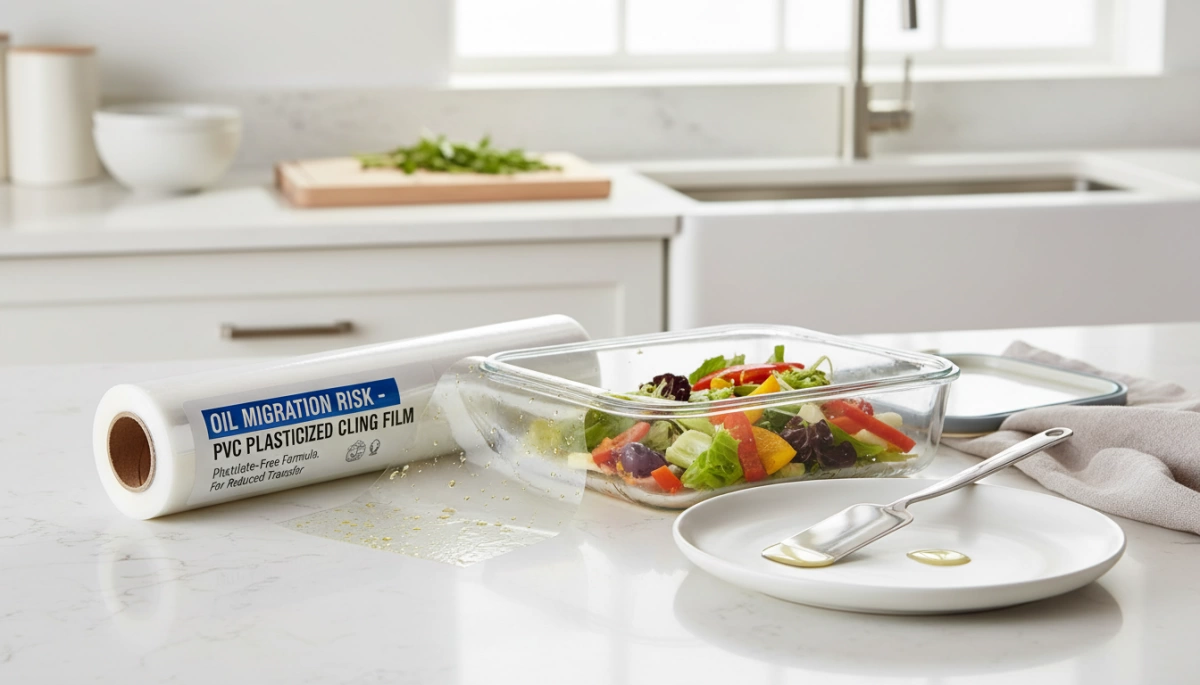
To understand why migration happens, we have to look at the chemistry of Polyvinyl Chloride (PVC). By itself, PVC is naturally rigid—think of the white pipes under your sink. To transform it into the thin, stretchy wrap we use in kitchens, manufacturers add additives known as plasticizers. These chemicals sit between the polymer chains, allowing them to slide past each other, giving the film its characteristic “cling.”
However, these plasticizers are not chemically bound to the PVC matrix; they are merely suspended within it. This loose bond is exactly what leads to plasticizer migration in cling film. When the film comes into contact with fats, the plasticizers can easily leach out.
Common plasticizers found in PVC wraps include:
- DEHA (Di(2-ethylhexyl) adipate): The most widely used plasticizer in food wraps, often replacing older, more toxic phthalates.
- ESBO (Epoxidized Soybean Oil): Often used as a stabilizer and co-plasticizer.
- Phthalates (like DEHP): While regulations have significantly reduced their use in food contact materials due to health concerns, they remain a historical benchmark for migration risks.
The real issue arises when chemical leaching plastic wrap meets fatty foods. Lipophilic (fat-loving) substances like cheese, meats, and oily sauces act almost like a magnet for these chemicals. The oils in the food effectively dissolve the plasticizers on the surface of the film, pulling them out of the plastic and into your meal.
Scientific studies consistently highlight this risk. In laboratory settings, researchers use olive oil as a food simulant to test for DEHA migration PVC wrap. Results frequently show that migration rates skyrocket when the film is in direct contact with oil, especially at higher temperatures. This is a crucial factor for businesses looking for [commercial kitchen cling film rolls wholesale], as understanding the material composition is key to ensuring food safety compliance. While we know [how preservative films extend shelf life] by sealing out air and moisture, this benefit must be balanced against the potential for chemical transfer into high-fat products.
Health Risks Linked to Plasticizer Migration
When plasticizers migrate from the wrap into your food, the concern goes beyond flavor transfer. The primary issue with chemical leaching plastic wrap revolves around the biological impact of substances like DEHA and phthalates. These compounds are frequently identified as endocrine disruptors in cling film, meaning they have the potential to interfere with the body’s hormonal systems. While regulatory agencies establish Tolerable Daily Intakes (TDI) to manage these risks, studies continue to investigate links to reproductive health issues and developmental concerns.
Who is Most Vulnerable?
Not everyone faces the same level of risk. The impact is generally higher for:
- Children: Their developing bodies are more susceptible to hormonal imbalances.
- High-Frequency Users: People who regularly consume fatty foods (like cheese or deli meats) stored in PVC cling film for extended periods.
- Heated Food Consumers: Microwaving food in standard PVC wrap drastically accelerates chemical migration.
While a single sandwich wrapped in film isn’t cause for panic, we need to look at the bigger picture. Many individual uses fall within legal safety limits, but cumulative exposure—the sum of small amounts over time—is where the real concern lies. Because of this, industry standards are shifting, with stricter cling film requirements for supermarket chains being implemented to minimize PVC cling film health risks before products even reach your kitchen.
When Is the Risk Highest? Practical Scenarios
Understanding oil migration risk in cling film isn’t just about the material; it is heavily dependent on how you use it. The interaction between the plastic and your food varies wildly based on fat content, temperature, and time. Not every wrapped item poses a threat, but knowing the difference is key to reducing exposure to chemical leaching plastic wrap.
High-Risk Foods: The Fatty Magnets
The primary rule of thumb is simple: fat attracts plasticizers. Lipophilic substances in PVC wraps are drawn to the lipids in your food. Consequently, cling film safety fatty foods becomes a major concern when wrapping items rich in oils or animal fats.
- Dairy: Blocks of cheese and butter are prime candidates for migration because they are high in fat and often stored for long periods.
- Meats: Deli meats, salami, and fatty cuts of steak or pork allow for easier transfer of additives compared to lean proteins.
- Oily Leftovers: Pizza, pasta with cream sauce, or fried foods present a significant surface area of oil for the film to interact with.
Risk Amplifiers: Heat and Time
Even with fatty foods, the rate of plasticizer migration in cling film is not instant. Specific conditions can accelerate the process, turning a minor issue into a significant exposure risk.
- Heat Exposure: Temperature is the biggest catalyst. Microwaving food with the wrap touching the surface creates a “hot spot” where migration skyrockets. Even leaving wrapped food in a warm room increases the molecular movement.
- Direct Contact: Migration requires physical touch. If the wrap is used as a lid over a bowl without touching the soup, the risk is minimal. The danger lies in the film clinging directly to the oily surface.
- Storage Duration: Migration is cumulative. Storing a fatty roast in PVC wrap for a week allows significantly more chemical transfer than wrapping a sandwich for an hour.
Low-Risk Scenarios and Better Choices
If you are wrapping half a watermelon, a bowl of salad greens, or dry bread, the risk is negligible because these foods lack the fat required to pull out the plasticizers. However, for those high-risk oily items, simply changing your storage method is the safest bet. Learning what is the healthiest container to store food in can guide you toward glass or silicone alternatives that completely eliminate the worry of chemical migration during long-term storage or reheating.
Regulations and Safety Standards for Food Contact Materials
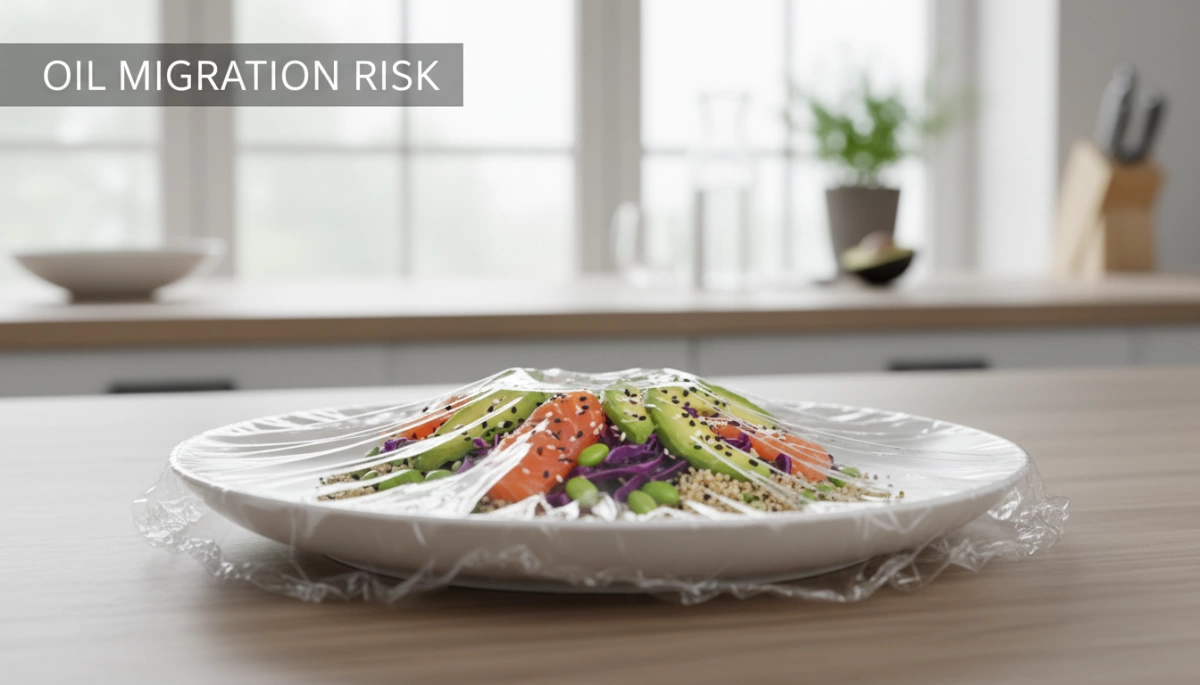
When it comes to food safety, we rely on strict regulatory frameworks to keep harmful chemicals out of our meals. In the United States, the FDA (Food and Drug Administration) governs food contact substances, ensuring that materials like PVC and PE meet safety criteria before reaching the market. However, the global benchmark often references the European Union’s Regulation (EU) No 10/2011, which establishes rigorous migration limits cling film regulations must follow. These standards define a Specific Migration Limit (SML) for substances like DEHA, capping the maximum amount of plasticizer allowed to migrate into food to ensure it remains below toxicological concern.
How Safety is Tested: The Science of Simulants
You might wonder how regulators determine if a wrap is safe for that slice of pizza. Labs don’t usually test on actual food because it varies too much. Instead, they use food simulants that mimic the chemical properties of different food types.
- Fatty Food Simulants: To test for oil migration risk, scientists use an overall migration olive oil simulant (or substitutes like isooctane or ethanol). This mimics the aggressive nature of fats attacking the plastic matrix.
- Testing Conditions: The film is exposed to these simulants at specific temperatures and durations (e.g., 10 days at 40°C) to simulate worst-case storage scenarios.
- Overall vs. Specific Migration: Tests measure both the total amount of material transferring to food (Overall Migration) and the levels of individual hazardous substances (Specific Migration).
The Importance of “Food-Grade” Labeling
Compliance isn’t just paperwork; it’s about consumer safety. Not all plastic films are engineered for direct food contact, especially with high-fat items. It is crucial to verify that the packaging explicitly states it is “food-grade” and checks for specific usage symbols (like microwave safe or freezer safe). Partnering with a compliant cling film manufacturer for food storage guarantees that the product has passed these critical migration tests and meets the necessary legal standards for health and safety. Always read the manufacturer’s instructions—if a wrap isn’t labeled for high-fat or microwave use, it likely hasn’t been tested for those high-risk conditions.
Safer Alternatives: Moving Beyond Traditional PVC
If you are concerned about chemical leaching, switching materials is the most effective way to eliminate oil migration risk in cling film. The industry is rapidly shifting toward materials that don’t require the aggressive plasticizers found in traditional PVC.
PE Cling Film vs PVC
The most common alternative is Polyethylene (PE) cling film. Unlike PVC, PE is naturally flexible and does not require phthalates or adipates (like DEHA) to function.
- Lower Migration: Because there are no added plasticizers to leach out, the risk of chemical transfer into fatty foods like cheese or meat is drastically reduced.
- Safety Profile: PE is generally considered a cleaner plastic for direct food contact, making it a staple in modern kitchens.
Eco-Friendly and Biodegradable Options
For those prioritizing sustainability alongside health, eco-friendly cling film low migration options are gaining traction. These are often plant-based or compostable, offering a dual benefit:
- Minimal Leaching: Many bio-based films are designed to be chemically inert regarding food fats.
- Environmental Impact: They break down naturally, reducing plastic waste.
Artfullife® Solutions
At Artfullife®, we supply biodegradable, recyclable, and reusable products designed specifically for safety and compliance. We understand that food safety goes beyond just wrapping; it’s about the entire storage ecosystem. For high-risk fatty foods, moving away from single-use films to durable containers is often the best choice. Our reusable silicone food pouches offer a completely plasticizer-free environment, ensuring that your oily leftovers and marinated meats are stored without any chemical migration risks. We are committed to providing safe cling film alternatives that meet rigorous global standards for both health and sustainability.
Tips for Safer Food Storage with Cling Film
Minimizing Oil Migration Risk in Cling Film starts with how you use it in your kitchen. While switching to safer materials is the first step, adopting smart habits can significantly reduce your exposure to chemical leaching, especially with fatty foods.
Select the Correct Material
Not all wraps are created equal. For general home use, look for PE (Polyethylene) or PVDC films rather than traditional PVC. These materials generally have lower migration potential. If you are unsure about the material, check the box for “PVC-free” or “Plasticizer-free” labels to ensure you are using safe cling film alternatives.
Smart Usage Habits
To keep your food safe, follow these practical rules:
- Cool Before Covering: Never wrap hot food immediately. Heat drastically accelerates the migration of additives. Let leftovers reach room temperature first.
- Avoid Direct Contact: Leave a gap between the food surface and the film. For bowls, stretch the film tight over the rim so it acts as a lid rather than a skin.
- Use Barriers: For high-fat items like cheese or deli meats, wrap them in parchment paper or wax paper before adding a layer of plastic wrap.
- Switch to Alternatives: For items prone to high chemical absorption, skip the wrap entirely. High-quality reusable silicone bags for household use provide a durable, chemical-free barrier that eliminates migration risks while keeping food fresh.
Quick Reference: Storage Do’s and Don’ts
| Food Type | Risk Level | Recommended Action |
|---|---|---|
| Cheese & Butter | High | Avoid direct contact. Use wax paper or glass containers. |
| Roast Chicken/Meats | High | Remove store packaging. Store in rigid containers. |
| Vegetables/Fruits | Low | Safe for direct wrapping (wash before eating). |
| Microwaving | High | Do not let film touch food. Use a microwave-safe cover instead. |
By following these plastic wrap food safety guidelines, you can significantly reduce the likelihood of ingesting unwanted chemicals while preserving the quality of your meals.
Frequently Asked Questions About Cling Film Safety
You’ve got questions, and considering the chemistry involved with food storage, it is smart to be cautious. Here is the lowdown on the most common concerns regarding plasticizer migration in cling film and how to handle them in your kitchen.
Can you microwave fatty foods covered in cling film?
Generally, you should avoid this. While many wraps are labeled “microwave safe,” that safety rating often assumes the plastic does not touch the food. When you microwave fatty items like lasagna, gravy, or buttery vegetables, the high heat causes the fats to reach temperatures that can melt the film or accelerate chemical leaching plastic wrap.
- The Rule: Leave at least an inch of space between the food and the wrap.
- Better Option: Use a glass lid or a paper towel to prevent splatters without the risk of food contact plasticizers oils migrating into your meal.
How can I tell if my cling film contains PVC or plasticizers?
The easiest way is to check the box. Manufacturers are required to list materials, so look for terms like “LDPE” (Low-Density Polyethylene) or “PVC-free.” PE cling film vs PVC is easy to spot physically, too; PVC is incredibly stretchy and clings tightly to itself, whereas PE (polyethylene) is slightly less sticky and easier to handle. Understanding the properties of common materials for food storage bags and wraps is the first step in keeping your kitchen plastic-free.
Is it safe to wrap cheese directly in plastic wrap?
Plastic wrap food safety cheese storage is a major concern because cheese is high in fat and is often stored for long periods. The lipophilic (fat-loving) nature of cheese makes it a magnet for DEHA migration PVC wrap.
- Short term: A day or two is usually fine.
- Long term: Remove the store wrap. Re-wrap the cheese in wax paper or parchment paper, then place it in a bag or one of our eco-friendly stainless steel food containers to stop plasticizers from leaching into the outer layer of the cheese.
What are the signs of chemical migration in food?
Here is the tricky part: usually, there are none. You cannot see, smell, or taste plasticizer migration in cling film unless the contamination is severe enough to leave a “plastic” taste. In a lab, scientists use an overall migration olive oil simulant to detect these invisible shifts, but at home, you are flying blind. This is why using the right material—like phthalate-free food wrap—is safer than relying on your senses to detect contamination.