
















Are you tired of food going stale or spoiling too quickly? Airtight packaging for food is the game-changer you need to keep your ingredients fresh, flavorful, and safe. As a home cook or small business owner, I understand the frustration of wasted food and the importance of reliable storage solutions. That’s why I’ve created this ultimate guide to help you master food preservation with airtight food packaging. From choosing the right food storage containers to unlocking the benefits of vacuum-sealed packaging, this post has you covered with practical tips and expert insights. Let’s dive in and discover how to keep your food fresher for longer!
What Is Airtight Packaging for Food
Airtight packaging is a type of food storage packaging designed to completely seal food products from the outside environment. The goal is to create a barrier that blocks air, moisture, and contaminants from entering the package. This helps keep food fresh longer and preserves its quality.
How Airtight Packaging Works
The basic principle behind airtight packaging is preventing exposure to oxygen, which is the main factor that causes food spoilage through oxidation and the growth of microbes like bacteria and mold. By creating an environment where air cannot get in or escape, airtight packaging helps maintain the original flavor, texture, and nutrients of the food.
Here’s how it works:
- Seals out oxygen: Using strong sealing materials and technologies like vacuum sealing or heat sealing, airtight packaging removes or blocks air.
- Blocks moisture: Moisture promotes mold and bacterial growth, so preventing it keeps food dry and safe.
- Protects from contaminants: Dust, pests, and odors are kept away, reducing contamination risks.
- Controls gas exchange: Some packaging options include oxygen absorbers that further reduce oxidation.
In short, airtight packaging acts like a protective shield around your food, extending freshness and preventing early spoilage. Whether you’re storing dry goods, fresh produce, or meats, the right airtight packaging is key to preserving food quality and safety.
Benefits of Airtight Packaging for Food Storage
Using airtight packaging for food comes with several clear advantages that make it a smart choice for both households and food businesses in the U.S. Here’s why airtight food storage containers are a must-have:
Extends Shelf Life and Preserves Quality
One of the biggest benefits of airtight packaging is its ability to extend the shelf life of your food. By sealing out air, moisture, and contaminants, these containers help keep food fresh longer. This means:
- Preserved flavor, texture, and nutrients, so your food tastes as good as when you first bought or prepared it.
- Dry goods like nuts, cereals, and coffee stay crisp without going stale.
- Perishable items like fruits, vegetables, dairy, and meat maintain their quality without premature spoilage.
Prevents Oxidation and Microbial Growth
Oxidation is a key cause of food spoilage, leading to rancidity and off-flavors. Airtight packaging reduces oxygen exposure, which:
- Slows down oxidation, keeping oils and fats fresher.
- Limits the growth of bacteria, mold, and yeast by reducing moisture and air contact.
- Keeps vacuum-sealed food packaging especially effective for meats and seafood, reducing harmful microbial risks.
Reduces Food Waste and Saves Money
By preserving food longer, airtight packaging helps you use what you buy without throwing out spoiled items. This means:
- Less food wasted, which saves money over time.
- Better portion control – store leftovers safely and reheat only what you need.
- Efficient storage that keeps your pantry and fridge organized, preventing duplicates and forgotten items.
Enhances Food Safety and Hygiene Compliance
Whether you’re storing food at home or in a commercial setting, airtight packaging helps maintain hygiene by:
- Protecting food from external contaminants like dust, insects, and bacteria.
- Meeting food safety standards and hygiene regulations for safe storage.
- Using food-grade airtight packaging materials ensures no harmful chemicals leach into your food.
Choosing the right airtight food containers means you’re investing in quality food preservation, safety, and savings—a combination that benefits everyone who eats in your household or serves customers in your business.
Types and Materials of Airtight Packaging for Food
When it comes to airtight packaging for food, choosing the right material is key to keeping your food fresh and safe. There are several common materials used, each with its strengths and weaknesses depending on your food storage needs.
Common Materials Used in Airtight Food Packaging
-
Plastic (PET and HDPE)
Polyethylene terephthalate (PET) and high-density polyethylene (HDPE) are two popular plastics for airtight containers.
- Pros: Lightweight, affordable, transparent (PET), resistant to moisture (HDPE), and widely recyclable.
- Cons: Some types may absorb odors or stains; not fully eco-friendly unless recycled.
- Best for: Dry, snacks, leftovers, and pantry staples.
-
Glass
Glass containers provide excellent airtight sealing and do not interact with food flavors.
- Pros: Non-toxic, easy to clean, reusable, retains food taste and quality well.
- Cons: Heavier and breakable, less convenient for on-the-go use.
- Best for: Jams, sauces, liquids, and long-term storage of perishables.
-
Aluminum Foil
Used mostly for wraps and pouches, aluminum foil offers a strong barrier to air and light.
- Pros: Excellent oxygen barrier, lightweight, reusable in some cases.
- Cons: Can be prone to tearing, less resealable compared to other options.
- Best for: Wrapping sandwiches, baked goods, and snacks.
-
Vacuum-Sealable Bags
These are specially designed bags that allow air to be removed before sealing, providing top-notch airtight conditions.
- Pros: Significantly extends shelf life, prevents freezer burn, clear for easy food identification.
- Cons: Usually single-use unless reusable vacuum bags, require a vacuum sealer device.
- Best for: Meats, vegetables, cheese, and bulk food storage.
Suitable Packaging Forms for Airtight Food Storage
-
Vacuum Bags
Ideal for deep freezing and bulk storage, vacuum bags remove excess air and protect food from moisture and contaminants.
-
Jars
Often made from glass or sometimes plastic, jars offer rigid protection and a solid seal. Perfect for liquids, preserves, and fermented foods.
-
Pouches
Flexible and lightweight, pouches can be made from multi-layer plastics or foil laminates. They are good for snacks, single servings, or dry foods.
-
Wraps
Including aluminum foil and plastic wraps, these are great for short-term airtight storage and covering leftovers.
Choosing the right material and packaging type will depend on the food type, how long you want to store it, and your storage conditions like temperature and humidity. For everyday use in American kitchens, a mix of vacuum-sealable bags for meats and glass jars for pantry staples tends to work best for keeping food fresh longer while staying eco-conscious.
How to Choose the Right Airtight Packaging for Your Food
Choosing the right airtight packaging is essential to keep your food fresh, safe, and properly stored. Here are the main factors to consider when selecting airtight food packaging:
Consider the Type of Food and Storage Needs
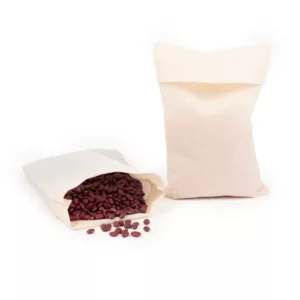
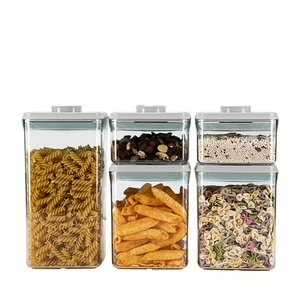
- Dry foods like grains, nuts, and snacks do well in airtight plastic containers or vacuum-sealed bags that keep moisture out.
- Liquids require leak-proof containers, such as glass jars or high-quality PET bottles, to avoid spills and maintain freshness.
- Perishables like fresh meat, fish, and vegetables benefit from vacuum sealing or specialized pouches that reduce oxygen exposure and inhibit bacterial growth.
Match Packaging Material to Food Type
Each material has strengths depending on your food storage:
- Plastic (PET, HDPE) is lightweight, affordable, and perfect for most dry and semi-moist foods.
- Glass is non-reactive and great for acidic foods and liquids, offering an airtight seal without chemical leaching.
- Aluminum foil works well for wrapping but often needs additional sealing to ensure airtightness.
- Vacuum-sealable bags are ideal for long-term preservation and freezing.
Choose packaging that suits not just your food but also your storage environment—whether that’s the fridge, freezer, pantry, or countertop.
Consider Storage Duration and Temperature
- For short-term storage, reusable zip-lock or snap-seal containers with airtight features might be enough.
- For long-term storage, vacuum sealing or heat-sealed pouches are better to lock in freshness and minimize spoilage.
- Packaging should also align with temperature conditions—some plastics degrade in the freezer or with hot liquids, so use containers rated for your storage temperature.
Size and Sealing Technology Matter
- Pick a size that fits your typical portion to minimize air space inside the container—less air means fresher food.
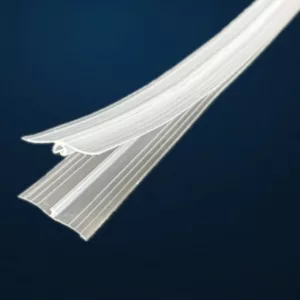
- Look for advanced sealing options like double zippers, heat sealing, or vacuum capability—these seals offer stronger protection against air and moisture.
- Convenience is key too: airtight containers with easy-open lids or resealable bags save time, reduce spillage, and improve usability in everyday kitchen life.
of Key Points
- Food type: Dry, liquid, or perishable — pick packaging suited for each.
- Material: Plastic, glass, foil, vacuum bags — choose based on durability, safety, and food interaction.
- Storage needs: Duration and temperature impact the choice of container and seal type.
- Size and sealing: Properly sized containers with reliable sealing tech keep food freshest longer.
Choosing the right airtight packaging isn’t one-size-fits-all, but by matching these factors to your food and storage habits, you can maximize freshness, safety, and convenience every time.
Best Practices for Using Airtight Packaging for Food Storage
Using airtight packaging correctly is key to keeping your food fresh longer and avoiding waste. Here’s how to get the most out of your vacuum-sealed food packaging, zip-lock bags, and airtight containers.
Proper Sealing Techniques for Airtight Food Packaging
- Vacuum Sealing: Remove as much air as possible before sealing. Use a quality vacuum sealer that creates a tight, consistent seal. It’s great for meats, cheeses, and bulk dry goods.
- Zip-Lock Bags: Press out excess air manually before zipping up. For best results, use bags designed for food storage with a double seal line.
- Heat Sealing: Works well with bags and pouches made from heat-sealable materials like foil or polyethylene. Use a heat sealer to avoid leaks and keep oxygen out, which prevents oxidation spoilage.
Maximizing Freshness for Different Foods
- Fruits and Vegetables: Store pre-washed and dried produce in reusable airtight food bags or containers to reduce moisture buildup that causes mold. Use vented containers if storing fresh greens to avoid sogginess.
- Meat and Seafood: Vacuum seal or tightly wrap in airtight plastic to prevent freezer burn and spoilage. Keep these at consistent cold temperatures.
- Snacks and Dry Goods: Use airtight plastic food containers or pouches to keep out moisture and pests. This preserves texture and flavor longer.
Cleaning and Reusability Tips for Airtight Containers
- Clean Promptly: Wash containers right after use with warm, soapy water to prevent odors and bacteria buildup. Avoid harsh chemicals that can damage food-grade materials.
- Check Seals Regularly: Inspect gaskets or seals for cracks or wear that might reduce airtightness. Replace parts if needed to maintain food safety.
- Reuse Smartly: Food-grade airtight packaging can be reused many times if cleaned well. Rotate between containers to avoid cross-contamination and keep everything fresh.
By following these best practices for airtight packaging, you can confidently keep your food fresh, safe, and ready to enjoy longer—cutting down on food waste and saving money along the way.
Airtight Packaging Trends and Innovations
Sustainable and Eco-Friendly Airtight Packaging Options
Today’s market demands more than just effective food storage—it demands eco-friendly airtight packaging. Many consumers here in the U.S. want solutions that reduce plastic waste without compromising freshness. That’s why there’s a growing shift toward:
- Biodegradable and compostable materials that break down naturally.
- Recyclable plastics and reusable containers designed for multiple uses.
- Minimalist packaging that uses less material but still seals airtight.
Using these sustainable options helps reduce landfill impact while keeping your food fresh longer, making it a win-win for families and the planet.
Smart Airtight Packaging Features
Technology is making airtight packaging smarter than ever. Features like oxygen absorbers and freshness indicators are becoming common in packaging to give you more control and confidence over your food quality.
- Oxygen absorbers remove leftover air inside packages, cutting down oxidation and spoilage.
- Freshness indicators provide a simple visual cue on whether food is still good.
- These innovations help prevent food waste by letting you monitor freshness without opening packages.
Smart packaging is especially handy for busy households and small businesses aiming for better food preservation and safety.
Artfullife’s Commitment to Innovative Airtight Packaging
At Artfullife, we’re proud to lead in providing food-grade airtight packaging that meets modern needs. Our approach blends food safety, sustainability, and innovation:
- We offer a range of eco-friendly and high-quality airtight food containers, bags, and wraps.
- Our packaging incorporates advanced sealing technologies and can include smart features like freshness indicators.
- We focus on environmentally responsible materials that align with US customer expectations and regulations.
- Plus, our products come with quality assurance certifications to ensure safe food storage.
Choosing Artfullife means you’re investing in airtight packaging that not only keeps your food fresh longer but also supports a healthier planet.
Where to Buy High Quality Airtight Packaging for Food Why Choose Artfullife
When looking for reliable airtight packaging for food, it’s important to work with suppliers who understand both food safety and packaging needs. Artfullife stands out as a trusted food-grade airtight packaging supplier servicing supermarkets and food businesses across the United States.
Artfullife’s Product Range
Artfullife offers a wide variety of airtight food packaging, including:
- Vacuum-sealable bags ideal for extending shelf life
- Reusable airtight food containers made from food-safe plastics like PET and HDPE
- Glass jars and aluminum foil wraps for specialty food storage
- Eco-friendly packaging options for sustainable food preservation
Every product is designed to keep your food fresh longer by protecting against air, moisture, and contaminants.
Quality and Certifications You Can Trust
Quality assurance is non-negotiable when it comes to food packaging. Artfullife’s products meet strict food-grade certifications ensuring materials are safe for direct contact with food. Their packaging also complies with hygiene and safety standards, which is essential for both commercial and home use.
Customers consistently praise Artfullife for:
- Durable, airtight sealing performance
- Packaging that doesn’t affect food taste or texture
- Excellent customer service and reliable delivery
Local Availability and Customized Solutions
Artfullife understands local market needs across the U.S., offering quick delivery and stocked inventory for popular airtight containers and bags. They also provide custom packaging solutions to match your exact food storage requirements, including size, sealing technology, and material preference.
Whether you need packaging for dry goods, perishables, or liquids, they can help you find the right airtight packaging that fits your food safety and storage goals.
Choosing Artfullife means investing in high-quality, food-safe airtight packaging that keeps your products fresh, safe, and ready for market — all with local service and expert support tailored to you.