
















Are you wondering are Ziploc plastic bags safe for food storage? You’re not alone. Millions of people rely on Ziploc bags every day to keep their food fresh, but with increasing awareness about plastics and chemicals, questions about safety have grown louder. Are these bags truly free from harmful substances like BPA or phthalates? Can they withstand freezer or microwave use without risking contamination?
In this post, we’ll break down exactly what Ziploc bags are made of, how they meet safety standards, and what the latest research says about their chemical safety. Plus, if you’re considering alternatives, you’ll discover why PE plastic food storage bags from trusted manufacturers like Artfullife could be a smarter, safer choice for your kitchen or business.
Let’s get into the facts behind these popular food safe plastic bags so you can feel confident about the containers you use every day.
What Are Ziploc Bags Made Of Food Safe Plastic Materials Explained
When wondering are Ziploc plastic bags safe for food storage, it’s important to start by knowing what they are made of. Ziploc bags are primarily made from polyethylene (PE) plastics, specifically low-density polyethylene (LDPE) and sometimes linear low-density polyethylene (LLDPE). These materials are widely used in the food industry because they provide good flexibility, durability, and moisture resistance—key for keeping your food fresh.
Common Materials and Additives in Ziploc Bags
- Polyethylene Base: This plastic is favored for being non-toxic and food grade. It acts as a strong barrier against moisture and air.
- Plasticizers: Some Ziploc bags may contain small amounts of plasticizers or slip agents, which improve the bag’s flexibility and make it easier to seal. These additives are generally tested to be safe for food contact.
- Colorants and Stabilizers: Occasionally, small quantities of colorants or UV stabilizers can be used to maintain quality and prevent degradation during storage.
Safety Regarding BPA Phthalates and Other Chemicals
A big concern for many is whether Ziploc bags contain harmful chemicals like BPA (Bisphenol A) or phthalates. Here’s what you need to know:
- Ziploc bags do not contain BPA. BPA is commonly associated with hard plastics and epoxy resins, but Ziploc polyethylene bags are BPA-free.
- Phthalates are generally not used in the manufacturing of these food-grade polyethylene bags. These chemicals tend to be in softer PVC plastics rather than PE.
- The materials and additives used in Ziploc bags are FDA approved for food contact, meaning they have undergone strict testing to ensure they do not leach harmful substances into your food.
In , Ziploc bags are made from food-safe polyethylene plastics combined with safe additives to enhance their usability. They do not contain BPA or phthalates, making them a widely trusted option for everyday food storage needs.
Safety Standards and Food Grade Certifications for Ziploc Food Storage Bags
When it comes to food safe plastic bags like Ziploc, safety standards and certifications are critical. Ziploc bags meet strict FDA regulations, which means they are approved for direct contact with food. The FDA (Food and Drug Administration) sets clear rules to ensure plastics don’t release harmful chemicals into your food under normal use conditions. This approval ensures the materials used are safe for storing everything from sandwiches to leftovers.
Beyond the FDA, Ziploc and similar brands often comply with global food safety standards, such as those from the European Food Safety Authority (EFSA). These worldwide certifications guarantee consistency in safety and quality, making sure the bags are free from contaminants that could affect your health.
Understanding Food Grade vs Non Food Grade Plastics
Not all plastic bags are created equal. The key difference is whether a bag is food grade or non food grade:
- Food grade plastics are manufactured with materials tested and approved for food contact. They don’t contain harmful additives like BPA, phthalates, or heavy metals and won’t leach toxins into your food.
- Non food grade plastics might contain cheaper fillers or chemicals that can migrate into food, especially when exposed to heat or acidic items.
Ziploc bags are designed as food grade polyethylene (PE) plastics, which are among the safest and most commonly used plastics for food storage. This ensures your food stays safe without chemical contamination.
Key Takeaways
- FDA approval confirms Ziploc bags meet U.S. food safety laws.
- They follow international food safety standards, adding extra layers of safety.
- Made from food safe polyethylene plastics, free from BPA and phthalates.
- Avoid using non food safe plastic bags to reduce risk of contamination.
Choosing FDA approved food storage bags like Ziploc gives you peace of mind that your food is stored safely every day.
Chemical Safety Concerns About Ziploc Plastic Bags
When it comes to Ziploc bag chemical safety, many people worry about harmful substances like BPA, phthalates, and microplastics. These concerns often stem from confusion about what these bags are made of and how they behave under different conditions.
Common Fears and Facts About BPA Phthalates and Microplastics
BPA (Bisphenol A) and phthalates are chemicals sometimes found in plastics to increase flexibility or durability. However, Ziploc bags are made from polyethylene, which does not contain BPA or phthalates. This makes them a safer choice compared to some other plastic types.
Microplastics, tiny plastic particles that can contaminate food, are a growing concern in environmental discussions. However, microplastic contamination typically comes from plastic debris breaking down in the environment and is not an expected risk when using new, food-grade polyethylene bags like Ziploc.
Scientific Consensus on Polyethylene Food Safe Bags
Numerous studies and regulatory bodies, including the FDA, classify polyethylene bags as food safe plastics. These bags pass strict tests for chemical migration, meaning they do not leach harmful chemicals into your food under normal use.
However, the possibility of chemical leaching can increase under extreme conditions. Let’s break down what that means practically:
- Freezing: Polyethylene bags perform well in freezing temperatures with minimal risk of chemical release.
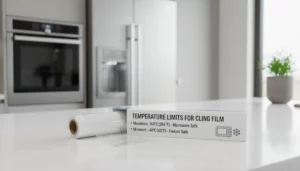
- Microwaving: Heating plastic can increase leaching risk. Ziploc bags are generally not recommended for direct microwaving unless specified. The heat can cause small amounts of chemicals to migrate into food, especially with high-fat or acidic foods.
- Hot foods: Avoid storing very hot foods directly in the bags—let food cool first to reduce any risk.
Safe Usage Tips for Ziploc Food Storage Bags
To keep using your bags safely and effectively, follow these simple tips:
- Avoid microwaving in Ziploc bags unless labeled microwave-safe.
- Cool hot foods before placing them in the bags to prevent heat-triggered leaching.
- Do not store highly acidic or oily foods for long periods, as these can sometimes increase chemical migration.
- Freeze with confidence, knowing polyethylene bags are designed to handle low temperatures safely.
For more details about food-grade plastic bags and safe storage tips, check out this guide on food grade plastic bags.
when used correctly, Ziploc bags made from polyethylene are safe for everyday food storage without the risks many people fear.
Environmental and Health Impact of Ziploc Plastic Bags
Environmental Considerations of Single Use Plastic Waste
Ziploc bags are commonly single-use plastic items, and like many disposable plastics, they contribute to environmental concerns. Most Ziploc bags are made from polyethylene, which does not biodegrade easily. When improperly disposed of, these bags can end up in landfills or waterways, increasing plastic pollution and harming wildlife.
Key points to consider:
- Single-use plastics add to landfill volume.
- Plastic waste can take hundreds of years to break down.
- Recycling options for Ziploc bags can be limited because they are thin film plastics.
To reduce environmental impact, it’s best to reuse Ziploc bags when possible and explore local recycling programs that accept plastic bags, such as special drop-off sites often found at grocery stores.
Health Impact From Prolonged Use or Reuse
Regarding health, reusing Ziploc bags repeatedly — especially for storing acidic or oily foods — can increase the risk of plastic wear and potential contamination. While Ziploc bags are made from FDA-approved food safe plastics and are BPA-free, repeated stress like washing or microwaving can cause tiny cracks or leach trace amounts of plasticizers.
Health tips:
- Avoid heating Ziploc bags in the microwave unless the packaging specifically allows it.
- Don’t reuse bags that have been torn, stretched, or heavily stained.
- Use fresh bags for raw meats and seafood to prevent cross-contamination.
Responsible Disposal and Recycling Recommendations
To minimize both environmental and health risks, here are practical guidelines for disposing of or recycling plastic storage bags:
- Recycle whenever possible: Many curbside programs don’t accept plastic bags, but you can take clean, dry Ziploc bags to grocery stores or recycling centers with plastic bag collection bins.
- Clean before recycling: Make sure bags are free of food residues.
- Consider alternatives: For frequent use, switch to reusable food storage bags made from silicone or thicker, eco-friendly plastics to reduce waste.
- Proper trash disposal: If no recycling options are available, dispose of bags in your regular trash to prevent littering.
Being mindful about how you use and dispose of Ziploc bags helps reduce environmental harm and keeps your food storage safer over time.
Practical Usage Tips for Using Ziploc Bags Safely for Food Storage
When using Ziploc bags or any food safe plastic bags, following a few best practices ensures your food stays fresh and safe. Here’s what you need to know about handling, cleaning, and storing these bags for everyday use.
Best Practices for Storing Food in Ziploc Bags
-
Avoid Heating Ziploc Bags
Ziploc bags are great for cold and room temperature storage but should not be used for microwaving or cooking. Heating can cause chemical leaching or bag deformation. Instead, transfer food to microwave-safe containers when reheating.
-
Avoid Storing Acidic or Hot Foods
Acidic foods like tomatoes, vinegar, or citrus can sometimes react with plastics. It’s safer to store these in glass or specialized containers. Also, wait for hot foods to cool before placing them in Ziploc bags to prevent melting or potential chemical release.
-
Use for Freezing and Refrigerating
Ziploc bags are FDA approved for freezer use, which makes them great for freezing fruits, vegetables, and leftovers. When freezing, remove excess air to prevent freezer burn and ensure lasting freshness.
Cleaning and Reusing Ziploc Bags Safely
-
Single Use Is Recommended but Reuse Is Possible
Ziploc bags are designed mostly as single-use items. However, if you want to reuse them:
- Wash with warm soapy water immediately after use.
- Avoid using abrasive sponges that could damage the plastic.
- Let bags dry completely before storing or reusing.
-
Do Not Use Reused Bags for Raw Meat or Fish
To avoid cross-contamination, never reuse bags that previously stored raw proteins unless you’re doing thorough sanitation or prefer single-use for these items.
Storing and Handling Ziploc Bags for Quality and Safety
-
Store Bags in a Cool, Dry Place
Keep unopened and leftover bags away from heat, sunlight, and humidity to prevent deterioration.
-
Avoid Overfilling
Leave enough room for sealing bags properly to prevent leakage or contamination.
-
Label Contents and Dates
Writing on bags helps track freshness and reduces the chance of using spoiled food.
By following these tips, you can confidently use Ziploc bags for food storage while maintaining safety and quality. For those interested in highly durable and pure PE plastic food bags, brands like Artfullife offer alternatives that exceed these standards and provide eco-friendly options. You can learn more about safe and reusable food storage bags here and explore additional food bag safety tips at Safe Food Storage with PE Bags.
Comparing Ziploc with Artfullife PE Food Storage Bags for Food Storage Safety
When it comes to food safe plastic bags, Ziploc is a household name in the United States. But it’s worth taking a look at alternatives like Artfullife PE food storage bags, a trusted manufacturer based in China known for supplying high-quality polyethylene (PE) bags.
Artfullife Commitment to Quality and Food Grade Safety
Artfullife focuses heavily on material purity, thickness, and durability, ensuring their bags meet or even exceed global food safety standards. They follow stringent FDA-approved food grade plastic requirements and often align with international certifications, which is critical for customers concerned about chemical safety and food contamination risks.
By using high-purity PE materials, Artfullife bags avoid additives like BPA or phthalates, which many people worry about with typical plastic bags. Their careful manufacturing process means fewer worries about harmful chemical leaching when storing food or using the bags in the freezer or refrigerator.
Key Advantages of Artfullife PE Bags
- Material Purity: Made from high-quality PE plastic, free from BPA and common plasticizers.
- Durability: Thicker than many standard plastic bags, which reduces tearing and food exposure.
- Eco-Friendly Options: Some products include recycled materials or biodegradable options, helping reduce single-use plastic waste.
- Food Grade Certification: Complies fully with FDA and other international food safety standards.
- Versatility: Suitable for storing various foods without risk of chemical contamination.
How Artfullife Bags Meet or Exceed Safety Requirements
Artfullife’s PE bags are designed with U.S. consumer needs in mind, making them a reliable alternative to brands like Ziploc. Their food storage bag safety features mean you can trust these bags for everything from daily meal prep to longer freezer storage, with minimal risk of leaching or plastic degradation.
If you’re searching for reusable food storage bags that balance safety, durability, and environmental responsibility, Artfullife offers a strong option worth considering alongside traditional Ziploc bags.