
















B2B Food Cling Film Market Evolution in 2024
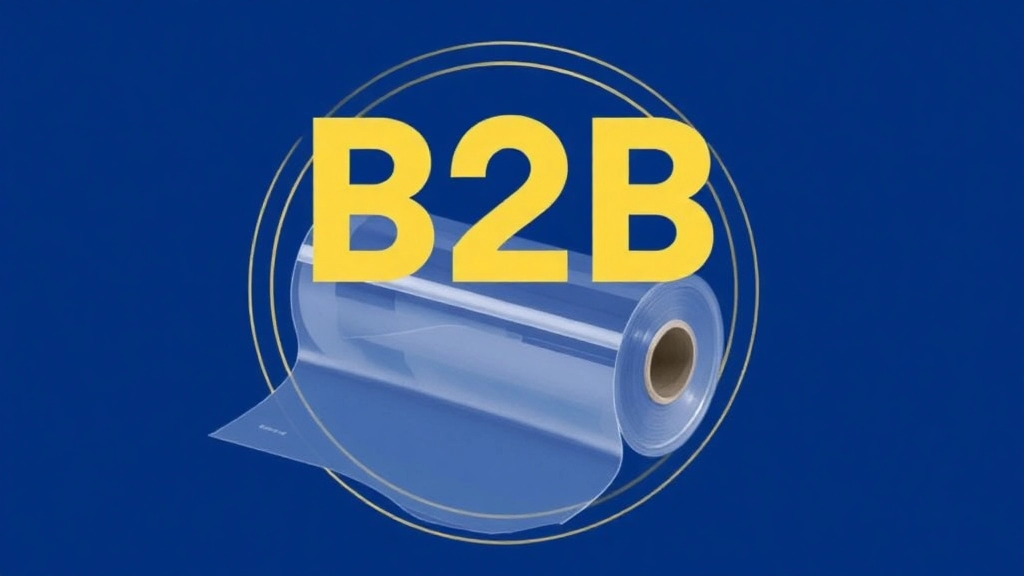
As the B2B food cling film market evolves in 2024, a comprehensive buying guide emerges for savvy buyers. This guide explores the latest advancements in cling film technology, focusing on sustainability, regulatory compliance, and performance metrics. Understanding these critical factors is essential for making informed purchasing decisions that align with industry standards and consumer expectations.
Material Selection
With the global shift towards enhanced packaging solutions, this guide delves into the nuances of material selection, from polyethylene to biodegradable options.
Key Compliance Regulations
- FDA 21 CFR 177.1520
- EU 10/2011
Performance Metrics
By highlighting key compliance regulations like FDA 21 CFR 177.1520 and EU 10/2011, as well as performance metrics such as Oxygen Transmission Rate (OTR) testing, buyers can navigate the complexities of the market and choose the best cling film options for their needs.
2024 Food Packaging Shift: Why Global Factories Upgrade Cling Film?
Introduction to the Global Shift
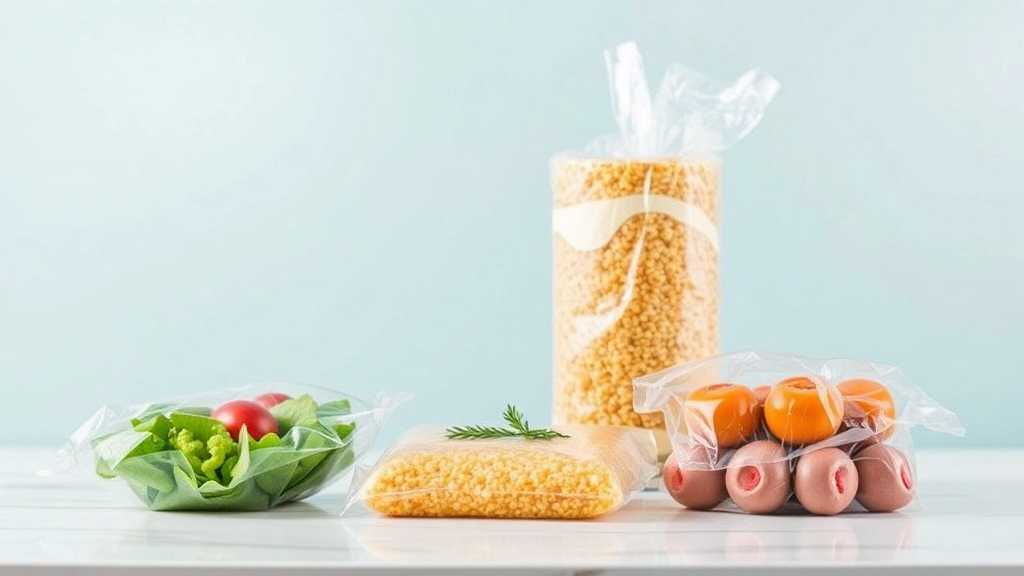
As we step into 2024, the landscape of B2B food cling film purchasing is undergoing a significant transformation. Global factories are increasingly upgrading their technologies and materials in response to stringent regulations, consumer demand for sustainability, and the need for advanced performance features. This shift is not merely cosmetic but essential for maintaining competitive advantage in the fast-evolving market.
Regulatory Compliance and Safety Standards
Adhering to international safety standards is a driving force behind the upgrade of food cling films. Factories are aligning with FDA 21 CFR 177.1520 compliance and EU 10/2011 food contact materials regulations to ensure the safety and legality of their products. The integration of microwave-safe film thickness and the latest norms for cold chain packaging standards further showcase a commitment to safety in food packaging.
Enhanced Material Performance
One of the key enhancements in the new generation of cling films is the superior material performance. Using the Polyethylene co-extrusion process, manufacturers are creating films with enhanced durability. These films undergo puncture resistance ASTM D1709 testing and demonstrate improved water vapor barrier performance. Moreover, the inclusion of antistatic cling film additives helps reduce static charge build-up, which can affect storage and handling of cling films.
Material Variety and Environmental Considerations
The shift also encompasses a deeper exploration into material alternatives. A comparative analysis of PE vs PVDC vs Biodegradable Films is typical among factories looking to reduce environmental impact. While PE films offer strength, PVDC provides superior barrier properties, and biodegradable options meet the increasing demand for eco-friendliness. Understanding these materials through Oxygen transmission rate (OTR) testing allows factories to make informed decisions based on their specific needs.
Process Optimization and Technological Advancements
Technological advancements play a pivotal role in the upgrade journey. Cutting-edge ISO 22000 packaging audits are becoming standard practice, driving improvements in the manufacturing process. Additionally, the development of compostable films and the integration of smart packaging sensors represent the future of cling film technology, signaling a paradigm shift towards more intelligent and sustainable packaging solutions.
| Feature | Old Technology | New Technology |
|---|---|---|
| Regulatory Compliance | FDA Basic Standards | FDA 21 CFR 177.1520 & EU 10/2011 |
| Material Testing | Basic Strength Tests | Puncture Resistance ASTM D1709 & OTR Testing |
| Environmental Impact | Conventional Materials | Biodegradable & Compostable Films |
| Advanced Features | N/A | Smart Sensors, Antistatic Additives |
Material Showdown: Lab-Tested PE vs PVDC vs Biodegradable Films
In the intricate world of B2B food cling film, choosing the right material is a crucial decision that can impact both compliance and performance. Each material—Polyethylene (PE), Polyvinylidene Chloride (PVDC), and Biodegradable Films—offers distinct characteristics that cater to diverse needs and applications.
Polyethylene (PE)
Polyethylene, commonly recognized for its versatility, is among the most popular choices in food packaging due to its durability and flexibility. The advancement of the Polyethylene co-extrusion process has enhanced its application, enabling customized film properties for specific uses. FDA 21 CFR 177.1520 compliance ensures its suitability for food contact, while its effectiveness can be determined through Oxygen transmission rate (OTR) testing. Additionally, factor in necessary additives such as antistatic cling film additives for specialized requirements in packaging.
Polyvinylidene Chloride (PVDC)
PVDC is renowned for its superior water vapor barrier performance, making it an excellent choice for preserving the freshness and shelf life of food products. Its puncture resistance, tested by ASTM D1709 standards, adds to its reliability in demanding packaging applications. However, compliance with EU 10/2011 food contact materials regulations is pivotal, ensuring safety and regulatory adherence across international markets.
Biodegradable Films
The industry’s push towards sustainability has put biodegradable films in the spotlight. These films offer an eco-friendly alternative without compromising functionality, provided that they meet performance needs such as microwave-safe film thickness and durability in cold chain packaging standards. Understanding the environmental impact and end-of-life disposition through ISO 22000 packaging audit can ensure that their implementation aligns with both ecological and business goals.
As B2B buyers navigate the ever-evolving landscape of food cling film, a detailed evaluation of each material’s attributes can lead to improved decision-making and enhanced product performance. Keeping abreast of lab-testing metrics and compliance standards will help in avoiding costly pitfalls while maximizing the benefits of each material.
FDA/EU Compliance Deep Dive: Avoid Costly Certification Mistakes
Understanding Compliance Requirements
In the B2B food packaging industry, compliance with FDA 21 CFR 177.1520 and EU 10/2011 food contact materials regulations is critical. These frameworks establish guidelines for material safety, ensuring that the films used do not release harmful contaminants into food products.
Common Regulatory Pitfalls
A frequent oversight in compliance is misunderstanding the required testing standards. For instance, products must pass Oxygen transmission rate (OTR) testing and demonstrate effective water vapor barrier performance to meet safety expectations in various environments. Moreover, failing to validate the puncture resistance ASTM D1709 can lead to discrepancies in material integrity claims.
Importance of Thorough Testing
Testing extends beyond basic compliance; it includes ensuring materials used in the Polyethylene co-extrusion process and films featuring antistatic cling film additives meet regulatory demands. Special attention must be given to testing parameters such as microwave-safe film thickness and adhering to cold chain packaging standards for refrigerated and frozen foods.
Compliance Data Overview
| Compliance Aspect | Standard/Test | Regulation Requirement |
|---|---|---|
| Material Safety | FDA 21 CFR 177.1520 | Approved Material Use |
| EU Food Contact | EU 10/2011 | Migration Limits |
| Oxygen Barrier | OTR Testing | Low Permeability |
| Puncture Resistance | ASTM D1709 | Material Durability |
| Overall Audit | ISO 22000 | Quality Management |
Strategic Implementation
A compliant product strategy involves partnering with suppliers who understand these regulatory landscapes thoroughly. By prioritizing certifications from reliable vendors, companies can mitigate the risk of non-compliance. Incorporating a proactive approach with an ISO 22000 packaging audit facilitates greater assurance in quality management practices.
6 Must-Verify Metrics for Bulk Buyers (Free Checklist)
1. Oxygen Transmission Rate (OTR) Testing
Ensuring the oxygen transmission rate is optimal is crucial for maintaining food freshness. OTR testing helps determine how well the cling film protects against oxygen exposure, which can lead to spoilage. This metric is essential for products sensitive to oxidation.
2. FDA 21 CFR 177.1520 Compliance
Compliance with FDA 21 CFR 177.1520 is non-negotiable for food safety. This regulation outlines the specifications for polyethylene used in food contact applications. Verifying this compliance ensures that the cling film is safe for direct contact with food products.
3. Polyethylene Co-Extrusion Process
The polyethylene co-extrusion process enhances the film’s strength and flexibility. Understanding this process allows buyers to assess the film’s durability and suitability for various packaging needs, including those requiring high puncture resistance as per ASTM D1709 standards.
4. Microwave-Safe Film Thickness
For products that require reheating, ensuring the film’s microwave-safe thickness is vital. This specification prevents melting or warping during microwave use, maintaining the integrity of the packaging and the safety of the food.
5. Cold Chain Packaging Standards
Adhering to cold chain packaging standards is essential for perishable goods. The film must maintain its properties under low temperatures to ensure product quality throughout the distribution process. This includes maintaining water vapor barrier performance to prevent moisture loss.
6. EU 10/2011 Food Contact Materials
For European markets, compliance with EU 10/2011 food contact materials is critical. This regulation ensures that the materials used in the cling film do not transfer harmful substances to the food, safeguarding consumer health.
In addition to these metrics, conducting an ISO 22000 packaging audit can provide further assurance of the film’s safety and quality. Buyers should also be aware of antistatic cling film additives, which can improve handling and application in various environments.
Case Study: How Walmart Reduced Food Waste by 19%
Introduction to Walmart’s Initiative
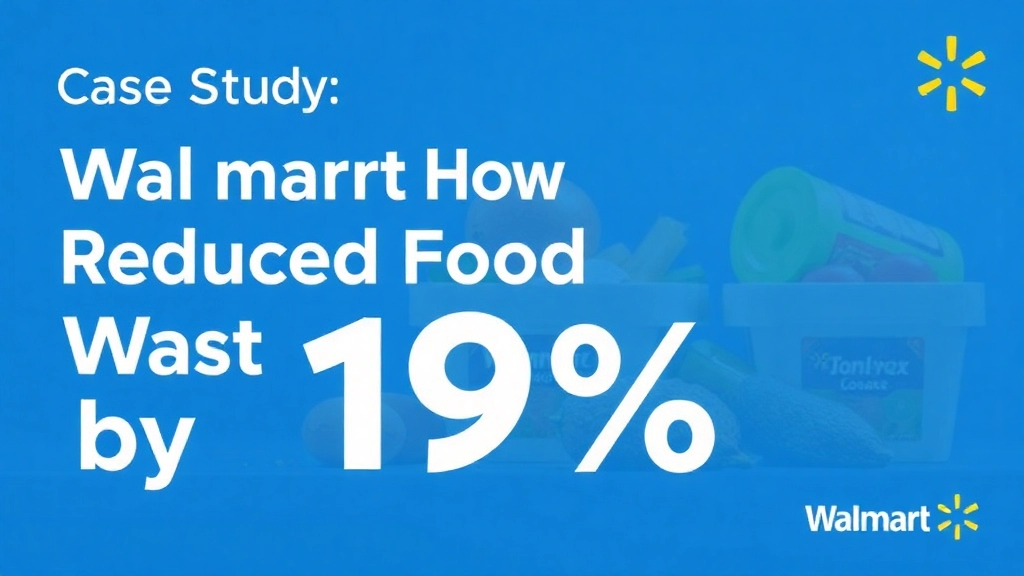
In a strategic move to enhance sustainability and reduce food waste, Walmart embarked on a comprehensive review of its packaging solutions. The goal was to achieve a significant reduction in food spoilage, which led to a 19% decrease in waste. This case study explores the methodologies and technologies employed by Walmart in this endeavor.
Advanced Packaging Materials
Walmart’s transition to advanced packaging materials was pivotal. The company prioritized materials that met FDA 21 CFR 177.1520 compliance and EU 10/2011 food contact materials standards. A comparative analysis of Polyethylene co-extrusion process and other materials revealed that PE films offered superior puncture resistance ASTM D1709 and water vapor barrier performance.
Innovative Testing and Compliance
To ensure optimal performance, Walmart implemented rigorous Oxygen transmission rate (OTR) testing and ISO 22000 packaging audit procedures. These tests were crucial in selecting films that maintained food freshness and extended shelf life.
Technological Enhancements
Walmart integrated antistatic cling film additives and ensured microwave-safe film thickness in their packaging solutions. These enhancements not only improved the usability of the films but also adhered to cold chain packaging standards, which are essential for perishable goods.
Impact and Results
The strategic shift in packaging materials and processes resulted in a remarkable 19% reduction in food waste. This achievement underscores the importance of selecting the right packaging solutions in the B2B food industry.
| Packaging Material | Compliance | Key Features |
|---|---|---|
| Polyethylene (PE) | FDA 21 CFR 177.1520, EU 10/2011 | Puncture resistance, Water vapor barrier |
| Biodegradable Films | ISO 22000 | Compostable, Environmentally friendly |
Supplier Red Flags: 7 Packaging Industry Secrets Exposed
1. Misleading Material Claims
One of the most common red flags in the B2B food cling film market is suppliers exaggerating the benefits of their materials. Claims about biodegradable films or advanced oxygen transmission rate (OTR) testing should be backed by verifiable data. Always request documentation proving compliance with FDA 21 CFR 177.1520 and EU 10/2011 food contact materials standards.
2. Inconsistent Quality Control
Quality control is critical, yet some suppliers cut corners. Look for inconsistencies in the polyethylene co-extrusion process or variations in microwave-safe film thickness. An ISO 22000 packaging audit can help verify the supplier’s commitment to maintaining high standards.
3. Lack of Transparency in Additives
Suppliers should be transparent about the additives used in their films, such as antistatic cling film additives. If a supplier is vague about the chemical composition or refuses to share this information, it’s a significant red flag.
4. Lacking Cold Chain Packaging Standards
For businesses requiring cold storage, it’s crucial to ensure that films meet cold chain packaging standards. Suppliers should provide evidence of testing for puncture resistance ASTM D1709 and water vapor barrier performance to ensure product integrity during transportation.
5. Non-compliance with Regulatory Standards
Always verify that suppliers comply with both local and international regulations. Non-compliance with FDA/EU regulations can lead to costly recalls and damage to brand reputation. Request certificates and conduct regular audits to ensure ongoing compliance.
6. Poor Customer Support and Communication
Effective communication is key. Suppliers who are difficult to reach or provide delayed responses can cause significant disruptions in supply chains. Prioritize suppliers who offer reliable customer support and are proactive in addressing issues.
7. Hidden Costs and Unclear Contracts
Some suppliers may offer attractive initial prices but hide costs in the fine print. Ensure all terms are clearly outlined, from shipping fees to potential penalties. A transparent contract protects against unexpected expenses and ensures a smooth purchasing process.
Future Tech: Compostable Films & Smart Packaging Sensors
Introduction to Compostable Films
In the evolving landscape of B2B food cling film, compostable films are gaining traction as a sustainable alternative. These films are designed to break down under specific conditions, reducing environmental impact. The shift towards compostable options is driven by increasing regulatory pressures and consumer demand for eco-friendly packaging solutions.
Material Innovations
Compostable films are often made from materials such as polylactic acid (PLA) and polyhydroxyalkanoates (PHA). These materials offer a balance between performance and sustainability. Key metrics for evaluation include Oxygen transmission rate (OTR) testing and Water vapor barrier performance, ensuring that the films maintain food freshness while being environmentally friendly.
Smart Packaging Sensors
Integrating smart sensors into packaging is a revolutionary step in the cold chain packaging standards. These sensors monitor temperature, humidity, and even detect spoilage, providing real-time data to ensure food safety and quality. This technology is particularly beneficial for bulk buyers who need to maintain stringent quality controls.
Regulatory Compliance
For businesses adopting these technologies, compliance with regulations such as FDA 21 CFR 177.1520 and EU 10/2011 food contact materials is crucial. Ensuring that compostable films and smart sensors meet these standards can prevent costly certification mistakes and enhance market credibility.
Performance Metrics
When selecting compostable films, it’s essential to consider factors such as Puncture resistance ASTM D1709 and Microwave-safe film thickness. These metrics ensure that the films not only meet environmental goals but also perform effectively in various applications.
| Metric | Importance |
|---|---|
| Oxygen Transmission Rate (OTR) | Maintains food freshness |
| Water Vapor Barrier Performance | Prevents moisture loss |
| Puncture Resistance ASTM D1709 | Ensures durability |
| Microwave-Safe Film Thickness | Safe for reheating |
Future Outlook
The future of B2B food cling film lies in the integration of compostable materials and smart technologies. As the industry continues to innovate, these advancements will play a pivotal role in shaping sustainable and efficient packaging solutions.
Instant Access: Supplier Comparison Matrix Tool
In the competitive landscape of B2B food cling film procurement, having a robust tool to compare suppliers is invaluable. The Supplier Comparison Matrix Tool offers an instant access solution for businesses looking to streamline their supplier selection process. This tool is designed to provide a comprehensive analysis of key supplier metrics, ensuring that you make informed decisions that align with your operational and compliance needs.
Key Features of the Supplier Comparison Matrix Tool
The tool evaluates suppliers based on several critical factors, including:
| Metric | Description |
|---|---|
| Oxygen Transmission Rate (OTR) Testing | Assesses the film’s ability to prevent oxygen penetration, crucial for maintaining food freshness. |
| FDA 21 CFR 177.1520 Compliance | Ensures the film meets U.S. regulatory standards for food contact materials. |
| Polyethylene Co-extrusion Process | Evaluates the manufacturing process for durability and performance. |
| Antistatic Cling Film Additives | Checks for additives that reduce static, enhancing film usability. |
| Microwave-safe Film Thickness | Measures the film’s suitability for microwave use without compromising safety. |
| Cold Chain Packaging Standards | Verifies compliance with standards that ensure product integrity during refrigerated transport. |
| Puncture Resistance ASTM D1709 | Tests the film’s resistance to punctures, ensuring durability during handling. |
| Water Vapor Barrier Performance | Evaluates the film’s ability to prevent moisture transmission, critical for product longevity. |
| EU 10/2011 Food Contact Materials | Confirms adherence to European regulations for materials in contact with food. |
| ISO 22000 Packaging Audit | Assesses the supplier’s compliance with international food safety management standards. |
Benefits of Using the Tool
By leveraging the Supplier Comparison Matrix Tool, businesses can:
- Quickly identify suppliers that meet stringent compliance and performance criteria.
- Reduce the risk of costly certification errors by ensuring all suppliers adhere to necessary standards.
- Enhance operational efficiency by selecting suppliers that align with specific packaging needs, such as cold chain packaging standards and microwave-safe film thickness.
In conclusion, the Supplier Comparison Matrix Tool is an essential resource for any business engaged in the procurement of B2B food cling film. It not only simplifies the supplier selection process but also ensures that your packaging solutions are compliant, efficient, and effective.
FAQs: B2B Food Cling Film Buying Guide
What is the significance of upgrading cling film technology in 2024?
The upgrade in cling film technology is crucial for compliance with regulatory standards, meeting consumer demand for sustainability, and enhancing performance features. This transformation helps businesses maintain a competitive edge in the evolving market.
What regulations should B2B buyers be aware of when purchasing cling film?
Buyers should ensure that cling films comply with FDA 21 CFR 177.1520 and EU 10/2011 food contact materials regulations. These standards ensure the safety and legality of materials used in food packaging.
How do different materials like PE, PVDC, and biodegradable films compare?
Each material has unique properties: Polyethylene (PE) is durable and flexible, Polyvinylidene Chloride (PVDC) offers superior barrier properties, and biodegradable films provide an eco-friendly alternative. Understanding their performance metrics is essential for making informed choices.
What are the key performance metrics to verify when buying cling film?
Key metrics include Oxygen Transmission Rate (OTR) testing, compliance with FDA 21 CFR 177.1520, puncture resistance ASTM D1709, and adherence to cold chain packaging standards. These metrics ensure the film’s effectiveness and safety in food packaging.
What common pitfalls should buyers avoid regarding compliance?
Buyers should avoid misunderstandings about testing standards, such as failing to validate puncture resistance or OTR testing. Ensuring thorough testing and compliance with regulations is vital to prevent costly mistakes.
How can buyers ensure they are selecting a reliable supplier?
Buyers should look for suppliers with transparent practices, consistent quality control, and compliance with regulatory standards. Conducting ISO 22000 packaging audits and verifying material claims can help identify trustworthy suppliers.
What role do compostable films and smart packaging sensors play in the future of cling film?
Compostable films are becoming popular due to sustainability demands, while smart packaging sensors enhance food safety by monitoring conditions during transport. Both innovations are shaping the future of B2B food cling film.
How can the Supplier Comparison Matrix Tool assist in the purchasing process?
The Supplier Comparison Matrix Tool allows businesses to evaluate suppliers based on critical metrics, ensuring compliance and performance needs are met. This tool simplifies the selection process and helps avoid costly certification errors.
References
- FDA 21 CFR Part 177.1520 – Polyolefin Films Regulation
https://www.ecfr.gov/current/title-21/chapter-I/subchapter-B/part-177/subpart-B/section-177.1520 - EU Regulation 10/2011 on Plastic Materials & Articles Intended for Food Contact
https://eur-lex.europa.eu/eli/reg/2011/10/oj - ASTM D1709-22 Standard Test Methods for Puncture Resistance of Plastic Films
https://www.astm.org/Standards/D1709.htm - ISO 15105-2 Determination of Gas Transmission Rate Through Plastic Films
https://www.iso.org/standard/31593.html - ISO 22000:2018 Food Safety Management Systems Requirements
https://www.iso.org/standard/65464.html - Comparative Analysis of PE vs PVDC Barrier Properties (Journal of Applied Polymer Science)
https://doi.org/10.1002/app.50989 - Global Biodegradable Packaging Market Report 2024 (Grand View Research)
https://www.grandviewresearch.com/industry-analysis/biodegradable-packaging-market - Cold Chain Packaging Technological Advancements (IFT White Paper)
https://www.ift.org/news-and-publications/white-papers