










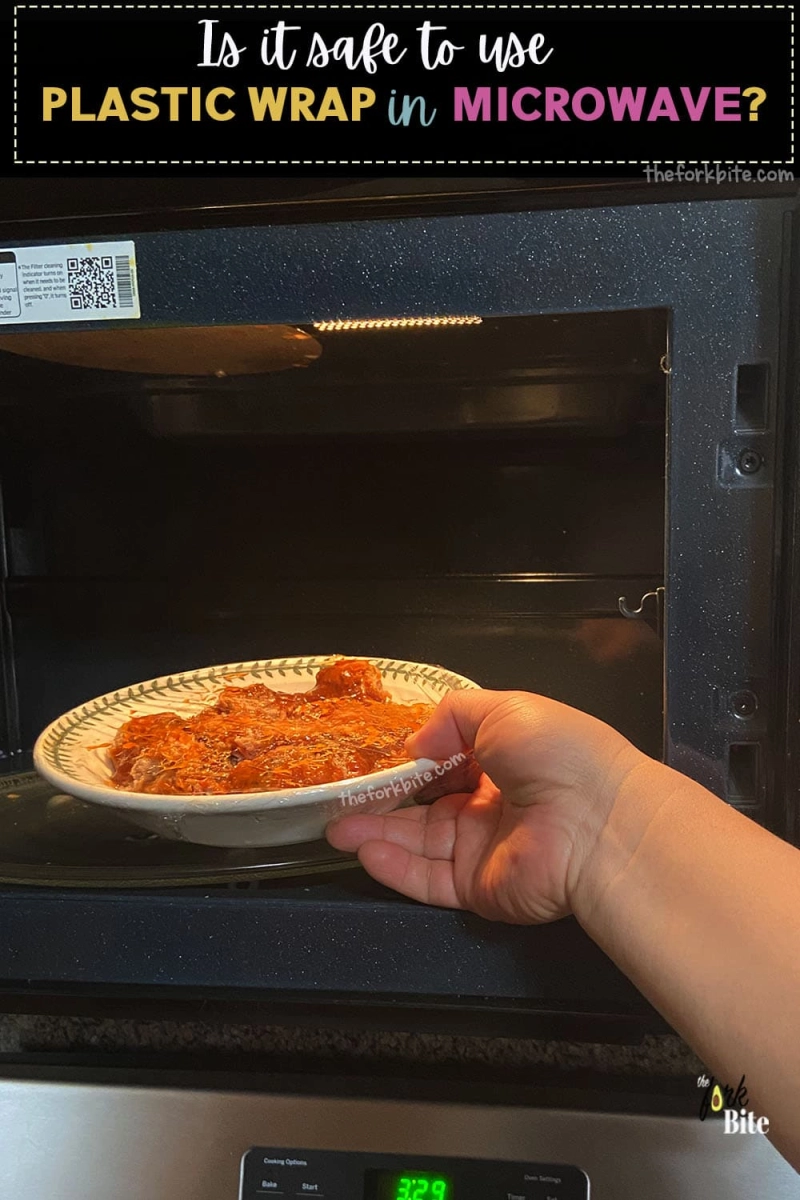
Wondering can plastic wrap go in the microwave? At Ecoartfullife, we understand the convenience of using plastic wrap to heat leftovers, but is it really safe? With growing concerns about microwave safety, chemical leaching, and environmental impact, choosing the right approach matters. In this guide, we’ll dive into the science behind microwave-safe plastic wrap, share practical tips for safe use, and explore eco-friendly alternatives to keep your kitchen green and healthy. Let’s get started!
Is Plastic Wrap Safe to Use in the Microwave
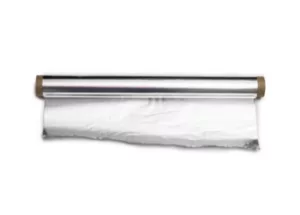
When it comes to using plastic wrap in the microwave, safety is the top concern for many. Not all plastic wraps are made equal – some are designed to handle the heat, while others can release harmful chemicals. Most plastic wraps are made from materials like PVC or LDPE, which might contain additives such as phthalates or BPA, substances that can migrate into food if overheated.
The good news is there are microwave-safe plastic wraps available, often labelled as such, and these are made to withstand microwave temperatures without melting or leaking chemicals. For example, some brands clearly state on the packaging whether they are microwave-safe, including popular options like Saran Wrap in certain regions. Always check the label before use.
Official guidelines from UK food safety authorities recommend only using plastic wraps that are explicitly marked as microwave-safe. This helps reduce risks such as plastic melting onto your food or releasing toxins that could affect your health. Using non-safe plastic wrap in the microwave can lead to contamination or even fires in rare cases.
In , understanding what your plastic wrap is made from and following official microwave safety guidelines is essential to avoid the risks connected with microwaving non-safe plastic wrap.
How to Safely Use Plastic Wrap in the Microwave
Using plastic wrap in the microwave can be convenient, but it’s important to do it safely to avoid any health risks or mess. Here are some best practices for safe microwaving with plastic wrap:
-
Choose microwave-safe plastic wrap: Always check the packaging to ensure the plastic wrap is labelled microwave-safe or BPA-free. Some types of plastic wrap, like Saran Wrap, may be safe, but it’s vital to confirm this based on the brand and packaging.
-
Avoid direct contact with food: When covering food, leave a gap or ensure the plastic wrap doesn’t touch the food directly. Steam can cause plastic to melt or leach chemicals, especially with fatty or sugary foods.
-
Leave a vent for steam to escape: Poke a small hole or leave a corner open to let steam out. This prevents pressure buildup, which can cause the wrap to burst or warp.
-
Use low or medium heat settings: High heat can cause plastic to melt or release harmful substances. Keeping the microwave power lower reduces this risk.
-
Limit heating time: Avoid microwaving food wrapped in plastic wrap for long periods. Short bursts of heating are safer and help protect both your food and plastic wrap.
Common Mistakes to Avoid
-
Using non-microwave-safe wrap: Not all plastic wraps are made for microwave use. Using the wrong type increases chances of melting or chemical contamination.
-
Sealing food tightly: Wrapping plastic wrap too tightly around food without venting traps steam, which is unsafe.
-
Microwaving plastic wrap with no food underneath: Heating plastic wrap alone can cause it to melt quickly or emit fumes.
-
Overheating fatty or sugary foods: These foods heat faster and can cause plastic wrap to break down more readily.
If you want to dive deeper into the specifics of heating plastic wrap safely, you can check out this detailed guide on heating plastic wrap.
By following these simple steps, you can enjoy the convenience of plastic wrap in the microwave while keeping it safe for you and your family.
Eco-Friendly Alternatives to Plastic Wrap in the Microwave
If you’re looking to cut down on plastic use while still safely heating food, there are several good alternatives to plastic wrap that work well in the microwave.
Safer Materials for Microwaving
- Beeswax wraps: These are reusable and breathable, perfect for covering bowls or wrapping food. Just remove before microwaving or use with care as they’re not designed for direct heat.
- Silicone lids and covers: Flexible, reusable, and microwave-safe, silicone covers seal well and avoid plastic chemicals like phthalates or BPA.
- Microwave-safe glass lids: A classic option that’s completely free of plastics and easy to clean.
- Microwave-safe ceramic plates: Use an inverted plate to cover dishes instead of wrapping with plastic.
Benefits of Reducing Plastic Use
- Fewer harmful chemicals: Cutting back on plastic wrap reduces exposure to substances like BPA and phthalates, which can leach into food.
- Less waste: Switching to reusable alternatives means less plastic going to landfill or recycling.
- Improved food safety: Many eco-friendly options avoid the risks associated with microwaving plastic wrap.
- Cost-effective over time: Reusable wraps and lids save money compared to constantly buying single-use plastic wrap.
Ecoartfullife’s Recommended Products
At Ecoartfullife, we recommend a selection of microwave-safe, eco-friendly food covers tailored for UK kitchens:
- BPA-free silicone stretch lids in various sizes
- Handmade beeswax wraps made from organic cotton and natural beeswax
- Tempered glass microwave-safe lids with vent holes
These options not only keep your food safe to microwave but also help you embrace a greener lifestyle right at home. Choosing eco-friendly replacements is a smart way to protect both your health and the environment.
FAQs About Microwaving Plastic Wrap
Is plastic wrap safe to use in the microwave?
Yes, but only if it’s labelled microwave-safe. Always check the packaging for confirmation before use.
Is Saran Wrap microwave-safe?
Some types of Saran Wrap are microwave-safe, but not all. It’s important to check the product label to be sure.
Can plastic wrap release harmful chemicals when heated?
If the plastic wrap isn’t microwave-safe, it can release chemicals like phthalates or BPA. To avoid risks, use BPA-free plastic wrap designed for microwaving.
Can I cover food directly with plastic wrap in the microwave?
It’s best to leave a gap between the plastic wrap and the food or use vented wrap to allow steam to escape, reducing the risk of melting or chemical leaching.
Can I reuse plastic wrap in the microwave?
No. Reusing plastic wrap isn’t recommended as it can degrade and increase the risk of chemicals leaching into your food.
What are safe alternatives to plastic wrap for microwaving?
Consider glass lids, microwave-safe silicone covers, or reusable microwave containers. These options avoid plastic risks and are more eco-friendly.
How do I know if my plastic wrap is BPA-free?
Check the packaging for “BPA-free” labels, which indicate safer plastic wrap for microwaving.
By following these simple tips and choosing the right products, microwaving with plastic wrap can be safe and hassle-free.