
















Can You Eat Aluminum Foil? Unpacking the Truth About Safety and Health
Ever bitten into a delicious dish only to find a stray piece of aluminum foil stuck in your meal? Or maybe you’re wondering if cooking with aluminum foil is secretly harming your health. At Artfullife, we get it—those moments can spark worry or curiosity about aluminum foil safety. That’s why we’re diving deep into the science behind eating aluminum foil, debunking myths, and sharing practical tips to keep your kitchen safe and sustainable.
In this guide, you’ll discover what happens if you accidentally eat aluminum foil, whether aluminum toxicity is a real concern, and how to use foil wisely to avoid health risks. From safe kitchen practices to eco-friendly cooking solutions, we’ve got you covered with expert-backed insights.
Let’s cut through the confusion and get to the facts!
What Happens If You Eat Aluminum Foil
If you accidentally swallow aluminum foil, you’re probably wondering, is it dangerous? The good news is that small pieces of aluminum foil usually pass through your digestive system without causing harm. Your stomach acid doesn’t dissolve the foil, so it tends to move along without breaking down.
From a scientific view, aluminum foil is considered inert, meaning it doesn’t react easily inside your body. However, sharp or large pieces might irritate or scratch your digestive tract. This could cause mild discomfort, pain, or in rare cases, more serious problems like blockages.
If you or someone else eats aluminum foil, here’s what to do right away:
- Stay calm and avoid panicking.
- Drink plenty of water to help move the foil through your system.
- Monitor for symptoms like persistent stomach pain, vomiting, or blood in stools.
- If any severe symptoms appear or you swallowed a large amount or sharp pieces, seek medical attention immediately.
In most cases, eating small amounts of aluminum foil isn’t toxic or harmful, but it’s best to handle any situation carefully.
Is Aluminum Foil Toxic Debunking Myths

There’s a lot of talk about aluminum foil safety and whether eating aluminum foil is harmful. The good news is, aluminum itself isn’t highly toxic to humans in small amounts. Our bodies naturally contain some aluminum since it’s a common element found in food, water, and the environment. But that doesn’t mean swallowing aluminum foil is totally safe.
Aluminum in the Body
When you eat aluminum foil accidentally, most of it will pass through your digestive system without causing major problems because aluminum doesn’t easily get absorbed into your bloodstream. Your body can handle low levels of aluminum just fine.
Myth vs Reality
- Myth: Eating aluminum foil causes aluminum poisoning.
Reality: Aluminum foil isn’t likely to cause poisoning unless you swallow large pieces or do it often. - Myth: Aluminum from foil builds up in your body causing health issues.
Reality: The amount of aluminum entering from foil is very small and usually flushed out by your kidneys.
When to Be Cautious
If you or someone else swallows a big piece of aluminum foil, it could cause cuts, blockages, or discomfort. People with kidney problems should be more careful since their bodies clear aluminum less efficiently. In those cases, regular exposure to aluminum—even from food wrapped in foil—could add up and create risks over time.
So, while aluminum foil isn’t toxic in typical use, it’s smart to avoid eating it on purpose and keep an eye on how much you’re exposed to if you have certain health conditions.
Does Aluminum Foil Leach into Food Factors Affecting Leaching How Much Aluminum Leaches Artfullife’s Take
Aluminum foil can leach small amounts of aluminum into food, especially under certain conditions. Factors that affect leaching include:
- Acidic or salty foods: Foods like tomato sauce, citrus, or vinegar can cause more aluminum to leach.
- High heat: Cooking or baking at high temperatures increases the chance of aluminum transferring to food.
- Cooking duration: The longer the food is in contact with foil, the more aluminum might leach.
That said, the amount of aluminum that actually leaches is generally very low and considered safe by health authorities for most people. The body naturally handles small amounts of aluminum without any trouble.
At Artfullife, we recommend using aluminum foil properly to minimize any risk. Avoid wrapping acidic foods in foil for long periods and consider alternatives like parchment paper for cooking those dishes. Overall, aluminum foil remains a safe, convenient option when used with care in your kitchen.
Safe Ways to Use Aluminum Foil in the Kitchen

Using aluminum foil is super common in American kitchens, but it’s important to use it safely to avoid any health risks or food quality issues. Here are some best practices for cooking with aluminum foil:
- Avoid direct contact with acidic or salty foods like tomato sauce or pickles, as these can cause more aluminum to leach into your food.
- Use foil mainly for wrapping and covering rather than cooking food directly on it at high temperatures.
- When roasting or grilling, consider placing the foil under the food or as a cover rather than wrapping tightly.
- Don’t reuse foil once it’s been in contact with food that has juices or oils to reduce contamination.
- For baking, try using parchment paper or silicone mats as an alternative, especially for dishes requiring longer or hotter cooking.
Alternatives to Aluminum Foil
If you’re looking to cut back on foil use or want greener options, here are some alternatives:
- Beeswax wraps: Great for covering bowls or wrapping sandwiches.
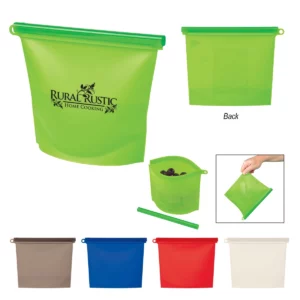
- Silicone lids and mats: Heat-resistant and reusable for baking and storage.
- Glass or stainless steel containers: Ideal for storing leftovers without plastic or foil.
Artfullife’s Eco-Friendly Tip
At Artfullife, we believe in using aluminum foil smartly and sustainably. One simple tip is to buy high-quality, responsibly made foil like the ones from Artfullife’s custom aluminum foil range. This helps reduce waste since better foil often means less tearing and more reusability. Also, combining foil use with eco-friendly kitchen practices helps minimize your environmental footprint while keeping your cooking safe and efficient.
For more tips on making the most out of your aluminum foil, check out our guide on boosting your cooking skills with aluminum foil.
Special Considerations for Vulnerable Groups Children Pregnant Women People with Kidney Issues
When it comes to eating aluminum foil or using it in cooking, some groups need extra caution.
Children have smaller bodies, so even small amounts of aluminum buildup can affect them more. It’s best to keep foil away from young kids and avoid wrapping their food directly in aluminum foil.
Pregnant women should also be mindful. While occasional use of aluminum foil in cooking is generally safe, limiting exposure helps reduce any potential risk. The growing baby is sensitive, so it’s a good idea to avoid cooking highly acidic or salty foods in aluminum foil, as this can increase aluminum leaching.
People with kidney issues need to be careful too. Your kidneys help filter out aluminum from the body, so if they aren’t working well, aluminum can build up and cause problems. If you have kidney disease or weakness, talk to your doctor before using aluminum foil a lot in your meals.
Overall, for these groups, the safest route is to limit direct contact between foil and food when possible and consider alternatives. This helps reduce any risk linked to aluminum toxicity myths and ensures safe kitchen practices.
FAQs
Can you eat aluminum foil safely?
Generally, aluminum foil isn’t meant to be eaten. Small accidental bites usually pass through your system without harm, but swallowing large or sharp pieces can cause discomfort or injury.
What happens if you eat aluminum foil?
Most of the time, small pieces will move through your digestive system with no issues. If you feel pain, choking, or prolonged discomfort, seek medical attention immediately.
Is aluminum foil toxic?
Aluminum foil itself isn’t toxic if ingested in tiny amounts. The body handles small exposure well, but excessive aluminum intake from any source isn’t recommended.
Does aluminum foil leach into my food?
Yes, aluminum can leach into food, especially when cooking acidic or salty dishes at high temperatures. However, the amounts are generally low and considered safe for most people.
Are there safer alternatives to aluminum foil?
Absolutely. Options like parchment paper, silicone baking mats, or reusable beeswax wraps are great for eco-friendly cooking and reducing aluminum exposure.
Who should be more cautious about aluminum foil?
Children, pregnant women, and people with kidney problems should limit aluminum intake and avoid using aluminum foil with acidic foods or at very high heat.
What should I do if I swallowed aluminum foil accidentally?
If it’s a small piece, drink plenty of water and watch for any symptoms. For large or sharp pieces, or if you experience pain, see a doctor right away.
Can cooking with aluminum foil affect health?
Using foil for cooking is mostly safe if done properly. Avoid cooking acidic foods or using foil at extremely high heat consistently to reduce aluminum leaching.
Is aluminum foil environmentally friendly?
Aluminum foil can be recycled, but single-use foil contributes to waste. Choosing reusable alternatives helps reduce environmental impact and supports eco-friendly cooking.