
















Are you wondering why your cat freaks out around aluminum foil? Or maybe you’re curious if that shiny kitchen staple can keep your furry friend off the counters? As a cat owner, I get it—managing those quirky feline behaviors can be a challenge. Drawing from real pet care insights, I’m here to break down the cats and aluminum foil mystery. In this guide, you’ll uncover why cats hate aluminum foil, how to use it as a safe deterrent, and tips to keep your home harmonious. Let’s dive into the crinkly world of cat behavior!
Cat Behavior Why Do Cats Hate Aluminum Foil
If you’ve ever caught your cat skittish or downright avoiding aluminum foil, you’re not alone. Cats hate aluminum foil for several reasons linked to their sharp senses and natural instincts. Understanding why cats dislike foil helps explain their strange reactions and can guide you in managing their behavior.
First, the texture of aluminum foil is unusual and uncomfortable for cats. When cats walk on foil, the crinkly, unpredictable surface feels strange under their paws. This odd sensation can trigger discomfort or uncertainty, making them avoid foil-covered areas.
Second, the sound of aluminum foil—a sharp, crackly noise when touched or stepped on—can be startling. Cats have sensitive hearing, and sudden, unexpected noises often trigger their natural caution or fear response. This is why many cats jump away or act startled if you ruffle foil near them.
Third, there’s a smell factor. Aluminum foil can retain metallic odors or scents from food it previously touched. Cats’ keen sense of smell picks up on subtle odors humans might miss, which could be off-putting or unfamiliar to them.
Experts have studied these sensory triggers and agree that cats’ aversion is mainly due to their hypersensitive hearing, heightened touch receptors in their paws, and strong olfactory sense. These factors combine to make aluminum foil a uniquely unpleasant experience for many cats.
Typical cat reactions include:
- Avoidance of areas with foil
- Startled jumps or quick retreats when foil makes noise
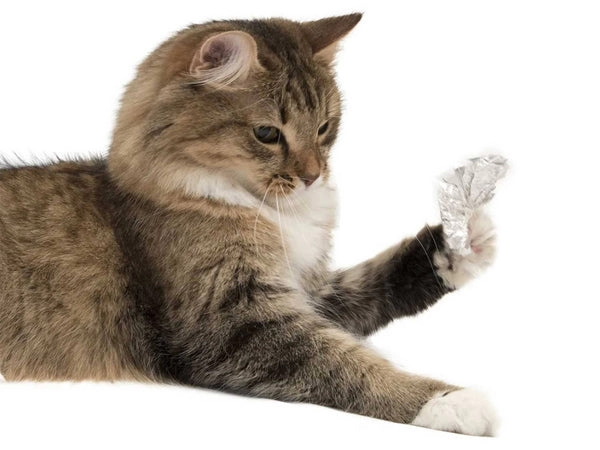
- Pawing cautiously but then backing away
- Even refusing to sit or walk on foil-covered surfaces
Understanding this behavior as a mix of sensory discomfort helps pet owners use aluminum foil thoughtfully and humanely. It’s not about scaring cats but tapping into their natural preferences for safer, calmer spaces.
Why Cats Dislike Aluminum Foil Texture Sound and Smell

Cats are very sensitive creatures, and their aversion to aluminum foil comes down mainly to its texture, sound, and smell. When a cat steps on or brushes against foil, it produces a sharp, crinkly noise that many cats find startling. This unusual sound can trigger a natural caution or fear response because it’s loud and unpredictable compared to everyday household noises.
Beyond sound, the texture of foil is strange under their paws—cold, slippery, and crinkly—which cats usually dislike. The sensation is unusual and can feel uncomfortable or even threatening to their sensitive paw pads. Cats rely heavily on touch to explore their world, so something that feels off can make them avoid it.
There’s also the smell factor. While aluminum foil itself doesn’t have a strong odor to humans, it can carry subtle smells of metal or manufacturing residues. Cats have a much stronger sense of smell, so this might contribute to their avoidance, especially if the foil is freshly unrolled or used.
Scientific Insights and Expert Opinions on Cats and Tin Foil
Veterinarians and animal behaviorists often agree that the reaction cats have to foil is tied to its sensory impact. Dr. Karen Becker, a well-known vet, notes that cats are highly alert to new stimuli, especially those that feel “off” or unpredictable. The crinkling sound paired with the uncomfortable texture creates a sensory mismatch that cats instinctively want to avoid.
Behavior experts highlight that the randomness and suddenness of the sounds foil makes can resemble the noise of a predator or threat in the wild, triggering a “flight” response. They also mention that cats’ whiskers pick up subtle air changes and vibrations, which foil can amplify due to its reflective surface and structure.
Typical Cat Reactions Around Aluminum Foil
Most cats show similar signs when encountering aluminum foil:
- Jumping back or avoiding the area immediately when foil is placed on the floor or furniture.
- Pawing at it cautiously or trying to sniff and then quickly withdrawing.
- Refusing to step on surfaces covered with foil.
- Some cats even display defensive postures such as flattening ears or wide eyes when their paws touch foil.
These behaviors all highlight how cats respond strongly to the combination of texture, sound, and scent of aluminum foil, making it an effective and natural cat deterrent in many homes.
Using Aluminum Foil as a Deterrent Practical Applications for Cat Owners
Aluminum foil can be an effective cat deterrent for keeping cats off furniture, countertops, and other off-limit areas. Many cat owners have found success using foil because cats are naturally put off by its texture, sound, and reflective surface. Here’s how you can use aluminum foil safely and effectively at home.
How to Set Up Aluminum Foil as a Cat Deterrent
- Choose the right spots: Place foil on surfaces where your cat tends to jump or scratch, like kitchen counters, coffee tables, or armrests.
- Cover enough area: Cats dislike stepping on crinkly foil, so cover a good portion of the surface to discourage them from walking there.
- Secure the foil: Tape down the foil edges or flatten it well to prevent it from rolling up or making tempting noises your cat might play with.
- Refresh the foil regularly: Over time, foil gets damaged or loses its crispness. Replace it every few days to maintain its deterrent effect.
- Combine with other deterrents: Use foil along with scents cats dislike (like citrus) or motion-activated devices for better results.
Pros and Cons of Using Aluminum Foil as a Deterrent
Pros:
- Inexpensive and easy to use: Aluminum foil is common in most homes and requires little setup.
- Non-toxic and safe when used properly: No chemicals or sprays involved, so it’s a natural deterrent.
- Works on multiple senses: The sound, feel, and light reflection all discourage cats.
Cons:
- Not a long-term solution alone: Some cats may eventually get used to foil and ignore it.
- Can be noisy or annoying to humans: The crinkling sound when stepping on foil can be disruptive.
- Potential safety concerns: Make sure foil is securely attached to avoid your cat chewing or ingesting pieces.
Key Tips for Using Aluminum Foil Effectively
- Observe your cat’s behavior: Some cats are more sensitive to this deterrent than others.
- Combine with positive reinforcement: Reward your cat when they avoid forbidden areas to encourage good habits.
- Avoid overuse: Don’t cover every surface or your home might become uncomfortable for both you and your cat.
Properly applied, aluminum foil can help manage your cat’s behavior at home, making it easier to keep cats off counters and furniture without harsh measures. It’s a simple, affordable tool that many cat owners in the US find practical and effective—just remember to monitor your pet’s reaction and adjust as needed for their safety and comfort.
Using Aluminum Foil as a Safe Cat Deterrent on Furniture Counters and Restricted Areas
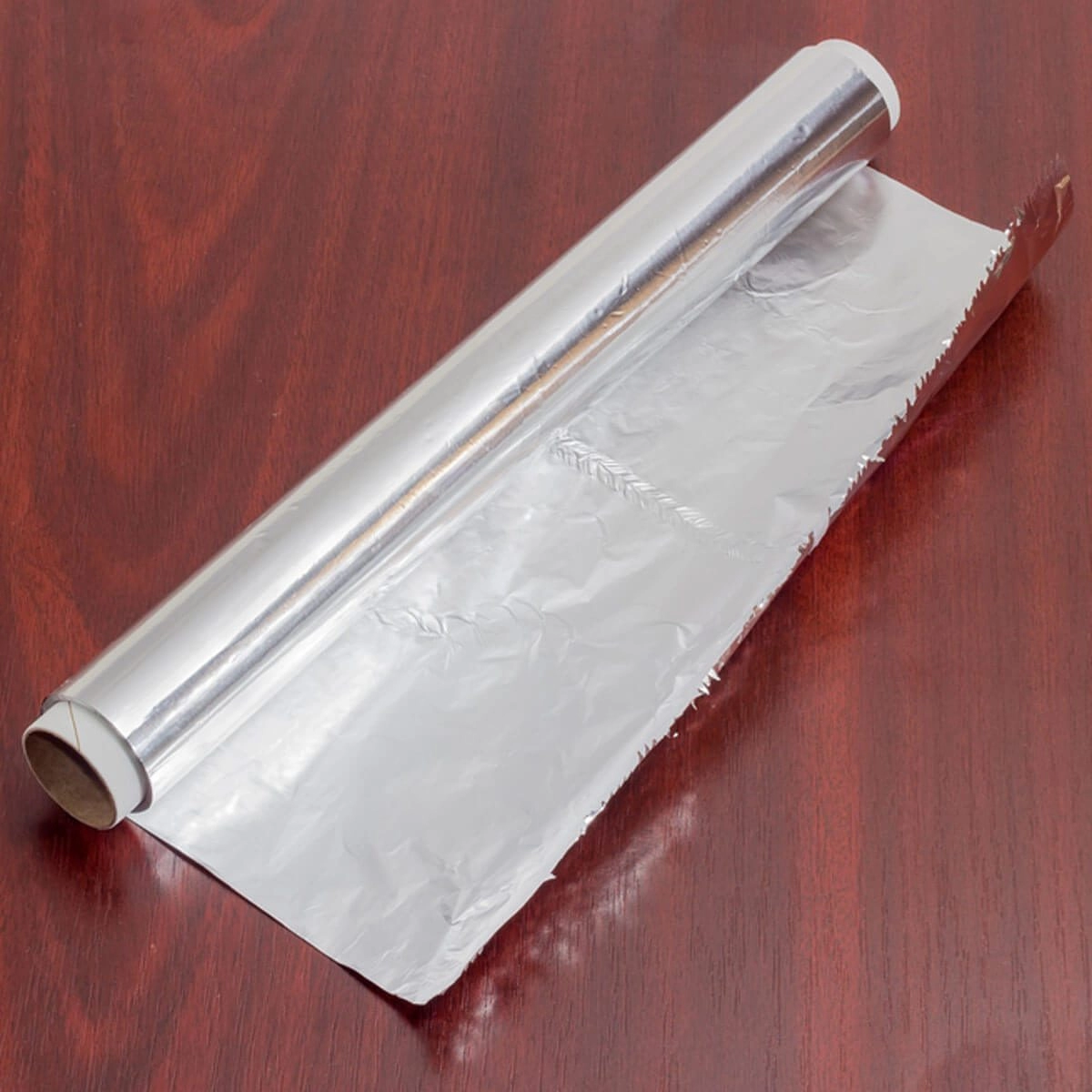
Aluminum foil is a simple, non-toxic way to deter cats from jumping on furniture, counters, and other off-limit spots. Its texture and sound can surprise cats, making them avoid those areas without harm.
Step by Step Guide to Setting Up Aluminum Foil as a Cat Deterrent
Here’s how to use aluminum foil effectively and safely around your home:
- Identify the Trouble Spots: Pinpoint counters, tables, or furniture where your cat often jumps or scratches.
- Cut Pieces of Aluminum Foil: Use sections large enough to cover the area your cat targets—about 12 to 18 inches square works well.
- Lay Foil Smoothly: Place the foil flat with the shiny side up; the crinkly texture and reflective surface are key to surprising your cat.
- Secure the Foil: Tape down the edges lightly or tuck it under cushions or objects so it doesn’t shift easily.
- Observe Your Cat’s Reaction: Most cats will avoid the area after a couple of encounters with the foil’s unexpected texture and sound.
- Replace or Adjust as Needed: Foil can tear or flatten over time; swap it out to keep the deterrent effective.
For buying quality foil perfect for this use, check out reliable options like custom aluminum foil that offer durability and size variety.
Pros and Cons of Using Aluminum Foil Compared to Other Cat Deterrents
Pros:
- Non-toxic and safe: No chemicals or sprays that could irritate your cat.
- Easy to set up and remove: A quick DIY option that doesn’t damage furniture.
- Cost-effective: Aluminum foil is inexpensive and widely available.
- Auditory and tactile deterrent: Foil’s crinkle sound and texture directly stimulate cats’ senses, making it very effective.
Cons:
- Temporary solution: Some cats may eventually get used to foil if left too long.
- Mess potential: Foil can tear or wrinkle, requiring regular maintenance.
- Noise annoyance: The crinkling might be bothersome in quiet homes.
- Not visually appealing: Foil isn’t the most decorative option for your living space.
Overall, aluminum foil is a handy tool for managing cat behavior around the house, especially when you’re looking for a safe way to keep cats off counters and furniture without harsh training or harmful deterrents. If you want alternatives or want to combine methods, look into other safe pet deterrent ideas and behavioral training techniques.
Addressing Common Concerns About Aluminum Foil and Cats
Many cat owners wonder if using aluminum foil as a cat deterrent is safe and worry about potential risks. Here’s a clear look at the most common concerns about cats and aluminum foil.
Is Aluminum Foil Safe for Cats
Aluminum foil itself is generally safe to use around cats when applied properly. The main risk is if a cat chews or swallows pieces of foil, which could cause choking or digestive issues. That’s why it’s important to:
- Use large sheets or strips that aren’t easy to tear off.
- Avoid leaving small foil scraps on the floor.
- Monitor your cat’s behavior around the foil.
If your cat is prone to chewing on non-food items (pica behavior), aluminum foil may not be the best deterrent choice.
Potential Risks and Precautions
- Sharp edges on folded foil could potentially hurt your cat’s paws or claws if they walk on it carelessly.
- Foil can reflect light and create flashes that may startle some cats too much, causing stress.
- Some cats may paw or bat at foil in ways that damage furniture or knock objects over.
Always watch how your cat responds to foil the first few times to make sure it’s not causing undue anxiety or harm.
Alternatives to Aluminum Foil for Cat Deterrence
If you’re uneasy about using foil or if your cat reacts negatively, here are some safe alternatives:
- Double-sided tape: Cats dislike sticky surfaces, which keeps them off counters and furniture.
- Commercial pet deterrent mats: These mats offer safe static pulses or textures cats avoid.
- Scent deterrents: Certain smells like citrus or commercial sprays discourage cats from restricted areas.
- Noise deterrents: Motion-activated air puff devices gently discourage unwanted access.
Each option has pros and cons, so choose based on your cat’s personality and your home setup.
Tips for Ensuring Cat Comfort and Safety When Using Foil
- Place foil only where you really need it, like countertops or shelves, not in areas your cat needs to access.
- Combine aluminum foil deterrents with positive reinforcement—reward your cat for staying off certain surfaces.
- Regularly inspect the foil for tears or sharp bits to avoid injuries.
- Observe your cat’s stress levels; if they seem overly frightened or anxious, try a different deterrent.
By balancing safety with effective deterrence, you can manage your cat’s behavior without risking their health or comfort.
Is Aluminum Foil Safe for Cats Potential Risks and Precautions
Using aluminum foil around cats is generally safe when done carefully, but there are important precautions to keep in mind. While cats are often afraid of aluminum foil because of the texture and sound, the foil itself is not toxic. However, the sharp edges of torn foil can cause minor cuts or irritations if your cat plays aggressively with it. Also, if ingested, small pieces of aluminum foil can lead to digestive blockages, so supervision is key.
Potential risks include:
- Ingestion hazards: Small foil bits might get swallowed, risking choking or stomach upset.
- Sharp edges: Can cause paw or mouth injuries if the foil is crumpled or torn.
- Startle response: Cats startled by the sudden noise may have stressed or anxious reactions.
To keep your cat safe, avoid leaving loose foil on the floor or unattended. Instead, use it only as a temporary deterrent in restricted areas, making sure the foil is securely taped down or placed flat on surfaces.
Alternatives to Aluminum Foil for Cat Deterrence
If you’re concerned about using aluminum foil for cat deterrence, consider these safer options that can also be effective in managing unwanted behaviors:
- Double-sided tape: Cats dislike sticky surfaces on their paws.
- Commercial pet deterrent mats: Designed to be uncomfortable without causing harm.
- Citrus scents: Many cats avoid citrus smells, so sprays or peels can work well.
- Motion-activated devices: Use harmless bursts of air or sound to discourage activity in off-limit spots.
Each of these alternatives avoids the risk of sharp edges or ingestion, while still respecting your cat’s well-being.
Tips to Ensure Cat Comfort and Safety When Using Aluminum Foil
To make the use of aluminum foil as a cat deterrent safe and stress-free:
- Use foil in short bursts to avoid prolonged stress.
- Secure foil firmly on surfaces to prevent shredding.
- Monitor your cat’s reactions closely for signs of stress or injury.
- Combine foil deterrents with positive reinforcement for desired behaviors.
- Always remove foil promptly after use.
If you want to learn more about aluminum foil’s safe handling in everyday life, check out resources like can aluminum foil catch on fire which cover general safety tips.
By taking these precautions and considering alternatives, you can keep your cat safe while effectively managing behaviors without unnecessary risks.
Additional Tips for Managing Your Cats Behavior at Home with Aluminum Foil and More
Managing your cat’s behavior at home goes beyond just using aluminum foil as a deterrent. To create a happy and well-adjusted pet, it’s important to combine safe deterrents with positive reinforcement and environmental enrichment. Here’s how you can better manage your cats and keep your home peaceful.
Use Behavioral Enrichment to Reduce Unwanted Actions
Cats often jump on counters or scratch furniture out of boredom or stress. Providing plenty of toys, scratching posts, and interactive playtime helps keep your cat mentally and physically engaged, reducing their interest in off-limits areas.
- Rotate toys regularly to keep them interesting.
- Use puzzle feeders to stimulate your cat’s hunting instincts.
- Set up climbing shelves or cat trees to give your cat safe vertical space.
Positive Reinforcement Works Best
Instead of just relying on foil or other deterrents, reward good behavior with treats, affection, or playtime. For instance, if your cat stays off the counter, immediately offer praise or a small treat to reinforce that behavior.
- Consistent rewards teach your cat what you expect.
- Avoid punishment, which can create fear or anxiety.
Combining Aluminum Foil with Other Safe Deterrents
While aluminum foil cat deterrents can be very effective, combining them with other safe methods can improve results and keep your cat comfortable.
- Use double-sided tape, which cats dislike sticking to paws.
- Try citrus scents or pet-safe sprays that discourage jumping on furniture.
- Cover surfaces with mats that make cats uncomfortable walking but won’t harm them.
Recommended Products for Home Behavior Management from Artfullife
For U.S. cat owners looking for reliable solutions, here are some trusted products to help with cat behavior management:
- Durable scratching posts and cat trees for indoor enrichment.
- Interactive toys and feeders for mental stimulation.
- Safe pet deterrent mats and sprays that are non-toxic and pet-friendly.
- Comfortable cat beds that help create cozy rest areas away from restricted places.
Final Thoughts on Managing Cats and Aluminum Foil
Remember, consistent management and understanding your cat’s needs is key. Using aluminum foil as a deterrent is a simple, low-cost tool that works for many cats, but combining it with enrichment and positive habits makes the biggest difference in maintaining a happy home.
By taking these comprehensive steps, U.S. cat owners can effectively address unwanted behaviors while keeping their kittens safe and content.
Behavioral Enrichment and Positive Reinforcement for Cats
Managing your cat’s behavior at home goes beyond deterrents like aluminum foil. Behavioral enrichment and positive reinforcement play a big role in keeping your cat happy and well-behaved. Encouraging good habits and providing mental and physical stimulation helps reduce unwanted behaviors, like jumping on counters or scratching furniture.
Here are some straightforward strategies:
- Offer plenty of playtime with interactive toys that mimic hunting. This keeps your cat engaged and less likely to explore places they shouldn’t.
- Use treats and praise to reward good behavior. Cats respond well when their positive actions are acknowledged immediately.
- Create cozy, designated spots for scratching and resting. This makes it easier to guide your cat away from off-limits areas.
- Keep routines consistent, especially feeding and playtime, so your cat feels secure and less anxious.
Recommended Artfullife Products for Cat Care and Home Management
For U.S. cat owners looking to support good behavior and comfort, Artfullife offers a variety of pet care items designed to enhance your cat’s environment and make management easier:
- Interactive Cat Toys that promote active play and keep cats mentally sharp.
- Scratch Pads and Posts to protect furniture while satisfying scratching instincts.
- Comfortable Cat Beds that provide a safe retreat and reduce stress-driven behaviors.
- Safe Deterrent Mats and Covers as alternatives or complements to aluminum foil for keeping cats off counters and furniture.
Using these products alongside positive reinforcement can create a balanced approach to managing your cat’s behavior. This reduces stress for both you and your cat while maintaining a clean, damage-free home.
FAQs About Cats and Aluminum Foil
Can aluminum foil harm my cat
Aluminum foil is generally safe around cats as long as they don’t chew or swallow large pieces. Small ingestion might cause stomach upset or blockage, so keep foil out of reach after use. Avoid letting your cat play aggressively with foil to prevent any choking or injury.
Why do cats dislike aluminum foil
Cats dislike aluminum foil mainly because of the sound, texture, and shine. The crinkly noise startles them, and the slippery, reflective surface feels strange under their paws. These sensory triggers make cats uneasy or cautious around foil.
Are cats afraid of the sound of aluminum foil
Yes, many cats are sensitive to the crinkling sound foil makes. Their sharp hearing picks it up as a sudden, unpredictable noise which can be stressful or annoying. This is one reason foil works well as a cat deterrent.
How does aluminum foil work as a cat deterrent
Aluminum foil creates an uncomfortable surface with a noisy texture that cats tend to avoid. It’s often used to keep cats off counters or furniture because they don’t like stepping on or touching it. Foil as a deterrent is a simple, inexpensive tool many pet owners use at home.
Is aluminum foil the best option to stop cats from jumping on counters
It can be effective but not always the best. Foil is easy to set up but can be messy or unattractive in your space. Other options like double-sided tape, pet-safe mats, or motion-activated deterrents may work better depending on your home and cat’s personality.
Can foil cause stress or anxiety in cats
If overused or left in large amounts, foil can cause stress for sensitive cats. Use it sparingly and combine it with positive reinforcement and environmental enrichment to avoid unwanted anxiety or avoidance behaviors.
What are alternatives to aluminum foil for deterring cats
- Double-sided tape on surfaces
- Commercial cat deterrent mats
- Scent repellents safe for cats
- Motion-activated devices that emit harmless noise or air puff
Choose what fits your home and keeps your cat comfortable.
How to stop my cat from scratching or playing with aluminum foil
To prevent your cat from scratching foil:
- Offer plenty of toys and scratching posts
- Remove access to foil when not using as a deterrent
- Use positive reinforcement to reward calm behavior near foil
Can I use aluminum foil safely around kittens or senior cats
Yes, but with extra caution. Kittens and older cats may be more sensitive to unusual textures and sounds. Always supervise their interaction with foil and avoid sudden exposure that could cause fright or stress.
Using aluminum foil as a cat deterrent can be effective but requires care to keep your cat safe and comfortable. Balancing deterrence with positive behavior management ensures a happy home for both you and your feline friends.
FAQs About Cats and Aluminum Foil
Can Aluminum Foil Harm My Cat
Aluminum foil is generally safe for cats if used properly, but there are a few things to watch out for:
- Ingestion risk: If a cat chews and swallows small pieces of foil, it might cause choking, internal blockages, or digestive irritation.
- Sharp edges: Torn foil can have sharp points that might hurt your cat’s mouth or paws.
- Noise stress: The crinkling sound can stress some cats if it’s too loud or unexpected.
To keep your cat safe, use foil mainly as a temporary deterrent and avoid leaving loose pieces where they can chew or swallow.
Why Does My Cat Scratch Aluminum Foil
Cats often scratch aluminum foil because:
- Texture sensation: The crinkly and uneven surface triggers their natural scratching instincts.
- Curiosity and play: The sound and feel of foil can be interesting, causing cats to paw or scratch out of boredom or curiosity.
- Hunting behavior: Scratch marks mimic prey movements, so foil can simulate something to catch or shred.
While scratching foil may seem odd, it’s basically a normal cat behavior driven by their senses.
For safe and effective use of aluminum foil as a cat deterrent, consider checking bulk or wholesale foil options for convenience, like those available here and here.