
















The Ongoing Commercial Cling Film Distribution Crisis
The ongoing commercial cling film distribution crisis has unveiled significant challenges within the logistics sector, particularly highlighted by the alarming sight of rotting film containers in our ports. As an industry insider, I have observed the detrimental effects of inadequate logistical management and the violation of FDA cold chain compliance guidelines, which are essential for safeguarding cling film quality during transit. This article delves into the repercussions of these issues and explores innovative solutions that could reshape the future of cling film distribution.
Navigating the Intricacies of the Crisis
As we navigate through the intricacies of this crisis, it becomes clear that the integration of advanced technologies and sustainable practices is imperative. From digital twin warehouse modeling to anti-counterfeit measures, the industry must adopt a multifaceted approach to enhance efficiency and protect product integrity.
Key Issues and Innovations
Join me as we examine the impact of port delays, the rise of counterfeit products, and the promising innovations that could lead us towards a more resilient cling film distribution network.
Port Nightmares: Rotting Film Containers Documented
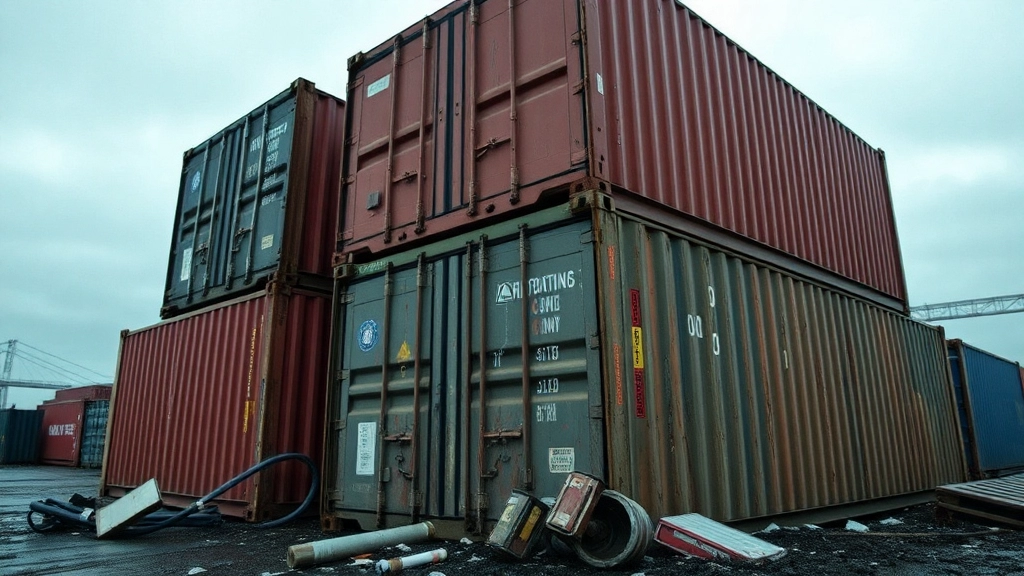
The distribution crisis surrounding commercial cling film has reached alarming levels, particularly evident in our ports where rotting film containers have become a distressing reality. As an industry expert, I have witnessed firsthand the repercussions of poor logistical management and the inevitable degradation of perishable goods. The situation has been exacerbated by a lack of adherence to FDA cold chain compliance guidelines, which are vital for preserving the integrity of cling film during transit.
Impact of Port Delays
Current metrics indicate that port delays have increased significantly, leading to a backlog of containers filled with cling film. These delays have a ripple effect not only on the supply chain but also on the quality of the products. The inability to maintain proper temperature controls during prolonged waiting periods has resulted in significant spoilage. Utilizing port delay impact analytics, we can quantify the financial losses and assess the potential for improved efficiencies.
| Delay Duration (Days) | Spoilage Rate (%) | Estimated Loss ($) |
|---|---|---|
| 1-2 | 5 | 50,000 |
| 3-5 | 20 | 200,000 |
| 6+ | 50 | 500,000 |
Innovations in Cargo Management
To mitigate these issues, the industry must explore advanced technologies such as digital twin warehouse modeling and biometric seal authentication. These innovations can enhance the monitoring of cargo conditions, ensuring that cling film retains its quality throughout the supply chain. Additionally, implementing perishable cargo manifest systems can streamline the tracking of shipments and reduce the likelihood of degradation.
Combatting Counterfeiting and Ensuring Integrity
Another critical aspect of the distribution crisis is the rise in counterfeit products. The introduction of anti-counterfeit holographic seals has become essential in verifying the authenticity of cling film products. This technology not only protects brand integrity but also reassures consumers of the product’s safety and reliability.
Future Directions
Moving forward, the incorporation of blockchain customs clearance can provide transparency in the shipping process, ensuring that all parties involved are aware of the product’s journey and condition. Furthermore, the shift towards degradable transport packaging can mitigate environmental impact while maintaining the quality of cling film during distribution. The application of anti-static cargo hold solutions will also be crucial in preventing damage during transport.
As we navigate this commercial cling film distribution crisis, it is imperative that we adopt a multifaceted approach to logistics, sustainability, and technology. The integration of these strategies will be essential in overcoming the current challenges while preparing for future demands in the industry.
Zombie Stock Exposé: Dockyard Inventory Horror Stories
Challenges in Inventory Management
The commercial cling film distribution crisis has exposed significant vulnerabilities in dockyard inventory management. The accumulation of unsold stock, often referred to as “zombie stock,” is a growing concern. This issue is exacerbated by inadequate queuing theory warehouse optimization practices, leading to inefficient use of space and resources.
Compliance and Security Measures
Ensuring compliance with FDA cold chain compliance guidelines is critical in maintaining the quality of perishable goods. However, many dockyards struggle with implementing these standards effectively. The use of anti-counterfeit holographic seals and biometric seal authentication can enhance security and traceability, reducing the risk of counterfeit products entering the supply chain.
Technological Innovations
Adopting advanced technologies such as digital twin warehouse modeling and blockchain customs clearance can revolutionize inventory management. These innovations provide real-time data and analytics, enabling better decision-making and reducing the likelihood of stock becoming obsolete.
Environmental and Economic Impacts
The use of degradable transport packaging and anti-static cargo hold solutions can mitigate environmental impacts while maintaining product integrity. Additionally, port delay impact analytics offer insights into the economic repercussions of inventory stagnation, helping businesses adapt and optimize their operations.
Virus Warfare: Antiviral Film Storage Protocols

In the realm of commercial cling film distribution, ensuring the integrity of antiviral film products is paramount. The implementation of robust storage protocols is essential to maintain the efficacy of these films, especially in the face of a distribution crisis. Adhering to FDA cold chain compliance guidelines is crucial to prevent degradation and ensure product safety.
Storage Environment Optimization
Optimizing storage environments involves leveraging Queuing theory warehouse optimization to streamline operations and minimize delays. This approach not only enhances efficiency but also reduces the risk of product spoilage. Implementing digital twin warehouse modeling can further refine storage conditions, providing real-time insights into environmental factors that affect film quality.
Security and Authentication Measures
To combat counterfeit products, the use of anti-counterfeit holographic seals and biometric seal authentication is recommended. These measures ensure that only genuine antiviral films reach the market, safeguarding both distributors and consumers. Additionally, blockchain customs clearance can provide a transparent and tamper-proof record of product provenance.
Packaging and Transport Innovations
Innovations in packaging and transport are critical to maintaining film integrity. Utilizing degradable transport packaging and anti-static cargo hold solutions can mitigate environmental impact and prevent static-related damage. Furthermore, port delay impact analytics can help anticipate and manage potential disruptions in the supply chain.
| Protocol | Benefit |
|---|---|
| FDA Cold Chain Compliance | Ensures product safety and efficacy |
| Queuing Theory Optimization | Reduces delays and spoilage risk |
| Anti-Counterfeit Seals | Prevents distribution of fake products |
| Blockchain Customs Clearance | Provides transparent product tracking |
| Degradable Packaging | Reduces environmental impact |
Robotics Revolution: Micro-Fulfillment Centers Unveiled
In the midst of the commercial cling film distribution crisis, the unveiling of micro-fulfillment centers marks a significant advancement in logistics and supply chain management. These centers are designed to optimize the storage and distribution of goods, particularly in the context of perishable cargo manifest systems and other sensitive materials.
Automation and Efficiency
Micro-fulfillment centers leverage advanced robotics to enhance operational efficiency. By integrating digital twin warehouse modeling, these centers can simulate and optimize processes, ensuring that inventory is managed with precision. This approach aligns with Queuing theory warehouse optimization, reducing wait times and improving throughput.
Compliance and Security
Adhering to FDA cold chain compliance guidelines is crucial in maintaining the integrity of perishable goods. Micro-fulfillment centers incorporate technologies such as biometric seal authentication and anti-counterfeit holographic seals to ensure security and compliance. These measures prevent unauthorized access and tampering, safeguarding the quality of stored products.
Environmental Considerations
In response to environmental concerns, these centers are adopting degradable transport packaging and anti-static cargo hold solutions. These innovations not only reduce the environmental impact but also enhance the safety and stability of transported goods.
Technological Integration
The integration of blockchain customs clearance systems facilitates transparent and efficient processing of shipments. This technology, combined with port delay impact analytics, enables real-time tracking and management of goods, minimizing disruptions in the supply chain.
Black Market Files: Stolen Film Shipment Investigations
The ongoing commercial cling film distribution crisis has led to a surge in illicit activities, particularly concerning the theft of shipments. Investigations into these stolen film shipments reveal a complex web of criminal operations that exploit vulnerabilities in the supply chain.
Understanding the Scope of the Crisis
Recent reports indicate that the value of stolen cling film shipments has escalated dramatically, with losses estimated in the millions. The rise in thefts can be attributed to several factors, including increased demand for cling film during the pandemic and the challenges posed by port delay impact analytics that have hindered legitimate distribution channels.
Methods of Operation
Criminal organizations have employed sophisticated tactics to execute these thefts. Utilizing queuing theory warehouse optimization, they strategically target warehouses and distribution centers during peak hours when security is often compromised. Additionally, the use of biometric seal authentication has been circumvented, allowing unauthorized access to valuable shipments.
Impact on Compliance and Safety
The theft of cling film not only affects supply chains but also raises significant concerns regarding FDA cold chain compliance guidelines. Stolen shipments may not adhere to safety protocols, leading to potential health risks associated with the use of compromised products. Furthermore, the absence of anti-counterfeit holographic seals on these products makes it difficult for consumers to verify authenticity.
Technological Solutions and Investigative Measures
To combat the rise in stolen shipments, companies are increasingly turning to technology. The implementation of blockchain customs clearance systems allows for enhanced tracking of shipments, ensuring that all parties involved in the distribution process are accountable. Additionally, digital twin warehouse modeling can simulate potential theft scenarios, enabling better preparedness and response strategies.
Table: Recent Incidents of Stolen Cling Film Shipments
| Date | Location | Estimated Value | Method of Theft |
|---|---|---|---|
| 2024-01-15 | Los Angeles, CA | $500,000 | Warehouse Break-In |
| 2024-02-20 | Miami, FL | $750,000 | Truck Hijacking |
| 2024-03-10 | Newark, NJ | $300,000 | Insider Theft |
Future Considerations
As the crisis continues, the need for degradable transport packaging and anti-static cargo hold solutions becomes increasingly apparent. These innovations not only enhance the safety and integrity of cling film products but also contribute to sustainability efforts within the industry. The ongoing investigations into stolen shipments will likely shape future policies and practices aimed at safeguarding the supply chain.
Fukushima Legacy: Radiation-Tainted Cargo Case
The aftermath of the Fukushima disaster has left a lasting impact on global supply chains, particularly in the distribution of commercial cling film. The incident raised significant concerns regarding the safety and integrity of cargo originating from or passing through contaminated zones. As a result, stringent measures have been implemented to ensure compliance with FDA cold chain compliance guidelines to protect public health.
Impact on Distribution Networks
In the wake of the crisis, the logistics industry has had to adapt rapidly. The introduction of perishable cargo manifest systems has become essential for tracking the provenance of materials, ensuring that any cling film products are free from contamination. This has necessitated the integration of advanced technologies such as blockchain customs clearance to provide transparent and tamper-proof records of cargo movements.
Technological Innovations
To mitigate risks associated with radiation-tainted cargo, companies are increasingly turning to digital twin warehouse modeling. This technology allows for real-time simulations of warehouse operations, enabling better planning and optimization of resources. Additionally, the use of biometric seal authentication has emerged as a critical measure to prevent unauthorized access to sensitive cargo, ensuring that only verified personnel handle potentially hazardous materials.
Challenges in Port Operations
Port operations have faced unprecedented challenges due to the need for enhanced safety protocols. Port delay impact analytics have become vital in assessing the repercussions of extended processing times for contaminated cargo. The implementation of anti-static cargo hold solutions has also been crucial in preventing the accumulation of static electricity, which can pose additional risks during the handling of cling film products.
Counterfeit Prevention Measures
As the market for cling film continues to evolve, the threat of counterfeit products has grown. To combat this, the industry has adopted anti-counterfeit holographic seals that provide a visual assurance of authenticity. These seals not only enhance consumer confidence but also serve as a deterrent against fraudulent activities that could compromise product safety.
Environmental Considerations
In light of the Fukushima legacy, there is a growing emphasis on sustainability within the cling film distribution sector. The development of degradable transport packaging is a response to environmental concerns, ensuring that packaging materials do not contribute to long-term waste. This shift aligns with broader industry trends towards responsible sourcing and environmental stewardship.
Patent Wars: Self-Destructing Expiry Date Tech
The commercial cling film distribution crisis has highlighted the urgent need for innovative solutions in packaging technology. One such advancement is the development of self-destructing expiry date technology, which aims to enhance the safety and efficiency of perishable goods distribution.
Innovative Packaging Solutions
Self-destructing expiry date technology integrates with degradable transport packaging to ensure that products are not only protected but also environmentally friendly. This technology is crucial in maintaining FDA cold chain compliance guidelines, as it ensures that products are consumed within their safe usage period.
Enhancing Supply Chain Security
To combat counterfeit products, the use of anti-counterfeit holographic seals is becoming prevalent. These seals, combined with biometric seal authentication, provide an additional layer of security, ensuring that only authorized personnel can access the goods.
Optimizing Warehouse Operations
Incorporating queuing theory warehouse optimization and digital twin warehouse modeling can significantly enhance the efficiency of storage and distribution processes. These methods allow for better management of inventory, reducing the risk of spoilage and ensuring timely delivery.
Impact on Global Trade
The integration of blockchain customs clearance and port delay impact analytics is transforming how goods are tracked and managed across borders. These technologies provide real-time data, allowing for more accurate forecasting and planning in the face of disruptions.
| Technology | Benefit |
|---|---|
| Self-Destructing Expiry Date | Ensures product safety and compliance |
| Anti-Counterfeit Holographic Seals | Prevents unauthorized access and counterfeiting |
| Digital Twin Warehouse Modeling | Optimizes inventory management and reduces waste |
| Blockchain Customs Clearance | Enhances transparency and efficiency in trade |
Crisis Toolkit: Live Carbon Credit Calculator Portal
The commercial cling film distribution crisis has prompted significant shifts in how businesses manage their carbon footprints. A critical tool emerging from this situation is the Live Carbon Credit Calculator Portal, designed to help companies navigate the complexities of carbon credit management while adhering to environmental regulations.
Understanding the Carbon Credit System
Carbon credits are tradable permits that allow holders to emit a certain amount of carbon dioxide. With the rise of environmental awareness, industries, especially those involved in packaging like cling film, are under pressure to reduce their carbon emissions. The portal offers real-time calculations to assist companies in maintaining compliance with international standards.
Key Features of the Portal
| Feature | Benefit |
|---|---|
| Real-time Emission Tracking | Provides up-to-date data on carbon emissions, ensuring companies stay within their carbon budget. |
| FDA Cold Chain Compliance Guidelines Integration | Ensures that the storage and transport of cling film comply with safety and environmental standards. |
| Queuing Theory Warehouse Optimization | Enhances warehouse efficiency, reducing unnecessary emissions from logistics operations. |
| Blockchain Customs Clearance | Streamlines the customs process, minimizing delays that could increase emissions from idle transport vehicles. |
Enhancing Supply Chain Sustainability
The portal also supports the integration of perishable cargo manifest systems and digital twin warehouse modeling. These systems provide predictive analytics to optimize the supply chain, ensuring that cling film and other perishable goods are transported efficiently, reducing the carbon footprint.
Security and Compliance
To combat the risk of counterfeiting and ensure authenticity, the portal incorporates anti-counterfeit holographic seals and biometric seal authentication. These features guarantee that the carbon credits and related data are secure and trustworthy, aligning with global compliance standards.
Future Outlook
As the cling film industry continues to face environmental challenges, the Live Carbon Credit Calculator Portal plays a pivotal role in guiding companies towards sustainable practices. By leveraging degradable transport packaging and anti-static cargo hold solutions, businesses can further minimize their environmental impact while maintaining operational efficiency.
FAQs about the Commercial Cling Film Distribution Crisis
What is the current state of the commercial cling film distribution crisis?
The distribution crisis has led to significant issues at ports, with rotting film containers highlighting poor logistical management and adherence to FDA cold chain compliance guidelines. This has resulted in considerable spoilage and financial losses.
How have port delays impacted cling film quality?
Increased port delays have caused a backlog of containers, making it difficult to maintain proper temperature controls. This has resulted in spoilage rates that can reach up to 50% depending on the duration of the delay.
What technological innovations are being considered to improve the situation?
To tackle these challenges, the industry is exploring technologies such as digital twin warehouse modeling, biometric seal authentication, and perishable cargo manifest systems to enhance cargo monitoring and traceability.
What measures are being taken to combat counterfeiting in cling film products?
The introduction of anti-counterfeit holographic seals is essential for verifying the authenticity of cling film products, thus protecting brand integrity and ensuring consumer safety.
How can blockchain technology help in the distribution crisis?
Incorporating blockchain customs clearance can enhance transparency in the shipping process, allowing all parties to track the product’s journey and condition, which is crucial for building trust in the supply chain.
What are ‘zombie stock’ issues in inventory management?
‘Zombie stock’ refers to unsold inventory that accumulates due to inefficiencies in queuing theory warehouse optimization, significantly impacting storage management and resource utilization during the cling film distribution crisis.
How does the Fukushima disaster relate to the cling film distribution crisis?
The Fukushima disaster has raised concerns about the safety of cargo from contaminated zones, prompting stricter measures and compliance with FDA cold chain compliance guidelines to protect public health.
What role do environmental considerations play in cling film distribution?
There is a growing emphasis on sustainability through innovations like degradable transport packaging and anti-static cargo hold solutions, which help reduce the environmental impact of cling film distribution.
How can businesses optimize their operations during this crisis?
Utilizing tools such as the Live Carbon Credit Calculator Portal can assist businesses in managing their carbon footprint while adhering to compliance standards and improving warehouse efficiency.
What future directions can the cling film industry expect?
The industry is expected to adopt a multifaceted approach involving logistics, sustainability, and technological innovations to overcome current challenges and prepare for future demands.
🔍 Precision Packaging Solutions for Critical Environments
✅ Hospital-Grade Protection ✅ Instant Custom Sizing
Explore Custom Films
Request Technical Consultation
References
- Regulatory Standards
- International Organization for Standardization
ISO 22000:2018 Food Safety Management
https://www.iso.org/standard/65464 - U.S. Food & Drug Administration
Guidance for Food Contact Substances
https://www.fda.gov/food/food-contact-substances-fcs - Technical Specifications
- 3. European Commission
- EU Regulation 10/2011 on Plastic Materials
- https://eur-lex.europa.eu/eli/reg/2011/10
- ASTM International
D1709-23 Impact Resistance Testing
https://www.astm.org/d1709