















Are you wondering if cling film on burns is a safe and effective first aid solution? When a burn happens, quick and proper care can make all the difference in recovery. As a trusted supplier of food-grade cling film, Artfullife understands the importance of reliable, safe products in emergencies. In this guide, you’ll discover expert-backed advice on using cling film for burn care, the do’s and don’ts, and practical tips to protect yourself or others. Let’s dive into the facts and clear up the confusion!
Would you like me to expand on any specific section of the outline or provide further details?
What Are Burns Types and Causes of Burns
Burns are injuries to the skin or deeper tissues caused by heat, chemicals, electricity, radiation, or friction. They vary in severity and are classified into three main types based on the depth of skin damage:
-
First-degree burns affect only the outer layer of the skin (epidermis). They cause redness, minor pain, and swelling but usually heal without scarring. Typical examples include mild sunburns or brief contact with hot objects.
-
Second-degree burns involve both the outer layer and the underlying layer of skin (dermis). These burns cause redness, intense pain, swelling, and blistering. Healing can take several weeks and may result in scarring.
-
Third-degree burns are the most severe, extending through all layers of the skin and potentially affecting underlying tissues like muscles or bones. They can destroy nerves, often resulting in numbness in the affected area. These require immediate professional medical treatment and sometimes surgical intervention.
Common Causes of Burns in Household and Commercial Settings
Burns are common accidents both at home and work. Understanding typical causes helps with prevention and quick response:
-
Household burns: Hot liquids (boiling water, steam), kitchen appliances (ovens, stoves, microwaves), open flames (candles, fireplaces), electrical appliances, and chemical cleaners.
-
Commercial burns: Industrial heat sources, chemicals used in manufacturing, electrical equipment, hot machinery surfaces, and fires in work environments.
Recognizing the type and cause of a burn is essential for giving the right first aid and deciding whether to seek medical help. Knowing these basics helps when considering treatments like cling film on burns and understanding when it’s appropriate or risky to use.
First Aid for Burns General Guidelines
Immediate Steps to Take After a Burn Injury
Knowing how to respond quickly and correctly after a burn can make a significant difference in healing and preventing complications. Here are the essential first aid steps to follow right after a burn injury:
- Stop the burning process — remove the person from the source of heat, whether it’s fire, hot liquid, or a chemical.
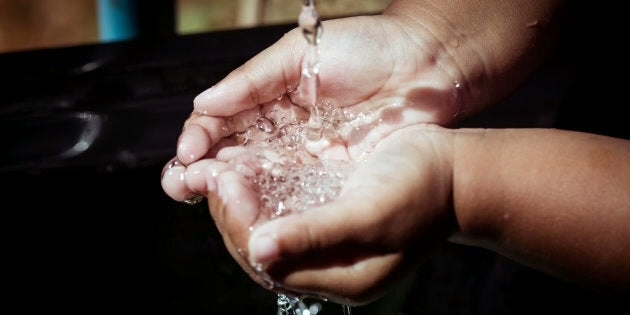
- Cool the burn immediately — run cool (not cold) water gently over the burn for about 10 to 20 minutes. This helps reduce pain, swelling, and the extent of tissue damage.
- Avoid using ice or very cold water — it can cause further tissue damage or worsen the injury.
- Remove tight items and clothing carefully around the burn area — but don’t pull off anything stuck to the skin.
- Protect the burn — cover it loosely with a sterile, non-fluffy dressing, or clean cloth to prevent contamination.
- Avoid breaking blisters — they act as a natural barrier against infection.
- Avoid applying creams, ointments, or household remedies right away, especially if you plan to use cling film or other burn dressings.
Why Proper First Aid Is Critical for Burn Management
Taking the right first aid steps is crucial because burns can worsen quickly if not cared for properly. Proper first aid:
- Limits the burn’s depth and size by cooling the skin and stopping the injury from progressing.
- Reduces pain and swelling immediately, improving comfort.
- Prevents infection by protecting the wound early with clean coverings.
- Improves healing outcomes and lowers the risk of scarring.
- Helps determine when to seek professional medical care, especially for second and third-degree burns or burns covering a large area.
In short, knowing the right first aid helps avoid complications and can be the difference between a minor injury and a serious medical emergency.
Can You Use Cling Film on Burns
What Is Cling Film and How Is It Used
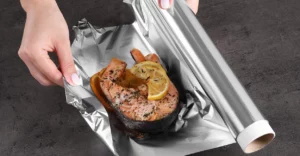
Cling film, also known as plastic wrap, is a thin, flexible, transparent plastic sheet commonly used in kitchens to cover and preserve food. Made from materials like PVC or low-density polyethylene, its main job is to create a tight seal over containers or food items to keep them fresh.
But beyond the kitchen, cling film has found a practical use in burn first aid—especially for minor to moderate burns. Because it’s sterile and easy to apply, cling film can help protect a burn wound from dirt, bacteria, and external contamination while you seek further treatment.
Why Cling Film Might Be Used on Burns
From a medical standpoint, cling film is often recommended in emergency care for burns because it acts as a barrier that reduces infection risk. Wrapping a burn with cling film helps:
- Protect the injury from airborne germs and dirt
- Keep the wound moist, which supports healing and reduces pain
- Prevent clothing or debris from sticking to the burn
- Make it easier to transport the injured person without causing further damage
Healthcare providers often suggest applying cling film loosely over a burn while waiting for professional help, especially if sterile burn dressings aren’t immediately available.
How to Apply Cling Film to Burns Safely
If you decide to use cling film as a temporary cover for a burn, follow these tips to avoid causing extra harm:
- Cool the burn first using cool (not cold) running water for 10–20 minutes to reduce heat in the skin
- Gently pat the area dry with a clean cloth without rubbing
- Use food-grade, non-adhesive cling film to avoid chemical exposure or sticky residue on the skin
- Wrap the burn loosely—don’t pull the cling film tight as this can cause more pain or restrict blood flow
- Cover the burn area fully but leave edges open enough for air to circulate a little
- Avoid wrapping very large burns with cling film; instead, use sterile burn dressings or seek immediate medical care
When Cling Film Should NOT Be Used on Burns
Cling film is not suitable for every burn situation. Avoid using cling film if:
- The burn is severe (third-degree) or involves large areas—it requires professional treatment and specialized dressings
- There are open blisters that have burst, as cling film may trap fluids and increase infection risk
- The burn is near sensitive areas like the eyes or genitals, where sterile dressings are better
- The skin shows signs of deep tissue damage or charring—this needs urgent medical attention
- The person is allergic or sensitive to plastics or adhesives used in some cling films
In these cases, it’s safer to keep the burn clean, cover it with a sterile, non-stick dressing, and get professional help fast.
Using cling film on burns can be a quick, practical first aid step to protect small to moderate burns. Just make sure to apply it correctly and know when to skip it for better care options.
Benefits of Using Food Grade Cling Film for Burns
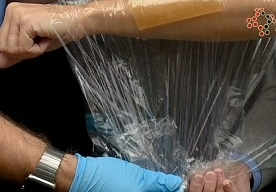
Using food grade cling film for burns offers notable advantages, particularly in home burn first aid situations. Here’s why it’s a smart choice for protecting burn wounds and aiding initial care:
Hygiene and Contamination Protection
One of the most important benefits of cling film on burns is its ability to create a clean barrier. When applied correctly, the cling film:
- Prevents dirt and bacteria from reaching the burn site, reducing the risk of infection.
- Keeps air and moisture out, which helps protect sensitive burnt skin from external irritants.
- Acts as a sterile cover to minimize contamination if you don’t have immediate access to medical dressings.
Ease of Use in Household Settings
Cling film is readily available in most kitchens across the U.S., making it an accessible quick fix right after a burn injury. Its flexibility means it can:
- Adapt to different burn sizes and shapes with minimal effort.
- Be applied swiftly without needing professional medical skills, which is critical in early burn management.
- Be safely removed or replaced without pulling on the wound, reducing pain and further skin damage.
Advantages of Artfullife Food Grade Cling Film in Burn Care
Choosing a high-quality food grade cling film like Artfullife’s can make a real difference in burn first aid due to:
- Non-toxic materials that are safe for direct contact with skin, unlike some low-grade plastics which may contain harmful chemicals.
- Superior cling and stretch properties that ensure a secure yet gentle wrap over the burn injury.
- Designed specifically for food safety standards, ensuring no residue or adhesive transfer that could irritate delicate skin.
- Easy tear and handling features make application more efficient during stressful burn emergencies.
Artfullife products are trusted by local U.S. households who want a safe, reliable option for emergency burn care and kitchen use alike. For more on what cling film is made of and its uses, check out What Is Cling Film.
Using the right food grade cling film like Artfullife ensures you balance immediate wound protection with safety and convenience, making it a practical first aid staple for burns at home.
Risks and Precautions of Using Cling Film on Burns
Using cling film on burns can be helpful, but improper use carries risks you need to know about. Here are some of the main dangers and precautions to keep in mind when treating burns with cling film or any food grade plastic wrap.
Potential Dangers of Improper Cling Film Use on Burns
-
Overheating and Adhesive Contact
Some cling films have adhesives or plasticizers that may irritate the skin or worsen a burn, especially if the film sticks directly to the wound. If the cling film is wrapped too tightly or left on too long, it might cause additional heat buildup, increasing pain or swelling.
-
Trapping Heat and Moisture
While cling film creates a protective barrier, it can also trap heat and moisture underneath if not applied properly. This environment can slow healing or encourage bacterial growth if the wound isn’t clean or properly cooled first.
-
Skin Sensitivity and Allergic Reactions
Certain plastics or additives used in cling film might trigger allergic reactions in sensitive individuals, worsening redness, itching, or inflammation.
When to Avoid Using Cling Film on Burns
-
Severe Burns (Third Degree or Large Surface Area)
Cling film is only suitable for minor burns like small first- or second-degree injuries. For deep, severe burns, do NOT use cling film—seek immediate professional medical care.
-
Open, Bleeding, or Infected Burns
If the burn is oozing, bleeding heavily, or shows signs of infection, cling film can trap bacteria and worsen the infection. Sterile dressings and professional treatment are necessary.
-
Burns with Blisters That Might Burst Easily
While cling film can protect intact blisters, if blisters break, the exposed skin is vulnerable. Avoid cling film in these cases unless advised by a healthcare provider.
When to Seek Professional Medical Care Instead of Self Treatment
To be safe and avoid complications, get professional help immediately if any of the following apply:
- Burn covers a large area of the body or is on sensitive areas like face, hands, feet, or genitals
- Burn is deep, white, charred, or painless (sign of nerve damage)
- Severe pain persists after first aid
- Signs of infection develop (increased redness, swelling, pus, fever)
- Difficulty breathing or inhalation injury suspected
- If you have any doubt about the nature or severity of the burn
Using cling film for burn first aid can be helpful, but only when used carefully and in the right situations. Understanding the risks helps you keep burn treatment safe and effective.
For more on cling film types and safe use, check out our guide on What Is Cling Film.
Alternative Remedies and Treatments for Burns
When it comes to burn care, cling film isn’t the only option. Understanding other effective first aid treatments for burns is key to proper care and recovery.
Cool Water Treatment
One of the most recommended immediate home remedies is cool running water. Applying cool water to a burn for at least 10 to 20 minutes can:
- Reduce skin temperature
- Limit tissue damage
- Relieve pain and swelling
Avoid using ice or very cold water as this can further damage the skin.
Sterile Dressings and Burn Dressings Alternatives
After cooling the burn, covering it with a sterile non-stick dressing helps protect the wound from dirt and infection. Common alternatives include:
- Burn gel dressings, which provide moisture and cooling
- Hydrocolloid dressings, promoting healing in deeper burns
- Sterile gauze pads loosely wrapped to avoid pressure on the burn site
Using sterile dressings prevents contamination and supports healing without sticking to the wound.
Burn-Specific Products
There are many over-the-counter products designed specifically for burns. These include:
- Burn creams and ointments that reduce pain and help prevent infection
- Aloe vera gels, which soothe inflammation and promote skin repair
- Antibiotic creams, useful if the burn skin breaks and shows signs of infection
While these products can be beneficial, it’s important to use them according to instructions and avoid anything that might irritate the burn further.
Comparing Treatments
- Cling film acts as a protective barrier but should be removed once professional help is available.
- Cool water is the first line of defense immediately after a burn.
- Sterile dressings offer longer-term protection and support healing.
- Burn creams and specialized products can help manage symptoms but are not substitutes for proper first aid.
When to Seek Medical Care
If a burn is larger than 3 inches, involves the face, hands, feet, or genitals, or shows signs of infection, professional medical attention is necessary. These cases require specialized treatment beyond simple first aid measures.
By knowing these alternative remedies alongside cling film use, you can confidently manage most minor burns safely at home, ensuring faster recovery and less risk of complications.
Step by Step Guide How to Safely Use Cling Film on Burns
Using cling film for burns can be a simple and effective way to protect the injury, but it’s important to follow the right steps to avoid complications. Here’s how to safely cover a burn with cling film while maintaining hygiene and comfort:
Preparing the Burn Site
- Cool the burn immediately by running it under cool (not cold) water for 10-20 minutes. This helps reduce pain and limits further tissue damage.
- Avoid applying creams, oils, or butter before wrapping; these can trap heat and increase infection risk.
- Gently pat the area dry with a clean cloth or sterile gauze. Do not rub the burn — this can cause more irritation.
- If there are any large debris or dirt particles, try to gently remove them without causing damage.
Choosing the Right Cling Film
- Use food grade cling film designed for household use, like Artfullife’s product, which is hygienic and safe for skin contact.
- Avoid cling film with added dyes, scents, or adhesives that could irritate sensitive burned skin.
- Use fresh, clean cling film to minimize the chance of introducing bacteria to the wound.
Handling Tips Before Wrapping
- Wash your hands thoroughly or wear disposable gloves to prevent contamination.
- Tear or cut a piece of cling film large enough to cover the entire burn area plus some extra margin around it.
- Avoid stretching the cling film too tightly; it should rest gently over the burn without applying pressure.
Wrapping Techniques to Avoid Complications
- Do not wrap the burn too tightly. The cling film should act as a protective barrier, not a tourniquet.
- Cover the whole burn and a small area of healthy skin around it to seal out air and bacteria.
- Leave the cling film in place until you get professional medical advice or until dry dressings can replace it.
- Avoid wrapping burns on joints too tightly, as swelling can cause discomfort and restrict movement.
- If the burn is on a part of the body prone to sweating or friction, check frequently for signs of moisture buildup which can increase infection risk.
When to Remove Cling Film
- Do not try to remove cling film yourself if the burn is severe, blistered, or worsening.
- For minor burns, you can remove cling film gently once the burn starts healing or if you apply a sterile dressing recommended by a healthcare provider.
- If there’s increased pain, redness, swelling, or unusual discharge under the cling film, remove it and seek medical attention immediately.
Using cling film correctly provides a hygienic, easy-to-use barrier that protects your burn from contamination and helps retain moisture, promoting better healing. Just remember to handle it carefully and seek professional care for serious burns.
Myths and Misconceptions About Cling Film and Burn Care
When it comes to using cling film on burns, there are plenty of myths floating around. It’s important to know the facts so you can provide safe and effective first aid.
Myth 1 Cling Film Traps Heat and Worsens Burns
Some believe that cling film makes burns hotter or causes the injury to worsen. In reality, cling film acts as a protective barrier, helping to reduce contamination and prevent infection, not increasing heat. However, it’s crucial to use it properly—do not wrap cling film too tightly or multiple layers that stop the burn from cooling down.
Myth 2 Any Cling Film Is Safe for Burns
Not all cling film is created equal. Food grade plastic wrap is recommended for burns because it’s safe for skin contact and free from harmful chemicals. Cheap or industrial cling films may contain adhesives or additives that could irritate the wound.
Myth 3 Cling Film Should Be Left on Burns Indefinitely
People often wonder how long to keep cling film on a burn. It should only be a temporary covering to protect the wound during transport or until professional care is available. Leaving cling film on too long can cause moisture buildup or trap heat—leading to further damage.
Myth 4 Cling Film Can Replace Medical Treatment
While cling film is great for immediate burn first aid like shielding a burn from dirt and germs, it’s not a substitute for professional medical care. Severe burns or burns with signs of infection always need a doctor’s evaluation.
Myth 5 It’s Safe to Use Cling Film on Any Burn
You shouldn’t use cling film on deep third degree burns, burns covering large areas, or burns with broken skin where skin grafting might be needed. These require specific medical treatments and might react poorly to cling film’s adhesive.
Key Takeaway
When used correctly, cling film can be a helpful part of safe household burn remedies to protect and cool minor burns. But understanding when and how to use it—and not relying on it as the only treatment—is key to good burn care.
Remember: Always combine cling film use with standard first aid steps like cooling with water and seeking medical help when needed. This balanced approach ensures burn wounds get the best possible start toward healing.