
















Are you tired of greasy stovetop splatters when cooking bacon? Want a foolproof way to get crispy bacon without the mess? You’re in luck! In this guide, we’ll show you how to cook bacon in the oven with aluminum foil for perfectly crisp results and effortless cleanup. As home cooks, we’ve all faced the chaos of frying bacon—but with Artfullife’s high-quality bacon and heavy-duty aluminum foil, you’ll master a game-changing method that saves time and stress. Let’s dive into this mess-free bacon cooking hack and elevate your breakfast game!
Why Cook Bacon in the Oven with Aluminum Foil
Cooking bacon in the oven using aluminum foil is one of the easiest and most efficient ways to prepare perfectly crispy bacon without the mess and hassle of stovetop cooking. This method offers several key benefits that make it a favorite for home cooks, especially when you want consistent results and simple cleanup.
Benefits of Oven Cooking Bacon
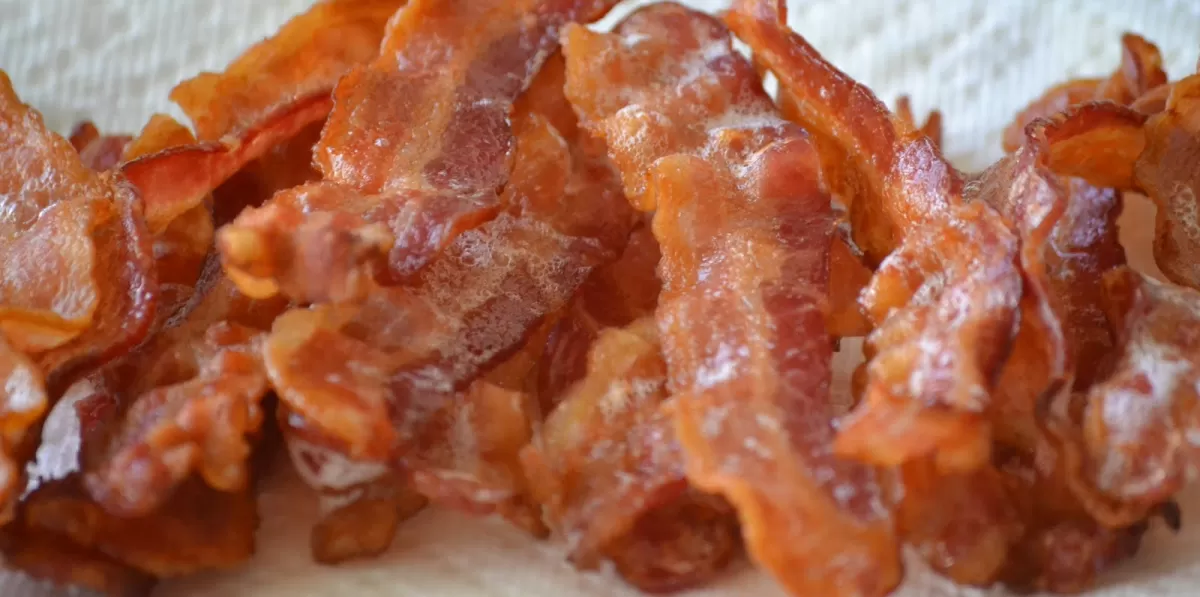
Oven-baked bacon provides evenly cooked strips with little to no curling, giving you that classic flat, crispy texture that’s perfect for sandwiches, salads, or breakfast plates. Unlike pan-frying, oven cooking allows you to cook a large batch at once, making it ideal for cooking bacon for a crowd. The slow and even heat helps render out the fat gently, preventing burning while maximizing flavor and crunch.
Other advantages include:
- Hands-off cooking: No need to constantly flip or monitor the bacon.
- Less splatter: Oven cooking minimizes grease splashes compared to stovetop frying.
- Consistent results: The even heat distribution ensures all slices are perfectly cooked.
Role of Aluminum Foil in Bacon Cooking
Using aluminum foil when baking bacon plays a vital role. It lines your baking sheet to catch the bacon grease, making cleanup a breeze — simply toss the foil afterwards or save the grease for later use. The foil also helps distribute heat evenly, preventing bacon from sticking and helping all slices cook uniformly.
For mess-free bacon cooking, foil acts as a reliable barrier that protects your baking pan and reduces scrubbing. If you’re using Artfullife’s high-quality, heavy-duty aluminum foil, you get extra durability that resists tearing, which is especially helpful during grease-laden cooking sessions.
Why Choose Artfullife Products for Oven-Baked Bacon
Artfullife aluminum foil stands out by combining strength and ease of use, making it an excellent choice for bacon lovers. Its extra-thick, premium construction resists punctures and can handle high oven temperatures without warping. Whether you’re cooking a few slices or a whole batch for meal prep, using Artfullife foil ensures:
- Effortless cleanup with less sticking and tearing.
- Better heat conduction for evenly cooked bacon every time.
- A trusted product that supports your cooking style with durability and convenience.
Switching to oven-baked bacon with aluminum foil and using quality products like Artfullife foil lets you enjoy delicious, crispy bacon with less effort and more flavor. Ready to perfect your bacon game? Let’s dive into the step-by-step guide!
Step by Step Guide to Cooking Bacon in the Oven with Aluminum Foil

Ingredients and Tools
To get started with this easy bacon cooking method, you’ll need:
- Bacon strips (thick or regular cut based on your preference)
- Aluminum foil (for mess-free bacon cleanup)
- Baking sheet or rimmed pan
- Tongs or a fork (for handling hot bacon)
- Paper towels (for draining excess grease after cooking)
Optional: a wire rack that fits inside your baking sheet can help if you prefer extra crispy bacon.
Preparation
- Line your baking sheet with aluminum foil. This is your cleanup lifesaver—foil catches all the grease and prevents sticking.
- Lay out your bacon strips in a single layer on the foil. Don’t overlap them to ensure even cooking and crispiness.
- For thicker cuts or if you like your bacon extra crispy, place a wire rack on top of the foil and arrange the bacon over the rack. This allows grease to drip away for a crisper finish.
Cooking Process
- Preheat your oven to 400°F. This temperature works well for getting crispy bacon without burning.
- Place the baking sheet on the middle rack of your oven.
- Bake for 15 to 20 minutes. Keep an eye on it after 12 minutes if it’s your first time or using thinner bacon. Cooking times can vary based on thickness and oven differences.
- No flipping needed—oven-baked bacon cooks evenly on one side.
Post Cooking
- Using tongs, carefully transfer the cooked bacon to a plate lined with paper towels to soak up excess grease.
- Let rest for a minute or two — this helps it crisp up even more.
- Discard the foil with the bacon grease or save the grease for cooking (storing bacon grease safely in a jar is convenient for later use).
This simple aluminum foil bacon method is the best way to cook bacon if you want crispy, mess-free bacon without the splatters and fuss of stovetop frying.
Tips for Perfect Oven-Baked Bacon with Aluminum Foil
When you’re cooking bacon in the oven with aluminum foil, a few key tips can take your crispy bacon to the next level. From picking the right bacon to handling temperature and flavor, here’s what I keep in mind for the best oven-baked bacon recipe every time.
Choosing the Right Bacon
- Go for thick-cut slices if you like meatier bacon that holds up well in the oven.
- Regular-cut works great for crispiness but watch closely to avoid burning.
- Opt for quality bacon from trusted brands to get consistent flavor and texture.
- If you prefer flavorful bacon, try smoked or maple-flavored varieties for an extra kick.
Temperature Variations
- Set your oven between 375°F and 400°F for ideal crispiness without burning.
- Lower temperatures (around 350°F) give you chewier bacon if you don’t want it super crisp.
- Avoid cranking the oven above 425°F; it can cause uneven cooking and smoke.
- Use a middle rack position for even heat distribution.
Preventing Splatters and Mess-Free Cooking
- Laying aluminum foil on your baking sheet catches grease for easy cleanup and reduces splatters inside the oven.
- For extra splash protection, fold up the sides of the foil to form a shallow tray — this contains grease perfectly.
- Avoid overlapping bacon strips to ensure even cooking and less grease overflow.
- Consider placing a wire rack on top of the foil to allow grease to drip away from the bacon, improving texture and clean-up.
Flavor Enhancements for Oven-Baked Bacon
- Sprinkle a little brown sugar, black pepper, or chili flakes on the bacon before baking to add sweetness or spice.
- A light brush of maple syrup or honey before cooking can give you a caramelized finish.
- For herb lovers, try adding fresh rosemary or thyme on top for subtle aroma.
- Experiment with smoked paprika or garlic powder for a savory twist.
Cooking Bacon for a Crowd
- Use large sheet pans lined with aluminum foil to cook multiple batches at once.
- Arrange bacon in a single layer with some space between pieces for even cooking.
- Keep pre-cooked bacon warm on a tray in a low oven set at 200°F if cooking in batches.
- Consider doubling ingredients and baking time proportionally — oven space is your limit here.
These tips help create perfectly cooked, crispy bacon with minimal mess and maximum flavor every time. Using aluminum foil not only makes cleanup simpler but also protects your oven from grease splatters, making it an ideal method for both everyday meals and cooking bacon for a crowd. For more on safe and effective aluminum foil use, check out this guide on food-grade aluminum foil packaging best practices.
Storage and Reheating Oven-Baked Bacon with Aluminum Foil
Storing Cooked Bacon
After cooking bacon in the oven with aluminum foil, proper storage is key to keeping it fresh and tasty. Here’s how to store cooked bacon:
- Cool completely before storing to prevent condensation and sogginess.
- Place the bacon in an airtight container or wrap it tightly in plastic wrap or aluminum foil.
- For best flavor and texture, store in the fridge and use within 4 to 5 days.
- If you want to keep it longer, freeze the bacon in a sealed freezer bag or container for up to 2 months.
- When freezing, separate the strips with parchment paper or wax paper to prevent sticking.
Reheating Tips for Oven-Baked Bacon
Reheating your oven-baked bacon correctly helps maintain that crispy texture without drying it out:
- Oven reheating: Place bacon on a baking sheet lined with foil and heat at 350°F for about 5-8 minutes.
- Microwave reheating: Lay bacon strips between paper towels on a microwave-safe plate and heat for 20-30 seconds. This is quick but may make bacon less crispy.
- Skillet reheating: Warm the bacon over medium heat for 1-2 minutes, flipping once to keep it evenly crisp.
- Avoid overheating, which can make bacon tough and lose flavor.
By storing and reheating bacon properly, you keep that fresh, crispy bacon in oven recipes ready for quick meals or bacon meal prep ideas during busy days. Plus, the aluminum foil bacon method makes cleanup easy while preserving leftovers perfectly.
Common Mistakes to Avoid When Cooking Bacon in the Oven with Aluminum Foil
Cooking bacon in the oven with aluminum foil is simple, but a few common mistakes can affect your results and cleanup. Avoid these to get perfectly crispy oven-baked bacon every time.
Using Thin or Low-Quality Aluminum Foil
Choosing the right aluminum foil is key. Thin foil can tear easily, causing grease to leak and create a mess in your oven. Use heavy-duty foil designed for cooking to keep cleanup easy and prevent drips.
Overcrowding the Pan
Placing too many bacon slices close together will make the bacon cook unevenly and steam instead of crisp. Arrange bacon strips in a single layer with space between them for the best results.
Skipping the Rack Layer
Cooking bacon directly on foil works, but using a baking rack lined with foil underneath helps. This allows excess grease to drip away, making bacon crispier and reducing sogginess.
Not Preheating the Oven
Placing bacon in a cold oven slows the cooking process and can lead to uneven cook times and texture. Always preheat your oven to the right temperature before starting.
Using Too High or Too Low Temperature
Set your oven at a moderate temperature (usually 400°F). Cooking bacon too hot can burn it quickly, while too low won’t crisp it up properly. Experiment with your oven if needed but aim for that sweet spot.
Ignoring Grease Drainage
If grease pools underneath the bacon during cooking, it can cause uneven texture and safety hazards when removing the pan. Proper foil folding or using a rack helps grease drain safely.
Forgetting to Rotate the Pan
Oven heat can be uneven depending on your oven model. Rotate the pan halfway through cooking for even browning and crispiness.
Leaving Cooked Bacon in the Hot Pan
Once cooked, don’t leave bacon on the foil-lined pan. Transfer it to a plate lined with paper towels to drain extra grease and keep it crunchy.
By avoiding these mistakes, you’ll master the aluminum foil bacon method for mess-free cooking and delicious, crispy results every time.
Creative Ways to Use Oven-Baked Bacon for Every Meal
Oven-baked bacon is not just about enjoying crispy strips on their own. Once you’ve mastered how to cook bacon in the oven with aluminum foil, you can get creative with it across all your meals. Here are some easy, tasty ideas for breakfast, lunch, dinner, desserts, and even meal prep.
Breakfast Ideas with Oven-Baked Bacon
Start your day right with these bacon-packed breakfast options:
- Classic Bacon and Eggs: Pair crispy bacon with scrambled or fried eggs for that unbeatable combo.
- Breakfast Sandwiches: Layer oven-baked bacon with cheese and egg on an English muffin or bagel.
- Bacon Breakfast Burritos: Wrap bacon, eggs, cheese, and veggies in a tortilla for an easy handheld meal.
- Avocado Toast Topped with Bacon: Add crumbled bacon on top for extra crunch and flavor.
Lunch and Dinner Ideas Featuring Oven-Baked Bacon
Bacon can add flavor and texture to many savory meals:
- BLT Sandwiches: Use crispy oven-baked bacon for your classic BLT with fresh lettuce and tomato.
- Salad Toppers: Chop and sprinkle bacon over garden or Caesar salads for a smoky crunch.
- Bacon-Wrapped Foods: Wrap chicken breasts, asparagus, or shrimp with bacon and bake for an easy main or side.
- Pasta and Pizza: Add bacon bits to carbonara-style pasta or as a topping on homemade pizza.
Dessert Ideas Using Oven-Baked Bacon
Surprisingly, bacon works great in sweets:
- Bacon Chocolate Bark: Mix chopped crispy bacon with dark chocolate for a salty-sweet treat.
- Bacon Maple Donuts: Use bacon as a topping or mixed into maple-glazed donuts.
- Candied Bacon: Coat bacon strips with brown sugar and bake again for a dessert-like crunch.
Meal Prep Ideas with Oven-Baked Bacon
Cooking bacon in the oven with aluminum foil makes meal prep easier and cleaner:
- Batch Cook and Store: Make a big tray at once, store in the fridge, and use throughout the week.
- Freeze for Later: Freeze cooked bacon in portions to pull out for sandwiches, salads, or snacks.
- Add to Ready Meals: Include crispy bacon in casseroles, soups, or breakfast bowls for quick meals.
Oven-baked bacon is versatile and easy to incorporate, making it a must-have ingredient in your kitchen for quick, delicious meals anytime. This method ensures consistent crispiness and mess-free cleanup, so you can focus on shaking up your everyday recipes without extra hassle.
FAQs About How to Cook Bacon in the Oven with Aluminum Foil
Can I use any type of aluminum foil for oven-baked bacon
Yes, standard aluminum foil works well for cooking bacon in the oven. Look for heavy-duty foil if you want extra strength to avoid tearing. Using foil helps with easy bacon cleanup by catching grease and preventing messes.
What temperature is best for crispy bacon in the oven
The best temperature to bake bacon crispy is usually 400°F (204°C). Cooking at this temperature balances slow rendering of fat and achieving crispiness without burning. Some prefer 375°F for slightly chewier bacon or 425°F for faster cooking, but 400°F is the sweet spot for most.
How long does it take to bake bacon perfectly with aluminum foil
Cooking time ranges from 15 to 20 minutes depending on your oven and bacon thickness. Start checking at 12 minutes to avoid overcooking. Adjust time based on desired crispiness and your specific oven model.
Can I cook bacon in the oven without aluminum foil
You can cook bacon on a wire rack or directly on the pan, but aluminum foil makes cleanup much easier by catching drips and grease. Foil also helps reflect heat evenly, resulting in better cooking consistency.
How do I prevent splatters when baking bacon
Using aluminum foil to line the baking tray helps contain splatters and grease messes. You can also fold up the edges of the foil slightly to contain drips. For extra protection, cover loosely with a second sheet of foil.
Can I cook bacon for a crowd using this oven foil method
Absolutely. The oven and foil method is ideal for cooking bacon for a crowd. Arrange strips on a large foil-lined baking sheet or use multiple sheets. It saves time, energy, and cleanup effort compared to pan-frying.
Is it safe to store and reuse bacon grease collected from foil
Yes, you can store bacon grease safely after cooking for later use. Strain out solids, store it in a clean jar in the fridge, and use it for frying or adding flavor to other dishes. The aluminum foil will catch the grease, making it easy to pour and save.
How to reheat oven-baked bacon to keep it crispy
To reheat bacon without losing crispness:
- Use a preheated oven at 350°F for 5-8 minutes on a foil-lined tray.
- Avoid microwaving as it can make bacon chewy.
- You can also reheat on a skillet over medium heat for 1-2 minutes.
Does the type of bacon affect cooking time and outcome
Yes, thicker cuts or center-cut bacon may require a few more minutes to cook thoroughly and get crispy. Thin-sliced bacon cooks faster but risks overcooking if unattended. Always adjust time for your specific bacon style.
Using aluminum foil to bake bacon in the oven is a straightforward, mess-free way to get perfectly cooked bacon every time. With these FAQs, you’ll master oven-baked bacon recipes with ease.