
















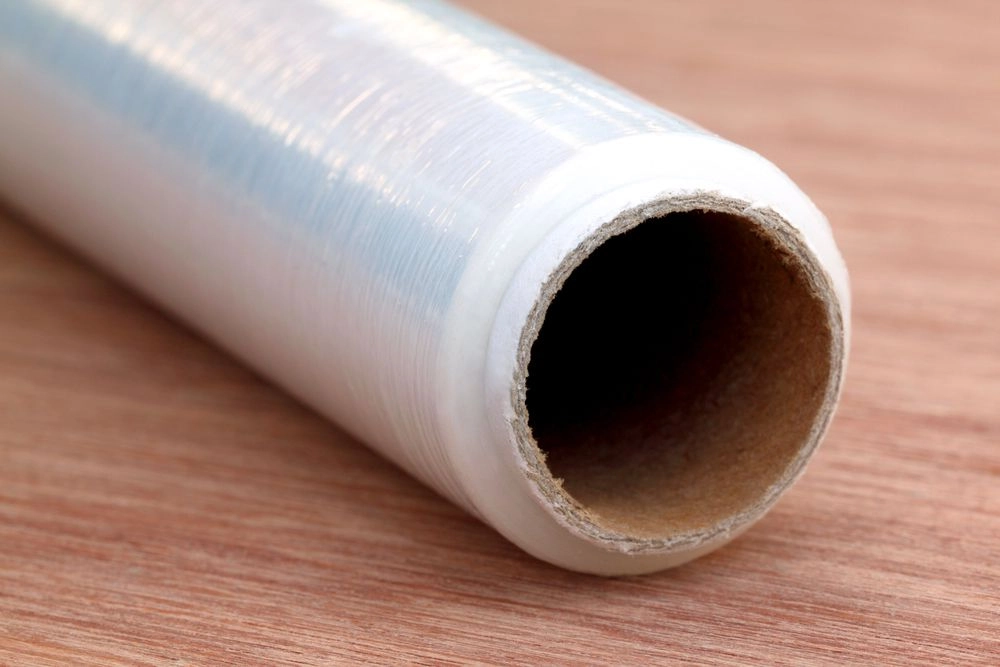
Struggling to figure out whether plastic wrap melts in the oven? You’re not alone! As a home cook, I’ve faced the same dilemma—wanting to keep food fresh and moist without risking a melted mess. Choosing the right kitchen wrap is key to safe, delicious cooking. In this guide, I’ll break down why plastic wrap and ovens don’t mix, share oven-safe alternatives, and reveal eco-friendly solutions from Ecoartfullife to make your kitchen greener. Let’s dive in and cook with confidence!
Does Plastic Wrap Melt in the Oven The Short Answer
If you’re wondering, does plastic wrap melt in the oven? — the short answer is yes, most plastic wraps will melt when exposed to typical oven temperatures. Standard kitchen plastic wrap generally has a melting point between 220°F and 250°F (104°C to 121°C). Meanwhile, most ovens operate at temperatures well above this range, often reaching 350°F to 450°F. This means if you put regular plastic wrap directly in the oven, it will not only melt but potentially release harmful chemicals.
Melting Points and Safety Concerns
Plastic wraps like Saran Wrap and Glad Wrap are designed mainly for cold or room temperature use, such as covering food in the fridge or microwave cooking at low heat. They are not formulated to be oven safe. When plastic wrap melts, it can stick to your food or your cookware, creating a mess that’s tough to clean. Additionally, melting plastic can release chemicals that might leach into your food, raising health concerns.
Professional Exceptions for Oven Use
In professional kitchens, some chefs use specially designed oven-safe plastic wraps made from materials with higher melting points. These wraps tolerate moderate oven temperatures without melting and are used for techniques like cooking sous-vide or covering dishes tightly during roasting. However, these wraps are labeled oven safe and should never be confused with household plastic wrap.
Bottom line: For everyday cooking, avoid putting regular plastic wrap in the oven. Stick to materials designed to handle high heat to keep your food safe and your kitchen clean.
Why Plastic Wrap in the Oven Is Controversial
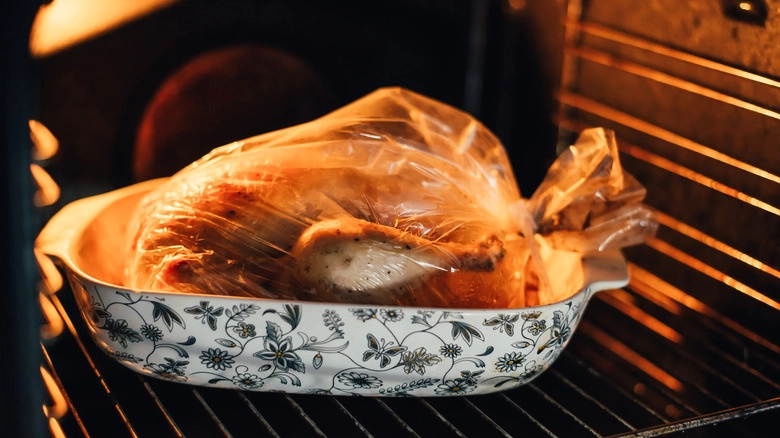
Plastic wrap and oven use don’t usually mix well because of melting risks. Most plastic wraps have a melting point around 200°F to 250°F, but ovens easily go beyond that, often hitting 350°F or higher. This means regular plastic wrap will likely melt or warp when exposed to typical oven temperatures.
Some professional chefs use special plastic wraps designed for cooking, like those labeled oven safe or made from heat-resistant materials. These wraps can handle moderate heat without melting, but they’re not the regular Saran Wrap or standard kitchen plastic film you find at home.
Manufacturers usually warn against putting regular plastic wrap in the oven because of chemical leaching concerns. When plastic melts or gets too hot, harmful chemicals could seep into your food. This raises safety issues around using plastic wrap for baking or roasting in home ovens.
In short, it’s risky to use traditional plastic wrap in the oven due to melting and health concerns, unless the wrap specifically says it’s oven safe or you’re using professional-grade products.
Safety Tips for Using Plastic Wrap in the Oven
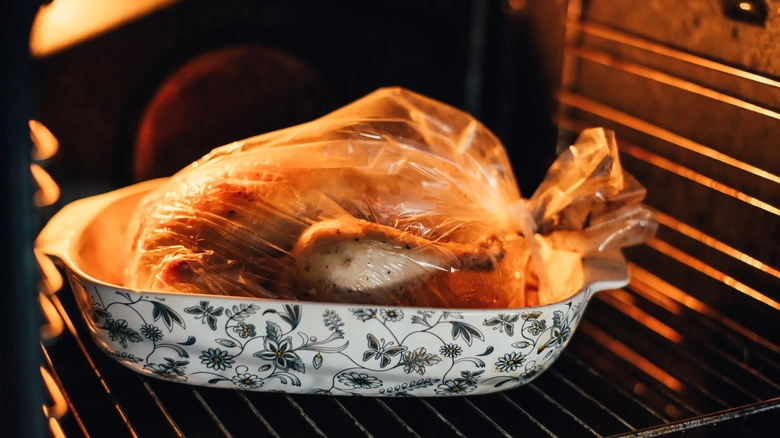
If you decide to use plastic wrap in the oven, it’s important to prioritize safety to avoid melting or harmful chemical exposure. Here are a few practical tips:
-
Use Commercial Grade Wrap with Foil
Some commercial-grade plastic wraps are designed to withstand low oven temperatures but should always be paired with aluminum foil. The foil protects the wrap from direct heat, reducing the risk of melting.
-
Avoid Direct Food Contact
Keep plastic wrap from touching hot food or oven walls. Heat can cause the wrap to melt and possibly leach chemicals into your meal, which is a concern with regular plastic wrap not labeled oven-safe.
-
Check Microwave Safe Labels
Many plastic wraps are labeled microwave-safe but that doesn’t mean they can go in the oven. Always double-check the packaging for any oven-specific temperature guidelines.
-
Monitor Oven Temperature Closely
Stay within temperatures well below the melting point of typical plastic wrap (usually under 220°F). Going above this increases the chance of melting and unsafe fumes.
For more detailed info about the types of safe plastic wraps, check out heating plastic wrap. Following these steps will help you use plastic wrap safely and avoid common mishaps in the kitchen.
Safer Alternatives to Plastic Wrap in the Oven
Using plastic wrap in the oven isn’t the safest choice, but there are better options that handle heat well without melting or releasing harmful chemicals.
Oven Bags for High Heat Cooking
Oven bags are designed to withstand high temperatures and trap moisture, making them perfect for roasting meats or vegetables. Unlike plastic wrap, they won’t melt or cause chemical leaching.
Aluminum Foil for Moisture Sealing
Aluminum foil is a classic go-to for oven cooking. It seals in moisture, keeps food tender, and can handle high oven temperatures without any issues. Just avoid using foil with acidic foods, as it can react and affect flavor.
Parchment Paper for Low Heat Cooking
For baking or cooking at lower temperatures (around 425°F or less), parchment paper is a safe choice. It doesn’t melt and provides a non-stick surface, plus it helps keep moisture in without any risk of plastic leaching.
Eco-Friendly Heat Resistant Options
If you want to stay green, look for reusable silicone baking mats or wraps made from beeswax or plant-based materials designed for heat. These options reduce waste and avoid the risks that come with traditional plastic wrap in the oven.
Choosing alternatives like oven bags, foil, or parchment paper keeps your cooking safe and your kitchen eco-friendly without compromising on convenience.
What to Do If Plastic Wrap Melts in Your Oven
If plastic wrap melts in your oven, act quickly but safely. First, turn off the oven and let it cool completely before touching anything. Avoid breathing in any fumes from the melted plastic because they can be harmful.
Immediate Actions and Safety
- Turn off the oven and unplug it if possible.
- Ventilate your kitchen by opening windows and turning on fans.
- Do not try to scrape melted plastic while the oven is still hot.
- Avoid inhaling fumes by stepping out for fresh air if the smell is strong.
Cleaning Melted Plastic from Oven
Once the oven has cooled down, gently scrape off as much plastic as you can using a plastic spatula or wooden tool to avoid scratching the oven’s surface. You can use warm, soapy water to clean residue, but never use harsh chemicals or abrasive scrubbers.
Avoiding Self Cleaning Cycles
Avoid running the oven’s self-cleaning cycle to remove melted plastic. The extreme heat can make the plastic fumes worse and potentially damage the oven. Instead, use manual cleaning methods after the oven cools and ventilate properly.
Following these steps will help keep your oven safe and clean without unnecessary damage or health risks from melted plastic wrap.
Eco Friendly Cooking Practices for the Modern Kitchen
When it comes to eco friendly oven cooking, being mindful about plastic wrap use is a big step. Traditional plastic wrap often ends up in landfills, taking hundreds of years to break down and sometimes releasing harmful chemicals during production and disposal. Reducing plastic wrap waste helps lower your kitchen’s environmental footprint.
Promoting sustainable kitchen habits means choosing safer, reusable, and biodegradable options whenever possible. For example, switching from single-use plastic wrap to eco-friendly storage bags, silicone lids, or compostable wraps can make a real difference. These alternatives help cut down on chemical leaching and plastic pollution without sacrificing convenience.
At Ecoartfullife, we’re committed to supporting sustainable kitchen choices. Our product range includes commercial grade plastic wraps certified for safer use, plus innovative eco-conscious wraps designed with durability and lower environmental impact in mind. To learn more about our mission and products, check out our detailed insights on pressure sensitive food wrap certification and explore eco-friendly kitchen wrap hacks.
Adopting these eco-conscious cooking practices not only protects your family but also contributes to a healthier planet for future generations.