















Are you tired of constantly replacing flimsy food containers that just don’t hold up to daily use? Finding the right durable and reusable food containers for daily use isn’t just about convenience—it’s a smart move for your health, wallet, and the planet. Whether you pack lunches, meal prep for the week, or need reliable storage for leftovers, choosing containers that last makes all the difference.
In this guide, you’ll discover what makes a food container truly durable, which materials stand the test of time, and how to pick the perfect fit for your lifestyle. Plus, we’ll show you why Artfullife is your go-to supermarket supplier for quality, reusable storage solutions designed to keep up with your day, every day.
Ready to upgrade your food storage game? Let’s get started!
Why Choose Durable and Reusable Food Medium-sized containers
Ever packed your lunch in a flimsy single-use plastic container, only to see it crack, leak, or warp after a few uses? Switching to durable and reusable food containers isn’t just about convenience—it’s a choice that impacts your wallet, your health, and the environment in a big way.
Environmental Benefits of Reusable Containers
Using eco-friendly food storage solutions helps cut down on plastic waste and single-use packaging that end up in landfills and oceans.
- Each reusable container can replace hundreds of disposable containers over its lifespan.
- Less demand for single-use plastics means lower carbon emissions from manufacturing.
- Many options are fully recyclable at the end of their use.
Cost Effectiveness Over Time
While disposable containers might seem cheap upfront, they quickly add up.
- A good reusable container can last years instead of days.
- You save money by not constantly buying replacements.
- Meal prep at home with reliable containers cuts down on takeout costs.
| Comparison | Disposable Containers | Durable Reusable Containers |
|---|---|---|
| Lifespan | 1–3 uses | 1–5 years+ |
| Long-term Cost | High over time | Low — one-time purchase |
| Waste Generated | High | Minimal |
Health and Safety Advantages
Cheap plastics can leach harmful chemicals into food, especially when heated. Choosing BPA-free food containers made with non-toxic materials keeps your meals safer.
- Look for BPA-free plastics, glass, stainless steel, or food-grade silicone.
- High-quality materials don’t retain odors or stains as easily.
- Safe for reheating in the microwave or storing in the freezer (as long as they are rated for it).
Everyday Convenience and Versatility
Reusable containers aren’t just for the kitchen—they work for lunch at the office, school snacks, road trips, and meal prepping.
- Leakproof for soups, sauces, and dressings.
- Stackable for organized storage.
- Multiple sizes for portion control and variety.
- Designed for microwave, freezer, and dishwasher safety, making daily use simple.
When you choose durable meal storage containers, you’re investing in a solution that lasts, supports a healthier lifestyle, and fits seamlessly into your everyday routine—without wasting money or harming the planet.
Popular Materials for Durable and Reusable Food Containers
When you’re choosing durable and reusable food containers for daily use, the material you pick makes all the difference in how long they last, how safe they are, and how convenient they’ll be in your routine. Here’s a quick rundown of the most popular options you’ll find in U.S. kitchens and lunch bags.
Glass Food Containers
- Pros: Long-lasting, non-porous (won’t absorb stains or odors), microwave and oven safe, keeps food tasting fresh.
- Cons: Heavier to carry, can break if dropped, not ideal for kids or heavy travel.
- Best for: Home meal prep, leftovers storage, and reheating meals without transferring dishes.
Stainless Steel Food Containers
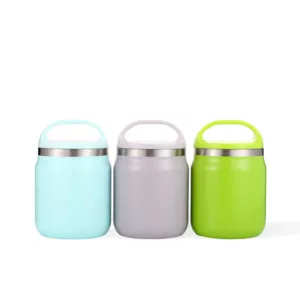
- Pros: Extremely durable, odor and stain resistant, lightweight for the strength they provide, and safe for both hot and cold foods. Many are insulated to keep meals warm or cold for hours.
- Cons: Not microwave safe, can be more expensive upfront.
- Best for: Work lunches, school meals, outdoor activities, and travel where durability matters.
BPA Free Plastic Food Containers
- Pros: Lightweight, affordable, available in many sizes and designs, great for portion control, microwave safe if labeled.
- Cons: Can stain over time, may hold odors, and typically have a shorter lifespan compared to glass or stainless steel.
- Best for: Busy households, kids’ snacks, and situations where you need something light and inexpensive to carry around.
Silicone Food Containers
- Pros: Flexible, virtually unbreakable, naturally leakproof with airtight lids, often collapsible for space-saving storage. Heat-safe for microwaves and ovens (check product specs).
- Cons: Can be more costly than basic plastics, some may retain odors if not cleaned well.
- Best for: On-the-go snacks, camping trips, or small kitchens where space is tight.
Quick Tip: Many people in the U.S. mix materials—glass at home for safe reheating, stainless steel for rugged travel, BPA-free plastic for lightweight carry, and silicone for flexible storage. The right choice often comes down to where and how you use them.
Key Features to Look for in Durable and Reusable Food Containers
When you’re picking durable and reusable food containers for daily use, it’s not just about grabbing something that looks nice. The right features can make your meal prep, storage, and cleanup much easier while keeping your food fresh and safe. Here’s what to look for:
Airtight and Leakproof Lids
A good container should seal tightly so your food stays fresh longer and doesn’t spill in your bag. This is especially important for lunch boxes, soups, or meal prep you take to work or school. Look for containers with snap-lock lids, silicone gaskets, or twist tops that are truly leakproof.
Stackability and Space Efficiency
If you’re short on cabinet or fridge space, stackable designs are a must. Containers with flat lids and uniform shapes let you store more in the same space and keep your pantry or fridge organized. This also helps when packing several containers in a cooler or lunch bag.
Size and Portion Control Options
Having multiple sizes makes it easier to pack the right amount of food. Small containers are great for snacks and dips, medium-sized lunch portions, and large ones for bulk storage. Some brands offer portion control layouts or compartment bento-style boxes for balanced meals.
Microwave, Freezer, and Dishwasher Safety
Daily use means your container should handle heating, freezing, and cleaning without cracking or warping.
- Microwave safe for quick reheats at work.
- Freezer safe so you can store leftovers or meal prep.
- Dishwasher safe for easy cleanup, especially if you rely on it every day.
Easy Cleaning and Maintenance
Choose containers with smooth interior surfaces that won’t trap food or odors. Wide openings also make them easier to hand-wash if needed. BPA-free, non-toxic materials are better for long-term health and safety.
Design Aesthetics for Modern Kitchens or Lunchboxes
Today’s food containers are more than just storage—they’re part of your kitchen style or on-the-go setup. Look for sleek stainless steel, colorful BPA-free plastic, or clear glass that can go from fridge to table. A nice design also makes you more likely to use them daily.
How to Choose the Right Food Container for Your Needs
Finding the right durable and reusable food containers comes down to knowing how you’ll use them daily. Not every container works for every situation, so matching your choice to your lifestyle will help you get the most out of your investment.
Matching Container Types to Lifestyle
Different needs call for different designs. Here are some quick matches:
- Work lunches – Choose leakproof bento boxes or microwave safe glass containers for reheating meals without transferring food.
- Meal prepping at home – Go for stackable glass or BPA-free plastic sets with multiple sizes for portion control and freezer storage.
- Kids’ snacks – Pick lightweight, stainless steel lunch boxes with silicone anti-scald protection for safety and easy handling.
- Travel and outdoor use – Look for compact insulated stainless steel containers to keep food hot or cold for hours.
Considering Storage Space and Durability
In U.S. kitchens where cabinet space is often limited, stackable and nesting containers are a smart choice. For long-term durability:
- Stainless steel offers years of use without absorbing odors.
- Tempered glass handles microwave and freezer temps but needs careful handling to avoid chips.
- High-quality BPA-free plastic is lightweight but choose thicker walls for better longevity.
Balancing Cost and Quality
It’s tempting to grab the cheapest set, but with food storage, quality pays off over time:
- Higher-grade materials last longer and resist warping, staining, or odor retention.
- Mid-range glass or stainless steel sets often outlast several rounds of cheaper plastic containers.
- Look for multi-use designs—microwave safe, dishwasher safe, freezer safe—so you don’t need separate sets for different tasks.
Tip: A good set of reusable containers should save you money within a year compared to buying disposable or replacing cheap ones frequently.
Tips for Maximizing the Lifespan of Your Durable and Reusable Food Containers
Taking good care of your durable and reusable food containers means they’ll last longer, stay safe to use, and keep your food tasting fresh. With the right habits, you can avoid early wear and save money in the long run.
Proper Cleaning to Avoid Stains and Odors
Food residue and oils can cling to containers and cause stains or lingering smells. To prevent this:
- Wash promptly after use with warm, soapy water.
- For tough stains (like tomato sauce), use a mix of baking soda and water to scrub gently.
- Avoid harsh scrubbers on glass or stainless steel to prevent scratches.
- For BPA-free plastic, keep it out of the dishwasher’s high-heat setting to avoid warping.
For more details on safe care for silicone options, check guides like are silicone bags safe for food storage.
Avoiding Thermal Shock for Glass Containers
Glass containers are strong but can crack if exposed to sudden temperature changes.
- Don’t place hot glass directly into the fridge or freezer.
- Let food cool before sealing lids to prevent pressure buildup.
- Use microwave-safe glass for reheating, but avoid putting frozen glass straight into the microwave.
Safe Stacking and Storage Tips
Proper storage keeps containers in top shape and saves space.
- Stack with lids removed or slightly ajar to prevent trapped moisture.
- Store heavier containers at the bottom, lighter ones on top.
- Keep silicone lids in a dry, flat position to prevent them from bending out of shape.
Knowing When to Replace Your Containers
Even the most durable meal storage containers will eventually show signs of wear. Replace when you notice:
- Deep scratches that can trap bacteria.
- Loose or cracked lids that affect leakproofing.
- Discoloration or strong odors that don’t fade after cleaning.
- Warping in plastic containers that prevents a proper seal.
Keeping up with these care routines helps extend the life of glass, stainless steel, silicone, and BPA-free food containers, whether you’re using them for meal prep, office lunches, or kids’ snacks.
Why Buy Durable Food Containers from Artfullife
Trusted Quality Assurance
Artfullife has earned a strong reputation as a reliable supermarket supplier by focusing on durable, reusable, and safe food storage solutions that meet everyday needs. Every container undergoes strict quality checks, ensuring they are BPA-free, food-grade, and built to last. This commitment means you get containers that can handle repeated daily use without warping, cracking, or absorbing food odors.
Wide Range of Durable and Reusable Containers
Whether you pack lunch for work, prep meals for the week, or store leftovers at home, Artfullife offers a variety of eco-friendly food storage solutions:
- Glass food containers – oven-safe, microwave-safe, and stain-resistant.
- Stainless steel lunch boxes – long-lasting, odor-resistant, and ideal for travel.
- BPA-free plastic containers – lightweight, affordable, and versatile.
- Silicone food containers – flexible, leakproof, and space-saving.
- Specialty options like insulated stainless steel lunch boxes, double-layer bento boxes, or portable thermal containers with included chopsticks and forks for on-the-go meals.
Local Availability and After Sales Support
Artfullife products are stocked in local supermarkets across the United States, making them easy to find when you need them. If you have any questions or issues, after-sales support is readily available through in-store help desks or customer service lines—something not all online-only brands can promise.
What Customers Love About Artfulife Containers
- Durability: Survive daily use and multiple dishwasher cycles without issues.
- Leakproof Performance: Perfect for soups, sauces, and on-the-go meals.
- Variety of Sizes: From kids’ snack containers to large meal prep boxes.
- Practical Features: Airtight lids, stackable designs, and temperature resistance for microwave, freezer, and lunch bag use.
Artfullife makes it easy to choose reliable, eco-friendly, and long-lasting food containers while keeping convenience and real-life needs in mind.