
















How to increase sales while keeping food fresh is a major challenge for supermarket buyers. Choosing the right food wrap, especially microwave-safe plastic wrap, can greatly improve this problem.
I will show you how to choose the best microwave oven safe plastic cling film to ensure high quality products and customer satisfaction. We will explore the advantages and characteristics of these films, learn how to extend shelf life, and provide brand comparison and use of recommendations. By understanding safety standards and certification, you can confidently deliver the safest products to your customers.
Read on to learn more about microwave-safe plastic film selection tips, how to meet customer needs, and how to increase overall supermarket sales and product freshness with these choices
1.Advantages and characteristics of microwave-safe plastic food cling film
Microwave safe food wrap can withstand the heat and conditions of microwave cooking without melting or releasing harmful chemicals. These wraps are typically made from materials that are safe for food contact and do not contain substances such as Bisphenol A or phthalates. Benefits include maintaining the integrity of the food, preventing contamination and ensuring safety during the heating process. Characteristics to look for include heat resistance, non-toxicity and durability. Understanding these characteristics helps buyers choose products that meet health and safety standards while providing convenience for consumers.
2.How to Improve the Freshness of Microwave-Safe Plastic Food Wraps
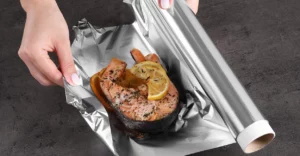
Freshness is critical to customer satisfaction and repeat purchase rates. Microwave safe plastic food wrap helps keep food fresh by providing a tight seal that prevents air and moisture from entering. This seal slows down the oxidization process and microbial growth, keeping food fresher for longer. Additionally, these cling films can be used to reheat food in the microwave without having to transfer the food to another container, thus reducing the risk of contamination and preserving the original flavor and texture of the food. This convenience and functionality directly contributes to longer shelf life and less food waste.
Cling Film Material Comparison
| Material | Advantages | Disadvantages |
| PE | High clarity and flexibility, good barrier properties against moisture, lightweight, resistant to chemicals and low temperatures, recyclable. | Lower heat resistance, not suitable for high-temperature applications, potential environmental impact if not properly recycled. |
| PVC | High cling strength, excellent barrier properties against oxygen and moisture, very clear, affordable. | Contains plasticizers that may leach into food, lower recyclability, less environmentally friendly. |
| LDPE | Durable, flexible, resistant to impact and chemicals, good barrier properties against moisture, recyclable. | Lower heat resistance, can be more expensive than other plastics, not suitable for high-temperature applications. |
| PLA | Biodegradable, compostable, made from renewable resources, good clarity, and barrier properties against oxygen and moisture. | More expensive than conventional plastics, lower heat resistance, limited availability, not as durable. |
3.Choosing the Best Microwave Safe Plastic Cling Film for Supermarket Shelves
- Choosing the best microwave safe food cling film requires several factors to be considered such as material quality, thickness, adhesive properties and ease of use.
- Buyers should look for cling film that is easy to cut and handle, has a strong seal, and does not leave residue on food or containers.
- Checking customer feedback and conducting in-store trials can also help identify the most reliable and popular brands.
- By stocking high-quality cling film, supermarkets can increase customer satisfaction and loyalty, leading to increased sales.
Safety standards and certification for microwave-safe plastic food packaging
- Ensuring that plastic food packaging meets safety standards and certifications is critical to protecting consumer health.
- Key safety standards and certifications to look for are FDA approval, BPA-free labeling, and compliance with food contact regulations.
- Understanding these standards helps buyers choose products that are safe to use and free of harmful chemicals.
- Providing customers with certified safe products can enhance a store’s reputation and earn the trust of health-conscious consumers.
Summarize
By using high quality PE food cling film, you can not only significantly extend the shelf life of your food products, but also improve customer satisfaction and increase sales. We firmly believe that choosing our products will bring your business a whole new level of growth opportunities and competitive advantages. Let our PE food cling film be an important partner in your business success!
Act Now! Choose our high quality PE food cling film to ensure your goods are always fresh and attract more customers! Click here to learn more and place your order for higher satisfaction and sales for your business!
FAQ
Common Questions and Answers Related to Food Wrap Tips for Buyers
- Q: What are the key benefits of using PE (Polyethylene) food wraps?
A: PE food wraps offer high clarity and flexibility, excellent moisture barrier properties, lightweight characteristics, resistance to chemicals and low temperatures, and recyclability, making them an ideal choice for preserving food freshness. - Q: How do microwave-safe plastic food wraps improve food freshness?
A: Microwave-safe plastic food wraps create a tight seal that prevents air and moisture from entering, slowing down oxidation and microbial growth. This helps maintain the original flavor, texture, and freshness of the food. - Q: What should I look for when choosing the best microwave-safe plastic food wrap?
A: Look for wraps made from high-quality materials, with good thickness, strong adhesive properties, ease of use, and certifications like FDA approval. Reviews and in-store trials can also help identify reliable brands. - Q: Are there any safety concerns with using plastic food wraps in the microwave?
A: It is important to use only microwave-safe plastic wraps, as others may melt or release harmful chemicals when heated. Check for labels indicating microwave safety and certifications ensuring the product is free from substances like BPA. - Q: What are the environmental impacts of using plastic food wraps?
A: Traditional plastic wraps can contribute to environmental pollution if not properly recycled. However, choosing recyclable materials like PE or biodegradable options like PLA can help mitigate these impacts. - Q: Why are customers opting for microwave-safe plastic food wraps?
A: Customers prefer microwave-safe wraps for their convenience, safety, and versatility. They allow for easy reheating of food without transferring to another container, ensuring food safety and preserving quality. - Q: How can I maximize the shelf life of food using plastic wraps?
A: Ensure a tight seal when wrapping food, avoid direct contact with high-fat foods in the microwave, and store wrapped food at the correct temperature. Educating staff and customers on proper usage can also help. - Q: What are some innovative uses of microwave-safe plastic food wraps?
A: These wraps can be used for steaming vegetables, covering dishes to prevent splatters, and creating portion-controlled meals. Their versatility makes them useful for various cooking and storage needs. - Q: Is it worth investing in high-quality microwave-safe plastic food wraps?
A: Yes, investing in high-quality wraps can lead to reduced food waste, extended shelf life, and increased customer satisfaction. The initial higher cost is often offset by the long-term benefits. - Q: Are there eco-friendly options for microwave-safe plastic food wraps?
A: Yes, there are biodegradable wraps like PLA and wraps made from recycled materials. These options are better for the environment and appeal to environmentally conscious customers.
| FDA Guidelines on Food Contact Substances: |
| Citation: U.S. Food and Drug Administration. “Food Contact Substances.” FDA, www.fda.gov/food/food-ingredients-packaging/ |
| Summary: This source provides guidelines and regulations regarding materials used in food packaging, including plastic wraps. It ensures that the materials are safe for food contact and provides necessary information about compliance. |
| The sticky problem of plastic wrap: |
| Citation: National Geographic. “Plastic Wrap: How It’s Made and How It Affects the Environment.” National Geographic, www.nationalgeographic.com/environment/article/plastic-wrap. |
| Summary: This article discusses the environmental impacts of plastic wraps, including their contribution to pollution and waste. It also explores alternative materials and the importance of recycling. |
| Consumer Preferences for Food Packaging: |
| Citation: Mintel. “US Food Packaging Trends Market Report 2023.” Mintel Reports, US Food Packaging Trends Market Report 2023 |
| Summary: This report examines consumer preferences and trends in food packaging, including the demand for convenience, safety, and eco-friendly options. It provides insights into what buyers look for in food wraps. |
| Best Practices for Food Preservation: |
| Citation: University of Minnesota Extension. “Preserving and preparing food safely” University of Minnesota, Preserving and preparing food safely |
| Summary: This source offers best practices for preserving food, including the use of plastic wraps to maintain freshness and extend shelf life. It provides practical tips and techniques for effective food storage. |
| Innovation in Food Packaging: |
| Citation: Packaging Digest. “Best in New Food and Beverage Packaging” Packaging Digest, https://www.packagingdigest.com/food-beverage/best-in-new-food-and-beverage-packaging |
| Summary: This source explores recent innovations in food packaging technology, including advancements in plastic wraps. It covers new materials, improved safety features, and sustainability efforts. |
| Impact of Packaging on Food Waste: |
| Citation: Food and Agriculture Organization of the United Nations. “Packaging as a means to reduce food loss and waste.” FAO, https://www.fao.org/europe/events/detail/packaging-as-a-means-to-reduce-food-loss-and-waste/en |
| Summary: This source discusses the role of packaging, including plastic wraps, in reducing food waste. It emphasizes the importance of proper packaging in extending shelf life and minimizing spoilage. |