
















Looking for the perfect insulated lunch boxes for hot and cold food can feel overwhelming with so many options out there. But if you want a lunch box that actually keeps your meals fresh—whether piping hot or nicely chilled—you’re in the right place.
In this post, you’ll discover exactly what makes a great insulated lunch box work for both hot and cold foods, what features really matter, and how to pick one that fits your daily routine. We’ll also take a quick look at top models, plus handy tips to keep your lunch box performing at its best.
Whether you’re packing meals for work, school, or travel, understanding these essentials will help you make a smart, hassle-free choice. Ready to learn more about the best thermal lunch boxes that keep your food just right? Let’s get started!
What Are Insulated Lunch Boxes for Hot and Cold Food
Insulated lunch boxes are specialized food containers designed to keep your meals at a safe and enjoyable temperature for hours — whether warm or chilled. Unlike standard lunch boxes, these use thermal insulation technology to lock in heat for hot meals or maintain coolness for cold dishes. They have become a go-to choice for students, office workers, travelers, and outdoor enthusiasts who want to enjoy fresh, homemade meals on the go.
Definition and Types of Insulated Lunch Boxes
An insulated lunch box is made with temperature-retaining layers that slow down heat transfer between the inside and the outside environment. The main types include:
- Stainless steel insulated lunch boxes – durable, long-lasting, often with vacuum insulation for superior performance.
- BPA-free plastic insulated lunch containers – lightweight and cost-effective, usually paired with foam or double-wall insulation.
- Insulated bento boxes – Designed with multiple compartments to separate different types of food.
- Vacuum insulated food jars – ideal for soups, stews, and hot or cold beverages.
- Double-layer and triple-layer thermal lunch boxes – allow separation of hot and cold foods within one unit.
How Insulation Technology Works
The effectiveness of an insulated lunch box comes down to its construction and insulation method. Most high-quality models use:
- Vacuum insulation – Removes air between walls to prevent heat transfer, keeping food warm or cold for longer.
- Foam or thermal lining – Adds an extra barrier against temperature loss.
- Silicone seals – Help trap temperature inside and prevent leaks.
By minimizing heat conduction, convection, and radiation, these containers can keep food hot for up to 6–12 hours or cold for up to 12–24 hours depending on product quality.
What Makes a Lunch Box Effective for Both Hot and Cold Food
For a lunch box to be perfect for hot and cold food storage, it must:
- Have separate, insulated compartments to keep hot and cold meals from affecting each other.
- Feature high-grade insulation materials such as stainless steel with vacuum sealing.
- Include airtight, leak proof lids that prevent spills while locking in temperature.
- Be portable, lightweight, and sturdy enough for daily use.
When combined, these features ensure your soup stays piping hot and your salad stays crisp and cool, all in the same convenient container.
Key Features to Look for in Insulated Lunch Boxes for Hot and Cold Food

When choosing insulated lunch boxes for hot and cold food, certain features make a big difference in performance, convenience, and longevity. Here’s what you should focus on before buying:
Material Quality
- Stainless Steel: Durable, safe for direct contact with food, and retains temperatures well. Look for food-grade 304 stainless steel for the best results.
- BPA-Free Plastics: Lightweight and safe for food storage without harmful chemicals.
- Silicone Seals: Flexible, heat-resistant, and help create an airtight, leakproof closure.
Insulation Effectiveness
- Vacuum Flask Technology: Keeps temperatures steady for hours by minimizing heat transfer.
- Multi-Layer Insulation: Combines foam, foil, and steel layers for maximum hot/cold retention.
- Good insulation ensures your soup stays hot through lunchtime or your salad stays chilled until you eat.
Size and Compartments
- Choose bento-style or compartment lunch boxes to separate hot and cold dishes.
- Different sections prevent flavors from mixing and help maintain the right temperature for each food type.
- For more on multi-compartment options, check out compartment lunch box solutions.
Durability and Leakproof Design
- Reinforced outer shells and impact-resistant lids are ideal for daily use.
- Double silicone rings or pressure-release valves help keep liquids contained, even when carrying soups or sauces in your bag.
Portability and Locking Mechanisms
- Secure locking clips prevent spills during transport.
- Lightweight designs with a sturdy handle or carrying bag make it easier to pack for office, school, or travel.
Ease of Cleaning
- Dishwasher-safe parts save time on cleanup.
- Wide-mouth containers make it easy to reach every corner for handwashing when needed.
- Detachable silicone gaskets can be removed and cleaned to avoid trapped odors.
Well-built portable insulated lunch boxes not only keep your meals at the right temperature but also save money and reduce waste by avoiding takeout packaging. If you often store fresh food at home or work, pairing your lunch containers with sustainable food storage solutions such as eco-friendly PE food bags will help you keep ingredients fresher for longer.
Benefits of Using Insulated Lunch Boxes for Hot and Cold Food
Using insulated lunch boxes for hot and cold food isn’t just about convenience—it’s also about safety, savings, and reducing waste. Here’s why they’re a smart choice for daily use in the U.S.
Better Food Safety and Health
- Keeps food at safe temperatures to help prevent bacteria growth, which is a big deal if you’re packing meals for kids or have a long commute.
- Helps you avoid foodborne illnesses by keeping hot foods above 140°F and cold foods below 40°F for hours.
- Ideal for packing sensitive items like dairy, meats, or seafood without worrying they’ll spoil before lunch.
Convenience for Busy Lifestyles
- Perfect for work, school, or travel—no need to hunt for a microwave or fridge.
- One container for both hot and cold foods means you can pack soup and salad together without mixing temperatures.
- Saves time in the morning—pack once and you’re ready to go.
Cost Saving and Eco-Friendly
- Cuts down on eating out as you can prep meals at home for a fraction of restaurant prices.
- Reduces waste from single-use takeout containers, plastic bags, and disposable utensils.
- Over time, a quality insulated lunch box pays for itself with what you save on lunches.
Sustainability with Reusable Containers
- Durable materials like stainless steel or BPA-free plastics are built to last for years.
- Encourages a zero-waste lifestyle—just wash and reuse instead of tossing.
- Many insulated lunch boxes are now designed with eco-conscious manufacturing practices in mind.
Comparison of Popular Insulated Lunch Boxes for Hot and Cold Food
When you’re choosing an insulated lunch box for hot and cold food, the market offers plenty of options—each with its own pros, cons, and price points. Here’s a quick breakdown of some popular styles and what you can expect in terms of value and performance.
Stainless Steel Insulated Lunch Boxes
Best for: Work, school, and travel when you need maximum temperature control.
- Price Range: $25–$50+
- Pros: Excellent heat retention (4–8 hours), durable, usually leak proof, no odor absorption.
- Cons: Slightly heavier, can be pricier than plastic options.
- Ideal For: People who take soups, stews, or hot meals daily.
Insulated Bento Lunch Boxes
Best for: Packing both hot and cold items in separate compartments.
- Price Range: $20–$40
- Pros: Multiple sections to keep food separate, often come with silicone seals to prevent leaks, perfect for portion control.
- Cons: May not keep food hot for as long as single-container thermal jars.
- Ideal For: Kids’ lunches, office meals with mixed hot and cold dishes.
Vacuum Insulated Food Jars
Best for: Keeping a single meal piping hot or cold for several hours.
- Price Range: $15–$35
- Pros: Superior insulation (6–9 hours), compact, excellent for one-dish meals.
- Cons: Limited capacity, no compartment separation.
- Ideal For: Soups, pasta, oatmeal, chilled salads, and smoothies.
Durable Plastic Insulated Lunch Boxes
Best for: Shorter trips or moderate temperature retention needs.
- Price Range: $10–$25
- Pros: Lightweight, budget-friendly, wide variety of designs, often BPA free like reusable silicone food storage bags that are safe for kids.
- Cons: Not as effective at keeping food hot for long periods, can stain over time.
- Ideal For: Light lunches, cold snacks, or short commutes.
Price vs Performance
| TypeAgg | . Heat Retention | Leak Proof | Weight | Price Range | Best For |
|---|---|---|---|---|---|
| Stainless Steel | 4–8 hrs | Yes | Medium-Heavy | $25–$50+ | Daily hot meals |
| Bento Style | 3–5 hrs | Yes | Medium | $20–$40 | Mixed hot & cold |
| Vacuum Jar | 6–9 hrs | Yes | Medium | $15–$35 | Single hot or cold dish |
| Plastic | 1–3 hrs | Varies | Light | $10–$25 | Short-term storage |
When it comes to portable insulated lunch boxes in the U.S., most buyers want something durable, leak proof, and easy to carry. If you regularly mix hot chili with a side salad or keep yogurt cold until lunchtime, a dual-compartment bento is worth it. But for long workdays where you need your food hot until late afternoon, vacuum insulated stainless steel is still the top performer.
For those who want more separation between foods without losing freshness, many shoppers pair their lunch boxes with reusable food storage solutions like bento lunch box containers to keep items fresh and mess free.
How to Use and Maintain Your Insulated Lunch Box for Optimal Performance
Keeping your insulated lunch box for hot and cold food working at its best comes down to using it the right way and taking care of it. A good routine can make a big difference in how long it keeps your meals fresh and safe to eat.
Preheat or Prechill Before Packing
The biggest mistake people make is tossing in food without prepping the container. The temperature inside the lunch box matters from the start.
For hot meals:
- Fill the container with boiling water and let it sit for 3–5 minutes.
- Empty the water, then add your hot food immediately and seal the lid.
For cold meals:
- Place the lunch box in the fridge or freezer for about 15–20 minutes before use.
- Add cold food straight from the fridge, then close tightly to keep the chill locked in.
Pack Hot and Cold Foods Separately
Most thermal lunch boxes with multiple compartments make this easy, but how you pack them matters.
Tips to keep temperatures where they should be:
- Use separate insulated containers inside your lunch box—one for hot, one for cold.
- Add a small ice pack next to cold items if you eat hours later.
- Always seal hot food tightly to keep steam from warming your cold sides.
- Avoid mixing hot and cold in the same compartment—heat and cold fight each other.
Clean and Store the Right Way
A well-cleaned leak proof insulated lunch box not only lasts longer but also keeps your food safe.
- Hand wash stainless steel containers with warm soapy water (dishwasher-safe parts can go in the machine if noted by the manufacturer).
- Remove all silicone seals and gaskets during cleaning to prevent bacteria buildup.
- Air dries completely before storing—closing them, closing them while damp can lead to odors or mold.
- Store with the lid loosely placed or open to prevent trapped moisture.
Extra Care Tips:
- Avoid using bleach or harsh cleaners—these can damage insulation.
- Do not microwave vacuum-insulated stainless steel containers.
- Check seals regularly—replace if they crack or lose flexibility.
With these simple steps, your portable insulated lunch box can keep your soups piping hot, your salads crisp cold, and your meals tasting as fresh as when you packed them—whether it’s for work, school, or travel.
Why Choose Artfullife Insulated Lunch Boxes for Hot and Cold Food
Commitment to Quality and Reliability
Artfullife has built a strong reputation in the U.S. market as a trusted supermarket supplier for durable insulated lunch containers that actually work. We focus on high-quality materials like food-grade stainless steel, BPA-free plastics, and silicone seals so your food stays safe, fresh, and at the right temperature. Every lunch box goes through strict quality control to ensure temperature retention, leak-proof performance, and durability.
Wide Range of Products for Every Lifestyle
Artfullife designs insulated lunch boxes for work, school, and outdoor activities—making them a fit for students, busy professionals, travelers, and anyone who wants fresh meals on the go. Our collection includes:
- Stainless steel insulated lunch boxes for heavy-duty use
- Vacuum-insulated food containers for maximum heat or cold retention
- Insulated bento boxes with multiple compartments for hot and cold foods
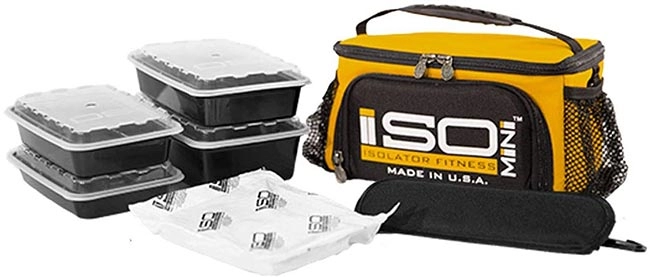
- Portable insulated lunch boxes with carrying bags for easy transport
- Leak-proof thermal jars for soups, stews, and sauces
Real Feedback from U.S. Customers
Many U.S. buyers share that Artfullife insulated lunch boxes:
- Keep food hot for up to 6–8 hours and cold for up to 10–12 hours
- Prevent spills even with liquids like soup
- Hold up for years without losing insulation performance
- Make meal prep easier and cheaper than eating out daily
Easy Purchase Options and Special Offers
You can find Artfullife lunch boxes in major supermarkets, local stores, and through online retailers across the United States. We regularly offer bundle deals, seasonal discounts, and promotions for both individuals and bulk buyers. Plus, our satisfaction guarantee means if your lunch box doesn’t perform as promised, we’ll make it right.
Frequently Asked Questions about Insulated Lunch Boxes for Hot and Cold Food
How long can insulated lunch boxes keep food hot or cold
Most high-quality insulated lunch boxes can keep food hot for 4–6 hours and cold for 6–12 hours, depending on the model, insulation type, and ambient temperature.
- Premium vacuum insulated stainless steel containers often hold heat up to 8 hours or more.
- If you preheat with hot water or pre-chill with ice packs before packing, you’ll get even better results.
- Smaller containers may lose heat or cold faster than larger ones due to surface area exposure.
Are insulated lunch boxes microwave or dishwasher safe
- Stainless steel insulated lunch boxes are not safe for microwaves (metal + microwave = safety risk).
- Many BPA-free plastic insulated lunch boxes have removable inner containers that are microwave-safe, but always check the label.
- For dishwasher safety: stainless steel containers are generally safe for the top rack, but lids with silicone seals or locking mechanisms should be hand washed to maintain their seal integrity.
What is the best material for an insulated lunch box
- Stainless steel is the top choice for durability, temperature retention, and safety. It’s rust-resistant, long-lasting, and doesn’t absorb odors.
- BPA-free plastics are lighter and good for short-term heat retention but generally don’t hold temperatures as long as stainless steel.
- Silicone seals are important for leak-proof performance and safe food storage, especially for soups or sauces.
Best picks for US buyers:
- Vacuum insulated stainless steel lunch box – for all-day temperature retention.
- Stainless steel bento box with silicone seal – for separating multiple types of foods without leaks.
- Lightweight BPA-free lunch box – for school or short workdays.
Can I store soups and liquids without leaking
Yes, as long as your lunch box is truly leak-proof and has a tight silicone seal.
- Look for locking lids and double-sealed designs.
- Some premium models have a pressure release valve to make opening easier with hot liquids.
- Always transport liquid foods like soups upright if possible, and avoid overfilling to leave space for expansion.
Tip: For packing soups, chili, or stews, I recommend a stainless steel food jar with vacuum insulation — it’s the most reliable option to keep things hot and leak-free.