













Is Microwaving Plastic Wrap Safe? Your Guide to Safe and Sustainable Kitchen Practices
You’ve probably covered a bowl of leftovers with plastic wrap and popped it in the microwave without a second thought. But is microwaving plastic wrap really safe? With growing concerns about chemical leaching, BPA, and health risks, it’s time to get clear answers. As eco-conscious kitchen enthusiasts, we at Ecoartfullife have dug into the science and real-world insights to bring you a no-nonsense guide. From microwave-safe labels to eco-friendly alternatives, this post will help you make informed choices for a healthier, greener kitchen. Let’s dive in!
What Is Plastic Wrap and How Is It Used in Microwaves
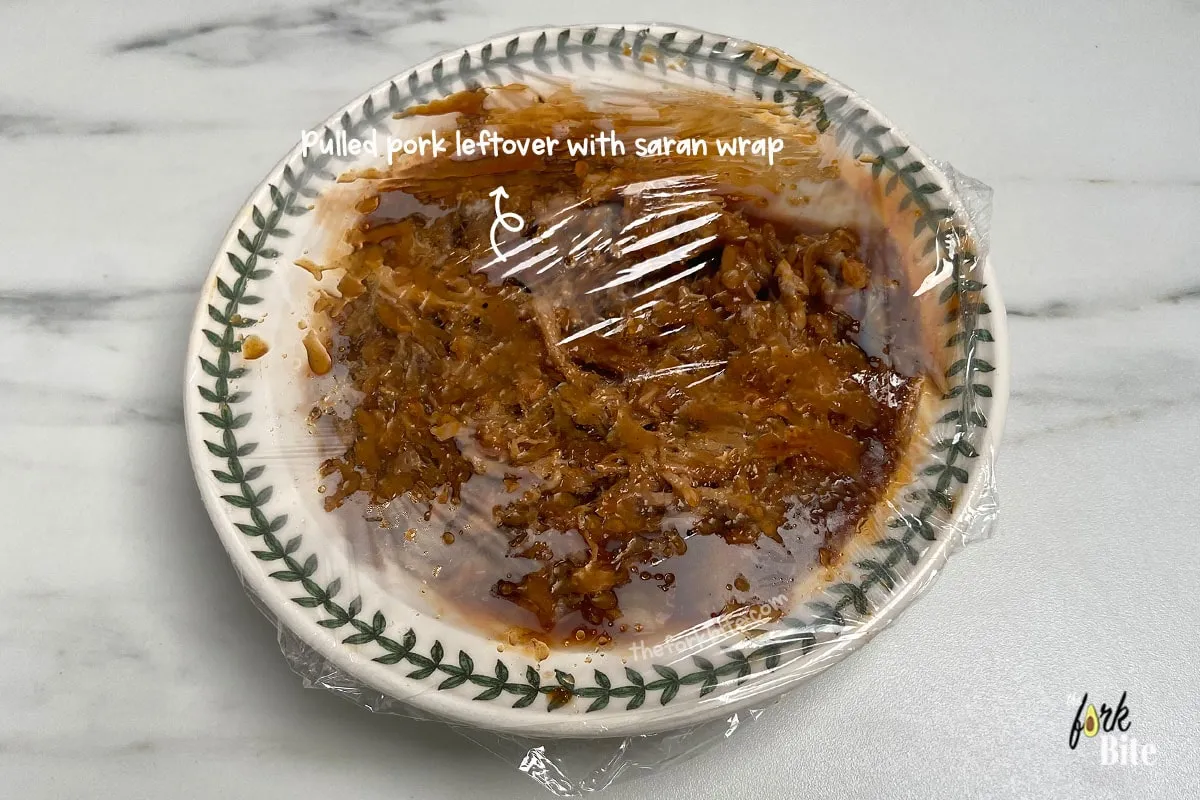
Plastic wrap is a thin, flexible film commonly used in kitchens to cover food. Its main functions are to prevent splatters in the microwave and keep moisture locked in, which helps food stay fresh and reheats evenly. You’ll often see it used to cover leftovers, wrap bowls, or seal plates before microwaving.
There are different types of plastic wrap, mainly made from materials like PVC (polyvinyl chloride) or LDPE (low-density polyethylene). PVC plastic wrap is common and clings well, but it’s usually not recommended for microwave use unless it’s labeled microwave-safe. LDPE plastic wrap is softer and generally safer for microwaving, though you still need to check the packaging.
People typically use plastic wrap when reheating meals or defrosting food to avoid mess. It’s a quick, convenient way to cover dishes, but knowing which plastic wrap is safe for microwave use is key to avoid health risks.
Is Microwaving Plastic Wrap Safe The Science Explained
When it comes to microwaving plastic wrap, there are some important safety concerns to keep in mind. One of the biggest risks is chemical leaching. Certain plastics can release harmful chemicals like BPA, phthalates, and DEHA into food, especially when heating fatty or hot foods. This can happen more if the plastic wrap isn’t labeled microwave-safe or if it melts during heating, increasing the chance of these chemicals mixing with your meal.
The FDA and USDA have clear guidelines: only use plastic wraps marked as microwave-safe, and avoid letting the wrap touch the food directly when microwaving. These rules help reduce the risk of chemicals leaching into your food.
However, scientific research is mixed. Some studies suggest possible endocrine disruption from these chemicals, raising concerns about the long-term effects of regular exposure. On top of that, many consumers remain skeptical of “microwave-safe” claims, worried about whether those labels truly guarantee safety over time.
Bottom line: while microwave-safe plastic wrap aims to minimize risks, it’s smart to be cautious and consider safer alternatives when heating food.
Factors That Affect Safety When Microwaving Plastic Wrap
Not all plastic wraps are created equal when it comes to microwave use. Microwave-safe options usually include plastics like LDPE (low-density polyethylene) and PP (polypropylene). These materials are designed to handle heat better without melting or releasing harmful chemicals. On the other hand, wraps made from PVC (polyvinyl chloride) or PET (polyethylene terephthalate) aren’t safe for microwaving because they can break down and leach chemicals into your food.
What you’re heating also matters. Fatty and acidic foods tend to increase the risk of chemical leaching from plastic wrap. That means if you’re reheating something oily or tomato-based, using plastic wrap might pose a higher risk of chemicals getting into your meal.
You can reduce risks by following safe microwaving practices, such as:
- Leaving a small gap or venting the wrap to let steam escape
- Avoiding very high temperatures or long heating times
- Making sure the wrap doesn’t directly touch the food
Finally, always check the condition of your plastic wrap. Avoid reusing plastic wrap from previous meals and don’t use wraps if they’re torn or damaged, because broken wraps are more likely to melt or leach chemicals during microwaving.
Eco-Friendly Alternatives to Plastic Wrap
Switching to plastic-free options is a smart move for your health and the environment. Plastic wraps often contain chemicals that can leach into your food, and they add to landfill waste since they’re usually single-use. Going plastic-free helps reduce these risks and supports a cleaner planet.
When it comes to microwaving, there are plenty of safer alternatives. You can use glass or ceramic containers with tight-fitting lids, which hold up well to heat and don’t release harmful chemicals. Silicone lids, especially reusable ones like Ecoartfullife’s products, are versatile and create a great seal without plastic. For quick covers, paper towels or wax paper work well to prevent splatters while letting steam escape.
Ecoartfullife offers a range of reusable silicone covers and sturdy glass containers designed for microwaves. These products are durable, easy to clean, and help cut down on plastic use in your kitchen. They’re a solid investment if you’re looking to make your cooking routine safer and greener.
To make the switch easier, try these tips:
- Replace plastic wrap gradually, starting with silicone lids for leftovers.
- Use glass containers for meal prep and reheating.
- Keep paper towels or wax paper handy for quick microwave covers.
- Wash and reuse silicone covers instead of tossing plastic wrap after one use.
Moving away from plastic wrap isn’t just better for your health—it’s a simple step toward a more sustainable kitchen.
Best Practices for Safe Microwaving
To keep things safe when microwaving, always check the label to make sure the plastic wrap is marked as microwave-safe. This helps reduce the risk of harmful chemicals like BPA or phthalates leaching into your food.
Never let the plastic wrap touch the food directly while heating. Instead, keep a small gap between the wrap and the food to avoid melting or chemical transfer.
Make sure to vent the plastic wrap by poking a few small holes. This allows steam to escape and prevents pressure buildup, which can cause the wrap to burst or melt.
Whenever possible, choose non-plastic covers like Ecoartfullife silicone lids or glass containers instead of plastic wrap. These options are safer, reusable, and better for the environment.
Finally, try to limit your use of plastic wrap overall. Cutting back helps protect your health and reduces plastic waste, supporting a more sustainable kitchen and lifestyle.