
















Are you wondering how to store your food safely while keeping your kitchen eco-friendly? Choosing the right plastic wrap for food or its sustainable alternatives can transform your daily routine and reduce your environmental footprint.
As an advocate for greener living, I’ve seen how small changes in food storage can make a big impact. Drawing from the latest insights and real-world trends, I’m here to guide you through the world of food wraps with practical, planet-conscious advice.
In this guide, you’ll discover the pros and cons of plastic wrap, learn about biodegradable and reusable food wraps, and find out why Ecoartfullife’s sustainable wraps are a game-changer for your kitchen.
Ready to wrap smarter? Let’s get started!
What is Plastic Wrap for Food
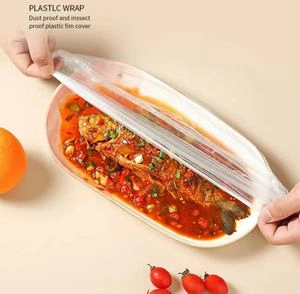
Plastic wrap, also known as cling film for food, is a thin, stretchy plastic sheet used mainly to cover and protect food. It’s incredibly common in kitchens across the UK for keeping leftovers fresh, wrapping sandwiches, or covering bowls before popping them in the fridge.
People use plastic wrap because it sticks closely to surfaces – this clinginess helps seal in moisture and stop air reaching the food. It’s stretchy too, making it easy to wrap around oddly shaped items. Besides stretch and cling, it acts as a barrier against water, oils, and dirt, which helps preserve the taste and texture of food for longer.
Is Plastic Wrap Safe for Food Storage

Plastic wrap for food is mainly made from two types of materials: LDPE (low-density polyethylene) and PVC (polyvinyl chloride). LDPE is generally considered safer because it’s less likely to release harmful chemicals. PVC, on the other hand, may contain additives that can migrate into food, especially when heated.
Health concerns around plastic wrap often focus on chemical migration – that’s when tiny bits of plastic or additives move from the wrap into the food. This risk increases if you use cling film incorrectly, such as heating food wrapped in non-microwave-safe plastic wrap or using it with fatty or acidic foods for long periods.
To stay safe with plastic wrap:
- Use wraps labelled microwave-safe if heating is necessary
- Avoid direct contact with hot food or open flames
- Don’t wrap food that’s highly acidic or oily for extended times
- Choose LDPE-based wraps whenever possible
At Ecoartfullife, we’re committed to non-toxic materials. Our reusable food wraps are made from organic, sustainable sources, eliminating the risks linked with chemical migration found in traditional plastic wrap. This means you get safer, healthier food storage solutions for your kitchen.
For more on food-safe options, take a look at our food safe cling film solutions.
Environmental Impact of Traditional Plastic Wrap
Traditional plastic wrap, often made from PVC or LDPE, poses several environmental challenges. It is mostly non-recyclable in standard UK facilities, which means it usually ends up in landfill or as litter. This type of plastic can take hundreds of years to break down, slowly fragmenting into microplastics that contaminate soil and waterways.
Plastic packaging accounts for a significant portion of household waste — roughly 26% in the UK — and much of that comes from single-use items like cling film for food. This contributes to pollution and puts pressure on waste management systems. Worse still, food waste increases when packaging doesn’t adequately preserve produce, creating a double environmental hit.
Thankfully, Ecoartfullife offers a much better solution. Their biodegradable and reusable food wraps break down naturally, avoiding the microplastic problem. Plus, their products are designed to be used again and again, cutting down plastic waste and helping UK households move towards truly eco-friendly food storage.
How to Use Plastic Wrap Effectively
Using plastic wrap for food can be straightforward if you follow a few simple tips to get the best results and reduce waste.
Best Practices for Wrapping and Storage
- Stretch the wrap slightly before applying to get a tight seal. This helps keep air out and preserves freshness.
- Cover food completely — ensure the wrap sticks to the container or directly onto the food surface to avoid gaps.
- Store wrapped items in the fridge or freezer as soon as possible to maintain quality.
- Use plastic wrap within a few days for best results, especially for perishable foods.
- For leftovers, label wrapped items with the date to keep track.
Common Applications in Food Storage
- Covering bowls or plates to keep meals fresh before eating.
- Wrapping sandwich fillings or cut fruit for lunch boxes.
- Securing food in containers without lids.
- Protecting dough during proving or chilling stages.
Frequent Mistakes to Avoid
- Don’t use plastic wrap near direct heat or in the oven unless it’s specified as microwave-safe.
- Avoid tightly wrapping hot food — let it cool to prevent condensation and sogginess.
- Never reuse cling film intended for single use as it can harbour bacteria.
- Avoid over-stretching plastic wrap; this causes tearing and weak seals.
By paying attention to these simple steps, you’ll keep your food fresher for longer and make the most of your plastic wrap. For those wanting a greener option, reusable food wraps like beeswax or silicone covers offer great alternatives without compromising convenience.
Eco-Friendly Alternatives to Plastic Wrap
More people in the UK are looking to switch from traditional plastic wrap for food to eco-friendly food storage options. Here’s why making the change matters:
- Reduce plastic waste: Traditional cling film often ends up in landfill or as rubbish in our oceans.
- Avoid harmful chemicals: Many plastic wraps contain substances that can migrate into food.
- Save money and resources: Reusable wraps cut down how often you need to buy and toss cling film.
- Support sustainability: Choosing biodegradable or compostable options helps cut pollution.
Popular Sustainable Food Wraps
- Beeswax wraps: Made from cotton coated in beeswax, they cling naturally to fruit, veg and bowls. They’re breathable and washable, lasting up to a year. Perfect for wrapping cheese slices, sandwiches or covering leftovers.
- Silicone covers: Flexible, reusable covers that stretch over containers and keep food fresh. Dishwasher safe and sturdy, great for fridge storage.
- Biodegradable wraps: Made from plant-based materials that break down much faster than plastic. Good option for those wanting single-use but sustainable cling film.
- Edible packaging: Innovations in edible wraps use seaweed or starch, offering zero waste solutions especially for snack foods.
Ecoartfullife’s Reusable Wraps
Ecoartfullife focuses on creating sustainable kitchen wraps that fit a busy UK lifestyle. Their reusable wraps:
- Are made from organic, non-toxic materials safe for all foods
- Offer strong cling and stretch to keep foods fresher for longer
- Can be washed and reused hundreds of times, reducing waste and cost
- Come in stylish designs to brighten up any kitchen
Switching to Ecoartfullife’s sustainable wraps is a simple step towards eco-friendly food storage without compromising convenience.
Comparing Plastic Wrap vs Ecoartfullife’s Sustainable Wraps
When weighing up traditional plastic wrap against Ecoartfullife’s sustainable wraps, several key factors come into play: cost, durability, environmental impact, safety, and food preservation.
Cost
Plastic wrap is generally cheap at first glance, but the cost adds up over time since it’s single-use. Ecoartfullife’s reusable wraps may seem pricier upfront but save money in the long run by lasting for months or even years.
Durability
Plastic wrap tears easily and loses its cling after a short time. Ecoartfullife’s wraps are made from strong, organic materials designed to be washed and reused multiple times without losing effectiveness.
Environmental Impact
Single-use plastic wrap contributes significantly to UK landfill and microplastic pollution, with no easy recycling options. Ecoartfullife’s wraps are biodegradable and compostable, reducing waste and helping shrink your carbon footprint.
Safety
Plastic wrap, especially PVC-based cling film, can sometimes transfer unwanted chemicals to food. Ecoartfullife prioritises non-toxic, food-safe materials, giving you peace of mind when storing your meals.
Food Preservation
Both wrap well but Ecoartfullife’s sustainable wraps also breathe slightly, helping fresh produce last longer without trapping moisture that leads to spoilage.
Customer Feedback
Many UK customers appreciate how easy Ecoartfullife wraps are to use and clean. They love the variety of sizes and patterns, making their kitchen more eco-friendly and stylish. Here’s what some have said:
- “I switched from cling film to Ecoartfullife wraps and haven’t looked back. They’re durable and cut down my plastic waste massively.”
- “Great for leftovers and covering bowls, plus they look lovely on the kitchen counter.”
- “I feel better knowing the wraps are safe and non-toxic for my family.”
Choosing Ecoartfullife’s sustainable wraps offers a smart, eco-friendly alternative to plastic wrap without compromising on convenience or performance.
How Ecoartfullife is Revolutionizing Food Storage
At Ecoartfullife, we’re on a mission to make food storage both eco-friendly and practical for every UK home. Our focus is clear: reduce plastic waste and offer sustainable kitchen wraps that protect your food without harming the planet.
Our wraps are made from organic, natural materials designed to be reusable again and again, cutting down single-use plastic wrap reliance. They cling well, keep food fresh, and come in attractive designs that brighten up your kitchen. Plus, being non-toxic, they’re safe for you and your family.
Ready to switch to a smarter, greener way of storing your food? Explore Ecoartfullife’s range of sustainable food wraps today and take the first step towards a healthier home and planet.