

















Struggling to restore the shine to your silver jewelry or silverware? You’re not alone—tarnish can dull even the most beautiful pieces. Luckily, there’s a simple, eco-friendly solution using baking soda and aluminum foil that I’ve tested and love for bringing back that sparkling glow. As a fan of sustainable home hacks, I’m excited to share this tried-and-true method that’s both budget-friendly and non-toxic. In this guide, you’ll discover how to polish silver with household items, why it works, and expert tips to keep your silver gleaming. Let’s get started!
Why Use Baking Soda and Aluminum Foil to Clean Silver
If you’re wondering how to polish silver with baking soda and aluminum foil, it’s not just a popular DIY trick—it’s backed by science. The magic happens through an electrochemical reaction where the tarnish, which is mainly silver sulfide, is transferred from your silver onto the aluminum foil. Here’s how it works:
- Silver tarnish is silver sulfide, formed when silver reacts with sulfur compounds in the air.
- When you soak silver in a solution containing baking soda, salt, and aluminum foil, the aluminum acts as a reactive surface.
- The silver sulfide is reduced back to pure silver, while the sulfur binds with the aluminum instead, effectively reversing tarnish without scraping or harsh chemicals.
This process is eco-friendly and non-toxic, using common household ingredients that are gentle on both your silver and the environment. It’s also incredibly cost-effective and avoids abrasive damage, which can happen with harsh scrubbing or chemical cleaners.
Benefits for Silver Care
- Safe for sterling silver and many silver-plated items, making it a versatile cleaning method.
- No scratching or wearing down of silver surfaces, unlike steel wool or commercial polish with harsh abrasives.
- Ideal if you want a natural, non-toxic silver cleaner that you can make at home without worrying about chemical residue.
Caveats for Delicate Pieces
- Avoid using this method on silver jewelry with delicate gemstones or pearls, as the heat and solution can harm them.
- For very fragile silver-plated items, test in a small hidden spot first to ensure no plating wears off.
All in all, using baking soda and aluminum foil offers a safe, simple way to remove tarnish and restore your silver’s shine naturally. It fits perfectly into an eco-friendly silver cleaning routine that’s gentle and reliable for regular upkeep.
What You’ll Need to Polish Silver with Baking Soda and Aluminum Foil
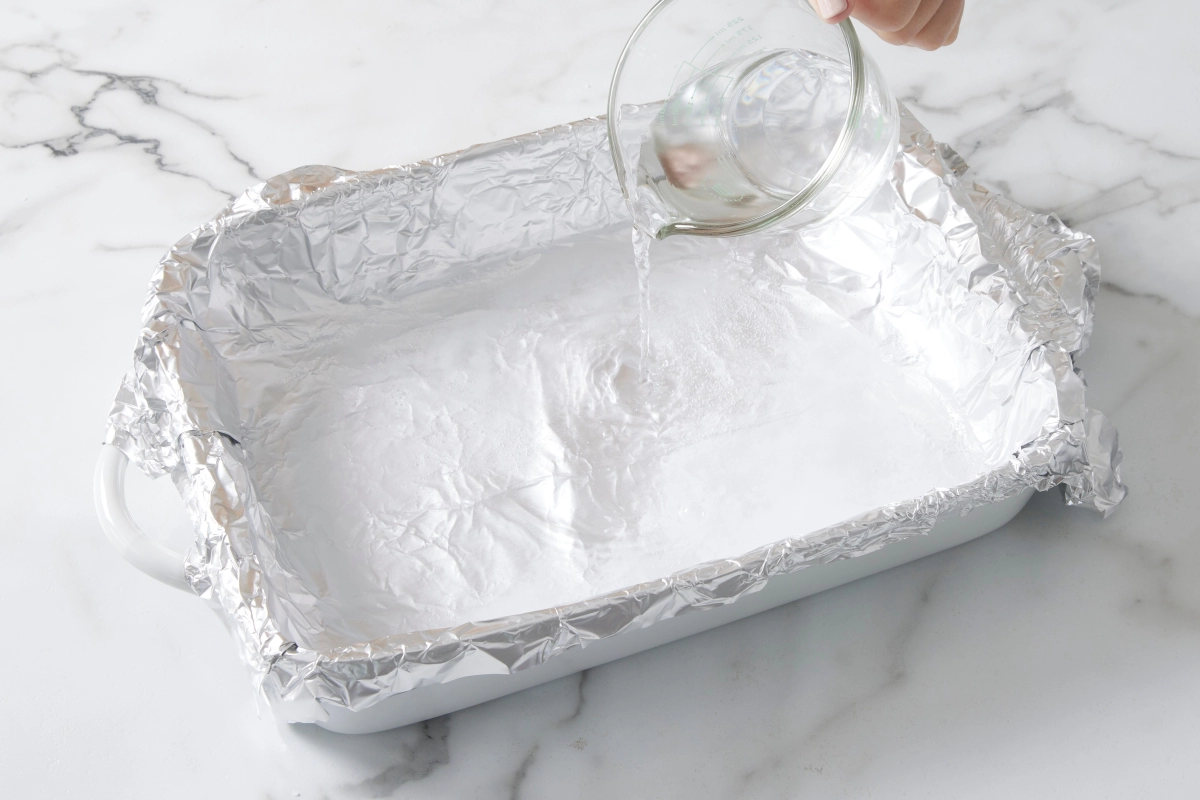
To clean silver at home using baking soda and aluminum foil, you’ll want to gather a few key materials. Here’s a quick rundown:
- Aluminum foil (shiny side up)
- Baking soda (a natural, non-toxic cleaner)
- Table salt (helps speed up the reaction)
- Boiling water (optional but recommended for faster results)
- Heat-resistant container (glass or ceramic is best to avoid reactions)
- Soft cloth or microfiber cloth (for drying and buffing)
- Tongs (to safely handle hot silver pieces)
For best results, I recommend using Artfullife’s high-quality baking soda and aluminum foil, which you can easily find at most supermarkets. Their products ensure the effectiveness of your DIY silver polish while keeping the process eco-friendly and gentle on your silverware and jewelry.
If you want to learn more about the different types and qualities of aluminum foil, check out Artfullife’s detailed guide on grades and uses of food grade aluminum foil.
By using these simple materials, you can safely and effectively remove tarnish without harsh chemicals or abrasive tools.
Step-by-Step Guide to Polishing Silver with Baking Soda and Aluminum Foil
Cleaning silver naturally with baking soda and aluminum foil is simple and effective. Here’s how you can polish your silverware and sterling silver items at home safely and quickly.
Prepare the Container with Aluminum Foil
Line a glass or ceramic container with aluminum foil, shiny side up. For larger items like trays or serving dishes, you can line your sink instead. This setup is important because the foil plays a key role in the cleaning process.
Add Ingredients to the Water
Carefully pour boiling water into the lined container. Use this ratio for best results:
- 2 tablespoons baking soda + 2 tablespoons salt per 2 cups of water
Or for bigger batches: - 1 cup baking soda per gallon of water
Both baking soda and salt help boost the electrochemical reaction that removes tarnish.
Place Silver Items Correctly
Place your silver items in the water so they touch the aluminum foil. Avoid overlapping pieces to ensure each gets fully cleaned.
- Soak for 1 to 5 minutes for light tarnish.
- Soak up to 30 minutes for heavy tarnish.
The silver sulfide (black tarnish) transfers to the foil during this soak.
Remove and Rinse Your Silver
Use tongs to carefully remove hot items from the water. Rinse each item under cool, running water to wash away loosened tarnish.
Buff for Extra Shine
Dry your silver with a soft microfiber cloth. Gently buff the surface to restore that bright sparkle and remove any remaining residue.
Optional Steps for Tough Tarnish
- If tarnish persists, repeat the soaking process.
- For stubborn spots, create a baking soda paste (baking soda + a little water) and gently rub on target areas before rinsing and buffing.
This baking soda silver cleaner method is easy, eco-friendly, and great for keeping your sterling silver and silver-plated items shining without abrasive damage.
Tips for Best Results Polishing Silver with Baking Soda and Aluminum Foil
To get the most out of this eco-friendly silver cleaning method, here are some essential tips to follow:
-
Test on a small area first
If you’re working with delicate or silver-plated items, always try the method on a hidden spot. This helps avoid any unexpected damage or discoloration.
-
Avoid using on jewelry with gemstones or pearls
The heat and water in this process can harm delicate stones and pearls. For those pieces, stick to gentle cleaning with a soft cloth.
-
Use Artfullife’s anti-tarnish storage bags
After cleaning, store your silver in Artfullife’s specially designed bags. This helps prevent future tarnish and keeps your silver shining longer.
-
Refresh the cleaning solution if the water cools
The electrochemical reaction works best with hot water. If the water cools during soaking, replace it or reheat to maintain effectiveness.
Following these tips will help you remove tarnish from silver safely, maintain the finish, and extend the life of your sterling silver and silver-plated items naturally and affordably.
Why This Method Works to Clean Silver with Baking Soda and Aluminum Foil
The secret behind this popular silver cleaning hack lies in a simple electrochemical (redox) reaction. When you combine baking soda, aluminum foil, salt, and hot water, a natural process begins that safely removes tarnish from silver surfaces without harsh chemicals.
How the Redox Reaction Removes Tarnish
- Aluminum foil acts as the anode (the metal losing electrons).
- Silver acts as the cathode (the metal gaining electrons).
- The baking soda and salt create an electrolyte solution that helps transfer electrons between the two metals.
- This exchange removes silver sulfide (the dark tarnish) by converting it back into pure silver on your silverware or jewelry.
- Meanwhile, sulfur atoms bind to the aluminum, removing the tarnish safely.
Why You Might Notice a Rotten Egg Smell
That familiar “rotten egg” odor you sometimes smell during the process comes from sulfur being released as hydrogen sulfide gas. It’s a good sign the silver sulfide tarnish is breaking down as intended.
Benefits of the Science Behind This Method
- Uses non-toxic, eco-friendly ingredients.
- No abrasive scrubbing needed that can damage delicate silver or silver plating.
- Works quickly and effectively even on heavily tarnished pieces.
This understanding of the science shows why baking soda and aluminum foil together are the go-to natural silver polish solution for many people wanting safe and efficient silver cleaning at home.
Alternative Silver Cleaning Methods for Tarnish Removal
If you’re looking beyond the baking soda and aluminum foil method for clean silver naturally or DIY silver polish, there are several other options to consider. Each has its pros and cons depending on your silverware’s condition and type. Here’s a quick overview:
Baking Soda Paste for Larger or Stubborn Tarnish
A popular eco-friendly silver cleaner is a baking soda paste made by mixing baking soda with a small amount of water or lemon juice. This works well for removing tarnish from silver items that are too large or intricate to soak.
- Mix 3 parts baking soda with 1 part water or lemon juice
- Apply gently with a soft cloth or sponge
- Rinse and dry thoroughly
Avoid scrubbing too hard to prevent scratching.
Household Items You Can Try
- Ketchup: The acidity helps break down tarnish. Apply with a soft cloth, then rinse quickly. Use sparingly since the tomato residue can be sticky.
- Toothpaste: Choose a non-gel, non-abrasive toothpaste for light tarnish only. Be cautious as some toothpastes contain abrasives that may dull the silver over time.
- Citrus Soda: Drinks like lemon-lime soda have mild acidity that can help lift tarnish. Soak briefly and rinse well afterward.
Commercial Silver Cleaners for Tough Tarnish
If natural methods don’t fully restore your silver, commercial products like Tarn-X or Wright’s Silver Cream can be effective. These are designed to clean tougher tarnish quickly but do contain chemicals you should handle with care.
- Follow instructions carefully
- Use gloves to protect your skin
- Rinse well to avoid residue that may cause future tarnish
Key Considerations
- Avoid abrasive cleaners or rough scrubbing to prevent damage
- Test any new method on a small hidden area first
- Some natural methods may not be suitable for silver-plated or delicate pieces
By understanding these alternatives, you can pick the best silverware cleaning hack to keep your sterling silver bright, safe, and tarnish-free.
How to Prevent Silver Tarnish with Simple Care Tips
Keeping your silver clean and shiny starts with good storage and regular care. Here’s how to prevent silver tarnish and keep your pieces looking their best.
Store Silver Properly
- Use Artfullife’s velvet-lined boxes or anti-tarnish bags to slow down the tarnishing process. These storage solutions are designed to protect silver by minimizing exposure to air and moisture.
- Avoid storing silver near rubber bands, certain foods like eggs and onions, or anything that releases sulfur compounds that cause tarnish.
Regular Cleaning Routine
- Clean silver regularly with mild soap and warm water. This helps remove everyday dirt and oils that speed up tarnishing.
- After washing, dry your pieces thoroughly with a soft cloth to prevent water spots or corrosion.
- Even if your silver isn’t tarnished, lightly polish with a lint-free cloth to maintain its shine and remove dust before tarnish sets in.
Additional Tips for Long-Lasting Shine
- Keep silver pieces separate to avoid scratches.
- Use Artfullife’s anti-tarnish products, available at your local supermarket, for an eco-friendly and non-toxic way to protect your silver collection.
- Store silver in a cool, dry place away from direct sunlight and humidity, which can accelerate tarnish formation.
By following these storage and care tips, you’ll extend the life of your silverware and jewelry while keeping them beautiful with minimal effort.
Common Mistakes to Avoid When Polishing Silver with Baking Soda and Aluminum Foil
When cleaning silver with baking soda and aluminum foil, it’s easy to slip up and damage your silver or reduce the effectiveness of the process. Here are some common mistakes to watch out for to keep your silver looking its best:
-
Don’t overuse this method on silver-plated items. The electrochemical reaction can wear down the thin silver layer over time. Reserve this method mostly for sterling silver or items with a sturdy silver coating.
-
Avoid abrasive tools like steel wool, rough sponges, or dishwashers. These can scratch and dull your silver, defeating the purpose of polishing it gently with baking soda.
-
Never wrap silver items tightly in foil. Instead, lay the silver flat on the foil with the shiny side up. Wrapping can trap tarnish and cause uneven cleaning or even damage.
-
Don’t soak delicate or mixed-metal pieces too long. Extended exposure to hot water and baking soda can harm items with glued parts, gemstones, or pearls.
-
Avoid reusing the cleaning solution without refreshing it. The baking soda mix loses effectiveness as it cools and gets saturated with tarnish, so replace or reheat the solution for best results.
By steering clear of these mistakes, you’ll protect your silverware and jewelry while using this eco-friendly silver cleaning hack safely and effectively.
Why Choose Artfullife for Your Silver Care Needs
When it comes to cleaning silver naturally and maintaining that bright, polished look, Artfullife offers reliable solutions designed just for you. Their eco-friendly silver cleaning products include high-quality baking soda and aluminum foil, perfect for DIY silver polish routines that are safe, non-toxic, and effective.
Here’s why Artfullife stands out:
-
Quality You Can Trust: Artfullife products undergo strict quality checks, ensuring you get the best baking soda and aluminum foil for silver cleaning without harsh chemicals or abrasive damage.
-
Affordable and Accessible: Available at most supermarkets across the U.S., their products fit perfectly into your budget without sacrificing cleaning power.
-
Complete Silver Care Range: Beyond cleaning, Artfullife offers anti-tarnish storage solutions like velvet-lined boxes and anti-tarnish bags that help you prevent silver tarnish, extending the life and shine of your sterling silver and silver-plated items.
-
Sustainable Home Solutions: Choosing Artfullife means supporting eco-friendly products that are good for your home and the environment, making silverware cleaning hacks both simple and green.
Explore Artfullife’s full range to keep your silverware gleaming with less effort and worry about damage. Whether you need a reliable baking soda silver cleaner or smart storage options, Artfullife covers your silver care needs with quality and convenience.
FAQs on How to Polish Silver with Baking Soda and Aluminum Foil
Can this method damage silver
No, this silver cleaning hack is safe when done correctly. However, for silver-plated items, always test a small spot first to avoid wearing down the plating.
How often should I clean silver
For most silverware and sterling silver pieces, cleaning 2-3 times a year is enough. Increase frequency if your items are exposed to moisture, air pollutants, or kitchen acids that speed up tarnish.
Can I use this method on jewelry with gemstones
Avoid using baking soda and aluminum foil for jewelry with delicate stones like pearls, opals, or turquoise. The heat and water can damage them. Instead, clean those pieces gently with a soft cloth.
What if the tarnish doesn’t come off
If tarnish remains after soaking, you can:
- Repeat the soak for another few minutes
- Use a baking soda paste (baking soda mixed with water) to rub tarnished spots gently
- Avoid harsh abrasives which can scratch silver
These tips help remove tough tarnish without harming your silverware or silver-plated items.
By following these guidelines, you can keep your silver bright using a natural, non-toxic silver polish method that is both eco-friendly and cost-effective.