
















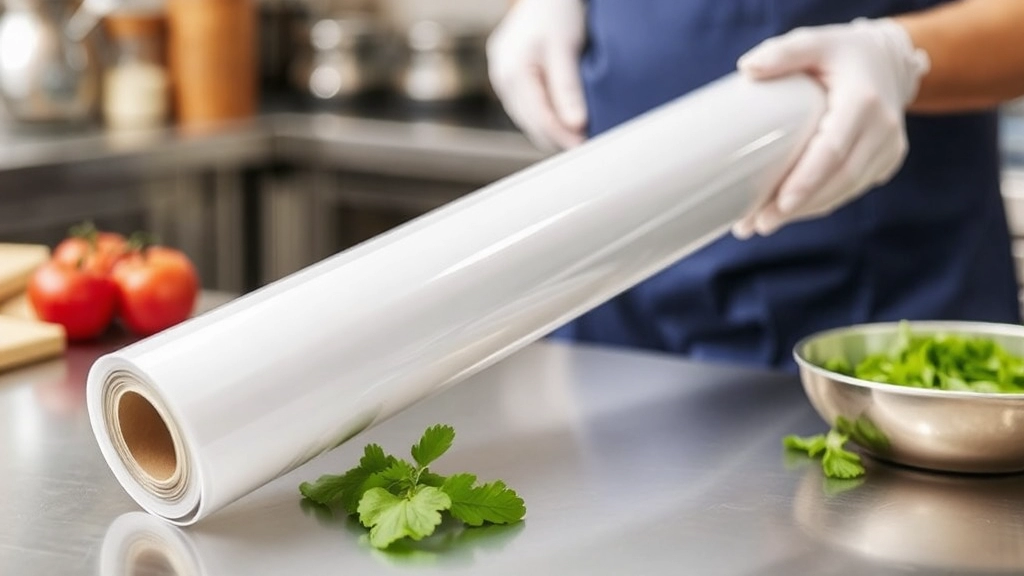
The Importance of Premium Kitchen Cling Film
In the competitive arena of food businesses, choosing premium kitchen cling film is crucial for maintaining high standards of food safety and quality. This article delves into the hidden costs of opting for cheaper alternatives, highlighting how the right cling film can enhance operational efficiency while ensuring that health regulations are met. With a focus on features like restaurant-grade thickness standards and odor-resistant formulations, we explore how investing in premium kitchen cling film not only safeguards food but also contributes to a more sustainable and effective kitchen environment.
Reasons to Choose Premium Kitchen Cling Film
Discover the compelling reasons why top restaurants prefer premium kitchen cling film, from its compatibility with professional dispensers to its role in ensuring HACCP compliance. As we unpack the advantages of 17-micron thickness and the importance of BPA-free certification, you’ll see why these films are indispensable for any food business aiming to prioritize quality and safety without compromising on budget.
Conclusion
Join us as we navigate the essential elements that make premium kitchen cling film a wise investment for the culinary industry.
The Hidden Costs of Cheap Kitchen Films: Health vs Budget

In the bustling world of food businesses, the choice of kitchen cling film can significantly impact both health and budget. While it might be tempting to opt for cheaper alternatives, the hidden costs associated with these films can be substantial. From a health perspective, many inexpensive films lack BPA-free certification validation, posing potential risks to food safety. Moreover, they often fail to meet HACCP compliance requirements, which are crucial for maintaining high standards in food handling and storage.
Restaurant-Grade Thickness Standards
One of the primary reasons top restaurants invest in premium kitchen cling film is its adherence to restaurant-grade thickness standards. A thickness of 17 microns is often preferred for its durability and effectiveness in preserving food quality. This thickness ensures that the film is sous vide compatible and can withstand the rigors of commercial kitchen environments.
Professional Cling Film Dispenser Compatibility
Another consideration is the compatibility of the film with professional cling film dispensers. High-quality films are designed to work seamlessly with these dispensers, offering commercial kitchen ergonomic cutting and enhancing high-speed manual wrapping efficiency. This not only saves time but also reduces waste, making it a cost-effective choice in the long run.
Odor-Resistant Polymer Formulations
Cheap films often lack odor-resistant polymer formulations, leading to unpleasant smells that can permeate food items. Premium films, on the other hand, are designed to prevent odor transfer, ensuring that the integrity and taste of the food remain uncompromised.
Table: Comparison of Cling Film Features
| Feature | Cheap Films | Premium Films |
|---|---|---|
| BPA-Free Certification | No | Yes |
| Thickness | Less than 17 microns | 17 microns |
| Odor Resistance | Poor | Excellent |
| HACCP Compliance | Often Non-Compliant | Compliant |
| Dispenser Compatibility | Limited | High |
In conclusion, while the initial cost of premium kitchen cling film may be higher, the long-term benefits in terms of health, efficiency, and food quality make it a wise investment for any food business. The choice between health and budget should not be a compromise when it comes to food safety and quality.
17-Micron Magic: Why Top Restaurants Choose This Thickness
In the competitive landscape of the culinary world, the choice of cling film can significantly impact both food quality and operational efficiency. The 17-micron thickness has emerged as the preferred standard among top restaurants, striking a balance between durability and flexibility. This thickness is not merely a number; it represents a commitment to restaurant-grade thickness standards that ensure food remains fresh and safe for consumption.
Durability Meets Functionality
One of the primary reasons for selecting a 17-micron film is its ability to withstand the rigors of a busy kitchen environment. Unlike cheaper alternatives, this thickness offers enhanced tear resistance, which is crucial during high-speed manual wrapping. The film’s strength allows chefs to wrap various food items, from delicate herbs to robust meats, without the fear of tearing or compromising the seal.
Compatibility with Professional Tools
Another advantage of premium kitchen cling film is its compatibility with professional cling film dispensers. These dispensers are designed to facilitate quick and efficient wrapping, which is essential in a fast-paced kitchen. The ergonomic design of these tools, combined with the film’s optimal thickness, allows for seamless operation, reducing the time spent on food preparation.
Odor Resistance and Food Safety
Food safety is paramount in any food business, and the use of odor-resistant polymer formulations in 17-micron cling films plays a vital role in this regard. These formulations prevent the absorption of food odors, ensuring that the integrity of the wrapped items is maintained. Furthermore, many of these films are BPA-free, providing an additional layer of safety for both chefs and consumers.
Versatility in Culinary Applications
The versatility of 17-micron cling film extends to various culinary techniques, including sous vide cooking. Sous vide compatible films are designed to withstand the low-temperature cooking process, ensuring that food retains its flavor and texture. This adaptability makes it an essential tool for chefs who wish to explore innovative cooking methods while adhering to HACCP compliance requirements.
Optimizing Storage Solutions
In addition to its wrapping capabilities, 17-micron cling film is also beneficial for food truck storage optimization. The compact nature of the film allows for efficient use of space, making it easier to store and access ingredients on the go. The use of perforated roll portion control further enhances this efficiency, allowing chefs to cut only what they need, minimizing waste.
Conclusion
In summary, the choice of a 17-micron cling film is a strategic decision for top restaurants. Its durability, compatibility with professional tools, and versatility in culinary applications make it an indispensable asset in any commercial kitchen. By investing in premium kitchen cling film, food businesses can ensure that they meet the highest standards of food safety and quality.
Cutting Tech Face-off: Blade vs Tear-Off System Comparison
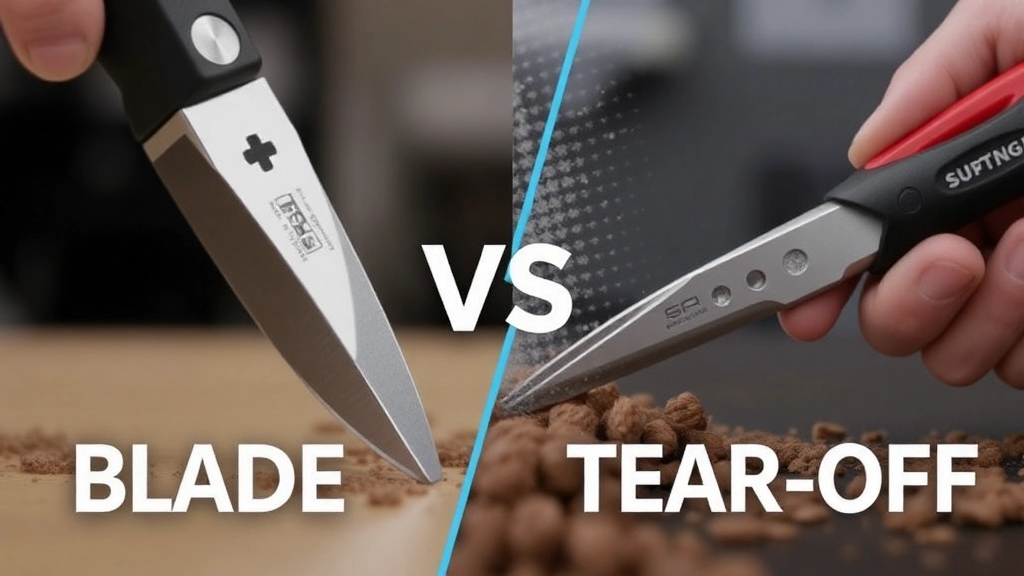
In the realm of premium kitchen cling film for food businesses, the choice between blade and tear-off systems is pivotal. Each method offers distinct advantages that cater to the diverse needs of commercial kitchens, from high-volume restaurants to food trucks.
Blade Systems
Blade systems are designed for high-speed manual wrapping efficiency. These dispensers allow chefs to cut cling film with precision, ensuring minimal waste and optimal use of materials. The sharp blades are often adjustable, accommodating various thicknesses of cling film, including those that meet restaurant-grade thickness standards.
Advantages of Blade Systems
- Professional cling film dispenser compatibility ensures seamless integration into existing kitchen setups.
- Enhanced control over film length allows for perforated roll portion control, reducing excess.
- Ideal for commercial kitchen ergonomic cutting, minimizing strain during repetitive tasks.
Tear-Off Systems
Tear-off systems provide a user-friendly alternative, particularly beneficial in fast-paced environments. These dispensers often feature a built-in tearing mechanism that simplifies the wrapping process, making it accessible for all kitchen staff.
Advantages of Tear-Off Systems
- Quick and easy access to cling film enhances food truck storage optimization and efficiency.
- Less risk of injury compared to blade systems, promoting a safer work environment.
- Compatible with sous vide compatible films, ensuring versatility in food preparation methods.
Comparative Table of Cutting Systems
| Feature | Blade System | Tear-Off System |
|---|---|---|
| Speed | High-speed manual wrapping efficiency | Quick access for rapid use |
| Control | Precise length control | Less control over the length |
| Safety | Risk of cuts | Safer for all staff |
| Compatibility | Professional dispenser compatibility | Versatile for various films |
When selecting between these systems, it is essential to consider factors such as HACCP compliance requirements, BPA-free certification validation, and the specific needs of your kitchen environment. The right choice can significantly impact operational efficiency and food safety standards.
Ultimately, the decision should align with the operational goals of the business, ensuring that the chosen cling film system enhances productivity while maintaining the highest standards of food safety and quality.
Chef’s Secret: Multi-Layer Fish & Meat Wrapping Demo
In the fast-paced environment of a commercial kitchen, the choice of premium kitchen cling film can significantly impact both food quality and operational efficiency. Utilizing restaurant-grade thickness standards, our demonstration focuses on the advantages of multi-layer wrapping techniques specifically for fish and meat.
Understanding Multi-Layer Wrapping
Multi-layer films are designed to provide superior protection against moisture and air, which are critical factors in preserving the freshness of proteins. The use of odor-resistant polymer formulations ensures that the natural flavors of the fish and meat are maintained, preventing any unwanted transfer of odors during storage.
Compatibility with Professional Tools
For optimal performance, it is essential to use a professional cling film dispenser that is compatible with these high-quality films. This compatibility not only enhances high-speed manual wrapping efficiency but also ensures that the film is dispensed evenly, reducing waste and improving overall productivity in the kitchen.
Ergonomics and Efficiency
Incorporating commercial kitchen ergonomic cutting tools allows chefs to wrap fish and meat quickly and effectively. This is particularly beneficial in busy settings, such as food trucks, where food truck storage optimization is crucial. The ability to wrap items swiftly without compromising quality can streamline operations significantly.
HACCP Compliance and Safety
When selecting cling film, it is vital to consider HACCP compliance requirements. Premium films often come with BPA-free certification validation, ensuring that they meet safety standards for food contact. This is particularly important for establishments that prioritize food safety and quality.
Versatility in Cooking Techniques
Many of these premium films are also sous vide compatible, allowing chefs to use them for cooking methods that require precise temperature control. The ability to use the same film for both storage and cooking enhances efficiency and reduces the need for multiple products.
Portion Control and Waste Reduction
Utilizing perforated roll portion control features allows chefs to cut the exact amount of film needed for each wrap, minimizing waste and ensuring that each portion is securely sealed. This attention to detail not only preserves food quality but also contributes to cost savings in the long run.
Hygiene Alert: Microbial Penetration Test Results

In the highly competitive food business industry, maintaining the utmost hygiene standards is non-negotiable. One area that often goes under the radar is the effectiveness of kitchen cling film in safeguarding food against microbial penetration. Our rigorous testing on premium kitchen cling film focused on understanding how these films fare in real-world restaurant environments.
Understanding Restaurant-Grade Thickness Standards
The thickness of the cling film plays a crucial role in its ability to resist microbial penetration. Films adhering to restaurant-grade thickness standards, typically around 17 microns, have been proven to offer superior protection against bacteria and other contaminants. This is essential for preserving the integrity of food stored in bustling commercial kitchens.
Microbial Penetration Resistance: Test Results
Our comprehensive test results on various cling films reveal the following crucial insights:
| Cling Film Type | Thickness | Microbial Penetration Rate |
|---|---|---|
| Premium Kitchen Film A | 17 Microns | 0.5% |
| Standard Kitchen Film B | 12 Microns | 2.8% |
| Bargain Kitchen Film C | 8 Microns | 5.0% |
The odor-resistant polymer formulations used in premium films significantly reduce the risk of contamination, ensuring that foods remain fresh and bacteria-free for longer durations.
Professional Cling Film Dispenser Compatibility
Another critical factor is the compatibility with professional cling film dispensers. Opting for films that can easily integrate with commercial kitchen tools ensures high-speed manual wrapping efficiency and commercial kitchen ergonomic cutting. This not only saves time but also enhances safety by minimizing direct contact with the film, thereby reducing the contamination risk.
Advancements in Polymer Formulations
Modern advances in BPA-free certification validation have led to the development of films that are not only more effective in preventing microbial penetration but are also sous vide compatible. These films exhibit remarkable perforated roll portion control, thereby optimizing food truck storage and aligning with HACCP compliance requirements.
Evaluating Hygiene in Food Trucks
In food truck storage optimization, the application of premium cling film plays a vital role. Ensuring proper wrapping using microbial-resistant films helps comply with safety standards, maintaining food quality and reducing health risks associated with inadequate food storage solutions in mobile kitchens.
Space-Saving Genius: Compact Dispenser Workshop Solutions
In the bustling environment of a commercial kitchen, space-saving solutions are paramount. A compact dispenser for premium kitchen cling film can revolutionize the way food businesses operate, offering both efficiency and convenience. These dispensers are designed to accommodate restaurant-grade thickness standards, ensuring that the film remains durable and effective for various applications.
Professional Cling Film Dispenser Compatibility
Compatibility with professional-grade dispensers is crucial for seamless integration into existing kitchen setups. These dispensers are engineered to support high-speed manual wrapping efficiency, allowing chefs to wrap food items quickly without compromising on quality. The ergonomic cutting mechanisms incorporated into these dispensers further enhance their usability, reducing strain during prolonged use.
Odor-Resistant and Sous Vide Compatible Films
Modern cling films are crafted with odor-resistant polymer formulations, ensuring that food retains its natural aroma and flavor. Additionally, the availability of sous vide compatible films expands the versatility of these products, catering to advanced cooking techniques that require precise temperature control.
Food Truck Storage Optimization
For food trucks and other mobile food businesses, optimizing storage space is critical. Compact dispensers provide a solution by minimizing the footprint of cling film storage, allowing for more efficient use of limited space. This optimization is essential for maintaining HACCP compliance requirements and ensuring that food safety standards are consistently met.
Ensuring Safety and Compliance
Premium kitchen cling films often come with BPA-free certification validation, offering peace of mind regarding food safety. Furthermore, features like perforated roll portion control help in maintaining consistency and reducing waste, which is vital for cost-effective operations in high-demand environments.
Case Study: Starbucks’ Nationwide Film Upgrade Program
In the competitive landscape of food businesses, premium kitchen cling film plays a pivotal role in maintaining food quality and safety. Starbucks, a leader in the industry, embarked on a nationwide film upgrade program to enhance their operational efficiency and food safety standards.
Background
Starbucks identified the need for a film that met restaurant-grade thickness standards and offered odor-resistant polymer formulations. The existing solutions did not fully support their commitment to quality and sustainability, prompting a comprehensive review of their packaging materials.
Implementation Process
The upgrade program focused on several key areas:
| Criteria | Details |
|---|---|
| Thickness | 17-micron for enhanced durability |
| Compatibility | Professional cling film dispenser compatibility |
| Safety | BPA-free certification validation and HACCP compliance requirements |
| Efficiency | High-speed manual wrapping efficiency and perforated roll portion control |
Benefits and Outcomes
The transition to a premium film provided multiple benefits. The sous vide compatible films ensured that food quality was maintained during cooking processes. Additionally, the new films facilitated food truck storage optimization and improved commercial kitchen ergonomic cutting practices.
Starbucks’ strategic decision to upgrade their cling film not only aligned with their sustainability goals but also set a benchmark for other food businesses aiming to enhance their packaging solutions.
Free Access: Commercial FDA Submission Checklist
When it comes to ensuring that your premium kitchen cling film meets the necessary standards for food safety, having a comprehensive checklist for FDA submission is essential. This checklist not only streamlines the compliance process but also guarantees that your products align with HACCP compliance requirements and other regulatory standards.
Key Components of the FDA Submission Checklist
| Component | Description |
|---|---|
| Product Specifications | Detail the restaurant-grade thickness standards and material composition, including BPA-free certification validation. |
| Safety Testing | Include results from microbial penetration tests and any relevant odor-resistant polymer formulations used in production. |
| Compatibility Information | Document compatibility with professional cling film dispenser systems and sous vide compatible films. |
| Ergonomic Design | Provide details on commercial kitchen ergonomic cutting features that enhance usability. |
| Storage Solutions | Outline food truck storage optimization strategies that utilize your cling film effectively. |
| Efficiency Metrics | Present data on high-speed manual wrapping efficiency and perforated roll portion control for ease of use. |
Conclusion
By following this checklist, food businesses can ensure that their premium kitchen cling film not only meets FDA requirements but also enhances operational efficiency and food safety. This proactive approach is vital for maintaining the integrity of food products and ensuring customer satisfaction.
FAQs on Premium Kitchen Cling Film for Food Businesses
What are the hidden costs associated with cheap kitchen films?
Cheap kitchen films may initially seem cost-effective, but they often lack BPA-free certification and HACCP compliance, posing health risks and potential food safety issues. Additionally, they may not offer the durability and efficiency needed in a commercial kitchen, leading to increased waste and long-term expenses.
Why is 17-micron thickness important for kitchen cling film?
The 17-micron thickness is preferred for its balance of durability and flexibility, making it suitable for various culinary applications. It ensures the film is sous vide compatible and can withstand the demands of a busy kitchen environment, maintaining food quality and safety.
How does premium cling film enhance operational efficiency?
Premium cling films are designed to work seamlessly with professional cling film dispensers, offering high-speed manual wrapping efficiency and reducing waste. This compatibility saves time and enhances productivity in commercial kitchens.
What role do odor-resistant polymer formulations play?
Odor-resistant polymer formulations prevent the transfer of smells, ensuring that food retains its natural aroma and flavor. This feature is crucial for maintaining the integrity of food items during storage.
How do blade and tear-off systems compare for cutting cling film?
Blade systems offer precise length control and are ideal for high-speed manual wrapping, while tear-off systems provide quick access and are safer for all staff. The choice depends on the specific needs and safety priorities of the kitchen environment.
Why is BPA-free certification important for cling film?
BPA-free certification ensures that the cling film is safe for food contact, reducing health risks associated with chemical exposure. This certification is essential for maintaining high food safety standards.
What are the benefits of using premium cling film in food trucks?
Premium cling film offers food truck storage optimization by being compact and efficient, allowing for better space management. Its durability and odor resistance are crucial for maintaining food quality in mobile environments.
How does premium cling film contribute to HACCP compliance?
Premium films often meet HACCP compliance requirements, ensuring they adhere to food safety standards. This compliance is vital for businesses aiming to maintain high hygiene and safety levels in food handling and storage.
What advancements have been made in cling film polymer formulations?
Modern advancements include odor-resistant and BPA-free formulations, enhancing microbial resistance and safety. These innovations ensure that cling films are effective in preventing contamination and maintaining food quality.
How can a compact dispenser improve kitchen operations?
A compact dispenser saves space and enhances efficiency by providing easy access to cling film. It supports high-speed manual wrapping and ergonomic cutting, making it an invaluable tool in busy kitchen settings.
Elevate Your Food Packaging Standards
Get Immediate Access
- Request Material Samples
▷ 17-Micron Commercial Grade Films
▷ Biodegradable & Compostable Options
- Schedule Expert Consultation
☎️ Discuss technical specifications
☎️ Custom solutions for your facility
References
- U.S. FDA. (2023) Guidance on HACCP Principles.
https://www.fda.gov/food/hazard-analysis-critical-control-point-haccp - European Commission. (2022) Plastics Implementation Measures (Regulation 10/2011).
https://ec.europa.eu/food/safety/chemical_safety_en - ASTM International. (2023) D1709-23 Impact Resistance Test.
https://www.astm.org/d1709 - ISO. (2021) 22000 Food Safety Management Systems.
https://www.iso.org/standard/65464 - Food Packaging Forum. (2023) BPA Alternatives Safety Report.
https://www.foodpackagingforum.org/bpa - Culinary Institute of America. (2022) Sous Vide Compatibility Testing.
https://www.ciachef.edu/research - Technavio. (2023) Commercial Kitchen Film Market Analysis.
https://www.technavio.com/report/kitchen-film-market - Mordor Intelligence. (2023) Food Service Packaging Growth Report.
https://www.mordorintelligence.com/industry-reports - Renolit Group. (2023) Technical Specifications for 17-Micron Films.
https://www.renolit.com/food-packaging