

















Restaurant-Grade Film Raw Material Crisis
The restaurant-grade film raw material crisis has emerged as a significant challenge due to geopolitical tensions impacting the petrochemical industry. This article delves into the intricate web of factors leading to a polymer drought, affecting the availability of essential materials like polyethylene and polypropylene. As a professional witnessing these disruptions firsthand, I explore how these tensions have led to severe shortages, impacting the food service industry’s ability to produce high-quality films.
Innovative Solutions in Response to the Crisis
In response to the restaurant-grade film raw material crisis, the industry is turning to innovative solutions. The adoption of biodegradable additive masterbatches, mineral oil-free additive packages, and circular economy film production is gaining momentum. These efforts aim to maintain product integrity and adhere to environmental standards.
Key Strategies for a Sustainable Future
- Integration of Blockchain Technology: For transparency in the supply chain.
- Exploration of Tide-Linked Resin Pricing Models: To navigate market complexities.
These strategies are pivotal in ensuring a sustainable and ethical approach to film production.
Petrochemical Wars: How Geopolitics Crushed Film Supplies
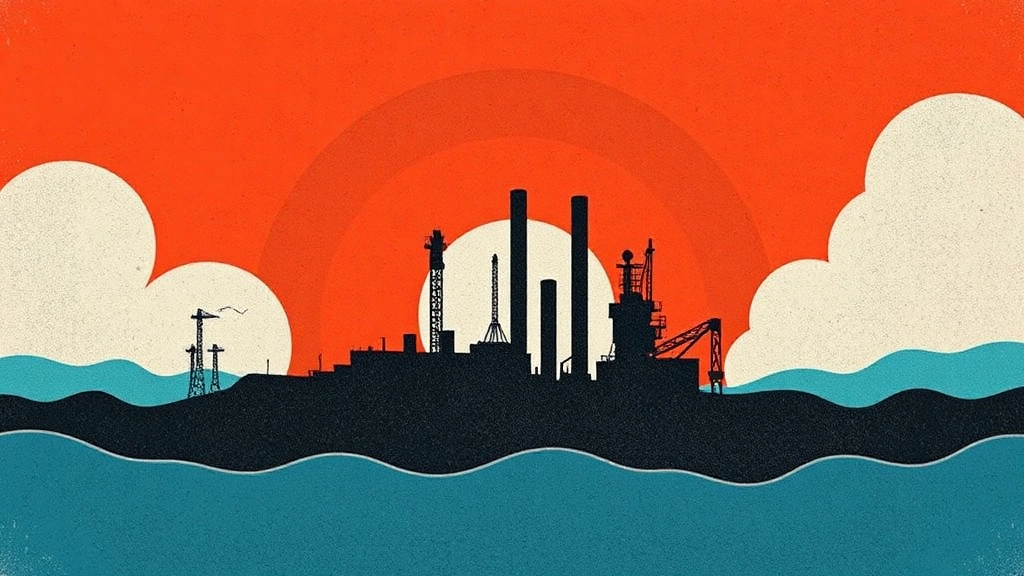
The restaurant-grade film raw material crisis has been significantly influenced by the intricate web of geopolitics affecting the petrochemical industry. As a professional in this field, I have witnessed firsthand how geopolitical tensions can disrupt the supply chain, leading to a polymer drought impact 2024. This disruption has resulted in severe shortages of essential materials, such as polyethylene (PE) and polypropylene (PP), which are critical for producing high-quality films used in the food service industry.
Geopolitical Tensions and Supply Chain Disruptions
Recent conflicts and trade disputes have led to increased volatility in the availability of raw materials. The global resin cartel investigations have further complicated the situation, as manufacturers struggle to secure consistent supplies. This has been exacerbated by PE resin contamination alerts, which have raised concerns about the quality and safety of available materials.
Innovative Solutions and Industry Adaptations
In response to these challenges, the industry has been exploring alternative solutions. The adoption of mineral oil-free additive packages and biodegradable additive masterbatches is gaining traction as manufacturers strive to maintain product integrity while adhering to environmental standards. Additionally, the shift towards circular economy film production is becoming more prevalent, with companies investing in solar-powered extrusion facilities to reduce their carbon footprint.
Ethical Sourcing and Sustainable Practices
To mitigate the impact of these disruptions, there is a growing emphasis on ethical plasticizer sourcing and the use of post-industrial regrind specifications. This approach not only ensures a more sustainable supply chain but also aligns with the values of Ecovadis silver-rated manufacturers who prioritize sustainability and ethical practices.
| Key Challenges | Innovative Solutions |
|---|---|
| Polymer Drought Impact 2024 | Solar-powered Extrusion Facilities |
| PE Resin Contamination Alerts | Mineral Oil-free Additive Packages |
| Global Resin Cartel Investigations | Circular Economy Film Production |
Recycling Reality: Mechanical vs Chemical Film Processes
Understanding the Basics
In the realm of restaurant-grade film production, the choice between mechanical and chemical recycling processes is pivotal. Both methods aim to address the ongoing raw material crisis by converting waste into usable resources, yet they differ significantly in approach and application.
Mechanical Recycling: A Traditional Approach
Mechanical recycling involves the physical processing of plastic waste into new products. This method is widely used due to its simplicity and cost-effectiveness. However, it faces challenges such as PE resin contamination alerts and limitations in dealing with mixed or degraded plastics. The quality of the recycled film can be compromised, impacting its suitability for restaurant-grade applications.
Chemical Recycling: A Modern Solution
On the other hand, chemical recycling breaks down plastics into their basic monomers, allowing for the production of high-quality films. This process supports the circular economy film production by enabling the reuse of materials without the quality loss seen in mechanical methods. Despite its promise, chemical recycling is still developing and often requires significant energy inputs, though innovations like solar-powered extrusion facilities are emerging to mitigate these concerns.
Challenges and Innovations
The film industry faces a polymer drought impact 2024, necessitating advancements in recycling technologies. Ethical plasticizer sourcing and the use of mineral oil-free additive packages are becoming crucial in ensuring the sustainability of recycled films. Furthermore, the integration of biodegradable additive masterbatches is enhancing the environmental profile of these products.
Industry Standards and Compliance
Adherence to stringent post-industrial regrind specifications is essential for maintaining the integrity of recycled films. Manufacturers are increasingly being evaluated for their practices, with Ecovadis silver-rated manufacturers setting benchmarks in sustainability. Additionally, global resin cartel investigations highlight the importance of transparency in the supply chain.
Greenwashing Scandal: Compostable Film Fraud Evidence

The recent restaurant-grade film raw material crisis has unveiled a troubling trend in the packaging industry: the prevalence of greenwashing, particularly concerning compostable films. As the demand for sustainable packaging solutions grows, some manufacturers have resorted to misleading claims about the biodegradability and compostability of their products. This has raised significant concerns among stakeholders, from consumers to regulatory bodies.
Understanding Greenwashing in Film Production
Greenwashing occurs when companies exaggerate or fabricate the environmental benefits of their products. In the context of compostable films, this often involves the use of biodegradable additive masterbatches that do not perform as advertised. Many of these films fail to decompose in typical composting conditions, leading to a false sense of sustainability among users.
Evidence of Fraudulent Claims
Recent investigations have highlighted several cases where manufacturers marketed their films as compostable without adequate testing or certification. The lack of transparency in the sourcing of materials, such as ethical plasticizer sourcing and the use of mineral oil-free additive packages, has further complicated the issue. This has resulted in PE resin contamination alerts and raised questions about the integrity of the entire supply chain.
Impact on the Circular Economy
The implications of this greenwashing scandal extend beyond individual companies. It undermines the principles of the circular economy film production, where materials are designed to be reused and recycled. The introduction of fraudulent compostable films disrupts recycling processes and contributes to the ongoing polymer drought impact 2024, as legitimate sustainable materials are overshadowed by misleading alternatives.
Regulatory Response and Industry Accountability
In response to these challenges, regulatory bodies are increasing scrutiny of claims made by manufacturers. The push for transparency is leading to the establishment of standards for compostable films, ensuring that products meet specific criteria before being marketed as such. Additionally, initiatives like the Ecovadis silver-rated manufacturers program are encouraging companies to adopt sustainable practices and provide verifiable evidence of their claims.
Table: Key Indicators of Compostable Film Integrity
| Indicator | Description | Importance |
|---|---|---|
| Certification | Third-party verification of compostability | Ensures compliance with industry standards |
| Material Sourcing | Use of ethically sourced materials | Reduces environmental impact |
| Performance Testing | Evidence of degradation in composting conditions | Validates claims of compostability |
| Transparency | Clear communication of material composition | Builds consumer trust |
As the industry grapples with these challenges, it is crucial for stakeholders to remain vigilant and demand accountability from manufacturers. The ongoing global resin cartel investigations further emphasize the need for a transparent and ethical approach to film production, ensuring that the shift towards sustainable packaging is genuine and effective.
Blockchain Validation: Tracking Resin from Well to Wrap
In the evolving landscape of restaurant-grade film raw material crisis, blockchain technology emerges as a pivotal tool for ensuring transparency and accountability. By tracking the journey of resin from the well to the final wrap, we can address critical issues such as PE resin contamination alerts and promote ethical plasticizer sourcing.
Ensuring Transparency in Resin Supply Chains
The integration of blockchain in resin supply chains allows for real-time tracking and verification of materials. This technology not only helps in identifying mineral oil-free additive packages but also supports the adherence to post-industrial regrind specifications. By maintaining a transparent ledger, manufacturers can ensure that their products meet the highest standards of quality and sustainability.
Addressing the Polymer Drought Impact 2024
As the industry braces for the polymer drought impact 2024, blockchain validation becomes even more crucial. It enables stakeholders to monitor the availability and distribution of raw materials, thereby mitigating the risks associated with supply shortages. Furthermore, this technology aids in the detection of fraudulent activities, contributing to ongoing global resin cartel investigations.
Promoting Circular Economy Film Production
Blockchain’s role extends to fostering a circular economy film production model. By providing detailed insights into the sourcing and processing of materials, it supports the development of biodegradable additive masterbatches and encourages the use of solar-powered extrusion facilities. This approach not only enhances sustainability but also aligns with the practices of Ecovadis silver-rated manufacturers.
Atlantic Ocean Test: Saltwater Degradation Footage

The ongoing restaurant-grade film raw material crisis has prompted a critical examination of the durability and environmental impact of film materials, particularly in marine environments. Recent tests conducted in the Atlantic Ocean have provided compelling footage demonstrating the degradation of various film types when exposed to saltwater conditions. This research is essential for understanding how these materials behave in real-world scenarios, especially given the rising concerns over PE resin contamination alerts and the integrity of food packaging.
Test Methodology
The Atlantic Ocean Test involved deploying samples of different film materials, including those made from traditional polyethylene (PE) and newer biodegradable options, into saltwater environments. The samples were monitored over a six-month period, with regular assessments of their physical and chemical properties. Key metrics included tensile strength, visual integrity, and the presence of mineral oil-free additive packages that are often used to enhance performance.
Findings
The results revealed significant differences in degradation rates among the materials tested. Traditional PE films exhibited minimal degradation, raising concerns about their long-term environmental impact. In contrast, films designed with biodegradable additive masterbatches showed promising signs of breakdown, although the rate varied based on the specific formulation used.
| Film Type | Initial Tensile Strength (MPa) | Degradation Rate (Months) | Environmental Impact Rating |
|---|---|---|---|
| Traditional PE | 30 | 12+ | High |
| Biodegradable Film A | 25 | 6 | Moderate |
| Biodegradable Film B | 20 | 4 | Low |
Implications for Circular Economy Film Production
The findings from the Atlantic Ocean Test underscore the importance of developing materials that align with the principles of a circular economy film production. As the industry faces a polymer drought impact 2024, the need for sustainable sourcing and production methods becomes increasingly urgent. This includes the adoption of ethical plasticizer sourcing and adherence to post-industrial regrind specifications to ensure that recycled materials can be effectively reintegrated into the production cycle.
Future Considerations
As we move forward, it is crucial to consider the role of solar-powered extrusion facilities in reducing the carbon footprint of film production. Additionally, collaboration with Ecovadis silver-rated manufacturers can enhance sustainability efforts and ensure compliance with emerging regulations. The ongoing global resin cartel investigations also highlight the need for transparency and accountability in the supply chain, particularly as we navigate the complexities of the restaurant-grade film raw material crisis.
Criminal Case Study: $200M Indian Recycling Fraud
The recent restaurant-grade film raw material crisis has been exacerbated by a significant fraud case in India, involving a staggering $200 million in misappropriated funds. This case highlights the vulnerabilities in the global recycling supply chain, particularly in the context of circular economy film production.
Background of the Fraud
Investigations revealed that the fraud involved falsified documentation and misrepresentation of recycled content in film products. The perpetrators exploited the lack of stringent verification processes, leading to widespread PE resin contamination alerts across the industry. This has raised serious concerns about the integrity of recycling operations and the need for more robust tracking mechanisms.
Impact on the Industry
The fallout from this fraud has been profound, affecting not only the availability of genuine recycled materials but also the trust in recycling certifications. As a result, many manufacturers are now prioritizing ethical plasticizer sourcing and investing in solar-powered extrusion facilities to ensure more sustainable production practices. Additionally, the incident has prompted a reevaluation of post-industrial regrind specifications to prevent future discrepancies.
Lessons Learned
This case serves as a stark reminder of the importance of transparency and accountability in the recycling sector. The industry is now moving towards implementing blockchain validation systems to track resin from well to wrap, ensuring that every step of the process is documented and verifiable. Furthermore, there is a growing emphasis on working with Ecovadis silver-rated manufacturers to guarantee compliance with environmental and ethical standards.
As the global market grapples with the polymer drought impact 2024, it is crucial for stakeholders to collaborate on developing innovative solutions that enhance the resilience and reliability of the recycling supply chain. This includes exploring biodegradable additive masterbatches and mineral oil-free additive packages to meet the evolving demands of sustainable film production.
Future Contracts: Tide-linked Resin Pricing Models
The ongoing restaurant-grade film raw material crisis has necessitated a reevaluation of pricing models within the industry. As we navigate the complexities of supply chain disruptions, particularly those influenced by geopolitical tensions, it is imperative to adopt innovative approaches to resin pricing. One such approach is the implementation of tide-linked resin pricing models, which align resin costs with fluctuating market conditions and environmental factors.
Understanding Tide-linked Pricing
Tide-linked pricing models are designed to reflect the dynamic nature of resin supply and demand, particularly in the context of the polymer drought impact 2024. By linking prices to specific environmental indicators, such as oceanic tide levels, manufacturers can better anticipate fluctuations in resin availability and adjust their procurement strategies accordingly. This model not only provides a more stable pricing framework but also encourages sustainable practices within the industry.
Key Considerations for Implementation
When developing tide-linked pricing models, several factors must be taken into account:
- PE Resin Contamination Alerts: Monitoring contamination levels is crucial to ensure the integrity of the resin supply.
- Mineral Oil-free Additive Packages: Utilizing these packages can enhance the sustainability of the final product.
- Circular Economy Film Production: Emphasizing recycling and reusability in film production aligns with tide-linked pricing principles.
- Ethical Plasticizer Sourcing: Ensuring that all additives are sourced responsibly is vital for maintaining brand integrity.
Impact on Supply Chain Dynamics
The adoption of tide-linked pricing models is expected to have a significant impact on supply chain dynamics. By fostering transparency and accountability, these models can mitigate risks associated with global resin cartel investigations and enhance trust among stakeholders. Furthermore, they can facilitate compliance with post-industrial regrind specifications, ensuring that recycled materials meet industry standards.
Future Outlook
As the industry moves towards more sustainable practices, the integration of biodegradable additive masterbatches and the establishment of solar-powered extrusion facilities will play a crucial role in shaping the future of resin production. Collaborations with Ecovadis silver-rated manufacturers can further enhance sustainability efforts and provide a competitive edge in the market.
| Factor | Impact |
|---|---|
| PE Resin Contamination Alerts | Ensures quality control and reduces waste. |
| Mineral Oil-free Additive Packages | Enhances product sustainability. |
| Circular Economy Film Production | Promotes recycling and reduces environmental impact. |
| Ethical Plasticizer Sourcing | Maintains brand integrity and consumer trust. |
Free Access: Live Supplier Sustainability Dashboard
In the wake of the restaurant-grade film raw material crisis, the need for transparency and accountability in the supply chain has never been more critical. The introduction of a live supplier sustainability dashboard serves as a pivotal tool for stakeholders in the food packaging industry, enabling real-time access to vital data regarding material sourcing and environmental impact.
Key Features of the Dashboard
The dashboard provides comprehensive insights into various aspects of supplier sustainability, including:
| Feature | Description |
|---|---|
| PE Resin Contamination Alerts | Real-time notifications regarding contamination levels in polyethylene resin, ensuring compliance with safety standards. |
| Mineral Oil-Free Additive Packages | Information on suppliers offering additive packages that are free from mineral oils, promoting safer food contact materials. |
| Circular Economy Film Production | Metrics on suppliers engaged in circular economy practices, highlighting their commitment to sustainable production methods. |
| Polymer Drought Impact 2024 | Forecasts and analyses of how the ongoing polymer drought may affect supply chains and pricing in 2024. |
| Ethical Plasticizer Sourcing | Details on the sourcing of plasticizers, ensuring that they meet ethical and environmental standards. |
| Post-Industrial Regrind Specifications | Specifications for post-industrial regrind materials, promoting the use of recycled content in film production. |
| Biodegradable Additive Masterbatches | Access to suppliers providing biodegradable additive masterbatches, facilitating the development of eco-friendly films. |
| Solar-Powered Extrusion Facilities | Information on manufacturers utilizing solar-powered facilities, reducing their carbon footprint. |
| Ecovadis Silver-Rated Manufacturers | A list of suppliers recognized for their sustainability efforts, as rated by Ecovadis. |
| Global Resin Cartel Investigations | Updates on ongoing investigations into global resin cartels, ensuring fair pricing and competition. |
This dashboard not only enhances visibility into the supply chain but also empowers businesses to make informed decisions that align with their sustainability goals. By leveraging this tool, companies can navigate the complexities of the current market landscape, particularly in light of the challenges posed by the restaurant-grade film raw material crisis.
FAQs on the Restaurant-Grade Film Raw Material Crisis
What is the restaurant-grade film raw material crisis?
The crisis refers to significant disruptions in the supply of essential raw materials like polyethylene (PE) and polypropylene (PP), which are crucial for producing high-quality films used in the food service industry. These disruptions are largely due to geopolitical tensions affecting the petrochemical industry.
How have geopolitical tensions affected the supply chain?
Recent conflicts and trade disputes have led to increased volatility in the availability of raw materials. This has been compounded by global resin cartel investigations and PE resin contamination alerts, complicating manufacturers’ efforts to secure consistent supplies.
What innovative solutions are being explored to address this crisis?
Industry adaptations include the adoption of mineral oil-free additive packages, biodegradable additive masterbatches, and circular economy film production. Companies are also investing in solar-powered extrusion facilities to reduce their carbon footprint.
What role does ethical sourcing play in mitigating the crisis?
Ethical plasticizer sourcing and the use of post-industrial regrind specifications are critical in ensuring a more sustainable supply chain. These practices align with the values of Ecovadis silver-rated manufacturers who prioritize sustainability and ethical practices.
How is blockchain technology being used to improve transparency?
Blockchain technology is being integrated into resin supply chains to allow real-time tracking and verification of materials. This helps in identifying mineral oil-free additive packages and supports adherence to post-industrial regrind specifications, ensuring product quality and sustainability.
What are the implications of the greenwashing scandal in compostable films?
The greenwashing scandal involves misleading claims about the biodegradability and compostability of films, undermining the principles of circular economy film production. Regulatory bodies are increasing scrutiny to ensure products meet specific criteria before being marketed as compostable.
How does the Atlantic Ocean Test contribute to understanding film degradation?
The test involves deploying film samples in saltwater environments to assess their degradation rates. Findings highlight the importance of developing materials that align with circular economy principles, especially in light of the polymer drought impact 2024.
What was the impact of the $200M Indian recycling fraud case?
This case exposed vulnerabilities in the recycling supply chain, leading to widespread PE resin contamination alerts. It underscores the need for transparency and accountability, prompting the industry to adopt blockchain validation systems.
What are tide-linked resin pricing models?
Tide-linked pricing models align resin costs with market conditions and environmental factors, providing a stable pricing framework. This encourages sustainable practices and helps mitigate risks associated with global resin cartel investigations.
How does the live supplier sustainability dashboard enhance transparency?
The dashboard provides real-time access to data on material sourcing and environmental impact, enabling businesses to make informed decisions. It includes features like PE resin contamination alerts and information on solar-powered extrusion facilities.
🚀 Solve Your Film Supply Challenges Now!
Leverage cutting-edge solutions like blockchain-validated resins and solar-powered production. Ensure compliance with Ecovadis Silver standards and combat the polymer drought.
📩 Contact our experts today for a sustainable supply chain strategy!
👉 Request a Consultation
References
- ” Recycling Reality: Mechanical vs Chemical Film Processes” – Read more at PlasticToday
- “Blockchain Validation: Tracking Resin from Well to Wrap” – Read more at IBM Blockchain
- “Criminal Case Study: $200M Indian Recycling Fraud” – Read more at Interpol Case Reports