
















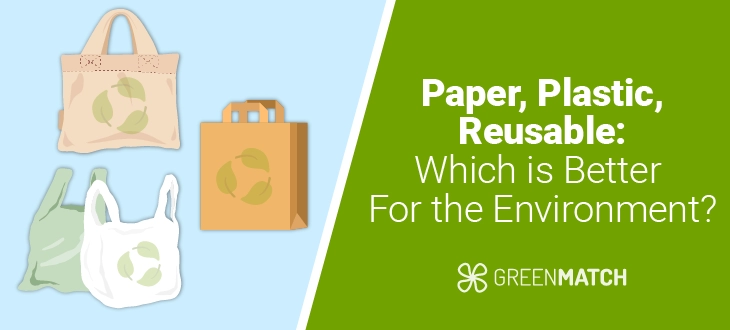
If you’ve ever stood in the checkout line wondering whether to grab a reusable bag or a plastic bag, you’re not alone. The debate between reusable bags vs plastic bags isn’t just about convenience—it’s about the environment, cost, and what makes the most sense for your lifestyle and local rules.
In this post, you’ll get clear, research-backed insights on how these two everyday essentials stack up—from their environmental impact to the economic factors and even health considerations. Whether you’re an eco-conscious shopper or a supermarket supplier looking for sustainable options, you’ll find practical advice to make smarter, greener choices.
Ready to finally settle the reusable bags vs plastic bags question once and for all? Let’s jump in.
The Basics of Reusable Bags vs Plastic Bags
When comparing reusable bags vs plastic bags, it’s important to start with clear definitions and understand the different types available in the market.
What Are Reusable Bags
Reusable bags are designed for multiple uses, offering a sustainable alternative to single-use plastic bags. They come in various materials, each with unique benefits:
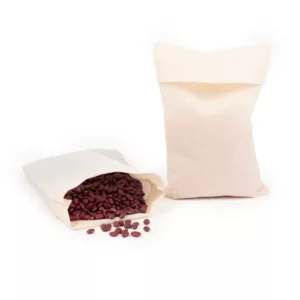
- Cotton bags: Natural, biodegradable, and durable. They are often organic and provide excellent strength but require water and energy to produce.
- Jute bags: Made from natural fiber similar to hemp, jute bags are strong, biodegradable, and compostable, popular in eco-friendly grocery settings.
- Recycled plastic bags: Created from post-consumer or post-industrial plastic, these bags help reduce waste by repurposing existing plastics. They combine durability with some environmental benefits though still contain plastic.
- Other materials include canvas, nylon, and polyester blends that emphasize durability and water resistance but vary in environmental impact depending on production and use.
Understanding Plastic Bags
Plastic bags refer to lightweight containers made primarily from polyethylene or similar polymers. They mostly fall into these categories:
- Single-use plastic bags: Thin, disposable bags commonly used in supermarkets and retail. These have a short lifespan and are a major source of plastic pollution.
- Biodegradable plastic bags: Designed to break down faster than conventional plastics, these rely on specific conditions to degrade and may not fully solve pollution issues.
- Recyclable plastic bags: Some plastics can be recycled but face challenges due to contamination and limited recycling facilities.
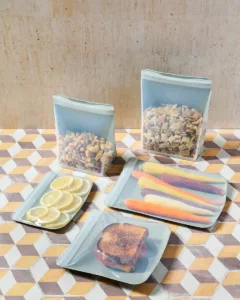
Plastic bags also include plastic bags for food storage, like sandwich bags or small plastic baggies, which serve specific household uses but add to consumer plastic waste if not reused or recycled properly.
Understanding the differences in materials and types of reusable and plastic bags is essential when evaluating their environmental and economic impacts. Reusable options often offer better longevity and reduced waste potential, while plastic bags, mostly single-use, continue to contribute significantly to global pollution. This insight sets the stage for a deeper comparison into their life cycle, cost-effectiveness, and suitability for different consumers and retailers.
For more on eco-friendly storage options, check out our guides on reusable food storage bags and vegetable storage bags.
Environmental Impact Comparison of Reusable Bags vs Plastic Bags
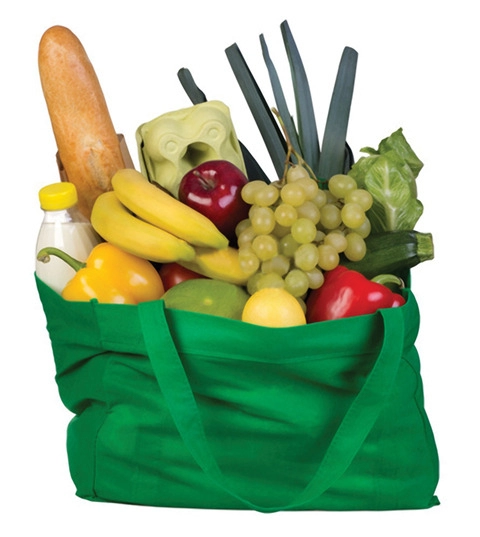
When it comes to choosing between reusable bags and plastic bags, understanding their environmental impact is essential. This helps us make informed choices that suit local US habits and regulations.
Production Footprint and Resource Use
- Reusable bags like cotton, jute, or recycled plastic require more resources and energy upfront to produce. For example, cotton bags need significant water and energy, while recycled plastic bags use less but still more than single-use plastic bags.
- Plastic bags are made cheaply and quickly, mainly from petroleum products, meaning a lower immediate energy cost but a high environmental price later.
Usage Lifespan and Waste Offset
- A key advantage of reusable bags is their durability. Studies show that a cotton bag might need to be reused at least 20 times to offset the environmental damage caused by the plastic bags it replaces.
- Thinner reusable bags made from recycled plastics generally break even sooner, around 10 to 15 uses.
- The average single-use plastic bag, meanwhile, is often used just once or twice before disposal, generating significant plastic bag waste.
End of Life Impact Biodegradability and Recycling
- Plastic bags are notorious for polluting landfills and oceans. They can take hundreds of years to degrade and often break down into microplastics that harm wildlife.
- There are biodegradable plastic alternatives, but they need special conditions to break down properly and aren’t widely accepted in recycling systems.
- Reusable bags, depending on the material, are often easier to recycle or compost. For instance, jute and cotton bags are biodegradable, while recycled plastic bags might be recycled again if local facilities accept them.
- However, not all reusable bags are recycled properly, leading to waste buildup if people toss old bags in landfills.
Local Environmental Regulations and Their Influence
- Many US states and cities have introduced plastic bag bans or fees to reduce plastic pollution and encourage reusable bag use.
- Examples include California, New York, and Washington, where single-use plastic bags are restricted or taxed.
- These regulations push consumers and retailers toward eco-friendly grocery bags and sustainable alternatives.
- At the same time, some areas still allow plastic bags, often for convenience or hygiene reasons, making education and accessible reusable bag options critical.
- Reusable bags have a higher production footprint but lower long-term environmental impact when reused properly.
- Plastic bags have a low upfront footprint but cause significant pollution and waste problems once discarded.
- Local bans and policies are shifting the US market towards more sustainable options, but practical use and end-of-life handling remain crucial.
Making an informed choice means balancing how you use the bags with their environmental benefits and challenges, and supporting local efforts to reduce plastic bag waste wherever possible.
Economic Factors in Reusable Bags vs Plastic Bags
When comparing reusable bags vs plastic bags, cost is a major factor for both consumers and retailers. Here’s a clear look at the economics behind each option.
Upfront Cost of Reusable Bags vs Plastic Bags
- Reusable bags generally have a higher initial price. Depending on the material—cotton, jute, or recycled plastic—they can range from $1.50 up to $10 or more per bag.
- Plastic bags are much cheaper upfront, often costing just a few cents each, especially when bought in bulk by supermarkets.
- However, these single-use plastic bags add up over time since shoppers usually take new ones every visit.
Long-term Savings for Consumers and Retailers
- For consumers, investing in a durable reusable bag pays off after around 10-15 uses, the point where the environmental impact and cost of single-use plastic bags are offset.
- Retailers save money by cutting down on handing out free plastic bags, which supermarkets often absorb as an ongoing cost.
- Reducing plastic bag waste also helps avoid fees or fines from local plastic bag bans and regulations, adding economic benefit over time.
- Offering reusable bags at checkout can also create a new revenue stream for stores.
Wholesale Buying Options and Pricing Considerations
- Supermarket suppliers benefit by ordering reusable bags in bulk, which lowers the cost per unit significantly.
- Prices vary depending on bag quality, size, and certifications (like organic cotton or recycled content).
- Suppliers like Artfullife provide a range of eco-friendly grocery bags tailored to different budgets and sustainable standards.
- Choosing the right balance of cost and quality ensures supermarkets keep customers happy while supporting sustainability goals.
- Plastic bags are cheap upfront but costly long-term, both economically and environmentally.
- Reusable bags require more upfront investment, but their durability and regulatory drivers make them a smart choice.
- For supermarkets and local retailers, partnering with suppliers offering customizable reusable bags helps manage costs and meet consumer demand for plastic bag alternatives.
Adopting reusable bags isn’t just good for the planet—it makes solid financial sense for shoppers and stores alike.
Practical Usage and Convenience of Reusable Bags vs Plastic Bags
Durability and Capacity Differences
When it comes to durability, reusable bags clearly take the lead. Made from materials like cotton, jute, or recycled plastic, these bags can carry heavier loads without tearing or stretching. In contrast, plastic bags—especially thin single-use ones—are prone to ripping under weight or sharp edges. If you often buy bulky or heavy groceries, reusable bags offer better support and reduce the risk of accidents.
Capacity also varies. Reusable bags generally have a larger volume and sturdier handles, which means you can fit more items in one bag compared to standard plastic bags. This helps cut down on the number of bags you need per shopping trip, enhancing convenience and reducing waste.
Hygiene and Cleaning Considerations
One concern shoppers raise with reusable bags is hygiene. Unlike disposable plastic bags, which are used once and then thrown away, reusable bags require regular cleaning to prevent bacteria buildup, especially if carrying fresh produce or raw meat.
Cleaning tips for reusable bags:
- Wash cloth bags like cotton or jute in the washing machine every few uses.
- For synthetic bags, wipe them down with disinfectant wipes or hand wash and air dry.
- Avoid storing damp bags in tight spaces to prevent mold or odors.
Plastic bags don’t usually come with these cleaning duties but their short life cycle means constant purchasing and disposal, which brings other environmental downsides.
Storage and Portability for Shoppers
Reusable bags are bulkier than plastic bags, which poses a challenge for convenience if you’re used to the small size and portability of plastic bags.
Tips to improve portability of reusable bags:
- Fold or roll bags into compact sizes that fit easily in a purse, glove box, or backpack.
- Use bags designed with built-in pouches or handles for easy carrying.
- Keep a few bags in your car or by your front door as a reminder.
Understanding these storage habits helps shoppers get used to switching to reusable bags without feeling inconvenienced.
User Habits and Behavior Change Challenges
Switching from plastic to reusable bags isn’t just about the bags themselves—it’s a change in behavior. Many shoppers forget to bring reusable bags or underestimate when they’ll need them, leading to last-minute plastic bag purchases.
Common challenges include:
- Remembering to bring bags each time.
- Adapting routine shopping habits.
- Adjusting to the extra step of bag cleaning.
Building new routines—like keeping reusable bags in visible spots, or having spare bags available—can make the transition easier over time. Programs that incentivize reusable bag use, supported by local regulations, can also help encourage consistent habits.
In , reusable bags offer more durability and capacity but require more attention to cleaning and thoughtful storage. Overcoming user habits is key to reaping their full environmental and practical benefits. For U.S. shoppers aiming to reduce plastic bag waste, understanding these practical points ensures a smoother switch to eco-friendly grocery bags.
Health and Safety Considerations for Reusable Bags vs Plastic Bags
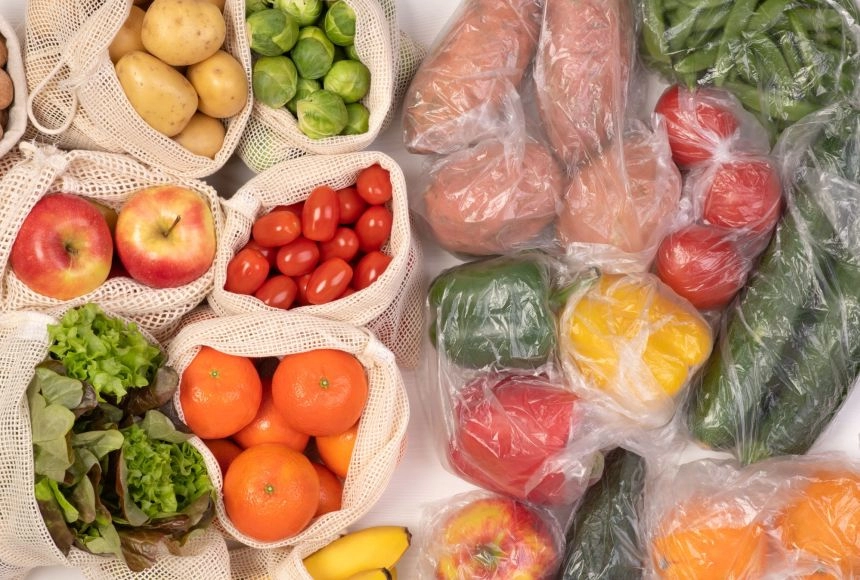
When choosing between reusable bags and plastic bags, health and safety play a crucial role—especially in daily grocery shopping where food contact is common.
Health Risks Associated with Plastic Bags
Plastic bags, particularly the thin, single-use types, pose several health concerns:
- Toxins and Chemicals: Plastic bags often contain additives like plasticizers and stabilizers that can leach harmful chemicals into food, especially when exposed to heat or used repeatedly.
- Microplastics: As plastic bags break down, they release tiny microplastics into the environment and sometimes food supplies. Microplastics are linked to health issues such as inflammation and may accumulate in the body over time.
- Bacterial Contamination: Single-use plastic bags are typically thrown away, but reusing them without proper cleaning can introduce bacteria and cross-contamination risks.
Safe Materials in Reusable Bags
Reusable bags are generally made from safer, sustainable materials designed with health in mind:
- Cotton and Jute Bags: These natural fibers are breathable and free from harmful chemicals. They are ideal for grocery runs but need washing to avoid bacteria buildup.
- Recycled Plastic Bags (Heavy-Duty): Bags made from recycled plastics are sturdier, reducing the need for frequent replacements. Look for those labeled BPA-free and food-safe.
- Non-toxic Coatings and Linings: Some reusable bags have food-safe linings to prevent leaks without the use of harmful chemicals.
Maintenance Tips for Reusable Bags Health and Safety
Keeping reusable bags clean is essential to avoid health risks:
- Wash Regularly: Cotton and jute bags should be washed after every few uses. Machine wash or hand wash with mild soap.
- Dry Thoroughly: Make sure bags are dry before storing to prevent mold and bacteria growth.
- Separate Bags for Raw and Cooked Foods: Use different bags for meats and fresh produce to avoid cross-contamination.
- Inspect for Damage: Damaged bags can harbor bacteria. Replace bags showing wear or tears.
- Plastic bags may introduce harmful toxins and microplastics, especially when reused improperly.
- Reusable bags made from natural or recycled materials offer a safer option but require regular cleaning and good maintenance to stay hygienic.
- Being mindful of bag care can protect your health while reducing plastic bag waste.
Choosing the right bag with health and safety in mind supports not only the environment but your family’s wellbeing, especially if you shop regularly at local U.S. supermarkets or use bags for food storage.
Consumer Trends in Reusable Bags vs Plastic Bags
Over the past few years, consumer preferences have clearly shifted toward reusable bags. More shoppers in the U.S. are choosing cotton, jute, and recycled plastic bags over single-use plastic ones. This change isn’t just a trend—it’s driven by growing awareness of plastic bag pollution facts and the environmental benefits of reusable bags.
Impact of Local Policies on Bag Usage
Local and state regulations have played a huge role in shaping buyer habits. Plastic bag bans, fees, and incentives have made reusable bags a more practical and attractive option. Many cities now charge fees for plastic bags or require stores to offer sustainable alternatives. These policies encourage shoppers to bring their own bags and reduce plastic bag waste.
Artfullife’s Role in Supporting Sustainable Bag Use
At Artfullife, we understand the importance of this shift. We work closely with local supermarkets to provide eco-friendly grocery bags that meet both consumer demand and regulatory requirements. Our range of reusable bags comes with quality assurance and environmental certifications, making it easier for supermarkets to adopt sustainable alternatives without sacrificing convenience or cost efficiency.
- We offer bulk purchasing options tailored for supermarkets
- Our bags are designed for durability and ease of cleaning, supporting better user habits
- We provide educational materials to help shoppers understand the benefits and proper use of reusable bags
By partnering with Artfullife, supermarkets can lead the charge in reducing plastic bag waste while responding to the growing preference for reusable shopping bags versus plastic bag waste.
How to Choose the Right Bag for Your Needs Reusable Bags vs Plastic Bags
Choosing between reusable bags and plastic bags depends on how you shop, your budget, and your environmental goals. Here are the key factors to keep in mind when picking the best option for your daily routine.
Consider Your Usage Frequency and Lifestyle
- Frequent Shoppers: If you hit the grocery store multiple times a week, investing in sturdy reusable bags (cotton, jute, or recycled plastic) makes sense. These bags can be used dozens, even hundreds of times, reducing plastic bag waste significantly.
- Occasional Shoppers: For those who shop less often or might forget reusable bags, having a few plastic bags on hand may be practical, but try to reuse them multiple times before disposal.
- Local Storage Needs: Some reusable bags also double as food storage bags, providing extra use cases and value.
Budget and Cost Factors
- Upfront Cost vs Longevity: Reusable bags may cost more upfront compared to single-use plastic bags. However, they save money in the long run by replacing dozens of plastic bags.
- Look for suppliers offering wholesale pricing on reusable bags, especially if you’re buying for a supermarket or business (Reusable bag suppliers).
Environmental Priorities Matter
- Choose reusable bags made from eco-friendly materials like organic cotton or recycled plastics if reducing your carbon footprint is a high priority.
- If you live in areas with plastic bag bans and regulations, reusable bags are often the only legal choice.
- Understanding how many uses to offset plastic bag impact can help motivate consistent use of reusable bags.
When Plastic Bags Are Still Useful
Despite their downsides, plastic bags can be unavoidable in some cases:
- Food Safety: Thin plastic bags are often preferred for wrapping raw food or wet items to avoid leaks.
- Convenience for Small Items: Small plastic bags still serve well for packaging loose produce or snacks.
- Emergency Backup: Having a few plastic bags stashed can be handy as backups when reusable bags are forgotten or dirty.
Best Practices for Responsible Bag Use and Disposal
-
For Reusable Bags:
- Clean them regularly to avoid hygiene issues.
- Repair or donate any bags you no longer need to extend their life.
-
For Plastic Bags:
- Reuse them multiple times before disposal.
- Drop them off at local recycling points—never toss plastic bags in regular trash.
By balancing these practical tips with your habits and environmental priorities, you’ll choose the right bag that fits your needs while minimizing waste.
For more on responsible storage solutions and eco-friendly bag options, check out our range of reusable food storage bags.
Artfullife’s Sustainable Solutions for Reusable Bags vs Plastic Bags
At Artfullife, we understand the growing demand among U.S. supermarkets and shoppers for eco-friendly grocery bags that reduce plastic bag waste and support local environmental goals. Our range of reusable bags is designed to offer practical, durable alternatives to single-use plastic bags while meeting high standards for quality and sustainability.
Wide Range of Reusable Bags
Artfullife offers a variety of reusable bags made from materials like:
- Cotton – natural, breathable, and durable for everyday shopping
- Jute – sturdy and biodegradable, perfect for heavier loads
- Recycled plastics – transforming plastic waste into functional bags that help close the recycling loop
This selection means supermarkets can cater to different shopper needs while promoting plastic bag alternatives that align with local bag bans and regulations.
Quality Assurance and Environmental Certifications
Our reusable bags come with quality assurance, ensuring they withstand frequent use and washing without breaking down easily. We also focus on environmental certifications like Global Organic Textile Standard (GOTS) for cotton bags and certifications for recycled content, helping supermarkets confidently market products as genuinely sustainable.
- Durable stitching and materials extend bag lifespan, reducing the need for replacements
- Certified materials support lower production footprints compared to plastic bags
- Compliance with local and federal environmental standards makes transitioning hassle-free
Support and Services for Sustainable Transition
Switching from plastic to reusable bags can be a big step for supermarkets. Artfullife supports this transition through:
- Wholesale pricing options tailored for retail volume needs
- Custom branding opportunities to encourage user adoption and brand loyalty
- Educational materials and training on bag hygiene and cleaning tips to help shoppers safely reuse bags
- Guidance on responsible disposal and recycling of worn-out bags
By partnering with Artfullife, supermarkets can lead the way in reducing plastic bag pollution while offering customers quality, sustainable bag choices—all while saving money in the long run through lower waste management costs and increased customer satisfaction.
Choosing Artfullife means investing in reusable bags that last, reduce plastic waste, and support a cleaner environment for communities across the U.S.