













Safe & Eco-Friendly Food Wrap Guide
Choosing the Right Food Wrap
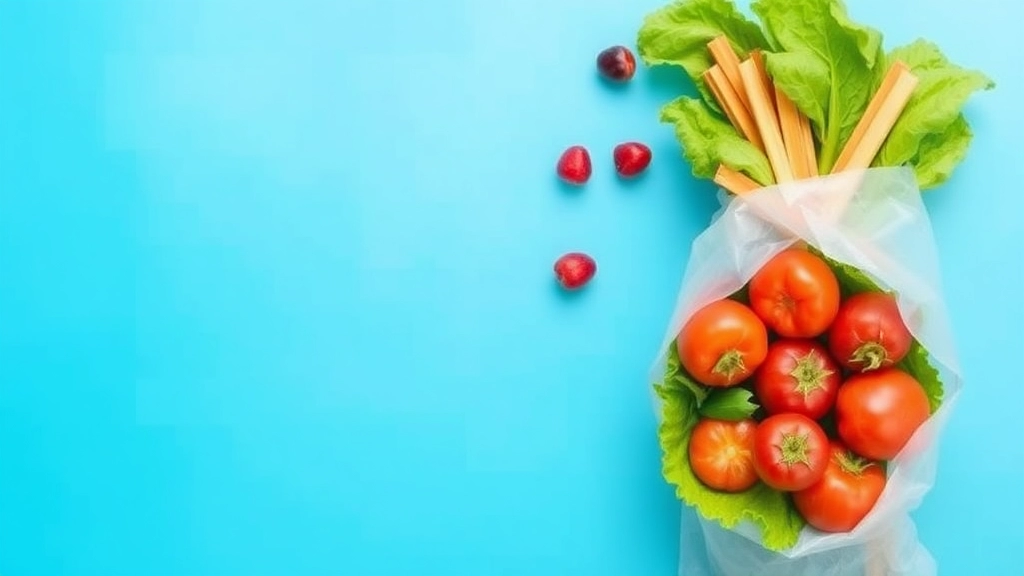
In today’s health-conscious world, choosing the right food wrap is crucial for protecting your family’s well-being and the environment. This article delves into how to choose safe and environmentally friendly food wrap options, highlighting the dangers of traditional wraps and the benefits of eco-friendly alternatives.
Identifying Harmful Chemicals
From identifying harmful chemicals like BPA in conventional wraps to exploring biodegradable and reusable options, we cover it all. Learn about certifications ensuring safety and sustainability, and discover tips for selecting non-toxic wraps that align with your values and lifestyle.
Identifying Harmful Chemicals in Traditional Food Wraps
As someone deeply invested in ensuring the health and safety of my family, I have spent considerable time researching the potentially harmful chemicals found in traditional food wraps. Understanding these components is crucial for making informed decisions about the products we use daily.
Common Chemicals in Conventional Food Wraps
Traditional food wraps, particularly those made from plastic, often contain chemicals that can be detrimental to health. The following table outlines some of the most common chemicals found in these products:
| Chemical | Potential Health Impact |
|---|---|
| Bisphenol A (BPA) | Endocrine disruption, potential links to cancer |
| Phthalates | Hormonal imbalances, reproductive issues |
| Polyvinyl Chloride (PVC) | Leaching of toxic substances, respiratory issues |
Understanding the Risks
The presence of these chemicals in food wraps is concerning because they can leach into food, especially when subjected to heat. This leaching can lead to the ingestion of harmful substances, posing risks to both adults and children. For instance, BPA and phthalates have been linked to hormonal disruptions, which can have long-term health implications.
Environmental Impact
Beyond personal health, the environmental impact of traditional food wraps cannot be overlooked. Plastics like PVC are not biodegradable and contribute to pollution, affecting wildlife and ecosystems. Choosing environmentally friendly options is essential not only for our health but also for the planet.
In summary, understanding the chemical composition of traditional food wraps is the first step in protecting your family’s health. By identifying these harmful substances, you can make more informed choices about the products you use and explore safer, more sustainable alternatives.
Exploring Eco-Friendly Alternatives to Plastic Wrap
Understanding the Need for Eco-Friendly Options
As awareness about the environmental impact of traditional plastic wraps grows, many of us are seeking eco-friendly alternatives to protect our families and the planet. Conventional plastic wraps often contain harmful chemicals that can leach into food, posing potential health risks. Additionally, plastic wraps contribute significantly to environmental pollution, as they are not biodegradable.
Biodegradable Materials: A Safer Choice
One of the most promising alternatives to traditional plastic wraps is the use of biodegradable materials. These materials are designed to break down more quickly and safely in the environment, reducing their ecological footprint. Common biodegradable options include wraps made from beeswax, soy wax, or plant-based cellulose. These materials not only provide a protective barrier for food but also ensure that the wrap decomposes naturally over time.
Exploring Reusable Food Wraps
Reusable food wraps are another excellent alternative to single-use plastic wraps. Made from materials such as cotton infused with beeswax, these wraps can be used multiple times, making them both cost-effective and environmentally friendly. They are easy to clean and maintain, providing a sustainable option for everyday use. By choosing reusable wraps, we can significantly reduce the amount of waste generated in our households.
Plant-Based Wraps: A Versatile Option
Plant-based wraps, often made from materials like corn starch or sugarcane, offer a versatile solution for those looking to minimize their environmental impact. These wraps are typically compostable and free from harmful chemicals, making them a safe choice for food storage. Plant-based wraps can be used in various applications, from covering leftovers to wrapping sandwiches, providing a practical and sustainable alternative to traditional plastic.
Considerations for Choosing Eco-Friendly Wraps
When selecting an eco-friendly food wrap, it is essential to consider factors such as the material’s biodegradability, reusability, and safety for food contact. Look for wraps that have been certified by reputable organizations, indicating that they meet specific environmental and health standards. Additionally, consider the wrap’s versatility and ease of use to ensure it fits seamlessly into your daily routine.
Benefits of Using Biodegradable Food Wraps

In recent years, the shift towards biodegradable food wraps has become increasingly important for both environmental and health reasons. These wraps offer a sustainable alternative to traditional plastic wraps, which are notorious for their negative impact on the environment and potential health risks due to the presence of harmful chemicals.
Environmental Benefits
One of the most significant advantages of using biodegradable food wraps is their positive impact on the environment. Unlike conventional plastic wraps, biodegradable options break down naturally over time, reducing the accumulation of non-degradable waste in landfills and oceans. This process helps in mitigating pollution and preserving natural ecosystems.
| Feature | Biodegradable Wraps | Plastic Wraps |
|---|---|---|
| Decomposition Time | Months to a few years | Hundreds of years |
| Environmental Impact | Minimal | Significant |
Health Benefits
Biodegradable food wraps are often made from natural materials such as beeswax, organic cotton, or plant-based cellulose, which are free from harmful chemicals found in plastics. This ensures that food remains uncontaminated, protecting your family’s health. Moreover, using non-toxic wraps reduces exposure to substances like BPA and phthalates, which are commonly associated with plastic products.
Cost-Effectiveness
While the initial cost of biodegradable wraps may be higher than traditional plastic wraps, their durability and reusability make them a cost-effective choice in the long run. Many biodegradable wraps can be reused multiple times, which not only saves money but also reduces waste.
| Aspect | Biodegradable Wraps | Plastic Wraps |
|---|---|---|
| Reusability | High | Low |
| Long-term Cost | Lower | Higher |
Supporting Sustainable Practices
By choosing biodegradable food wraps, consumers support companies and practices that prioritize sustainability. This choice encourages innovation and development of more eco-friendly products, ultimately leading to a more sustainable future.
Understanding Certifications for Safe Food Packaging
When selecting a safe and environmentally friendly food wrap to protect your family’s health, it is crucial to understand the certifications associated with food packaging. These certifications provide assurance that the products meet specific safety and environmental standards.
Food Safety Certifications
One of the primary certifications to look for is the Food Contact Material (FCM) certification. This ensures that the materials used in the food wrap are safe for direct contact with food. The FCM certification indicates that the product does not release harmful substances that could contaminate food.
Another important certification is the FDA (Food and Drug Administration) approval. Products with FDA approval have undergone rigorous testing to verify that they are safe for food contact. This approval is especially significant for food wraps used in the United States.
Environmental Certifications
For those seeking eco-friendly options, the Biodegradable Products Institute (BPI) certification is crucial. This certification confirms that the food wrap is compostable and will break down in a composting environment without leaving toxic residues. Additionally, look for the European Union’s EN 13432 standard, which is similar to the BPI certification but applicable in Europe.
The Forest Stewardship Council (FSC) certification is another indicator of environmental responsibility. This certification is relevant for food wraps made from paper or wood-based materials, ensuring that the materials are sourced from responsibly managed forests.
Non-Toxic and Allergen-Free Certifications
To further protect your family’s health, consider food wraps with certifications for being non-toxic and allergen-free. These certifications ensure that the wraps do not contain substances that could trigger allergic reactions or pose other health risks. The OEKO-TEX® Standard 100 is a well-known certification for textiles, ensuring that no harmful chemicals are present in the final product.
By understanding and seeking out these certifications, you can make informed decisions when choosing safe and environmentally friendly food wrap options that align with your family’s health and environmental values.
Tips for Choosing Non-Toxic Food Wrap Options
Understand the Material Composition
When selecting food wrap for your family, it’s crucial to understand the material composition. Opt for wraps made from natural materials such as beeswax, organic cotton, or silicone. These materials are typically free from harmful chemicals like phthalates and BPA, which are common in traditional plastic wraps.
Check for Certifications
Look for certifications that ensure the safety and environmental friendliness of the food wrap. Certifications such as USDA Organic, GOTS (Global Organic Textile Standard), and BPI (Biodegradable Products Institute) can indicate that the product meets high standards for safety and sustainability.
Evaluate Durability and Reusability
Consider the durability and reusability of the food wrap. Products that can be reused multiple times not only reduce waste but are also more cost-effective in the long run. Silicone wraps and beeswax wraps are excellent options as they can be washed and reused, maintaining their functionality over time.
Review Environmental Impact
Assess the environmental impact of the food wrap. Opt for products that are biodegradable or compostable, reducing the burden on landfills. Additionally, consider wraps that are produced using sustainable practices, minimizing their carbon footprint.
Consider Ease of Use
Choose food wraps that are easy to use and versatile. Wraps that can be easily molded to cover various food items or containers provide flexibility in the kitchen. Ease of cleaning is also important, ensuring that the wraps can be maintained hygienically.
Compare Cost and Value
While non-toxic and eco-friendly wraps might have a higher upfront cost, their long-term value often outweighs the initial investment. Compare costs with the number of uses each wrap can provide to assess their overall value.
| Consideration | Details |
|---|---|
| Material Composition | Natural materials like beeswax, organic cotton, silicone |
| Certifications | USDA Organic, GOTS, BPI |
| Durability and Reusability | Reusable options like silicone and beeswax wraps |
| Environmental Impact | Biodegradable, compostable, sustainably produced |
| Ease of Use | Versatile, easy to mold and clean |
| Cost and Value | Higher initial cost with greater long-term value |
How to Properly Dispose of Eco-Friendly Food Wraps
Proper disposal of eco-friendly food wraps is crucial in ensuring that their environmental benefits are fully realized. Although these wraps are designed to be more sustainable than traditional plastic wraps, understanding the correct disposal methods can further enhance their positive impact on the environment. Below, I will outline the key steps and considerations for disposing of these wraps responsibly.
Understanding Biodegradable and Compostable Wraps
Eco-friendly food wraps are often labeled as either biodegradable or compostable. It’s essential to recognize the difference between these terms:
| Type | Description |
|---|---|
| Biodegradable | Breaks down naturally over time through the action of microorganisms. |
| Compostable | Decomposes into non-toxic components that can enrich soil under specific conditions. |
Knowing these distinctions helps in choosing the appropriate disposal method.
Composting at Home
If the food wrap is labeled as compostable, it can be added to your home compost bin. Here are some tips for effective composting:
- Shred the wrap into smaller pieces to speed up decomposition.
- Mix it with other organic waste like fruit peels and vegetable scraps.
- Ensure the compost pile is kept moist and aerated for optimal breakdown.
Composting at home not only reduces landfill waste but also provides nutrient-rich compost for your garden.
Utilizing Local Composting Facilities
For those without the means to compost at home, local composting facilities offer a viable alternative. Many communities have drop-off points or curbside collection programs for compostable materials. Check with your local waste management services to find out what options are available in your area.
Recycling Considerations
Some eco-friendly food wraps may contain recyclable components. Always check the packaging for recycling symbols and instructions. If the wrap is recyclable, ensure it is clean and free from food residues before placing it in the recycling bin.
Avoiding Contamination
To prevent contamination of recycling and composting streams, it’s important to separate non-compostable or non-recyclable materials from your food wrap. This careful sorting helps maintain the integrity of the recycling and composting processes.
By following these disposal guidelines, you can ensure that your choice of eco-friendly food wrap not only protects your family’s health but also contributes positively to the environment.
FAQs on Choosing Safe and Environmentally Friendly Food Wraps
What are the harmful chemicals commonly found in traditional food wraps?
Traditional food wraps, especially those made from plastic, often contain chemicals like Bisphenol A (BPA), phthalates, and polyvinyl chloride (PVC). These substances can pose health risks, such as endocrine disruption and hormonal imbalances, and may leach into food, particularly when heated.
Why should I consider eco-friendly alternatives to plastic wraps?
Eco-friendly alternatives are free from harmful chemicals and reduce environmental pollution. They are typically made from biodegradable materials like beeswax or plant-based cellulose, which break down naturally and do not contribute to long-term waste.
What are the benefits of using biodegradable food wraps?
Biodegradable food wraps offer several advantages, including reduced environmental impact, as they decompose naturally. They are often made from non-toxic materials, ensuring food safety, and can be cost-effective due to their reusability.
What certifications should I look for in safe food packaging?
Look for certifications like Food Contact Material (FCM) and FDA approval for safety. For environmental assurance, seek certifications such as the Biodegradable Products Institute (BPI) and the European Union’s EN 13432 standard.
How can I choose non-toxic food wrap options?
Choose wraps made from natural materials like beeswax or organic cotton. Check for certifications like USDA Organic and GOTS, evaluate durability and reusability, and consider the product’s environmental impact and ease of use.
How should I dispose of eco-friendly food wraps?
Proper disposal depends on whether the wrap is biodegradable or compostable. Compostable wraps can be added to home compost bins or local composting facilities. Ensure correct separation to avoid contamination in recycling and composting streams.