
















Should You Poke a Hole in Plastic Wrap? Unwrap the Truth!
Ever found yourself staring at a bowl of leftovers, wondering, “Should I poke a hole in plastic wrap before popping it in the microwave?” You’re not alone! Whether you’re microwaving food, freezing leftovers, or just trying to keep your kitchen eco-friendly, knowing how to use plastic wrap properly can save you time, hassle, and even a potential kitchen mishap. As advocates for sustainable living, Ecoartfullife is here to guide you through when to poke holes, why it matters, and how to ditch single-use plastics for good. Let’s dive into this cling film conundrum and discover practical tips to make your kitchen smarter and greener!
When Should You Poke a Hole in Plastic Wrap
Poking a hole in plastic wrap isn’t always necessary, but there are specific times when it’s a good idea. For example, microwaving food with plastic wrap often calls for a small vent hole. This lets steam escape and helps avoid pressure build-up that can cause the wrap to burst. According to FDA and USDA guidelines, using microwave-safe plastic wrap with a vent is recommended to keep cooking safe and effective.
When it comes to freezing food, poking holes isn’t usually needed, but it can help in some cases to prevent moisture build-up and reduce the risk of freezer burn. Venting can be especially useful for certain foods that release gases during freezing or thawing.
Other times you might poke holes include fermentation—foods like kimchi or pickles need to release gas to avoid bursting the wrap—and general storage where you want to avoid sogginess by letting air in gently.
Understanding when to poke holes in plastic wrap can improve food safety and preserve quality, while avoiding messes in your kitchen.
Safety Concerns with Plastic Wrap

When it comes to plastic wrap safety, there are a few things to keep in mind. One common worry is chemical leaching, where harmful substances from the plastic could seep into food. The good news is that most plastic wraps sold in the UK meet strict safety standards, similar to the FDA and USDA guidelines in the US. These approvals mean the plastic is tested to be safe for direct contact with food, especially during short microwave use.
However, it’s important to handle plastic wrap correctly to reduce any risks. Avoid using plastic wrap that isn’t labelled as microwave-safe when heating food. Also, do not let the wrap touch fatty or sugary foods at high temperatures, as this can increase chemical transfer.
On the environmental side, plastic wrap often isn’t recycled easily and takes a long time to break down. This adds to plastic waste issues in the UK. Being mindful about reducing use and exploring eco-friendly food storage alternatives can really help tackle this problem.
Safe handling tips include:
- Use plastic wrap labelled microwave-safe for heating.
- Avoid direct contact with hot, greasy food.
- Don’t reuse plastic wrap that has already touched raw meat or strong-smelling foods.
- Dispose of plastic wrap responsibly to minimise environmental impact.
By staying aware of these factors, you can use plastic wrap safely while also helping to protect the environment.
Eco-Friendly Alternatives to Plastic Wrap
Switching to eco-friendly alternatives makes a lot of sense, especially with growing concerns about plastic waste and its impact on the environment. Using sustainable options not only reduces the amount of plastic going to landfill but often means better food storage that’s reusable and safer in the long run.
Reasons to Switch to Sustainable Options
- Reduce plastic waste that harms wildlife and contributes to pollution
- Save money by using products that last longer than single-use plastic wrap
- Avoid potential chemical leaching associated with some plastic films
- Support brands and products designed for a healthier planet
Beeswax Wraps Silicone Covers and Glass Containers
These alternatives are gaining popularity in UK kitchens for their practicality and eco-friendly credentials:
- Beeswax wraps mould around food or containers using body heat, providing a breathable seal ideal for cheese, bread, and produce
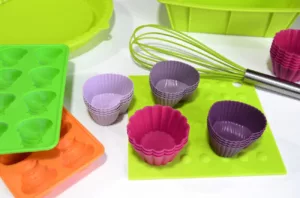
- Silicone covers stretch over bowls and dishes, creating an airtight, reusable seal that’s dishwasher safe
- Glass containers offer sturdy, versatile storage, safe for fridge, freezer, and microwave use with no risk of chemicals leaching
Ecoartfullife’s Sustainable Kitchen Products
Ecoartfullife offers a great range of kitchen products that fit this eco-friendly approach. Their beeswax wraps and silicone covers are designed with UK customers in mind – durable, easy to use, and made from non-toxic, sustainable materials. These products make swapping out plastic wrap straightforward and effective, helping households take simple steps towards a greener kitchen.
Practical Tips and Hacks for Using Plastic Wrap
When using plastic wrap, there are some handy tricks that make life easier and help reduce waste.
How to Poke Holes Effectively
- Use a toothpick or a sharp fork to gently poke small holes in the plastic wrap. This works well when microwaving to let steam escape safely.
- Don’t make the holes too big, or your food might dry out or spill.
- Poke the holes evenly across the wrap to allow proper ventilation without losing moisture.
Creative Uses of Plastic Wrap
- Wrap half-cut fruits or vegetables to keep them fresher for longer.
- Use it as a barrier when kneading dough to prevent sticking.
- Cover bowls tightly to marinate food overnight, locking in flavours.
- Line your chopping board when handling messy ingredients for easy clean-up.
Ways to Minimise Plastic Waste and Reuse
- Try to use the smallest amount of wrap needed for your task—more isn’t always better.
- Save clean scraps of plastic wrap to cover smaller containers later.
- Wash and dry wraps if you’re using reusable types.
- Combine plastic wrap with other sustainable storage methods like glass containers to cut down usage.
- Consider switching to eco-friendly alternatives where possible, helping reduce overall plastic waste in your kitchen.
These tips ensure you get the best from plastic wrap while keeping food safe and cutting down on unnecessary waste.