
















Are you tired of wasting money on single-use plastic bags that harm the environment? Silicone bags might just be the game-changer your kitchen needs. These reusable, eco-friendly storage solutions are not only durable and safe for your food but also incredibly versatile — perfect for everything from freezing leftovers to sous-vide cooking.
At Artfullife, we understand the growing demand for sustainable kitchenware that fits modern lifestyles, and that’s why we offer a range of premium silicone bags designed to meet your everyday needs.
In this post, you’ll discover everything you need to know about silicone bags — from their benefits and common uses to tips on proper care and how they compare to other storage options. Ready to make the switch to a smarter, greener way to store your food? Let’s dive in!
What Are Silicone Bags
Definition and Materials Used
Silicone bags are reusable storage bags made from food-grade silicone, a flexible, non-toxic material derived from silica (found in sand). Unlike regular plastic, silicone does not contain BPA, phthalates, or other harmful chemicals, making it a safe choice for storing and cooking food. The material is heat-resistant, waterproof, and highly durable, which allows it to be used in a wide range of temperatures without degrading.
Different Types and Sizes for Household Needs
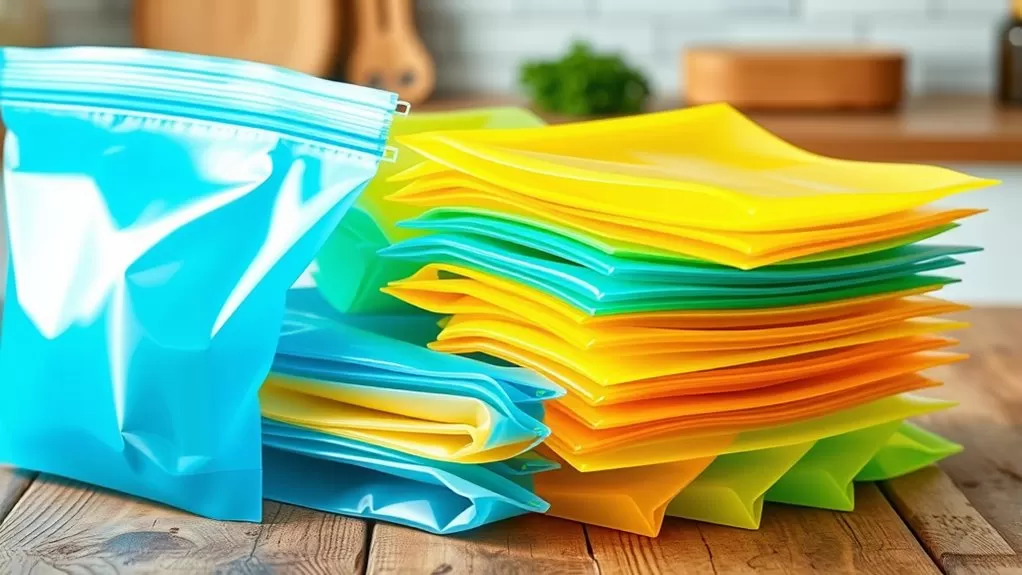
Silicone bags come in a variety of shapes, sizes, and closure styles to suit different purposes. Common options include:
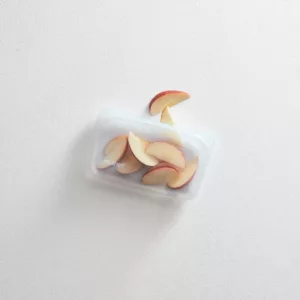
- Small silicone snack bags – Ideal for nuts, fruit slices, or school lunches.
- Medium silicone storage bags – Great for meal prep, leftovers, or marinated meats.
- Large silicone freezer bags – Perfect for bulk food storage or freezer meals.
- Stand-up silicone bags – Convenient for liquids, soups, or organizing pantry items.
- Silicone sous vide bags – Specially designed for cooking at precise temperatures.
| Type | Best For | Typical Capacity |
|---|---|---|
| Snack Bag | Snacks, sandwiches | 0.5–1 cup |
| Medium Storage Bag | Meal portions, cut produce | 2–4 cups |
| Large Freezer Bag | Bulk meals, frozen produce | 6–8 cups |
| Stand-Up Bag | Liquids, pantry staples | Varies |
| Sous Vide Bag | Precision cooking | Varies |
Comparison to Traditional Plastic and Other Reusable Bags
Compared to single-use plastic bags, silicone bags offer significant environmental and practical advantages:
- Reusable – Can replace hundreds of disposable bags over their lifetime.
- Durable – Withstands heat, cold, and repeated use without tearing.
- Safe for food – BPA-free and odor-resistant.
- Temperature versatile – Can go from the freezer to the microwave without damage.
When compared to other reusable bag options like cloth bags or rigid containers:
- Silicone vs. Cloth Bags – Silicone is better for wet or liquid foods, while cloth works best for dry goods.
- Silicone vs. Glass Containers – Silicone is lighter, flexible, and space-saving, but glass is more rigid and breakable.
Silicone bags combine the versatility of plastic with the eco-friendliness of reusable solutions, making them an increasingly popular choice in U.S. homes.
Key Benefits of Using Silicone Bags
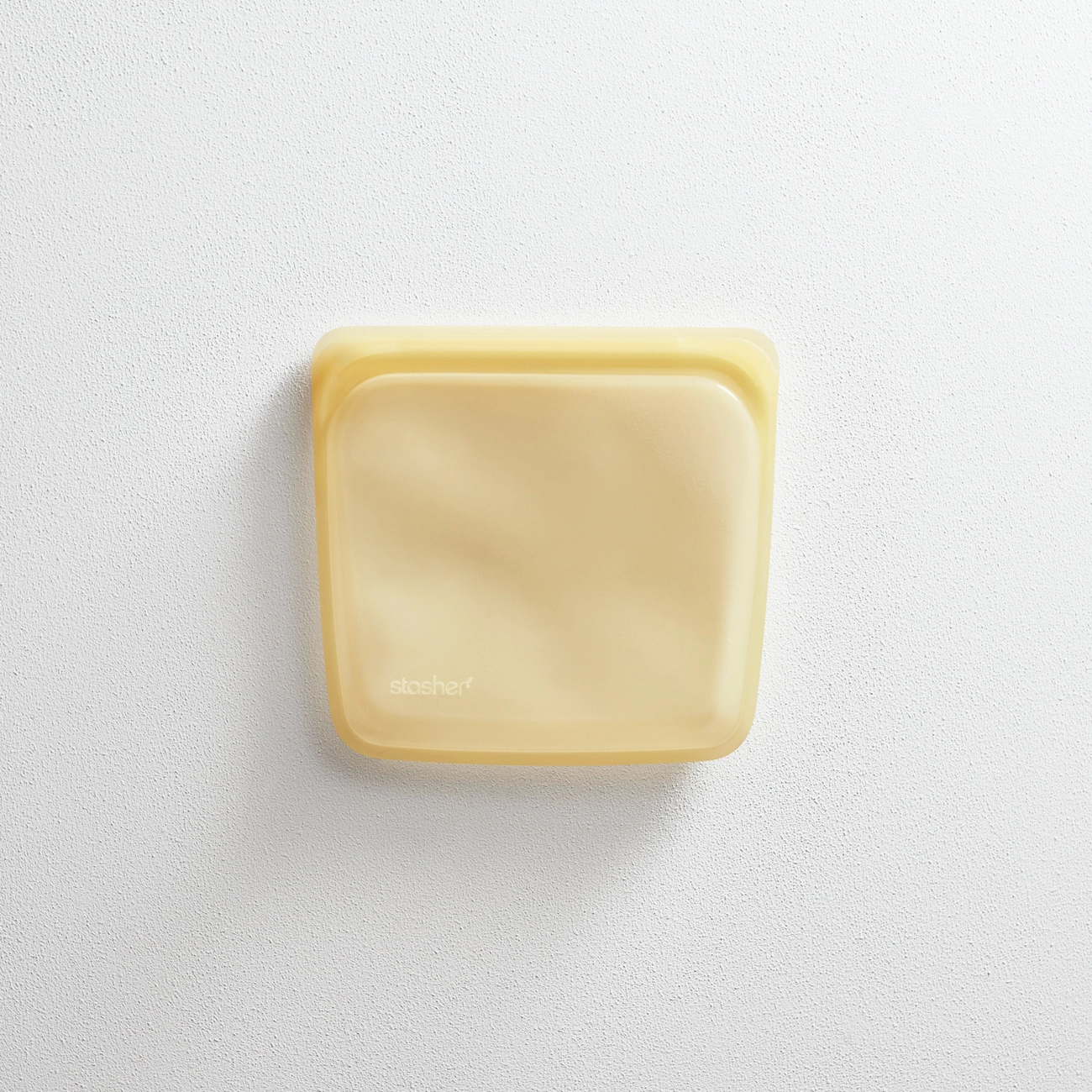
Eco Friendly and Reusable
Switching to reusable silicone food bags cuts down on single-use plastic waste. One silicone bag can replace hundreds of disposable plastic bags over its lifespan. That’s less trash in landfills and oceans, and more savings in your pocket.
Why it matters in the U.S.: With growing bans on single-use plastics in states like California, New York, and Oregon, reusable options are not just eco-friendly – they’re becoming essential.
Durable and Long Lasting
Silicone storage bags for food are built to handle a lot — from a deep freezer to boiling water. They won’t crack in the cold, warp in the heat, or tear during daily use. Unlike thin plastic bags, silicone can handle rough handling without losing function.
| Environment | Silicone Bags | Plastic Bags |
|---|---|---|
| Freezer | No cracking | Often cracks |
| Heat/Cooking | Withstands up to 400°F+ | Warps/melts |
| Repeated Use | 100s of times | 1-2 times |
Safe for Food Contact
Quality BPA-free silicone bags are made from food-grade silicone, meaning no harmful chemicals leach into your snacks, leftovers, or cooked meals. This is an important consideration for U.S. families who are increasingly cautious about plastics touching food, especially for kids’ lunches.
Versatile for Every Kitchen Task
One bag works for almost everything:
- Freezer safe for batch cooking or meal prep.
- Microwave safe without worrying about melting.
- Dishwasher safe for hassle-free cleanup.
- Heat safe for sous vide or steaming vegetables.
This versatility makes them a one-stop solution for food storage, cooking, and even non-food uses.
Cost Effective Over Time
While the upfront cost is higher than a pack of zip-top plastic bags, the cost per use drops significantly over time. A single silicone bag can last for years, replacing hundreds of disposable bags and reducing the constant expense of buying single-use plastics.
Example cost breakdown:
| Item | Average Cost | Average Uses | Cost per Use |
|---|---|---|---|
| Silicone bag | $12 | 500+ | $0.02 |
| Disposable plastic bag | $0.10 | 1 | $0.10 |
Common Uses of Silicone Bags
Silicone bags are more than just food storage containers—they’re versatile, durable, and designed to fit into everyday life. Whether it’s keeping your groceries fresh, prepping meals in advance, or organizing small items at home or on the go, they can handle it all.
Food Storage and Meal Prep
Reusable silicone food bags are perfect for everyday kitchen storage. Since they are airtight and leakproof, they keep food fresh longer and prevent spills in the fridge or lunch bag. Common uses include:
- Snacks on the go – fruit, chips, granola, or nuts.
- Meal prep portions – marinated meats, chopped vegetables, or pre-measured meal components.
- Leftovers – store cooked pasta, salads, or soups without worrying about leaks.
- Ingredient storage – flour, sugar, herbs, or coffee beans stay fresh and protected from moisture.
Cooking Applications
One of the biggest advantages of silicone bags is that they’re heat-safe and freezer-safe, making them useful for more than just storage.
- Sous vide cooking – the thick food-grade silicone handles high temperatures without leaching chemicals.
- Steaming vegetables – place fresh veggies inside, add seasoning, and steam them in the microwave or pot.
- Marinades – seal, shake, and let the flavors soak in without spills or extra dishes.
Non-Food Uses at Home and While Traveling
Beyond the kitchen, silicone storage bags are great for organizing and protecting small items. Their flexibility, water resistance, and durability make them a handy solution for:
- Travel kits – toiletries, cosmetics, or first-aid supplies.
- Electronics protection – keep chargers, earphones, and cables organized.
- Kids’ items – small toys, crayons, or puzzle pieces for on-the-go entertainment.
- Outdoor activities – keep your phone, snacks, or keys safe from sand, water, or dirt while camping or at the beach.
These everyday uses make silicone freezer bags a smart choice for anyone who wants clutter-free organization and eco-friendly storage in one product.
How to Properly Use and Maintain Silicone Bags
If you want your reusable silicone food bags to last for years, a little care goes a long way. These bags are tough, but proper use and regular cleaning will keep them safe, odor-free, and in top shape.
Cleaning Silicone Bags
One of the biggest advantages is that most silicone storage bags for food are dishwasher safe. That said, some situations call for a quick hand wash.
Dishwasher Cleaning
- Place bags wide open on the top rack.
- Use a high-heat cycle to sanitize.
- Let them dry completely before storing.
Hand Washing
- Use warm, soapy water and a soft brush or sponge.
- Pay close attention to the seal area to remove trapped food.
- Rinse well to avoid soap residue.
Deep Cleaning for Stains or Odors
- Soak in a mix of baking soda and warm water for a few hours.
- For stubborn smells, add a splash of white vinegar to the soak.
- Avoid abrasive scrubbers—they can damage the surface.
Storing Silicone Bags
Keeping your BPA-free silicone bags dry and open when not in use prevents musty smells.
- Completely air dry before sealing shut.
- Store upright in a drawer or hang on hooks.
- Keep away from sharp objects that could puncture them.
Common Mistakes to Avoid
To extend the life of your silicone freezer bags and snack bags:
- Avoid using sharp utensils inside the bag.
- Do not store greasy foods without washing soon after—oil can cling and cause odors.
- Don’t close them wet—moisture plus no airflow equals mold risk.
- Avoid extreme direct heat (like an open flame) even though they’re heat safe.
Taking a little extra time to clean and store them right means you can reuse your eco-friendly food storage solution hundreds of times without worrying about odors, stains, or losing quality.
Silicone Bags vs Other Storage Alternatives
When choosing between silicone storage bags and other common options like plastic bags, reusable cloth bags, or glass and plastic containers, it’s worth looking at the pros and cons for real-life use. Here’s how they stack up.
Plastic Bags
Pros
- Cheap and easy to find anywhere.
- Lightweight and disposable, no washing needed.
Cons
- Single-use for most people, which adds to landfill waste.
- Can leach chemicals into food, especially with heat.
- Not safe for cooking or reheating.
Reusable Cloth Bags
Pros
- Good for carrying dry goods, produce, or groceries.
- Washable and breathable so produce doesn’t sweat.
Cons
- Not leak-proof, so not great for liquids or sauces.
- Can stain and hold odors over time.
- Less versatile for freezing or cooking.
Glass Containers
Pros
- Non-toxic and keeps food fresh without absorbing odors.
- Oven and microwave safe for most types.
- Durable for long-term storage if handled well.
Cons
- Heavy and breakable—less practical for on-the-go.
- Takes up more space in the fridge or freezer.
- Usually more expensive upfront.
Plastic Containers
Pros
- Affordable and widely available.
- Lightweight and come in many shapes and sizes.
Cons
- Can warp or crack over time, especially in high or low temperatures.
- Some may contain BPA or other chemicals you don’t want near food.
- Stains and odors are common with extended use.
Why Silicone Bags Stand Out
- Reusable for years without degrading like plastic.
- BPA-free and food safe, so they won’t leach chemicals.
- Heat and cold resistant for freezer storage, microwaving, or sous vide cooking.
- Flexible and space-saving—can fit in crowded freezers or bags.
- Leak-proof closures for liquids and marinades.
Silicone bags sit in a sweet spot: they’re safer than plastic, more versatile than cloth, and easier to carry than glass. For U.S. households looking for eco-friendly food storage solutions that work across the freezer, microwave, and dishwasher, they offer a balance of convenience, safety, and durability that the other options typically can’t match.
How to Choose the Right Silicone Bag for Your Needs
Finding the right silicone storage bag comes down to knowing your daily needs and matching them with the right size, closure type, and material quality. Here’s what to keep in mind when shopping.
Size and Capacity
Different needs call for different sizes.
| Bag Size | Common Use |
|---|---|
| Small (Snack size, 7–10 oz) | Snacks, kids’ lunches, small leftover portions |
| Medium (Quart size, 28–32 oz) | Sandwiches, sliced fruits, meal prep portions |
| Large (Gallon size, 50–64 oz) | Family-sized leftovers, freezer storage, bulk ingredients |
Tip: Keep an assortment. Small bags are great for daily snacks, while larger ones are perfect for freezing meats or storing leafy greens.
Closure Types
The closure impacts how leakproof and easy the bag is to use.
- Zip-lock style: Easy to open and close, good for quick access.
- Slide-lock bar: Creates a tighter seal, ideal for liquid storage or sous vide.
- Press seal: Most basic, works well for dry foods and light use.
Thickness and Durability
Thicker silicone usually means stronger and longer-lasting bags, especially if you use them in the freezer, microwave, or for sous vide cooking.
- Standard thickness (0.4-0.5 mm): Good for snacks, light meal prep.
- Heavy-duty thickness (0.6-0.8 mm or more): Best for boiling, heavy freezer use, or frequent cooking.
Note: Heavy-duty bags cost a little more but hold up for years.
Certifications and Food Safety Standards
Always check that silicone bags are BPA-free, food-grade, and FDA-approved for direct food contact. For extra peace of mind, look for:
- LFGB certification (European food safety standard, more rigorous than FDA)
- Platinum silicone (highest quality, odor-resistant, safe for hot and cold use)
Choosing the right reusable silicone food bags is mostly about matching your lifestyle with the right specs—whether that means a set for kids’ snacks, for meal prep, or for bulk food storage.
Why Buy Silicone Bags from Artfullife
Consistent Quality You Can Rely On
Artfullife’s reusable silicone food bags are made from 100% BPA-free, food-grade silicone, so you know what’s going in contact with your food is safe. Every batch goes through strict quality checks to ensure the bags are durable, leakproof, heat and cold resistant, and compliant with U.S. food safety standards.
Product Varieties for Local Needs
We understand U.S. households and businesses have different storage needs. That’s why Artfullife offers:
- Multiple sizes — from small silicone snack bags to large silicone freezer bags
- Closure options — slide-locks for quick sealing, or zip closures for extra security
- Thickness grades — light for everyday snacks, heavy-duty for freezer or sous vide cooking
- Special use designs — wide-mouth pouches for meal prep, flat-bottom bags for bulk items
Competitive Pricing for Supermarket Suppliers
As a supermarket supplier, Artfullife keeps pricing competitive without cutting corners on quality. Bulk orders get cost advantages, making it easier for stores to offer affordable eco-friendly food storage solutions to customers. This balance of cost and value makes our silicone storage bags a smart long-term choice for both retailers and end users.
Dedicated Customer Support
Our U.S.-based support team makes the process simple – from answering product questions to handling bulk order logistics. We work with grocery chains, specialty stores, and eco-shops to provide consistent supply, clear communication, and responsive service.
Commitment to Sustainability
Artfullife isn’t just selling silicone bags — we’re helping reduce single-use plastic waste in American homes and businesses. We source materials responsibly, promote long-lasting food storage alternatives, and partner with retailers to make eco-friendly products more accessible.
Frequently Asked Questions about Silicone Bags
Are silicone bags microwave safe
Yes. Most reusable silicone food bags are microwave safe because they’re made from food-grade, heat-resistant silicone. Just make sure to:
- Leave the bag slightly open to let steam escape.
- Avoid microwaving oily or greasy food for too long, as high heat can cause discoloration over time.
- Always check the manufacturer’s temperature ratings before use.
Can you put silicone bags in the freezer
Absolutely. Silicone freezer bags handle cold temperatures without cracking, unlike some plastics. They’re great for:
- Freezing fruits, vegetables, and leftovers.
- Preventing freezer burn when sealed properly.
- Stacking flat to save space in the freezer.
How many times can you reuse silicone bags
With proper care, a quality silicone storage bag can last for years — easily over a thousand uses. Longevity depends on:
- Regular cleaning and drying.
- Avoiding cuts from sharp objects.
- Storing them properly when not in use.
Are silicone bags environmentally friendly
Yes. BPA-free silicone bags reduce the need for single-use plastics, cutting down on landfill waste. While silicone isn’t biodegradable, it’s long-lasting and recyclable at select facilities, making it a more sustainable food storage choice for U.S. households.
What to do if silicone bags develop smells
Over time, strong food odors may linger. To remove smells:
- Baking soda soak – Fill the bag with warm water, add 1–2 tablespoons of baking soda, and let it sit overnight.
- Lemon soak – Add warm water and lemon juice, then soak for a few hours.
- Dry bag fully before storing to avoid stale odors.
For stubborn smells, repeat the process or leave the bag in direct sunlight for a few hours to naturally deodorize.