















The Ultimate Guide to Types of Food Wraps: Sustainable Solutions for Every Kitchen
You’re packing a lunch, storing leftovers, or prepping for a big bake, and suddenly you’re wondering—what’s the best food wrap for the job? With so many types of food wraps out there, from classic plastic cling film to eco-friendly beeswax wraps, choosing the right one can feel overwhelming. But don’t worry—I’ve got you covered! As someone who’s passionate about keeping food fresh while cutting down on waste, I’ve explored the ins and outs of food wraps to bring you practical, real-world advice. In this guide, you’ll discover the top types of food wraps, their uses, and why sustainable options like Ecoartfullife’s reusable wraps are a game-changer for your kitchen. Ready to wrap smarter? Let’s dive in!
Common Types of Food Wraps and Their Uses
Plastic Wrap Cling Film
Plastic wrap, also known as cling film, is one of the most common types of food wraps in American kitchens. It’s thin, flexible, and sticks easily to bowls, plates, and food items, making it great for sealing leftovers or covering food to keep it fresh. Plastic wrap is perfect for short-term storage and helps prevent moisture loss and odor transfer in the fridge.
However, it’s important to remember that most plastic wraps are single-use and not eco-friendly, which has led many to look for plastic wrap alternatives like reusable or biodegradable wraps. While convenient for quick covers or wrapping sandwiches, it’s best not to use plastic wrap in the microwave unless labeled safe for that use.
In , plastic wrap is a go-to for everyday food preservation when you need a tight, disposable seal, but considering reusable options can help reduce waste in your kitchen.
Common Types of Food Wraps and Their Uses Aluminum Foil
Aluminum foil is a popular food wrap in many American kitchens. It’s great for keeping food fresh, especially when you need a tight seal. This wrap works well for storing leftovers, covering dishes in the oven, and wrapping up sandwiches or grilled items. Unlike plastic wrap, aluminum foil can handle high heat, making it perfect for baking, roasting, or freezing. It also helps lock in moisture and protects food from light and air, which keeps flavors intact longer.
One thing to keep in mind is that aluminum foil is single-use for most people, but it’s recyclable through many local programs, making it a better option than some plastics. However, it’s not ideal for acidic foods like tomatoes or citrus, as it can react and affect the taste. Overall, aluminum foil is a versatile and reliable food preservation wrap for everyday kitchen needs in the U.S.
Common Types of Food Wraps and Their Uses Wax Paper
Wax paper is a simple, affordable food wrap commonly used for lining trays, wrapping sandwiches, or covering food for short-term storage. It’s coated with a thin layer of wax, which makes it moisture-resistant but not waterproof, so it’s not great for wrapping wet or greasy foods. Unlike plastic wrap, wax paper doesn’t cling tightly, but it helps keep food from drying out and prevents sticking. It’s perfect for tasks like rolling out dough, separating stacked items like cookies, or wrapping snacks for a quick grab-and-go. Just remember, wax paper isn’t heat-safe for oven use since the wax can melt or catch fire, so keep it out of direct heat. For eco-conscious shoppers, wax paper is often biodegradable and compostable, making it a better option than plastic wrap for certain food storage needs.
Common Types of Food Wraps and Their Uses Parchment Paper
Parchment paper is a versatile food wrap mainly used for baking and cooking. It’s non-stick and heat-resistant, making it perfect for lining baking sheets and wrapping foods that go into the oven. Unlike plastic wrap or foil, parchment paper won’t stick to your baked goods or fry up in the heat. It also helps with easy cleanup.
In the kitchen, parchment paper works well for wrapping sandwiches or snacks if you want something breathable but still protective. It’s not airtight or moisture-proof, so it’s not the best for long-term storage or freezing. But for short-term use, it keeps food fresh without making things soggy.
If you’re looking for a sustainable option, parchment paper is usually biodegradable and compostable, fitting well with eco-friendly food wraps. Just avoid using it with very wet foods or items that need an airtight seal. Overall, parchment paper is a handy kitchen wrap for cooking, baking, and simple food storage.
Common Types of Food Wraps and Their Uses Butcher Paper
Butcher paper is a popular food wrap, especially for meats and BBQ. It’s a thick, durable paper that’s great for wrapping large cuts of meat like brisket or ribs. Unlike plastic wrap, butcher paper allows the meat to breathe, which helps maintain moisture without trapping steam. This makes it ideal for smoking or slow cooking since it prevents the meat from getting soggy.
Butcher paper is also food-safe and often used by butchers and home cooks alike for deli meats, sandwiches, and even some baked goods. It’s sturdy enough to hold up in the fridge and freezer, providing protection without chemicals or plastic.
If you’re looking for a wrap to keep your meat fresh while maintaining texture, butcher paper is a solid option. It’s part of many sustainable kitchen wraps setups since it’s biodegradable and recyclable, aligning well with eco-friendly food wrap choices.
Common Types of Food Wraps and Their Uses Freezer Paper
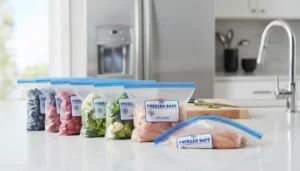
Freezer paper is a strong, moisture-resistant wrap that’s perfect for long-term food storage in the freezer. It usually has one side coated with plastic, which acts as a barrier against freezer burn and moisture loss. This makes it great for wrapping meats, fish, and other items you want to keep fresh for weeks or even months.
Because freezer paper is thicker and more durable than regular plastic wrap, it helps keep food from drying out and protects flavors. It’s also easy to write on, so you can label the contents and date your packages. For many home cooks, freezer paper is a reliable, budget-friendly food preservation wrap that fits well in most kitchens across the US.
Common Types of Food Wraps and Their Uses Beeswax Wraps Eco Friendly Option
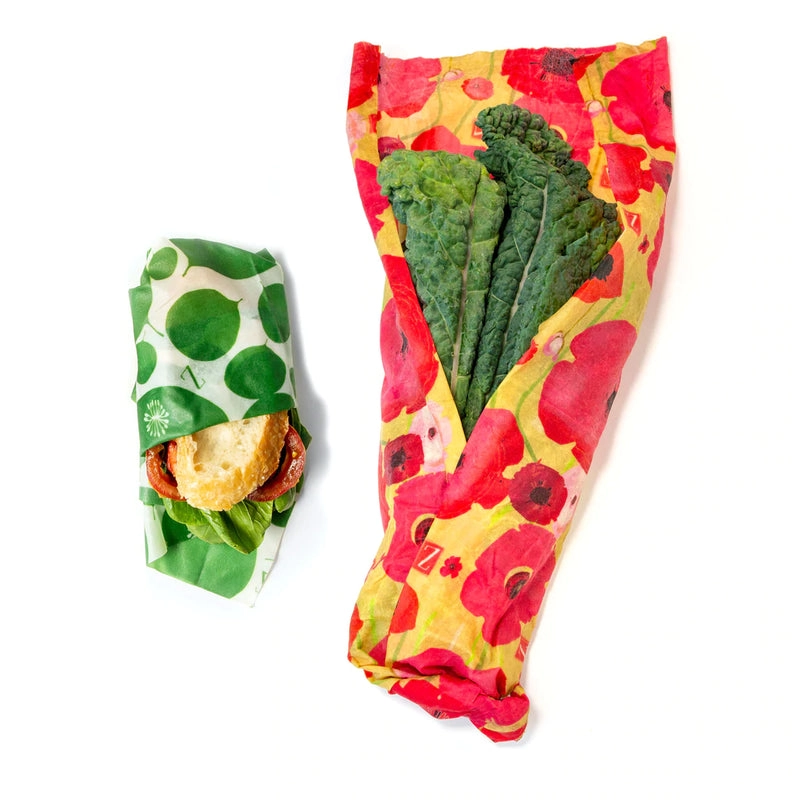
Beeswax wraps are a popular eco-friendly food wrap alternative that shines in sustainable kitchen wraps. Made by infusing cotton fabric with beeswax, these wraps are reusable, breathable, and naturally antibacterial. They work great for wrapping sandwiches, covering bowls, or storing fruits and veggies. Unlike plastic wrap, beeswax wraps reduce waste and are biodegradable, making them a top choice for anyone wanting a non-toxic food wrap.
They mold easily with the warmth of your hands to seal around containers or food, keeping items fresh without trapping moisture that causes spoilage. Just remember, they’re not for raw meat or heavy liquids, but they’re perfect for everyday snacks and leftovers.
If you’re looking to cut down on single-use plastic wrap or cling film, beeswax wraps offer a smart, sustainable option. Plus, with proper care—like washing with cold water and air drying—they can last for months, fitting right into an eco-conscious lifestyle.
Common Types of Food Wraps and Their Uses Silicone Covers
Silicone covers are a popular reusable food wrap option in many American kitchens. They’re stretchy, durable, and create an airtight seal over bowls, plates, and even cut fruits or veggies. Unlike plastic wrap, silicone covers are washable and eco-friendly, making them a great plastic wrap alternative for daily use.
These covers handle a wide temperature range, so you can use them in the fridge, freezer, and even the microwave or oven without worry. Plus, they come in various sizes and shapes, adapting easily to different containers. Silicone covers help keep food fresh while cutting down on single-use waste.
If you’re looking to balance convenience, sustainability, and food preservation, silicone covers are a smart addition to your kitchen storage solutions. They’re especially useful for households aiming to reduce plastic usage without sacrificing ease of food storage.
Comparing Food Wraps Which Is Right for You Factors to Consider
Choosing the right food wrap depends on a few key factors that match your needs and lifestyle. Here’s what to keep in mind:
-
Purpose of Use
Think about what you’re wrapping—fresh produce, leftovers, or freezer items. Some wraps are better for keeping moisture (like plastic wrap), while others protect from freezer burn (like freezer paper). -
Environmental Impact
If you want to reduce waste, look for eco-friendly food wraps like beeswax wraps or reusable silicone covers. These options are sustainable and help cut down on plastic use. -
Food Safety
Make sure the wrap is safe for your intended use. For example, avoid wax paper in the oven since it can melt or catch fire, and check if plastic wraps are BPA-free. -
Storage Convenience
Consider how easy the wrap is to use and store. Cling film is quick and disposable, while silicone covers are reusable but require cleaning. -
Cost and Longevity
Some wraps like aluminum foil are cheap but disposable, while beeswax wraps or silicone options might be pricier upfront but last longer with proper care. -
Wrap Material
Different materials have different strengths—foil is great for heat and moisture protection, parchment paper is food-safe for baking, and butcher paper works well for wrapping meat.
By weighing these factors, you can pick the right food wrap that fits your kitchen habits and supports your goals, whether that’s convenience, sustainability, or food preservation.
Comparing Food Wraps Which Is Right for You Decision Chart
Here’s a quick decision chart to help you choose the best food wrap for your needs. I’ve broken down common types based on durability, reusability, eco-friendliness, and ideal use cases:
| Food Wrap Type | Durability | Reusable | Eco-Friendly | Best For |
|---|---|---|---|---|
| Plastic Wrap Cling Film | Medium | No | No | Short-term storage, leftovers |
| Aluminum Foil | High | No | No* | Oven cooking, grilling |
| Wax Paper | Low | No | Somewhat | Non-stick baking, wrapping sandwiches |
| Parchment Paper | Medium | No | Somewhat | Baking and roasting |
| Butcher Paper | High | No | Yes | Wrapping meats, deli items |
| Freezer Paper | High | No | No | Freezing meats and fish |
| Beeswax Wraps | Medium | Yes | Yes | Wrapping fruit, cheese, snacks |
| Silicone Covers | High | Yes | Yes | Covering bowls, leftovers |
*Aluminum foil can be recycled but often isn’t in everyday kitchen use.
Use this chart to weigh what’s most important for you – whether it’s convenience, reducing waste, or preserving food longer. For example, if you want a sustainable kitchen wrap that’s reusable, beeswax wraps or silicone covers are great picks. If you need an easy, disposable option, plastic wrap or foil might work best.
This way, you can streamline your kitchen storage solutions and reduce the hassle while keeping your food fresh.
The Rise of Eco Friendly Food Wraps Why Sustainability Matters
More people in the U.S. are switching to eco-friendly food wraps because they want to cut down on waste and protect the environment. Traditional plastic wrap and foil often end up in landfills, where they can take hundreds of years to break down. Using sustainable kitchen wraps like beeswax wraps or reusable silicone covers helps reduce this impact.
Sustainability matters because it supports cleaner air, water, and soil, which benefits everyone’s health. Choosing biodegradable wraps and non-toxic food wraps means fewer chemicals end up in our food and environment. Plus, these options often last longer, saving money over time.
By opting for eco-friendly food wraps, you’re part of a growing movement that values responsible kitchen storage solutions and food preservation wraps without the heavy pollution or waste. It’s a simple change that makes a big difference in everyday life.
The Rise of Eco Friendly Food Wraps
Ecoartfullife’s Sustainable Wraps
Ecoartfullife offers a great option if you’re looking to switch to eco-friendly food wraps. Their sustainable wraps are made from natural materials like beeswax, cotton, and plant-based oils. These wraps are reusable, biodegradable, and a solid alternative to single-use plastic. They work well for storing snacks, covering bowls, or wrapping sandwiches.
What sets Ecoartfullife’s wraps apart is their durability and design—you can use them over and over without worrying about waste piling up in your kitchen. Plus, they’re safe and non-toxic, making them great for families focused on healthy and green living. If you want to reduce plastic use but still need reliable food preservation wraps, these sustainable kitchen wraps are definitely worth checking out.
Tips for Choosing and Using Food Wraps Match Wrap to Purpose
Picking the right food wrap starts with thinking about what you need it for. Here’s a quick guide to help you match wraps to your everyday kitchen tasks:
- Plastic Wrap Cling Film: Great for covering bowls or wrapping leftovers. It seals tightly and keeps food fresh but isn’t the best for heat or reuse.
- Aluminum Foil: Perfect for grilling, baking, or storing foods that need to stay dry. It handles heat well but isn’t a great option for acidic foods.
- Wax Paper: Good for wrapping sandwiches or lining surfaces when baking. It’s moisture-resistant but not waterproof or heatproof.
- Parchment Paper: Use this for baking or cooking. It’s non-stick and heat-resistant, making it ideal for ovens and pans.
- Butcher Paper: Best for wrapping fresh meats or sandwiches, especially if you want some breathability to keep things from getting soggy.
- Freezer Paper: Designed for storing meats or bulky foods in the freezer. It prevents freezer burn and keeps food protected.
- Beeswax Wraps: An eco-friendly reusable option that works well for wrapping fruits, veggies, cheese, and snacks. Not for raw meat or hot foods.
- Silicone Covers: Great for bowls or containers, reusable, stretchy, and dishwasher safe. Perfect for reducing single-use wrap waste.
Matching the right wrap to your food and storage method can extend freshness and save money while reducing waste. Think about whether you need heat resistance, reusability, or moisture protection, and pick the wrap that fits. This simple step makes a big difference in preserving your food effectively.
Tips for Choosing and Using Food Wraps
Proper Storage and Maintenance
Keeping your food wraps in good shape is key to getting the most out of them, especially reusable and eco-friendly options. Here’s how to store and care for different types of food wrap materials:
-
Plastic Wrap and Aluminum Foil: Store in a cool, dry place away from direct sunlight. Keep the rolls sealed in their original packaging to avoid dust and damage.
-
Wax Paper and Parchment Paper: These are best kept in a drawer or cabinet where they stay dry. Avoid moisture to prevent them from sticking or tearing.
-
Beeswax Wraps: After use, wash gently with cool water and mild soap. Let them air dry before storing. Keep beeswax wraps rolled or flat in a drawer, away from heat sources which can melt the wax coating.
-
Silicone Covers: These can be hand washed or put in the dishwasher. Store them flat or rolled to save space, making sure they’re completely dry to avoid any odors or mildew.
-
Freezer Paper and Butcher Paper: Keep in their original packaging or in a sealed container to maintain freshness and prevent them from drying out or absorbing odors.
Tips to extend the life of your wraps:
- Avoid using harsh scrubbing tools or hot water on reusable wraps.
- Keep reusable wraps away from heat and sharp objects.
- Replace plastic wrap alternatives like beeswax wraps if they start to crack or lose their stickiness.
- Label your storage areas and wraps if you use different types for various food items to avoid confusion.
Proper care keeps your food wraps working well and ensures your food stays fresh longer while reducing waste. This is a simple way to boost sustainability in your kitchen storage solutions.
Safety Considerations for Choosing and Using Food Wraps
When picking and using food wraps, safety is key to keeping your food fresh and healthy. Here are some important points to keep in mind:
-
Check Food Contact Safety
Always use wraps labeled as food-safe. Some plastics can release harmful chemicals when heated or in contact with fatty foods. For example, avoid using plastic wrap in the microwave unless it specifically says it’s microwave-safe. -
Avoid High Heat Exposure
Aluminum foil is great for grilling or baking but avoid wrapping acidic foods like tomato sauce in it for long periods, as this can cause a chemical reaction. Also, don’t use wax paper or beeswax wraps in the oven or microwave since the wax can melt or catch fire. -
Be Mindful of Allergies and Sensitivities
Some people may be sensitive to materials like beeswax or certain resins in eco-friendly wraps. If you or your family have allergies, test a small wrapped portion before fully switching. -
Proper Cleaning and Storage
Reusable wraps like beeswax wraps and silicone covers need gentle cleaning with cool water and mild soap. Avoid hot water which can damage them. Thoroughly dry before storing to prevent mold. -
Avoid Cross-Contamination
Use separate wraps for raw meats and ready-to-eat foods. Disposable wraps are usually better for raw meats, while reusable wraps work well for fruits, veggies, and sandwiches.
By keeping these safety tips in mind, you can enjoy the benefits of various types of food wraps without risking food contamination or exposure to harmful substances. Remember, matching the right wrap to your food and use case helps keep your kitchen safe and your food fresh longer.
FAQs About Types of Food Wraps
What’s the best food wrap for keeping leftovers fresh?
Plastic wrap (cling film) is great for short-term freshness, but for longer storage, freezer paper or aluminum foil works better to prevent freezer burn.
Are beeswax wraps safe for all kinds of food?
Yes, beeswax wraps are non-toxic and perfect for wrapping fruits, veggies, bread, and cheese. Avoid using them with raw meat or fish to keep things hygienic.
Can I use aluminum foil in the microwave?
No, aluminum foil is not microwave-safe and can cause sparks or fire. Use microwave-safe covers like wax paper or silicone covers instead.
How do I clean and reuse silicone covers?
Simply wash silicone covers with warm, soapy water or toss them in the dishwasher. They’re durable and meant for repeated use.
Are eco-friendly food wraps expensive?
They might cost more upfront than single-use wraps, but reusable options like beeswax wraps and silicone covers save money over time and reduce waste.
What’s the difference between wax paper and parchment paper?
Wax paper is coated with a thin layer of wax, which makes it water-resistant but not heat-safe. Parchment paper is coated with silicone, so it can go in the oven without smoking or melting.
Can butcher paper and freezer paper be used interchangeably?
Not really. Butcher paper is breathable and great for wrapping fresh meat, while freezer paper has a plastic coating to block moisture and keep frozen foods fresh longer.
How do I choose the right food wrap for my needs?
Consider what you’re wrapping, how long it needs to be stored, and your preferences for sustainability and convenience. Matching the wrap to the purpose helps reduce waste and keeps food fresher.
If you have any more questions about food wrap types or need tips for your kitchen, feel free to reach out!