
















Are you wondering what elastic food covers are and why so many people are switching to them for everyday kitchen use? If you’ve been looking for a smarter, eco-friendly alternative to plastic wrap or aluminum foil, you’re in the right place.
Elastic food covers are reusable, stretchy lids designed to fit snugly over bowls, plates, jars, and more—keeping your food fresh without waste or hassle. Whether made from silicone, fabric, or hybrid materials, these covers offer airtight seals and versatile sizes that adapt to your kitchen needs.
In this guide, you’ll discover exactly what elastic food covers are, how they work, their benefits, and why Artfullife’s range stands out as a trusted choice for supermarkets and consumers alike.
Ready to make food storage easier, greener, and more affordable? Let’s dive in!
What Are Elastic Food Covers
Definition and Description of Elastic Food Covers
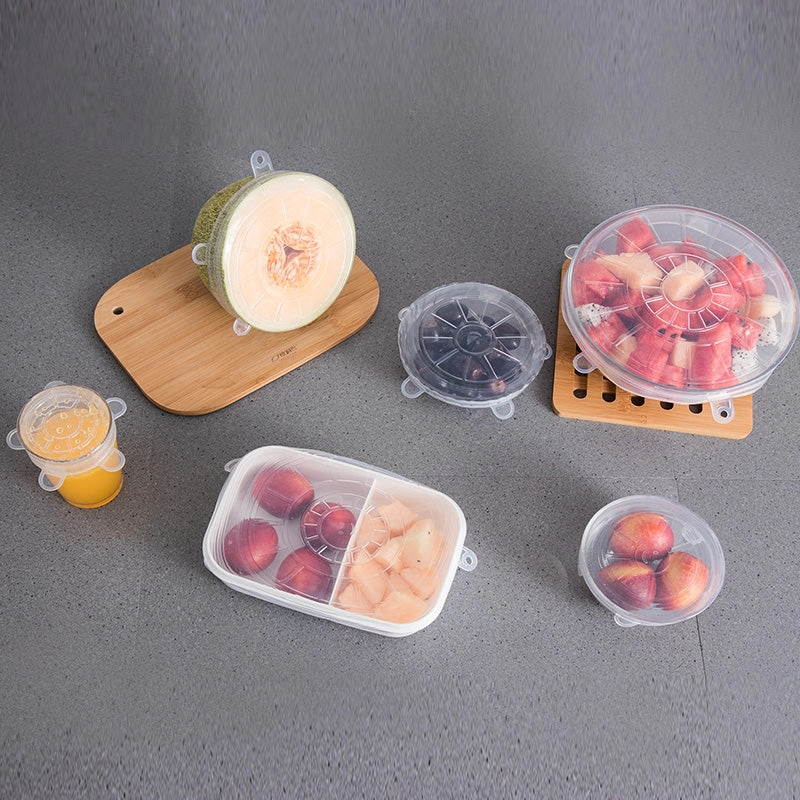
If you’ve ever struggled with flimsy plastic wrap or mismatched lids, elastic food covers are a simple, reusable solution that keeps your food fresh without hassle. These covers are flexible lids designed to stretch over bowls, plates, jars, and containers of various shapes and sizes. Instead of a rigid fit, they rely on a stretchy, elastic edge to grip securely, providing an airtight seal that locks in freshness and prevents spills.
Common Materials Used in Elastic Food Covers
Elastic food covers typically come in a few popular materials known for durability and safety:
- Silicone: Highly stretchable, heat-resistant, and dishwasher safe. Silicone covers are popular as silicone food lids because they can flex without tearing and withstand microwaving.
- Stretchable Fabric: Often combined with a waterproof lining like PEVA (polyethylene vinyl acetate), these covers blend softness with moisture resistance. Fabric covers are breathable yet help keep odors contained.
- Hybrid Designs: Some elastic covers mix silicone edges with fabric tops for the best of both worlds—stretch and comfort with added durability.
How Elastic Food Covers Work
The magic behind elastic food covers lies in their elastic band mechanism around the edges:
- The elastic band stretches to easily slip over container rims.
- Once in place, it contracts, hugging the edges tightly.
- This creates an airtight fit that locks in moisture and helps prevent leaks.
- The stretchable nature means one cover can fit multiple container sizes, adding versatility to your food storage routine.
Unlike plastic wrap or snap-on lids, elastic food covers mold to your containers without needing exact matches. This flexibility combined with robust materials makes them a practical choice for everyday kitchen use.
Types of Elastic Food Covers Available

When choosing elastic food covers, you’ll find several options designed to fit different kitchen needs and container types. Here’s a quick look at the main types available in the U.S. market:
Silicone Elastic Lids
These are the most popular type of stretchable bowl covers. Made from flexible, food-grade silicone, they stretch over bowls, plates, jars, and even cups to create a tight, airtight seal. Silicone lids are:
- Durable and washable
- Microwave and dishwasher safe
- Leak-proof, which helps keep food fresher longer
- Available in various sizes and shapes, from small jar caps to large bowl covers
Fabric Elastic Covers with Waterproof Lining
These covers combine a soft, stretchable fabric outer layer with a water-resistant or waterproof lining inside. The elastic edge grips containers snugly, and the lining protects food from spills and moisture. They are lightweight, easy to handle, and often come in reusable, washable varieties, making them a good eco-friendly food storage choice.
Hybrid Designs Combining Silicone and Fabric
Some elastic covers blend the best of both worlds by using a silicone inner lining and a fabric outer shell. This hybrid design offers:
- The flexibility and airtight sealing of silicone
- The stylish, breathable feel of fabric on the outside
- Easy cleaning and durable use
These covers fit different container shapes and work well for those looking for both function and aesthetics in sustainable kitchen products.
Sizes Shapes and Flexibility
Elastic food covers come in a wide range of sizes and forms to fit:
- Bowls of different volumes
- Plates and serving dishes
- Mason jars and other food storage containers
Flexible edges make it easy to stretch the cover over odd-shaped containers without losing the seal. This versatility means they can replace several other types of food storage accessories, making your kitchen more organized and reducing waste.
- Silicone lids offer stretch, durability, and heat resistance
- Fabric covers provide softness and a waterproof barrier
- Hybrid covers combine silicone’s sealing power with fabric’s comfort
- Multiple sizes and shapes fit most kitchen containers and food types
Choosing the right type depends on your kitchen habits, container types, and whether you prioritize eco-friendliness, durability, or ease of use.
Benefits of Using Elastic Food Covers for Food Storage
When you switch to elastic food covers, you get a range of advantages that make them stand out from traditional storage options like plastic wrap and aluminum foil.
Reusability and Eco-Friendliness
One of the biggest benefits is that elastic covers are reusable, which helps cut down on single-use waste. Unlike plastic wrap that ends up in landfills after one use, these covers can be washed and used repeatedly. Materials like silicone and PEVA are durable and eco-friendly food storage alternatives, making them a great fit for anyone wanting to reduce their environmental footprint.
Airtight and Leak-Proof Sealing
Elastic food covers offer a tight seal, keeping your food fresh longer and eliminating odors. The stretchable band hugs your bowls, plates, jars, or containers snugly, preventing air and spills from escaping. This airtight seal helps preserve freshness and keeps unwanted smells out of your fridge or pantry.
Versatility and Ease of Use
Their flexible design means elastic covers can fit various shapes and sizes—from small jars to large bowls. Unlike rigid lids, these covers stretch and conform, making them a hassle-free option for leftovers or prepped meals. Plus, they’re easy to put on and remove without sticky residue or mess.
Cost-Effective Food Storage Solution
Though the upfront cost might be a bit more than plastic wrap, elastic food covers save you money over time. Since they last for years with proper care, you’ll spend less replacing single-use wraps and foil. This makes them an excellent budget-friendly investment for daily kitchen use.
Durability and Easy Maintenance
Made from strong, washable materials like silicone or fabric with waterproof lining, elastic covers hold up well to regular wear. They resist tearing, staining, and odors. Most are dishwasher-safe or easy to clean by hand, so maintenance is a breeze, keeping your kitchen routine simple and efficient.
Switching to elastic food covers improves your food storage habits by offering a sustainable, reliable, and convenient alternative that fits seamlessly into everyday life in kitchens across the United States.
How to Use Elastic Food Covers Effectively
Choosing the Right Size and Type of Elastic Food Covers
To get the best seal and protection, select elastic food covers that fit snugly around your containers. Measure your bowls, plates, jars, or any dish you plan to cover. Most elastic covers come in various sizes and shapes—including round, square, or rectangular—to match different kitchen needs.
- For deep bowls, pick covers with extra stretch, like silicone stretchable lids.
- For flat plates or shallow containers, fabric elastic covers with waterproof lining work well.
- Consider hybrid covers combining silicone and fabric if you want flexibility plus water resistance.
Using the right cover size avoids spills, keeps food fresh, and maximizes airtight sealing.
Washing and Care Tips for Longevity
Proper care helps your elastic food covers last longer and stay hygienic:
- Hand wash or use the dishwasher on a gentle cycle if your cover is dishwasher safe—most silicone lids and quality fabric covers can handle this.
- Avoid harsh detergents and bleach, which degrade materials quickly.
- Air dry completely before storing to prevent mold or odors.
- Avoid high heat unless the cover explicitly states it’s microwave or oven safe.
Regular cleaning and correct storage keep your covers fresh and reusable for months or even years.
Best Practices for Sealing Different Food and Containers
To get a tight seal and keep foods fresh, follow these tips:
- Stretch the elastic edge evenly around the container’s rim; don’t overstretch as it might lose elasticity over time.
- For liquid or runny foods, double-check the cover fits tightly to avoid leaks. Silicone lids are ideal here.
- For foods that release moisture (like cut fruits or veggies), choose covers with waterproof layers to prevent sogginess and odor transfer.
- Avoid sealing hot foods immediately; let them cool slightly to prevent steam buildup inside.
- Use elastic covers for leftovers, meal prep containers, and even open jars to reduce plastic wrap use.
By matching cover type and size to your food and container, you get a reliable, eco-friendly alternative to disposable wraps and lids.
Elastic Food Covers vs Other Food Storage Options
When it comes to food storage, elastic food covers offer some distinct advantages compared to traditional options like plastic wrap, aluminum foil, snap-on lids, and beeswax wraps.
Comparison with Plastic Wrap Aluminum Foil Snap-on Lids and Beeswax Wraps
-
Plastic Wrap and Aluminum Foil
These are widely used but single-use and create a lot of waste. They don’t stretch to fit irregular shapes well and can tear easily. Plus, they’re not breathable, which sometimes leads to moisture buildup or soggy food.
-
Snap-on Lids
Great for specific containers but limited in flexibility. They can’t fit multiple container types or odd shapes, and you might need several lids to cover your kitchenware, which adds clutter.
-
Beeswax Wraps
Eco-friendly and reusable, but they can be sticky only with certain foods and might not provide a fully airtight seal, especially for liquids. They also require warming by hand to activate the wax, which may feel less convenient.
In comparison, elastic food covers combine the stretch and seal benefits of silicone with the versatility fabric covers bring, often delivering a tighter fit than beeswax wraps and eliminating clinginess or tearing issues faced by plastic wrap.
Environmental Impact Considerations
Elastic food covers are a sustainable kitchen product designed for long-term use. By replacing disposable options like plastic wrap or foil, they help significantly reduce plastic waste and landfill contributions.
Unlike single-use wraps, these covers are:
- Reusable and washable
- Made from eco-friendly materials such as silicone and PEVA
- Durable enough to last years, lowering your carbon footprint
This makes them an excellent choice for environmentally conscious customers focused on minimizing waste but who still want convenience.
User Convenience and Adaptability
Elastic food covers excel in ease of use:
- They stretch over bowls, plates, jars, and containers of different sizes and shapes, thanks to their flexible fit.
- They create an airtight, leak-proof seal, maintaining food freshness and controlling odors better than many other covers.
- They are easy to clean — just wash and reuse, saving money compared to repeatedly buying disposable wraps.
- Many are microwave-safe and dishwasher-friendly, making reheating and cleaning hassle-free.
Overall, for everyday kitchen use, elastic covers offer the best mix of flexibility, sustainability, and practical convenience compared to other food storage alternatives.
Artfullife’s Range of Elastic Food Covers
Product Features and Varieties
Artfullife offers a wide selection of elastic food covers designed to meet various kitchen needs. Their range includes silicone elastic lids, fabric covers with waterproof lining, and hybrid designs combining the best of both materials. These covers come in multiple sizes and shapes to easily fit bowls, plates, jars, and containers of all kinds, making them incredibly versatile.
Each product is made with stretchable, durable materials that maintain their elasticity after repeated use. Whether you’re covering a small dish or a large mixing bowl, Artfullife’s elastic food covers provide a snug, airtight fit that helps keep food fresh longer.
Quality Assurance and Material Sourcing
Artfullife takes pride in high-quality, eco-friendly materials sourced to meet U.S. safety and health standards. Their silicone covers are BPA-free and safe for microwave and dishwasher use, while their fabrics use waterproof, food-safe linings that resist stains and odors.
The company regularly tests its products for durability, stretch retention, and sealing ability, ensuring you get elastic food covers that last. This focus on quality makes them a trusted choice for families and professionals looking for sustainable kitchen products.
Why Supermarkets and Consumers Prefer Artfullife Elastic Food Covers
Many U.S. supermarkets stock Artfullife because of their consistent quality, affordability, and eco-friendly appeal. Shoppers appreciate that they can replace disposable plastic wraps and aluminum foil with an effective, reusable solution that cuts waste.
Consumers also highlight the ease of use and maintenance — these covers are washable, quick to clean, and remain flexible over time. Whether for meal prep, leftovers, or on-the-go snacks, Artfullife’s elastic food covers offer a reliable, airtight seal that outperforms many other food storage accessories.
Artfullife stands out by combining quality materials, practical design, and environmental responsibility, making their elastic food covers a preferred option across U.S. kitchens and supermarkets alike.
Frequently Asked Questions About Elastic Food Covers
Are elastic food covers microwave safe and dishwasher safe
Yes, most elastic food covers are both microwave and dishwasher safe, especially those made from high-quality silicone. This makes them convenient for reheating food without needing to transfer it to another container. When using in the microwave, always check the manufacturer’s instructions, as some fabric-based covers with waterproof linings might not be suitable.
For dishwasher cleaning, silicone elastic lids and hybrid designs hold up well and are easy to clean. Fabric elastic covers typically require hand washing to maintain the waterproof lining and elasticity.
Can elastic food covers be used for freezing food
Elastic food covers can generally be used for freezing food, but it’s best to confirm the type you have. Silicone stretchable lids handle freezing temperatures very well and keep your food airtight to prevent freezer burn. Fabric covers with waterproof linings also work for short-term freezing but may not be as durable in very cold conditions.
For best results, pick the right size cover to ensure a snug fit and prevent air exposure during freezing.
How long do elastic food covers last
The lifespan depends on materials and care, but silicone elastic food covers can last several years with proper use. Fabric covers may last shorter, around 1 to 2 years, especially if frequently washed or exposed to harsh conditions.
To maximize longevity:
- Wash gently with mild soap.
- Avoid extreme heat on fabric parts.
- Store covers flat or loosely folded to keep elastic bands from stretching out.
Are elastic food covers safe for all types of food
Yes, elastic food covers are safe for all typical food storage needs. Silicone covers are non-toxic, BPA-free, and don’t absorb odors or stains, making them ideal for everything from leftovers to fresh produce. Fabric covers with waterproof linings are also safe, but be sure to clean them properly to avoid bacterial buildup.
Avoid covering very hot food immediately; let it cool slightly to protect the elastic and fabric materials and maintain food safety.
In , elastic food covers offer a versatile, reusable, and safe solution for storing and reheating food, useful across freezing, microwaving, and everyday kitchen needs. Following proper care ensures they remain durable and eco-friendly alternatives to single-use wraps.