
















Are you looking for a sustainable alternative to Ziploc bags that’s better for the planet without sacrificing convenience? You’re not alone. With millions of single-use plastic bags tossed every year, the environmental toll is impossible to ignore. The good news? There are plenty of eco-friendly food storage solutions that can replace disposable plastic bags while keeping your food fresh and secure.
In this post, we’ll explore why switching away from plastic Ziploc bags matters and introduce you to some of the best reusable, biodegradable, and zero-waste alternatives available today—including silicone bags, beeswax wraps, compostable options, and even innovative products from Artfullife’s sustainable manufacturing lineup. If you’re ready to reduce plastic waste and make smarter, greener choices in your kitchen, keep reading!
The Problem with Ziploc Bags and Their Environmental Impact
Ziploc bags have become a household staple for convenient food storage, but their widespread use carries significant environmental consequences. Understanding the composition of these disposable plastic bags and their ecological footprint is essential for making informed, sustainable choices.
Composition and Environmental Footprint of Ziploc Bags
Most Ziploc bags are made from low-density polyethylene (LDPE), a type of plastic derived from fossil fuels. While LDPE provides flexibility and durability for food storage, it is non-biodegradable and designed for single or limited use. This means that once discarded, these bags can persist in the environment for hundreds of years, contributing to plastic pollution.
- Ziploc bags often contain additives to enhance strength and sealability but are rarely recyclable through curbside programs.
- Because the material is thin and often contaminated with food residue, recycling centers frequently reject them.
Global Plastic Waste from Disposable Plastic Bags
The environmental toll of disposable plastic bags is staggering:
- Globally, over 500 billion plastic bags are used annually, with a vast majority discarded after a single use.
- In China alone, estimates suggest the consumption of approximately 100 billion plastic bags per year, many of which end up in waterways or landfills.
- These disposable bags contribute significantly to the growing mountain of plastic waste, which leaches harmful chemicals and takes centuries to break down.
Challenges with Recycling and Microplastic Pollution
While recycling programs exist, plastic bags like Ziploc are notoriously difficult to recycle effectively:
- Their lightweight and flexible nature cause issues in recycling machinery, leading to contamination or process disruption.
- Even when recycled, the material often downcycles into lower-quality products that still contribute to plastic waste.
- Improper disposal results in fragmentation into microplastics—tiny particles that infiltrate ecosystems, enter the food chain, and pose health risks to wildlife and humans.
Microplastic pollution from plastics like Ziploc bags has been detected in oceans, rivers, and soils worldwide, highlighting the urgent need for sustainable alternatives.
For a deeper understanding of reusable food storage options and eco-conscious products, you can explore our guide on what are the best reusable food storage bags. This will help you make smarter, environmentally safe choices for your kitchen.
What Makes a Sustainable Food Storage Bag
When looking for an eco-friendly food storage bag, it’s important to focus on a few key qualities that make it truly sustainable. These qualities ensure the product minimizes environmental impact while remaining practical for everyday use.
Key Characteristics of Sustainable Food Storage Bags
-
Reusability
A sustainable bag should be designed for multiple uses. Reusable bags cut down on waste by replacing disposable plastic bags and reduce the need for single-use plastics, which pile up in landfills and oceans.
-
Biodegradability
Some food storage bags break down naturally over time without leaving harmful residues. These are often made from plant-based materials or blends that compost safely. Biodegradable options are ideal if you want to avoid persistent plastic pollution.
-
Non-toxicity
Food-safe materials without harmful chemicals like BPA or phthalates are crucial. A sustainable storage bag must be safe for food contact and not release toxins into your food or the environment during use or disposal.
-
Durability
Strong construction means bags last longer without wearing out or leaking. Durable bags support zero-waste kitchen habits by reducing the frequency of replacements and overall material waste.
Certifications and Standards to Look For
To ensure you’re buying truly sustainable storage options, check for reliable certifications or standards such as:
-
FDA Food Contact Approval
This ensures the bag is safe for storing food without harmful contamination.
-
Compostability Certifications like BPI Certified Compostable or OK Compost
These verify that biodegradable bags meet strict criteria for industrial composting and breakdown within a reasonable time.
-
FDA or LFGB food safety standards (often for silicone bags)
These confirm the material holds up under food storage conditions safely.Recyclability Labels
Bags that are recyclable in local programs can reduce landfill waste when discarded.
By focusing on these features and certifications, you can confidently choose sustainable kitchen storage products that reduce waste, protect your health, and support a greener lifestyle tailored to US consumers.
Top Sustainable Alternatives to Ziploc Bags
When looking for eco-friendly food storage bags and other plastic-free food storage options, several trustworthy alternatives stand out. These options combine durability, safety, and sustainability, making it easier to ditch single-use plastic bags without sacrificing convenience.
Reusable Silicone Food Storage Bags
Reusable silicone food storage bags have become a popular choice for durable, airtight, and dishwasher-safe storage. They are:
- Made from food-grade silicone, free of BPA and harmful chemicals.
- Flexible and leak-proof, perfect for storing snacks, leftovers, or even liquids.
- Easy to clean and dishwasher safe, which helps maintain hygiene.
- Built to last several years, reducing waste significantly compared to disposable bags.
These bags work well for households looking to reduce plastic waste but still need something reliable for daily use.
Biodegradable Bio-Based Compostable Bags
For those seeking biodegradable plastic bags for food, bio-based compostable bags made of materials like PLA (polylactic acid) and starch blends are excellent. Key points include:
- Made from plant-based resources, reducing reliance on fossil fuels.
- Certified compostable under standards such as ASTM D6400 or EN 13432, meaning they break down in commercial composting facilities.
- Ideal for short-term storage and disposal with food scraps or yard waste.
- Users should check local composting availability and guidelines, as these bags won’t decompose easily in regular landfills.
These bags suit people who want a compostable food storage solution that aligns with a zero-waste lifestyle.
Beeswax Wraps and Cloth Food Wraps
Beeswax and cloth wraps offer a natural, breathable alternative to plastic bags, especially for snacks and sandwiches:
- Made from organic cotton infused with beeswax, jojoba oil, and tree resin.
- Flexible and moldable, great for wrapping cheese, fruits, bread, or covering bowls.
- Can be reused for up to a year with proper care—avoid heat and wash with cold water.
- Provide excellent airflow, keeping food fresh without moisture buildup.
These wraps are perfect for sustainable kitchen storage products that are non-toxic and plastic-free.
Glass or Stainless Steel Containers with Silicone Lids
For long-term food storage, nothing beats glass or stainless steel containers with airtight silicone lids:
- Durable and non-reactive, ensuring no leaching of chemicals.
- Ideal for batch cooking, leftovers, or dry goods.
- Support zero-waste food storage ideas by eliminating single-use plastics completely.
- Dishwasher safe, easy to clean, and long-lasting options.
These containers offer a higher up-front cost but pay off in durability and safety for health-conscious families.
PE Food Storage Bags from Artfullife China PE Food Storage Bags Wholesale Factory
For businesses and retailers looking for wholesale eco food storage bags China, Artfullife offers PE food storage bags made with:
- Eco-conscious manufacturing processes that reduce environmental impact.
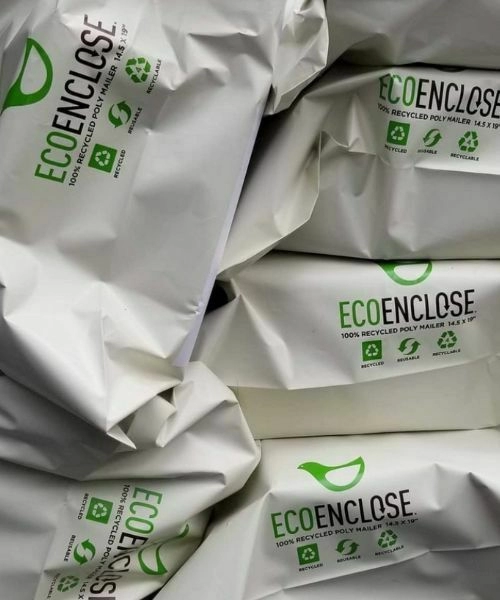
- PE material that is recyclable under proper facilities, making reuse and end-of-life easier.
- Safe non-toxic use specifications meeting US standards.
- Customization options for branding or size, perfect for bulk buyers.
- Wholesale pricing advantages that help retailers align with growing consumer demand for sustainable kitchen storage products.
Choosing Artfullife ensures access to reliable, affordable environmentally safe food bags that work for both personal and commercial use.
How to Choose the Best Sustainable Alternative for Your Needs
Finding the right eco-friendly food storage bags or containers comes down to understanding your daily habits and priorities. Here’s how to pick the best sustainable alternative to Ziploc bags that fits your lifestyle and saves you money and hassle in the long run.
Consider Your Lifestyle and Food Types
Your daily routine and what kinds of food you store play a big role in the ideal option:
- Busy households or on-the-go snacks: Reusable silicone food storage bags or zipped cloth sandwich bags work well because they’re airtight and easy to clean.
- Storing fresh produce, bread, or snacks: Beeswax wraps or cloth wraps are breathable and keep food fresh without trapping moisture.
- Long-term storage or leftovers: Glass or stainless steel containers with silicone lids are durable and stackable, perfect for fridge or freezer use.
Budget and Cost Effectiveness
Upfront cost can vary quite a bit between options:
- Reusable silicone bags may cost more initially but last for years, making them cheaper over time.
- Biodegradable compostable bags tend to be lower cost but often single-use, so you’ll keep buying them.
- Beeswax wraps are mid-range priced and reusable for about a year with proper care.
Look beyond the sticker price and think about durability and reuse potential to get the best bang for your buck.
Cleaning and Maintenance Ease
How much time you have for cleaning is important:
- Dishwasher-safe silicone bags and glass containers are super easy to clean and sanitize, great for busy kitchens.
- Beeswax and cloth wraps require gentle hand washing and air drying to keep their natural coating intact.
If you prefer low-maintenance, zero-waste kitchen storage products like silicone bags or glass containers could save you time and effort.
Environmental Impact Over Time
To really cut down your footprint, assess how your choice breaks down environmentally:
- Reusable options like silicone bags and glass containers reduce plastic waste and last years, lowering their overall impact.
- Biodegradable bio-based bags are better than standard plastic but still meant for disposal after use; they require proper composting facilities to break down efficiently.
- Cloth and beeswax wraps are natural and compostable but may be less practical in some settings, so factor in your daily workflow.
Table for Quick Comparison
| Alternative | Durability | Reusability | Cleaning Ease | Cost Over Time | Environmental Benefit |
|---|---|---|---|---|---|
| Silicone Reusable Bags | High (years) | Yes | Dishwasher safe | Cost-effective | Low waste, BPA free |
| Biodegradable Compostable Bags | Low (single-use) | No | Easy (disposable) | Moderate ongoing | Breaks down if composted |
| Beeswax and Cloth Wraps | Medium (months+) | Yes | Hand wash only | Moderate | Natural, compostable |
| Glass or Stainless Steel Containers | Very high | Yes | Dishwasher safe | High upfront, cost-effective over time | Reusable, recyclable |
In the US market, choosing your sustainable food storage solution depends on striking a balance between convenience, budget, and environmental impact. Whether you want to eliminate plastic use on the go or find zero-waste kitchen storage options for home, understanding these factors will help you switch from disposable to eco-friendly with confidence.
Tips for Transitioning to Sustainable Food Storage Bags
Switching from Ziploc bags to eco-friendly food storage bags isn’t just about swapping products—it’s about changing habits to make your kitchen more sustainable. Here’s how to make the transition smooth and effective for your lifestyle.
Reduce Plastic Use at Home and On the Go
- Start small and build up: Replace single-use bags gradually. Begin with reusable silicone storage bags for snacks and sandwiches, then move on to beeswax wraps or glass containers.
- Carry your own storage: Always have reusable sandwich bags or cloth wraps handy when packing lunches or grocery shopping to avoid grabbing plastic bags.
- Avoid double packaging: Buy loose fruits and veggies or bulk items instead of pre-packaged goods that require plastic bags.
- Plan meals and portions: Reducing food waste means less reliance on disposable bags for leftovers or storage.
Proper Care and Maintenance for Longer Product Life
- Clean after each use: Rinse and wash reusable food bags or wraps with mild soap to prevent odors and stains, making them last longer.
- Dry completely before storing: Moisture can promote mold or bacteria growth, so air drying is key.
- Avoid damage: Don’t overfill bags; handle closures gently. For beeswax wraps, avoid heat exposure that can melt the wax coating.
- Dishwasher safe options: Many silicone bags are dishwasher safe—use this feature to keep them clean and ready to use.
How to Dispose or Recycle Old Ziploc Bags Responsibly
- Check local recycling programs: Most curbside recycling doesn’t accept flexible plastic bags, but many grocery stores have collection bins specifically for plastic bags and film.
- Clean before recycling: Food residue can contaminate recycling streams, so always wash and dry bags before dropping them off.
- Repurpose when possible: Use old Ziploc bags for non-food storage or organizing small household items before tossing.
- Avoid landfill: If recycling or repurposing isn’t an option, try to minimize disposal by cutting back on new plastic bag use.
Making the switch to sustainable kitchen storage products takes a little effort but pays off by cutting down on waste and supporting a healthier environment. By adopting practical habits, caring for your reusable bags properly, and responsibly disposing of old plastics, you’re helping reduce the overall footprint of food storage in your home.
Why Artfullife is Your Trusted Partner in Sustainable Food Storage Solutions
When it comes to finding eco-friendly food storage bags that meet the needs of both households and businesses in the United States, Artfullife stands out as a reliable choice. As a leading China PE food storage bags wholesale factory, Artfullife offers a broad range of sustainable kitchen storage products designed to reduce plastic waste and promote a zero-waste lifestyle.
Extensive Sustainable Product Lines and Factory Capabilities
Artfullife produces a wide variety of reusable sandwich bags alternatives, biodegradable plastic bags for food, and silicone reusable storage bags. Their products are made using eco-conscious manufacturing processes, ensuring minimal environmental footprint from start to finish. The factory uses advanced technology to ensure each bag is durable, non-toxic, and airtight, ideal for everyday use in American kitchens.
- Wide range of sizes and types to suit snacks, sandwiches, leftovers, and more.
- Focus on biodegradability and compostability standards for those wanting compostable food storage solutions.
- Ability to customize designs, materials, and branding for wholesale clients.
Commitment to Quality Safety and the Environment
Artfullife follows strict quality control measures to deliver environmentally safe food bags that meet food-grade safety standards. This commitment ensures that users can trust their food stays fresh without harmful chemicals. The factory’s eco-friendly approach also focuses on reducing plastic pollution by offering products that are both reusable and recyclable.
- BPA-free materials and safe for dishwasher use.
- Use of bio-based materials like PLA and starch blends in select product lines.
- Continuous improvements to reduce carbon footprint in manufacturing.
Wholesale Advantages for Retailers and Businesses
For retailers and businesses looking to stock wholesale eco food storage bags China, Artfullife offers strong advantages:
- Competitive pricing without compromising quality.
- Flexible order sizes with fast turnaround.
- Ability to customize packaging and product features to meet market demands.
- Reliable supply chain backed by factory direct production.
Choosing Artfullife means partnering with a sustainable food storage solutions provider that understands the U.S. market’s growing demand for zero-waste food storage ideas. Whether you’re a retailer, eco-conscious restaurant, or business focused on sustainability, Artfullife provides trustworthy, high-quality products to meet your needs.