

















You might be wondering why Jewish families wrap their kitchen in aluminum foil during certain times of the year. This unique practice, rooted in rich tradition, sparks curiosity and reflects deep cultural and religious significance. Whether you’re preparing for Passover, keeping a kosher kitchen, or simply exploring Jewish customs, understanding this ritual offers a fascinating glimpse into halachic principles and practical know-how.
At Artfullife, we’re passionate about supporting Jewish households with quality kitchen essentials that make traditions like these seamless. In this guide, we’ll uncover the reasons behind wrapping kitchens in foil, share practical tips for doing it right, and show how this custom keeps purity and cleanliness at the heart of Jewish life.
Let’s dive into this meaningful tradition!
Historical and Religious Background of Wrapping Kitchens in Aluminum Foil
In Jewish tradition, preparing the kitchen according to halachic principles is deeply rooted in religious law and practice. The kitchen is considered a central place where food is prepared in line with kosher laws, and maintaining its cleanliness and purity is essential. This is especially important during Passover, a time when Jewish law strictly prohibits any chametz (leavened products).
Halachic Principles Influencing Kitchen Preparation
Jewish law, or halacha, demands meticulous kitchen attention to avoid mixing kosher and non-kosher foods as well as chametz contamination. This includes thorough cleaning and often wrapping countertops, appliances, and surfaces with aluminum foil or other coverings. The purpose is to create a barrier that prevents chametz particles from touching kitchen surfaces where kosher food will be prepared.
Cleanliness and Preventing Chametz Contamination
During Passover, preventing chametz contamination is critical. Since chametz is completely forbidden, every inch of the kitchen must be cleaned or covered. Wrapping surfaces in aluminum foil acts as a final protective layer, simplifying the holiday preparation by ensuring no chametz can interact with areas used for cooking and eating.
Shabbat Laws and Using Aluminum Foil to Minimize Work
Using aluminum foil also aligns with Shabbat laws, which restrict certain types of work, including cleaning and cooking. By wrapping kitchen surfaces ahead of time, it reduces the need for extra cleaning or repair during Shabbat or holidays. This practical step respects religious restrictions by minimizing work while keeping the kitchen clean and ready.
the practice of wrapping kitchens in aluminum foil is both a religious and practical measure rooted in Jewish law to maintain a pure, kosher environment during important times like Passover and Shabbat. This tradition helps observant Jews uphold halachic standards while managing the complexities of kosher kitchen maintenance.
Practical Reasons for Wrapping Kitchens in Aluminum Foil During Jewish Holidays

When preparing a kitchen for Jewish holidays like Passover, wrapping kitchen surfaces in aluminum foil is more than just a cleaning hack—it’s about maintaining strict kosher kitchen standards and making the whole process smoother.
Ensuring Cleanliness and Easy Cleanup
One of the biggest challenges during Jewish holiday preparations is keeping the kitchen spotless and avoiding contamination by chametz—leavened foods forbidden during Passover. Covering counters, sinks, and appliance handles with aluminum foil creates a clean, disposable barrier that:
- Prevents crumbs or spills from touching underlying surfaces
- Simplifies cleaning after holiday meals by just removing and discarding the foil
- Saves time and effort while meeting the high standards of kosher kitchen maintenance
Avoiding Direct Contact of Chametz with Kitchen Surfaces
Halacha (Jewish law) prohibits chametz from touching kitchen surfaces during Passover. Wrapping everything in foil acts as a shield, stopping chametz particles from coming into contact with the countertops, sinks, and appliances. This is essential because:
- Kitchen surfaces can hold chametz residue from previous meals
- Direct contact with chametz requires koshering (special cleaning procedures) that are time-consuming
- Foil minimizes the need for repeated koshering during the holiday
Protection of Kitchen Counters and Appliances from Food Spills and Kosher Complications
Beyond chametz concerns, aluminum foil protects kitchen equipment from food spills and stains, which can be problematic in a kosher kitchen where mixing dairy and meat, or non-kosher foods, must be avoided. Wrapping surfaces helps by:
- Guarding expensive counters and appliances from damage or tough cleaning jobs
- Creating a neutral surface that’s easy to inspect and replace as needed
- Supporting Purity rules in Jewish kitchen routines with minimal hassle
In short, using aluminum foil is a practical and efficient way to uphold kosher rules while managing the extra cleaning and preparation demands that come with Jewish holidays. It’s a small step that makes a big difference in kitchen hygiene and faithfulness to tradition.
When and Where Aluminum Foil Wrapping Is Applied in Jewish Kitchens
Primary Use During Passover Kitchen Preparation
One of the main times you’ll see kitchen surfaces wrapped in aluminum foil is during Passover kitchen preparation. This holiday requires thorough removal of chametz (leavened products) from the home, and Jewish law (halacha) is very strict about avoiding any chametz contamination. Wrapping countertops, sinks, oven handles, and refrigerator handles with foil:
- Prevents direct contact between chametz and kitchen surfaces
- Makes thorough cleaning easier and more effective
- Helps maintain the kitchen’s kosher status throughout the holiday
Other Occasions Like Shabbat and Kosher Kitchen Maintenance
Beyond Passover, this foil-wrapping practice is also applied during Sabbath preparations and regular maintenance of a kosher kitchen. For instance, wrapping certain areas can minimize work or prevent accidental contact with non-kosher food, in line with halachic requirements. In these cases, foil serves as a temporary protective barrier, ensuring:
- Reduced cleaning efforts on Shabbat, when certain types of work are restricted
- Separation and protection of surfaces from cross-contamination in everyday kosher kitchen use
Typical Kitchen Areas Wrapped
The areas commonly wrapped in aluminum foil during these times include:
- Countertops where food prep happens
- Kitchen sinks to avoid chametz residue and make cleaning easier
- Handles of ovens and refrigerators to prevent direct hand contact with surfaces that may be hard to clean thoroughly
- Stovetops and appliance surfaces that are more prone to spills or residue buildup
By covering these areas, the kitchen remains clean and compliant with Jewish cooking and cleanliness customs across various holidays and observances.
How to Properly Use Aluminum Foil in a Jewish Kitchen for Passover and Holidays
Using aluminum foil to prepare and maintain a kosher kitchen, especially during Passover, is a common practice rooted in halachic principles and the need to prevent contamination from chametz. Here’s a simple step-by-step guide to help you wrap kitchen surfaces and appliances effectively while keeping things clean and kosher.
Step by Step Guide to Wrapping Kitchen Surfaces and Appliances
-
Clean Thoroughly First
Before applying any foil, make sure all countertops, sinks, stovetops, oven handles, and refrigerator door handles are scrubbed and free of crumbs or spills. This cleaning is part of the halachic kitchen preparations to prevent any forbidden residue.
-
Choose the Right Aluminum Foil Thickness
For kitchen wrapping, choose a heavy-duty aluminum foil. It’s thicker and less likely to tear during use, providing better protection for countertops and appliances.
-
Measure Before Cutting
Measure the dimensions of the surfaces or handles you want to cover. This helps avoid wasting foil and ensures smooth coverage. Cut the foil to size with a little extra for tucking edges under.
-
Smooth Out the Foil
Lay the foil flat and smooth it carefully across the surface to avoid wrinkles and air bubbles. This prevents food and liquids from seeping underneath during cooking or preparation.
-
Secure the Edges
Fold the edges tightly under the counter or appliance base, making sure the foil does not shift during use. For handles and smaller items, wrap the foil snugly and tuck in the ends to keep it secure.
-
Replace as Needed During the Holiday
If the foil gets damaged or dirty, replace it promptly to maintain cleanliness and avoid any halachic issues.
Tips for Choosing the Best Aluminum Foil
- Go for Heavy-Duty or Extra Strength Foil: This foil resists tearing better, which is important when covering large surfaces or frequently touched areas.
- Size Matters: Wider rolls save time when covering large countertop areas.
- Brand Matters: Choose a trusted brand with consistent thickness and quality for reliable use.
Artfullife Product Recommendations for Kosher Kitchen Preparation
Artfullife offers a range of high-quality aluminum foil products perfect for Jewish kitchen needs:
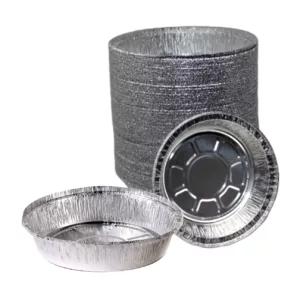
- Heavy-Duty Foil Rolls: Ideal for wrapping countertops and appliances. Thick enough to last through the entire holiday.
- Eco-Friendly Options: Durable and sustainable, reducing waste without sacrificing protection.
- Convenient Sizing: Available in multiple widths and lengths, making it easier to select the right size for your kitchen.
Using Artfullife’s foil products can make your Passover kitchen preparation easier and more efficient while ensuring adherence to kosher kitchen maintenance traditions.
By following these steps and choosing the right foil, you can maintain a clean, kosher kitchen during Passover and other Jewish holidays without hassle.
Modern Adaptations in Jewish Kitchen Preparation Using Aluminum Foil and Alternatives
In today’s kosher kitchen maintenance, balancing tradition and convenience is key. While wrapping countertops, sinks, and appliances with aluminum foil remains a common practice during Passover and other Jewish holidays, many households have started exploring modern adaptations to simplify their kitchen preparation and cleanup.
Disposable Kitchenware as an Alternative
One popular alternative to covering kitchen surfaces with aluminum foil is the use of disposable kitchenware—like plates, utensils, and even disposable cutting boards. These items help reduce the hassle of wrapping and unwrapping surfaces and minimize the risk of chametz contamination during Passover. Some consider disposables a practical solution that keeps things kosher without extensive use of foil.
Plastic Coverings and Specialized Films
Plastic wrap or specially designed plastic coverings are also gaining popularity in kosher kitchen preparation. These products can be easier to apply and remove than aluminum foil, especially over irregular surfaces like faucets or door handles. Many choose plastic coverings to ensure thorough chametz prevention and easier post-holiday cleanup.
Innovations in Aluminum Foil
Modern aluminum foil products, including those from trusted brands like Artfullife, are thicker, more durable, and designed for better adhesion and fewer tears. These improved foils extend the lifespan of kitchen coverings during long holidays, reducing the need for multiple layers. Artfullife’s range offers options in sizes and thickness to match both home kitchens and larger-scale kosher preparations.
Balancing Tradition and Convenience
- Combining foil with disposables: Some families use aluminum foil for counters and appliances while relying on disposable plates and utensils to cut down on cleaning.
- Reusable silicone mats: A newer alternative, silicone mats can be used during holidays and cleaned afterward. These mats offer a non-foil option that respects kosher purity rules.
- Pre-packaged kosher kitchen kits: Certain companies now sell kits with foil, plastic coverings, and other essentials designed for Passover preparation—saving time and simplifying to-do lists.
The use of aluminum foil in Jewish kitchen preparation remains rooted in halachic principles and cleanliness, but modern alternatives like disposable kitchenware and plastic coverings help accommodate today’s busy lifestyles. Whether you stick with traditional foil or try newer products, the goal is the same: maintain a kosher kitchen while making Passover and holiday prep as smooth as possible.