
















Can you freeze food in storage bags without ruining your meals? If you’re wondering whether those everyday bags in your kitchen can handle the freezer, you’re in the right place!
As a home cook or meal prep pro, I know the struggle of keeping food fresh while saving space and money. That’s why I’ve put together this no-nonsense guide packed with practical tips, product recommendations, and eco-friendly options to help you store food like a pro. From understanding the difference between storage bags and freezer bags to avoiding dreaded freezer burn, this guide has it all.
Ready to make freezing food simple, safe, and sustainable? Let’s dive in!
Understanding Storage Bags vs Freezer Bags
What Are Storage Bags
Storage bags are everyday plastic bags designed to keep food fresh for short periods. They’re usually made from thinner plastic materials like polyethylene, which is flexible and lightweight. These bags are great for storing snacks, sandwiches, or leftovers you plan to eat within a day or two. Typical uses include keeping fruits, veggies, or small portions of food in the fridge or pantry. However, they’re not specifically built to handle the cold, moisture, or long storage times that come with freezing food.
What Makes Freezer Bags Different
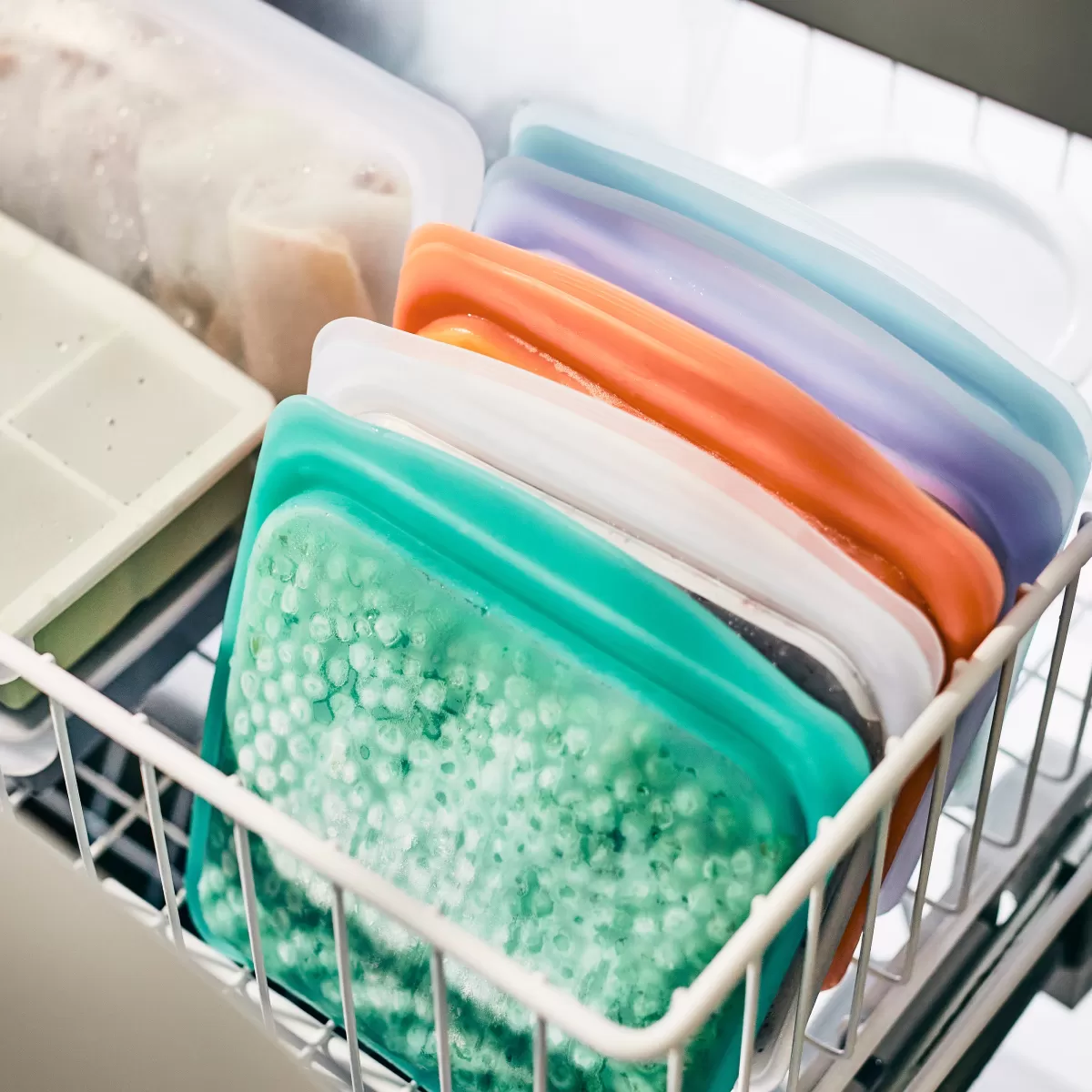
Freezer bags are built tougher than regular storage bags. They use thicker plastic that stands up better to freezing temperatures. This extra thickness helps prevent freezer burn, which happens when air dries out your food and ruins its taste and texture.
Besides being thicker, freezer-safe storage bags often have special seals to lock out air and moisture. This keeps your food fresher for longer and protects it from freezer odors. So, while regular storage bags might work for quick storage, freezer bags are designed specifically to handle the cold and keep your food safe.
Can Regular Storage Bags Be Used for Freezing Short-term Freezing Safety and Risks
You might wonder if regular storage bags can double as freezer bags. The short answer is yes, but with some caution. Regular storage bags are usually thinner and not designed to handle the cold temperatures of a freezer for long periods. For short-term freezing—think a few days to a week—they can work if you seal them tightly and avoid sharp or heavy items that could puncture the bag.
However, there are risks to keep in mind. Regular bags don’t offer the same protection against freezer burn, which can dry out and damage your food. They’re also more prone to leaks and tears, which could lead to spills or contamination. If you plan to freeze food longer than a week or want to keep it fresh and safe, freezer-safe storage bags are a better bet. These are thicker, often labeled for freezer use, and help prevent freezer burn and moisture loss.
For more on the differences and choosing the right bags, check out this guide on can you use storage bags in the freezer.
Best Practices for Freezing Food in Storage Bags
Choosing the Right Bags Freezer-safe labels and thickness
When freezing food, picking the right storage bags is key. Always look for freezer-safe storage bags that clearly say “freezer” on the label. These bags are made with thicker plastic to handle cold temperatures and prevent freezer burn better than regular storage bags.
Here’s what to keep in mind:
- Thickness matters: Thicker bags (usually 2-3 mil or more) offer better protection against moisture and air.
- Freezer-safe labeling: Bags marked freezer-safe are designed to withstand freezing without cracking or leaking.
- Seal quality: Look for bags with strong, reliable seals or zippers to keep air out.
- Size options: Choose bag sizes that fit your food portions well to reduce extra air inside.
Using the right freezer bags helps keep your food fresh longer and protects flavors and textures during freezing. It’s a simple step that makes a big difference in your freezer storage.
Best Practices for Freezing Food in Storage Bags
How to Freeze Food Safely Air Removal Labeling and Freezing Tips
Freezing food safely in storage bags starts with removing as much air as possible. Air leads to freezer burn, which dries out your food and ruins flavor. Here’s how to do it right:
- Squeeze out air before sealing: Press the bag flat and push air toward the opening before sealing it tight.
- Use a straw for extra air removal: Insert a straw into the corner of the bag, suck out the air, then quickly seal.
- Label each bag: Write the contents and date on the bag with a permanent marker. This helps you keep track of freshness and avoid food waste.
- Freeze flat: Lay bags flat in the freezer so they freeze evenly and save space.
- Don’t overfill bags: Leave some room for food to expand when frozen to prevent bag bursting.
- Double bag for liquids: If freezing soups or sauces, double bag to prevent leaks.
Following these simple steps helps keep your frozen food fresh longer and prevents freezer burn—key for safe, tasty meals later.
Best Practices for Freezing Food in Storage Bags
Foods That Freeze Well in Bags Meats fruits vegetables and prepping tips
Freezing food in storage bags works best when you pick the right types of food and prep them properly. Here’s what freezes well and how to get the best results:
Meats
- Portion your meat into meal-sized amounts before freezing.
- Remove as much air as possible to avoid freezer burn.
- Use freezer-safe storage bags or heavy-duty freezer bags to keep meat fresh longer.
- Label with the date and type of meat for easy tracking.
Fruits
- Wash and dry fruits thoroughly before freezing.
- Slice or chop larger fruits to save space and make thawing easier.
- For berries, freeze them spread out on a tray first, then transfer to bags to prevent clumping.
- Use freezer-safe bags designed to prevent moisture loss and freezer burn.
Vegetables
- Blanch vegetables like green beans, broccoli, or carrots before freezing to preserve color and texture.
- Cool them completely before placing in freezer bags.
- Remove excess air and seal tightly to keep veggies fresh.
- Label bags with the date and contents.
General Prepping Tips
- Flatten bags after filling to save freezer space and speed up freezing.
- Write the date and contents on each bag with a permanent marker.
- Avoid overfilling bags to prevent bursting as food expands when frozen.
- Keep your freezer organized so you can rotate older items first.
By following these tips and using freezer-safe storage bags, you’ll keep your frozen meats, fruits, and vegetables fresh and tasty longer.
Eco-Friendly Alternatives to Plastic Storage Bags
Reusable Silicone Bags Benefits and Brand Comparisons
Reusable silicone freezer bags are a great eco-friendly alternative to single-use plastic storage bags. They’re made from food-grade silicone, which is durable, non-toxic, and safe for freezing. Unlike regular plastic bags, silicone bags can be washed and reused hundreds of times, cutting down on waste and saving money in the long run.
Here’s why reusable silicone freezer bags stand out:
- Durability: Thick, flexible material resists tears and punctures better than plastic.
- Freezer-safe: Designed to handle freezing temperatures without cracking or leaking.
- Easy to clean: Dishwasher safe and stain-resistant, making them simple to maintain.
- Versatile: Perfect for freezing meats, fruits, veggies, and even liquids.
Popular brands like Stasher and Artfullife offer a variety of sizes and styles, including stand-up pouches and flat bags. Artfullife’s reusable silicone bags are especially known for combining quality with affordability, making them a solid choice for everyday freezer storage.
Switching to reusable silicone bags is a smart move if you want to reduce plastic use without sacrificing convenience or food safety.
Eco-Friendly Alternatives to Plastic Storage Bags
Glass and Stainless Steel Containers Long-term Storage Recommendations
Glass and stainless steel containers are great eco-friendly options for freezing food. They’re durable, reusable, and don’t leach chemicals like some plastics can. Plus, they help keep food fresh longer, making them perfect for long-term storage.
Here are some tips to use them right for freezing:
- Choose containers labeled freezer-safe to avoid cracking or breaking in cold temperatures.
- Leave some space at the top because liquids expand when frozen.
- Use airtight lids to prevent freezer burn and keep odors out.
- Glass jars with wide mouths are handy for soups, sauces, and leftovers.
- Stainless steel containers are lightweight and great for solid foods like veggies and meats.
Switching to glass or stainless steel helps reduce plastic waste and keeps your food safe and fresh in the freezer.
Beeswax Wraps and Butcher Paper for Freezing Food
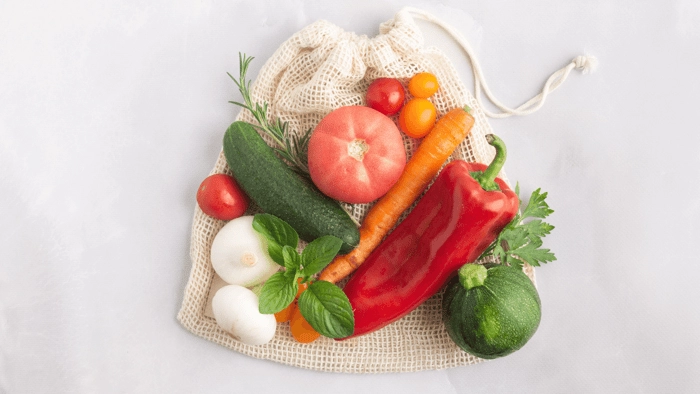
If you’re looking to cut down on plastic use, beeswax wraps and butcher paper are great eco-friendly alternatives for short-term freezing. Beeswax wraps are made from cotton fabric coated with beeswax, tree resin, and jojoba oil, making them naturally breathable and reusable. They work well for wrapping fruits, vegetables, cheese, and bread before freezing. Just keep in mind they’re best for short-term storage since they aren’t completely airtight and can lose effectiveness over time.
Butcher paper is another good option, especially for meats and larger items. It’s breathable and helps prevent moisture buildup, which reduces the risk of freezer burn when used properly. However, butcher paper isn’t as airtight as freezer bags, so it’s better for shorter freezing periods or if you plan to use the food quickly.
Both options help reduce plastic waste and are compostable or biodegradable, making them a smart choice if you want to freeze food while being kind to the environment. For more on eco-friendly food storage, check out our guide on reusable food storage bags.
Pros and Cons of Freezing Food in Storage Bags

Advantages Cost effectiveness and space saving
Freezing food in storage bags is a smart choice if you want to save money and space. Here’s why:
- Cost effective: Storage bags are usually cheaper than rigid containers. You can buy them in bulk without breaking the bank, making them great for everyday freezing needs.
- Space saving: These bags are flexible and take up less room in your freezer. You can lay them flat or stack them easily, which helps keep your freezer organized.
- Easy portion control: You can freeze food in smaller amounts, which means less waste and easier meal prep.
- Lightweight and portable: Storage bags are easy to carry and perfect for freezing leftovers or prepped ingredients without adding bulk.
Using freezer-safe storage bags combines these benefits with the right protection against freezer burn, making them a practical option for many households across the US.
Pros and Cons of Freezing Food in Storage Bags
Disadvantages Chemical leaching and durability issues
While freezing food in storage bags is convenient, there are some drawbacks to keep in mind.
Chemical leaching can be a concern, especially if you use regular plastic storage bags not designed for freezing. These bags may contain chemicals like BPA or phthalates that could leach into your food over time, particularly with fatty or acidic items. Choosing BPA-free, food-grade freezer-safe storage bags helps reduce this risk.
Durability issues are another downside. Regular storage bags are usually thinner and less tough than freezer bags. This means they can tear or leak easily in the freezer, leading to freezer burn or contamination. Over time, repeated freezing and thawing can weaken the plastic, causing cracks or holes.
In short, using the right freezer-safe storage bags is key to avoiding chemical and durability problems when freezing food. Regular storage bags might work short-term but aren’t the best for long-term freezing.
Artfullife Heavy-Duty Freezer Bags Features and Ideal Uses
Artfullife Heavy-Duty Freezer Bags are designed specifically for freezing food safely and effectively. These bags are thicker than regular storage bags, which helps prevent freezer burn and keeps your food fresh longer. They come with a strong seal that locks out air and moisture, making them perfect for storing meats, fruits, vegetables, and leftovers.
Key features include:
- Durable, puncture-resistant material to handle sharp food edges like bones
- Double-zip seal for extra protection against leaks and freezer burn
- Freezer-safe labeling so you know these bags are made for cold storage
- Variety of sizes to fit everything from small snacks to large cuts of meat
Ideal uses for these bags:
- Long-term freezing of raw or cooked meats
- Portioning fruits and veggies for smoothies or meal prep
- Storing soups, sauces, and liquids without spills
- Organizing bulk purchases to save space in your freezer
If you want reliable, cost-effective bags that keep your frozen food fresh and easy to access, Artfullife Heavy-Duty Freezer Bags are a solid choice for everyday freezer storage.
Artfullife Reusable Silicone Freezer Bags Eco friendly and reusable benefits
Artfullife’s reusable silicone freezer bags are a smart choice if you want to cut down on single-use plastics while keeping your food fresh. These bags are made from food-grade silicone, which is durable, flexible, and safe for freezing. Unlike regular plastic bags, they won’t crack or tear in the freezer, making them perfect for long-term storage.
Here’s why Artfullife silicone freezer bags stand out:
- Eco-friendly: Reusable and BPA-free, they help reduce plastic waste.
- Versatile: Safe for freezer, fridge, microwave, and even boiling water.
- Durable: Thick silicone resists freezer burn and protects food quality.
- Easy to clean: Dishwasher safe and odor resistant, so no lingering smells.
- Space-saving: Flexible design lets you store food flat or upright to maximize freezer space.
For anyone looking to freeze fruits, veggies, meats, or leftovers without harming the environment, these bags offer a reliable and sustainable option. Plus, they’re affordable enough to replace disposable bags over time, making them a great investment for everyday kitchen use.
Check out more on reusable storage options and food-grade bags from Artfullife to find the best fit for your freezing needs.
Artfullife’s Top Picks for Freezing Food Why Choose Artfullife Quality sustainability and affordability
Choosing Artfullife means you’re getting top-quality freezer-safe storage bags designed with both performance and the environment in mind. Their products strike a great balance between durability and eco-friendliness, making them a smart choice for anyone wanting reliable food storage without harming the planet.
Here’s why Artfullife stands out:
- High Quality Materials: Artfullife bags are made from food-grade, BPA-free materials that protect your food from freezer burn and contamination.
- Sustainability Focused: Many of their options include reusable silicone freezer bags, cutting down on single-use plastic waste and supporting eco-friendly food storage habits.
- Affordable Options: You don’t have to break the bank for quality. Artfullife offers competitive pricing that fits everyday budgets, perfect for families and individuals alike.
- Variety for Every Need: Whether you want heavy-duty freezer bags for long-term storage or reusable silicone bags for everyday use, Artfullife has you covered.
- Trusted by Supermarkets and Restaurants: Their products are trusted by professional kitchens and supermarket suppliers, which shows their reliability and effectiveness in real-world food storage.
For anyone serious about freezing food safely and sustainably, Artfullife is a solid choice that delivers on quality and value. To explore their reusable silicone bags and other freezer-safe options, check out Silicone Bags The Future of Food Storage.
Common Mistakes to Avoid When Freezing Food
Using Non Freezer Safe Bags and Overfilling
One of the biggest mistakes is using regular storage bags instead of freezer-safe storage bags. Regular bags are thinner and not designed to handle freezing temperatures, which can lead to cracks, leaks, and freezer burn. Always check for bags labeled “freezer-safe” to protect your food better.
Another common error is overfilling the bags. When bags are packed too full, they don’t seal properly, allowing air in and increasing the risk of freezer burn. Plus, overstuffed bags can burst when the food expands as it freezes.
To avoid these issues:
- Use thick, freezer-safe bags for better durability and protection
- Leave some space at the top of the bag to allow food to expand
- Remove as much air as possible before sealing to prevent freezer burn
Following these simple steps helps keep your frozen food fresh longer and saves you money by reducing waste. For more on choosing the right bags, check out freezer-safe storage bags.
Common Mistakes to Avoid When Freezing Food
Ignoring Proper Thawing Methods
Thawing frozen food the wrong way can ruin your meals and even cause food safety issues. It’s easy to forget, but how you thaw matters just as much as how you freeze. Here’s what to keep in mind:
- Avoid thawing at room temperature: Letting food sit out on the counter can let bacteria grow fast.
- Use the refrigerator: This is the safest way to thaw. It keeps food at a safe temperature while slowly defrosting.
- Cold water method: For quicker thawing, place the sealed bag in cold water. Change the water every 30 minutes to keep it cold.
- Microwave thawing: Use this only if you plan to cook the food immediately after. Microwave thawing can partially cook food, which isn’t safe for storing later.
Following these thawing tips helps keep your frozen food fresh, tasty, and safe to eat. Don’t skip this step if you want the best results from your freezer-safe storage bags.
How to Thaw Food Safely
Thawing food the right way is just as important as freezing it safely. Here are the best methods to keep your food safe and tasty:
Refrigerator Thawing
- This is the safest method.
- Plan ahead and move frozen food from the freezer to the fridge the night before.
- It keeps the food at a safe, consistent temperature while thawing.
- Works best for meats, poultry, and leftovers.
- Usually takes several hours to a full day depending on the size.
Cold Water Method
- Faster than fridge thawing but requires more attention.
- Place the food in a sealed freezer-safe bag to prevent leaks.
- Submerge the bag in cold tap water, changing the water every 30 minutes.
- Small packages thaw in about an hour, larger ones take longer.
- Cook immediately after thawing with this method.
Microwave Thawing
- Quickest option when you’re in a rush.
- Use the defrost setting on your microwave.
- Rotate or flip food during thawing for even results.
- Be careful not to start cooking the edges.
- Cook food right away after microwave thawing to avoid bacteria growth.
Using these thawing methods helps prevent freezer burn and keeps your food fresh. For more tips on freezing and storing food safely, check out freezer-safe storage bags and reusable silicone freezer bags.
FAQs About Freezing Food in Storage Bags
Can I reuse plastic storage bags for freezing?
You can reuse plastic storage bags if they’re still in good shape and were originally designed for freezer use. Just make sure to wash them thoroughly and check for any tears or damage. Avoid reusing bags that stored raw meat or fish to prevent contamination.
Can I freeze liquids in storage bags?
Yes, but leave some space at the top because liquids expand when frozen. Use freezer-safe storage bags to prevent leaks and spills. Lay the bag flat in the freezer for quicker freezing and easier stacking.
How long does food stay fresh in freezer bags?
Most foods keep their best quality for 3 to 6 months in freezer-safe storage bags. Some items like fruits and veggies might last longer, but always check for freezer burn or off smells before using.
How can I prevent freezer burn in storage bags?
Use thick, freezer-safe bags with airtight seals.
Remove as much air as possible before sealing.
Freeze food in small portions for quicker freezing.
Label and date bags to use older items first.
Are freezer bags BPA free?
Many freezer-safe storage bags are BPA free, but it’s important to check the packaging or product details. BPA-free bags are safer for long-term food storage and help avoid chemical leaching into your food.