















If you’re sourcing PE food storage bags for export, you already know that not all plastic bags are created equal — especially when it comes to meeting international standards and preserving food quality during long shipments. Choosing the right polyethylene food storage bags isn’t just about price; it’s about durability, safety, and compliance with global regulations.
In this guide, you’ll discover what makes export-grade PE food storage bags stand out, what certifications to look for, and how to partner with suppliers who understand the complex demands of international food packaging. Whether you’re a distributor, wholesaler, or manufacturer, this is your go-to resource for making smart, confident sourcing decisions.
Let’s get started.
What Are PE Food Storage Bags for Export
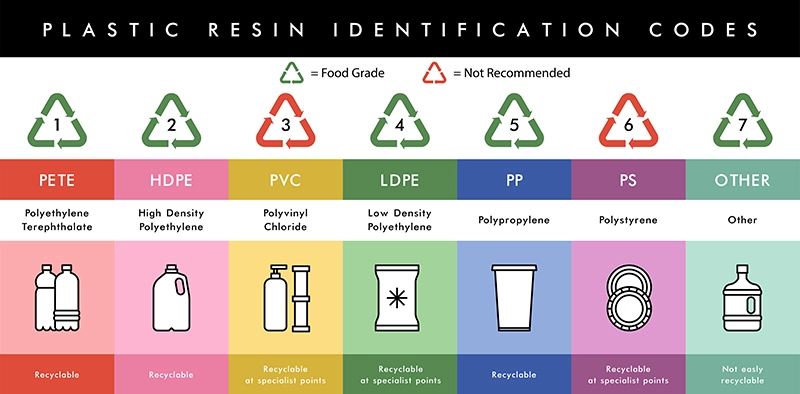
If you’re wondering what PE food storage bags really are, here’s the straightforward answer. These bags are made from polyethylene, a popular type of plastic known for its durability and safety when it comes to storing food. There are two main types used in food packaging: LDPE (Low-Density Polyethylene) and HDPE (High-Density Polyethylene).
- LDPE is softer, more flexible, and often used for resealable bags or thinner food storage options.
- HDPE is thicker, stiffer, and typically chosen for heavier or bulk food packaging due to better strength.
Common Uses in Food Storage and Preservation
PE bags are widely favored because they provide airtight, moisture-resistant protection. Common applications include:
- Fresh produce packaging and storage
- Bulk food items like grains, nuts, and snacks
- Meat and seafood packaging to avoid contamination
- Refrigeration or freezer-safe bags for home and commercial use
Advantages of PE Food Storage Bags Compared to Other Materials
Why do exporters and food suppliers prefer PE food storage bags over other materials? Here’s why:
- Food-safe and FDA approved: PE bags meet strict international food contact standards (FDA, EU) ensuring safety.
- Lightweight and cost-effective: They reduce shipping costs compared to glass or rigid containers.
- Excellent moisture and odor barriers: Help preserve freshness and extend shelf life.
- Flexible and easy to seal: Compatible with various sealing methods, making packing efficient.
- Recyclable and increasingly biodegradable options: Address environmental concerns better than many plastics.
When you’re looking for food-safe PE bags manufacturer options or suppliers, these benefits make polyethylene the smart choice for export packaging of food storage bags designed for demanding international markets.
Key Features and Specifications for Export Grade PE Food Storage Bags

When choosing PE food storage bags for export, it’s essential to focus on key features that meet both quality and market demands. Export-grade bags must comply with strict food safety regulations and offer durable performance during long shipments.
Food Grade Certification and Compliance
Export quality polyethylene food storage bags should always meet FDA and EU food contact standards. These certifications guarantee the bags are safe to use with food and free from harmful chemicals. Look for:
- FDA approved food storage bags that comply with U.S. regulations
- Compliance with EU food contact materials standards for smooth entry into international markets
- Clear documentation proving food safety compliance for customs clearance
Thickness Size Strength and Barrier Properties
The physical specifications of PE bags greatly impact their usefulness in food storage and export:
- Thickness: Typically ranges from 40 to 150 microns, balancing strength and flexibility
- Size options: Customizable to fit various packaging needs, from small portion bags to bulk food storage bags for export
- Strength: High tensile strength to resist punctures and tears during transit
- Barrier properties: Effective moisture and oxygen barriers to keep food fresh longer
These factors help prevent spoilage and damage during international shipping.
Customization Options for Export Markets
Branding is vital to stand out in import markets. Exporters often require PE bags with:
- Custom logos and brand names printed clearly
- FDA-compliant inks suited for food packaging
- Custom labeling that meets local import regulations and languages
- Different bag styles, such as resealable zippers or vacuum-seal options
Personalized packaging not only boosts brand identity but also ensures compliance with local labeling laws.
Environmental Considerations
Sustainability matters more than ever. Exporters should consider:
- Recyclable PE food storage bags made from low-density polyethylene (LDPE) or high-density polyethylene (HDPE)
- Options with biodegradable additives to reduce environmental impact
- Suppliers who certify their bags as eco-friendly and compliant with international waste management protocols
Choosing environmentally responsible bags can open market opportunities, especially in eco-conscious regions.
By focusing on certified, durable, customizable, and environmentally sound PE food storage bags, exporters can deliver high-quality packaging that meets both domestic and global standards. This ensures safe, fresh food reaches consumers around the world.
Why Exporters Choose PE Food Storage Bags for Export
Exporters prefer PE food storage bags for several solid reasons. First off, these bags are lightweight and cost-effective, which helps cut down on shipping costs without sacrificing quality. Their affordable price point makes them a popular choice for businesses wanting reliable food packaging that doesn’t break the bank.
Easy Customization and Sealing Compatibility
One big advantage is how easy it is to customize PE bags. Whether it’s adding branding, labels, or specific sizes, exporters can tailor these bags to meet different market needs. Plus, PE food bags work smoothly with various sealing technologies like heat sealing or zip locks, ensuring airtight storage to keep food fresh.
Safe and Hygienic for Long-Distance Shipping
When it comes to food safety, these bags check all the boxes. Being FDA approved and compliant with EU food contact standards, they’re trusted for maintaining food hygiene during prolonged storage and shipping. This is essential for international export where preserving freshness and preventing contamination are non-negotiable.
Global Demand and Market Trends
The worldwide market continues to lean heavily on polyethylene food storage bags, driven by their recyclability and versatility. Exporters see growing demand because PE bags fit well with eco-friendly trends like recyclable and biodegradable options. They also suit bulk shipments, making them a preferred packaging choice across many food sectors internationally.
In short, exporters choose PE food storage bags because they offer:
- Lightweight, cost-saving packaging
- Flexible customization for export markets
- Compatibility with sealing methods to secure freshness
- Food-grade safety for global shipping standards
- Strong demand aligned with sustainability trends
This blend of features makes PE food storage bags a smart, reliable pick for anyone exporting food products from the U.S. to global markets.
Quality Control and Compliance for Export of PE Food Storage Bags
When exporting PE food storage bags, maintaining quality control and compliance is critical. Buyers in the United States and international markets demand products that meet strict safety and regulatory standards. Here’s what you need to focus on to ensure your polyethylene food storage bags meet export-grade quality.
International Quality Standards and Testing Protocols
PE food storage bags for export must comply with FDA approved food storage bags regulations in the U.S. and meet EU food contact standards if shipping to Europe. This includes:
- Material safety: Bags should be made from food-grade LDPE or HDPE free from harmful chemicals.
- Testing for migration: Products must pass tests ensuring no harmful substances transfer to the food.
- Barrier performance: Verification that bags preserve freshness and protect against moisture or odors.
- Mechanical strength tests: Ensuring bags withstand handling, sealing, and transport without damage.
Make sure your supplier provides certificates of compliance and lab test reports aligned with these standards.
Ensuring Traceability and Supplier Reliability
Reliable traceability is vital for export-quality plastic food bags. This involves:
- Tracking batch numbers from raw materials through production.
- Maintaining detailed quality logs and inspection reports.
- Verifying supplier credentials and factory audits to ensure consistent product standards.
- Having a robust supplier communication chain to handle any quality issues immediately.
This traceability not only helps meet regulations but also protects your brand’s reputation.
Tips on Avoiding Counterfeit or Sub-Standard Products
Counterfeit or poor-quality PE food storage bags can cost you heavily in compliance failures or lost customers. To avoid these pitfalls:
- Always work with trusted polyethylene food storage bags suppliers with proven export experience.
- Request full documentation and certifications including FDA, SGS, or other recognized agencies.
- Inspect samples personally or via third-party labs before bulk orders.
- Beware of prices that are too low, as they may signal compromised quality or non-food-grade materials.
- Ask for references and customer testimonials regarding supplier performance.
By focusing on these quality control and compliance areas, you can confidently export bulk food storage bags that meet global standards and protect consumer safety.
Packaging and Logistics for Exporting PE Food Storage Bags
When exporting PE food storage bags, efficient packaging and logistics are essential to ensure your products arrive in perfect condition. Proper handling minimizes damage and keeps your bags clean and functional for your customers.
Packaging to Protect PE Food Storage Bags During Transit
- Bulk packaging is common for export-grade PE bags. Group bags in sturdy cartons or on pallets to prevent crushing.
- Use water-resistant wrapping or shrink wrap for added protection against moisture during shipping.
- Cushioning materials like bubble wrap or foam sheets can help, especially when shipping customized or printed bags that must arrive pristine.
- Clearly label cartons with product details and handling instructions to avoid mishandling.
Shipping Options and Bulk Shipment Considerations
- Most exporters prefer containerized shipping for bulk orders, utilizing 20-foot or 40-foot containers to maximize space and reduce freight costs.
- Consolidated shipments can help smaller exporters reduce expenses by sharing container space.
- Air freight is quicker but costs more and is usually reserved for urgent or smaller shipments.
- Choose carriers experienced with food packaging material for international shipment to ensure smooth handling and delivery.
Container Loading Best Practices
- Load containers to avoid shifting during transit; use dunnage bags or braces to keep pallets secure.
- Optimize pallet stacking without overloading to maintain bag integrity.
- Keep pallets off the ground by using skids or pallets, preventing moisture absorption from floors.
Documentation and Customs Compliance
- Prepare all necessary export packaging for food storage bags documents including commercial invoices, packing lists, certificates of origin, and any required FDA approved food storage bags certifications.
- Verify compliance with destination country rules, especially regarding food contact materials and import restrictions.
- Work with customs brokers familiar with bulk food storage bags for export to avoid clearance delays.
- Maintain clear records for traceability and supplier reliability in case of audits or inspections.
By focusing on efficient packaging, smart logistics, and proper documentation, you safeguard your PE food storage bags’ quality and ensure smooth exporting operations.
Choosing the Right Supplier for PE Food Storage Bags for Export
When it comes to sourcing PE food storage bags for export, picking the right supplier can make all the difference. That’s where Artfullife shines as a trusted supermarket supplier with a strong foothold in export markets.
Artfullife’s Expertise in Export-Grade PE Food Storage Bags
Artfullife knows the unique demands of international markets, offering export quality plastic food bags that meet strict standards such as FDA and EU food contact regulations. Their experience working with supermarkets and large distributors means they understand how to deliver consistent, food-safe PE bags that maintain quality throughout long transit times.
Wide Product Range and Customization Options
Artfullife provides a broad line of custom PE bags for the food industry, from bulk food storage bags to retail-ready packages. They support customization in:
- Sizes and thicknesses tailored to different food types
- Branding and labeling to meet export packaging requirements
- Special features like resealable zippers or venting options
This flexibility helps exporters stand out in competitive markets while staying compliant with local regulations.
Commitment to Quality and Certifications
Quality control is a top priority at Artfullife. They hold certifications for FDA approved food storage bags and adhere to international food safety standards. Their rigorous testing processes ensure every batch of bags meets:
- Strength and durability standards
- Food-grade safety compliance
- Traceability to prevent counterfeit products
This commitment lowers risk for exporters and builds trust with buyers worldwide.
Proven Customer Satisfaction and Success Stories
What sets Artfullife apart is not just products but proof. Their client base includes major supermarket chains and food distributors who rely on them for bulk food storage bags for export. Customers praise Artfullife for:
- Reliable on-time delivery
- Consistent quality across shipments
- Responsive and helpful customer support
These success stories reflect Artfullife’s dedication to helping exporters grow their business with top-quality recyclable PE food bags for export.
Choosing Artfullife means partnering with a supplier who understands your export needs, sources responsibly, and helps you meet your local U.S. market and global customer expectations.
Cost Factors in Exporting PE Food Storage Bags for Export
When exporting PE food storage bags, understanding the cost factors helps you get the best value without sacrificing quality. Here’s what influences pricing and how to handle negotiations.
Key Price Determinants for PE Food Storage Bags
- Material cost: The price of polyethylene (LDPE or HDPE) fluctuates based on oil prices and demand. Higher-grade, food-safe materials meeting FDA or EU standards usually cost more but are essential for export-quality packaging.
- Volume: Bigger orders mean lower per-unit costs. Bulk food storage bags for export benefit from economies of scale.
- Customization: Adding branding, special sizes, or extra features like resealable zippers or thicker films can raise prices. Custom PE bags for the food industry often come at a premium.
- Production technology: Bags compatible with advanced sealing methods or designed for high-barrier properties may cost somewhat more.
How to Negotiate Better Pricing Without Compromising Quality
- Leverage volume: Commit to larger quantities or regular orders to unlock discounts.
- Simplify customizations: Opt for standard sizes or fewer design colors to reduce costs.
- Request samples: Always verify quality before bulk buying to avoid costly returns.
- Build relationships: Work with suppliers who value transparency and long-term partnerships.
- Compare multiple suppliers: Don’t settle on the first offer; competitive quotes help you negotiate better.
Value-Added Services to Look For in a Supplier of Export Quality Plastic Food Bags
- Certification support: FDA approved food storage bags suppliers should provide all necessary documentation for international shipping.
- Quality assurance: Insist on ISO certifications and traceability in production.
- Packaging and logistics advice: Efficient export packaging for food storage bags can save money and minimize damage.
- Flexible payment terms: Favor suppliers offering payment plans or credit options.
- Customer support: Responsive service helps solve issues quickly and keeps shipments on track.
By focusing on these cost factors and negotiation tips, you ensure your imported food-safe PE bags deliver excellent performance while keeping expenses manageable for your US-based operations.
Final Recommendations for Export-Grade PE Food Storage Bags
When selecting PE food storage bags for export, staying sharp on quality and market requirements is key to success. Here’s a straightforward checklist to help you pick the right bags and keep your supply chain running smoothly:
Checklist for Choosing Export-Grade PE Food Storage Bags
- Food-Grade Certification: Always confirm that bags meet FDA and EU food contact standards to ensure safety and export acceptance.
- Material Quality: Opt for bags made from high-quality LDPE or HDPE polyethylene that offer sufficient strength, barrier properties, and durability during shipping.
- Bag Thickness and Size: Match thickness and size to your specific food products to protect freshness and avoid damage.
- Customization Options: Choose manufacturers who provide custom branding and labeling tailored for international markets.
- Environmental Impact: Consider recyclable or biodegradable options to meet growing eco-friendly demands from global buyers.
Maintaining Product Quality Through Supply Chain Management
Keeping your PE food bags in top shape from factory to customer means managing the whole chain well:
- Supplier Reliability: Work only with trusted suppliers who offer transparent quality testing and tracking.
- Proper Packaging and Storage: Ensure bags are packed securely and stored in clean, dry conditions to avoid contamination or deformation.
- Regular Inspections: Conduct quality checks at every stage—before shipment, upon arrival, and before final use.
- Compliance Documentation: Maintain thorough records like certificates and test reports to ease customs clearance.
Future Trends and Innovations in PE Food Packaging for Export
The market for export quality plastic food bags is evolving fast. Staying ahead means embracing:
- Smart Packaging: PE bags with freshness indicators or antimicrobial coatings to add value.
- Sustainability: Increasing demand for fully recyclable and biodegradable PE food storage bags as customers and regulators focus on reducing waste.
- Advanced Barrier Technology: Innovations that improve air and moisture barriers without adding weight.
- Customization Tech: New printing and labeling methods that help brands stand out in crowded export markets.
By keeping these best practices in mind, you can confidently select the right export-grade PE food storage bags that meet US market needs and international standards—ensuring your food products reach consumers fresh, safe, and on time.
Contact Artfullife for Customized PE Food Storage Bags for Export
If you’re looking for export-quality polyethylene food storage bags, Artfullife is here to help. We specialize in custom PE bags for the food industry, designed to meet both FDA approved food storage bags standards and international export requirements. Whether you need bulk food storage bags for export or tailored packaging solutions with your branding and labeling, we offer expertise you can trust.
Why reach out to Artfullife?
- Free quote or consultation: We provide a no-obligation review to help you find the right options.
- Custom options: From bag thickness and size to design and sealing compatibility, we tailor solutions to fit your needs.
- Export packaging expertise: We understand the food packaging material for international shipment and can guide you through logistics and compliance.
- Commitment to quality and sustainability: Our bags are made with attention to durability, food safety, and environmental factors like recyclability.
Get in touch today and discover how Artfullife can simplify your supply chain and boost your competitiveness in the global market. Let us help you secure safe, reliable, and scalable PE food storage bags for export that align with your business goals.
Contact us now for your free quote or expert consultation.