
















Are you looking to make the most of aluminum foil in your kitchen? Whether you’re a home cook aiming to simplify meal prep or a chef seeking reliable supplies, choosing the right aluminum foil can transform your kitchen experience.
As a trusted supermarket supplier, Artfullife knows the value of quality foil for cooking, storage, and more. In this guide, we’ll share expert tips, practical uses, and insider advice to help you master aluminum foil in your kitchen—backed by our real-world expertise.
From roasting to recycling, we’ve got you covered. Let’s dive in!
Aluminum Foil What Is Aluminum Foil and Its Basic Properties
Aluminum foil is a thin sheet of aluminum metal, rolled out to a thickness ranging from about 0.00017 inches (standard foil) to thicker variations like heavy-duty foil. It’s widely used in kitchens because of its lightweight, flexible, and non-toxic nature. The foil is made by rolling large slabs of aluminum until they reach the desired thickness, then cutting them into sheets or rolls.
Variations of Aluminum Foil
There are three main types of aluminum foil commonly found in kitchens:
- Standard Aluminum Foil: The most commonly used type, ideal for everyday cooking, covering dishes, and wrapping food.
- Heavy-Duty Aluminum Foil: Thicker and stronger, this foil is designed for tasks requiring durability such as grilling, roasting, or protecting food from intense heat and sharp utensils.
- Non-Stick Aluminum Foil: Coated with a special layer to prevent food from sticking, it’s perfect for baking and grilling delicate items like fish or sticky sauces.
Types and Sizes Available in the Market
Aluminum foil comes in various widths and lengths to suit different kitchen needs, from small rolls for household use to bulk sizes preferred by restaurants and caterers. Roll widths generally range from 6 to 18 inches, while lengths can vary from 25 feet in retail packaging up to several hundred feet for commercial purposes.
Specialty options include perforated sheets, pre-cut sheets, and foil with reinforced edges. When selecting foil, consider your primary uses and storage space.
For those managing busy kitchens or looking for consistent supply, reliable kitchen foil suppliers like Artfullife offer both retail and wholesale options with dependable quality control and convenient packaging solutions. This ensures you always have the right type and size of aluminum foil on hand.
By understanding the different grades and types of aluminum foil, you can choose the best product that meets your cooking, baking, and food storage needs efficiently. For a deeper dive into foil grades and usage, you can check out our detailed guide on grades and uses of food-grade aluminum foil.
Top Uses of Aluminum Foil in the Kitchen
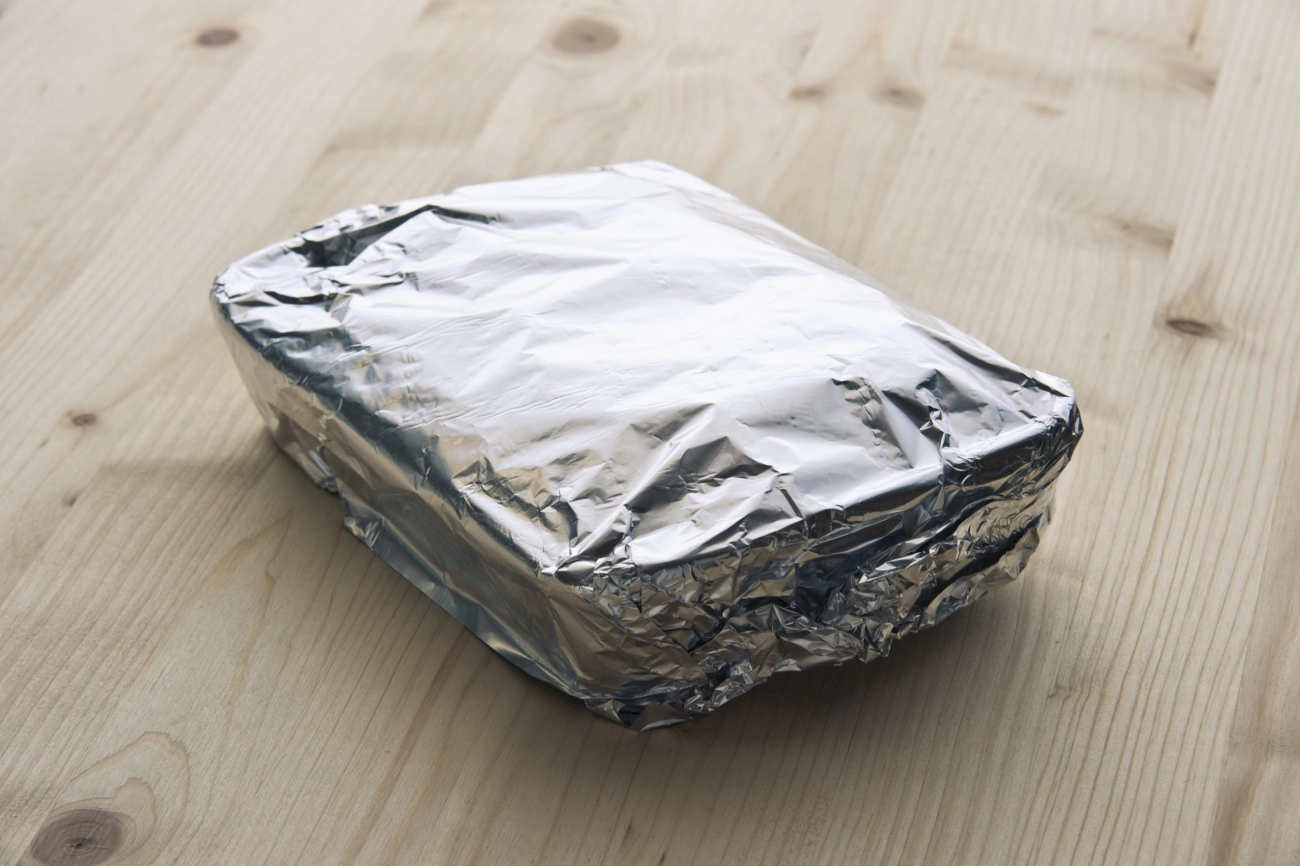
Aluminum foil is a must-have for every kitchen, and it shines in a bunch of everyday tasks. Here’s how I use it to make cooking, storage, and cleanup easier.
Cooking and Baking with Aluminum Foil
One of the top aluminum foil uses in the kitchen is for cooking and baking. It’s perfect for:
- Wrapping food to lock in moisture when roasting or baking. This keeps meats tender and veggies juicy.
- Steaming fish or veggies by creating foil packets. It seals in flavor and nutrients without extra pots.
- Grilling by placing foil under foods or wrapping delicate items like fish to prevent sticking and flare-ups.
Using heavy-duty aluminum foil here helps prevent tearing, especially on the grill or oven.
Food Storage and Preservation
Aluminum foil is excellent for keeping food fresh. It helps with:
- Wrapping leftovers tightly to prevent air exposure.
- Preventing freezer burn by creating a solid barrier against moisture.
- Covering bowls or trays to protect food in the fridge without the need for plastic wrap.
This use saves money and reduces waste because food stays fresher longer.
Lining Pans and Grills for Easy Cleaning
Another great way to save time and cleanup is to use foil as a liner for pans and grills. It catches drips, spills, and grease, making post-cooking cleanup a breeze.
- Just lay foil on baking sheets or grill grates.
- After use, simply remove and toss the dirty foil.
- This also helps protect pans from burnt-on messes, extending their life.
Creative Kitchen Hacks Using Aluminum Foil
Beyond the basics, aluminum foil is great for clever kitchen hacks, like:
- Sharpening scissors by folding foil several times and cutting through it.
- Creating a makeshift drip pan under roasting meat.
- Shaping foil balls to scrub stubborn pots and pans without scratching.
These small tricks show how versatile aluminum foil is in a busy kitchen.
Overall, aluminum foil’s ability to handle heat, create airtight seals, and ease cleaning makes it an essential tool in American kitchens. Whether you’re baking, grilling, or storing, there’s an aluminum foil solution that fits your needs.
Benefits of Using Aluminum Foil in Your Kitchen
Using aluminum foil in the kitchen brings several practical benefits that make cooking, storage, and cleanup easier and more efficient. Here’s why aluminum foil remains a go-to for many home cooks and professionals alike.
Excellent Heat Conductivity and Safety
One of aluminum foil’s best features is its superior heat conductivity. It evenly distributes heat, helping food cook uniformly whether you’re baking, grilling, or roasting. This reduces risks of burnt spots or undercooked areas. Plus, food wrapped in foil stays moist and flavorful because it traps steam effectively.
When it comes to safety, food-grade aluminum foil is designed for kitchen use. It’s generally safe for cooking and storing most foods, but it’s best to avoid prolonged contact with highly acidic or salty foods, which can cause foil to break down. For more on safe kitchen uses, check out our guide on aluminum foil safety tips.
Versatility and Affordability
Aluminum foil adapts to countless kitchen tasks:
- Wrapping leftovers or raw ingredients for storage
- Lining pans and grills to reduce cleanup time
- Creating makeshift lids for pots or containers
- Crafting foil packets for steaming or roasting
Its affordability compared to specialized cookware or disposable wraps makes it a budget-friendly choice for households. Whether you’re using standard, heavy-duty, or non-stick varieties, aluminum foil fits almost every kitchen need without breaking the bank.
Recyclability and Environmental Considerations
More people pay attention to waste, and aluminum foil holds a key advantage—it’s recyclable. Unlike many plastic wraps or disposable containers, aluminum foil can be recycled if clean and dry before disposal.
Here are tips to recycle aluminum foil properly:
- Remove food scraps and grease before recycling
- Scrap small foil pieces together into a ball to avoid loss in sorting machines
- Confirm with your local recycling program if they accept aluminum foil
By choosing recyclable options and using foil wisely, you can reduce environmental impact. For those interested in cutting down kitchen waste, explore sustainable alternatives and check out our aluminum foil recycling guide and helpful tips.
Aluminum foil’s heat efficiency, flexibility, cost-effectiveness, and recyclability make it a staple in American kitchens. Understanding these benefits can help you choose the right foil type and use it smarter, enhancing your cooking and food storage routines.
How to Choose the Right Aluminum Foil for Your Kitchen Needs
Selecting the best aluminum foil for your kitchen depends on what you plan to do with it. From cooking to storage, the type of foil you pick can make a big difference in performance and convenience.
Comparing Thickness and Material Grades
Aluminum foil comes in different thicknesses and grades. The two most common are:
- Standard foil: Thin and flexible, great for everyday uses like wrapping sandwiches or covering dishes.
- Heavy-duty foil: Thicker and stronger, ideal for grilling, roasting, and tasks that require extra durability.
Thickness is usually measured in mils (thousandths of an inch). The thicker the foil, the better it handles heat and prevents tearing. For most kitchen uses, standard foil is fine, but heavy-duty is a smart choice if you need extra strength.
When to Choose Heavy-duty vs Standard Foil
-
Use heavy-duty aluminum foil when:
- Grilling or barbecuing, since it resists tearing over high heat.
- Roasting large cuts of meat or heavy dishes.
- Wrapping foods that are sharp or have bones.
-
Use standard aluminum foil for:
- Lining pans for quick clean-ups.
- Wrapping snacks or lighter foods.
- Simple food storage and short-term preservation.
Choosing the right thickness means less waste, better results, and a safer kitchen.
Non-stick Aluminum Foil Benefits and Applications
Non-stick aluminum foil is a great go-to for cooking sticky or delicate foods like fish or baked goods. Its special coating helps prevent food from tearing or sticking to the foil, which means easier cleanup and better presentation.
Key benefits of non-stick foil include:
- No need for extra oil or butter when cooking.
- Food stays intact when removing from foil.
- Ideal for baking, roasting, and reheating.
Use non-stick foil when you want to:
- Bake cookies or brownies.
- Grill sticky marinades or sauces.
- Reheat leftovers in the oven without drying out.
Tips for Choosing Kitchen Foil
- Match foil thickness to your cooking or storage needs.
- Pick heavy-duty foil for heavy cooking like grilling or roasting.
- Choose non-stick foil to avoid messy cleanup and keep delicate foods intact.
- Consider size options; larger rolls reduce waste for bulk kitchen tasks.
- Buy from reliable kitchen foil suppliers to ensure quality and freshness.
By understanding these differences, you’ll get better performance from your aluminum foil and make your kitchen tasks easier.
Aluminum Foil Safety and Usage Tips for Your Kitchen
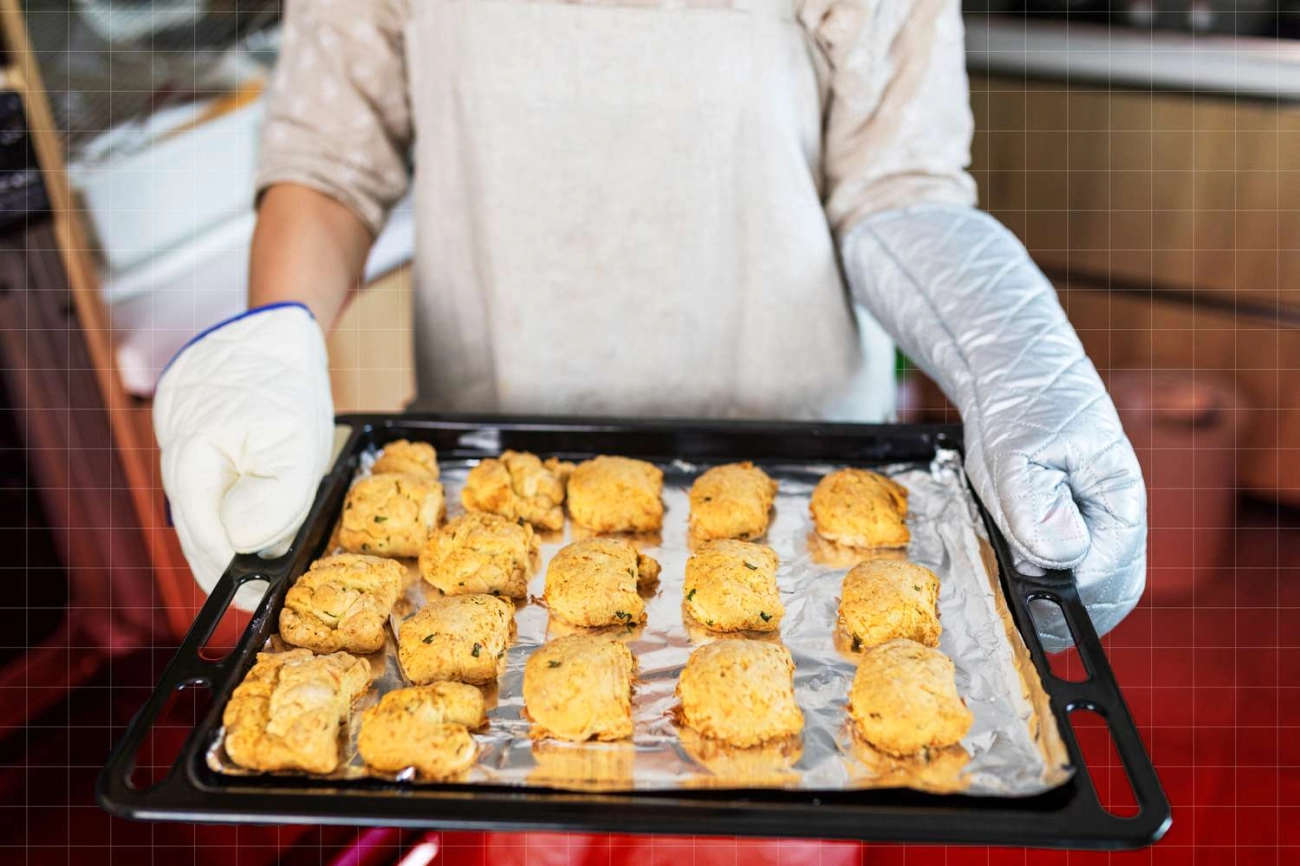
Using aluminum foil in the kitchen is easy and convenient, but there are some important safety and handling tips to keep in mind to avoid health risks and make the most of this versatile kitchen staple.
Avoid Health Risks and Food Reactions
- Do not use aluminum foil with acidic foods like tomatoes, vinegar, or citrus. Acid can react with the foil, causing small amounts of aluminum to leach into your food, which isn’t ideal for health or taste.
- When cooking acidic dishes, opt for non-stick aluminum foil or line foil with parchment paper to create a barrier.
- Avoid wrapping highly salty or spicy foods that may also cause similar reactions over time.
Safe Handling and Disposal Tips
- Handle foil carefully to avoid sharp edges which can cause cuts.
- For disposal, check your local guidelines. In most U.S. communities, aluminum foil is recyclable if clean. Food residue or grease means it should go in the trash to avoid contamination.
- To recycle foil correctly, clean it well and ball it up tightly before placing it in the recycling bin. This helps sorting facilities process it more easily.
Can You Microwave Aluminum Foil Safely
- In general, do not put aluminum foil in the microwave. Foil can cause sparks and fires because microwaves reflect off metal surfaces.
- Some microwaves allow small foil use if the manufacturer approves it, but it’s safer to avoid it altogether.
- Instead, use microwave-safe containers or wraps designed for microwave cooking.
What to Avoid When Using Aluminum Foil
- Avoid covering the bottom of ovens or toaster ovens with foil. It can block heat circulation and even damage your appliance.
- Don’t reuse aluminum foil if it’s torn or heavily soiled; compromise in the foil can release unwanted particles or cause contamination.
- Avoid cooking or storing food in foil for extended periods at high heat if the foil is very thin. Heavy-duty aluminum foil is better for grilling and roasting.
By following these aluminum foil safety tips for cooking, storage, and disposal, you can enjoy all its kitchen benefits without worry.
Aluminum Foil in Commercial Kitchens and Supermarkets
Why Suppliers Like Artfullife Matter for Chefs and Buyers
In commercial kitchens and supermarkets, reliable aluminum foil suppliers like Artfullife play a crucial role. Chefs and buyers rely on these suppliers for consistent quality and timely deliveries, which keep daily operations running smoothly. Artfullife understands the unique demands of professional kitchens and food retailers in the US, offering products that meet strict standards in foil thickness, durability, and food safety.
Bulk Buying Benefits for Commercial Use
For restaurants and supermarkets, buying aluminum foil in bulk is a smart move. Bulk purchasing lowers costs significantly and reduces the hassle of frequent reordering. This is especially important for high-usage environments where foil is used for cooking, food storage, and packaging every day. Artfullife’s bulk options come in different sizes and grades—including heavy-duty and non-stick foils—making it easy to match the foil to specific tasks like grilling or food preservation.
Packaging Options That Fit Professional Needs
Artfullife offers varied packaging solutions that help commercial kitchens and supermarkets store aluminum foil properly, keeping it fresh and protected from damage. Their dispensers and rolls are designed for easy handling and quick access, which saves time during busy prep hours. These thoughtful packaging choices support hygiene and efficiency—two must-haves in the food service industry.
Quality Control and Sourcing Standards
In commercial settings, using low-quality foil can lead to tearing, leaks, and food contamination. That’s why strict quality control and sourcing standards are non-negotiable. Artfullife ensures their aluminum foil is made from high-grade materials, tested for consistent thickness, and free from harmful additives. This guarantees safety and performance in cooking, grilling, and food storage—key reasons why US chefs and supermarket chains prefer trusted suppliers like Artfullife.
By choosing the right commercial foil supplier, kitchens and supermarkets in the US get dependable aluminum foil that meets their specific needs—helping them serve quality food safely, manage costs, and maintain operational efficiency.
Environmental Impact and Recycling Tips for Aluminum Foil in the Kitchen
Aluminum foil is a kitchen staple, but understanding its environmental impact and recycling options is key to making smarter choices at home.
Is Aluminum Foil Recyclable
Yes, aluminum foil is recyclable—but there are important details to keep in mind:
- Clean aluminum foil is accepted by most curbside recycling programs, but it must be free of food residue.
- Leftover bits of foil stuck with grease or food can contaminate recycling batches, so always rinse or wipe the foil clean before recycling.
- It helps to scrunch the cleaned foil into a ball roughly the size of a baseball; this makes it easier for recycling facilities to process and keeps it from getting lost with other recyclables.
If you want to learn more about recycling aluminum foil properly, check out this detailed Aluminum Foil Recycling Guide.
Reducing Environmental Impact in the Kitchen
While aluminum is recyclable, it takes energy and resources to produce, so it’s smart to reduce waste where possible:
- Reuse foil when you can—if it’s not torn or heavily soiled, give it a second life for storage or cooking.
- Consider using aluminum foil dispensers to reduce waste from overuse and to keep foil neat and easy to handle.
- Swap out foil with sustainable alternatives like beeswax wraps, silicone lids, or reusable food storage containers to cut down on single-use waste.
Sustainable Alternatives and Kitchen Waste Reduction
Using sustainable materials helps lower the environmental footprint of your kitchen:
- Parchment paper can be a good alternative for baking and food wrapping.
- For grilling, reusable grill mats or baskets can replace heavy-duty foil sheets.
- Using glass or stainless steel storage containers instead of foil for food storage preserves freshness without single-use waste.
Keeping these tips in mind not only benefits your kitchen workflow but also helps protect the environment by cutting unnecessary waste.
For more ideas on reducing kitchen waste and smart foil use, you can explore Uses of Aluminium Foil in the Kitchen and related resources.
- Aluminum foil is recyclable if cleaned and scrunched into a ball.
- Avoid contaminating recycling with greasy or food-stuck foil.
- Reuse foil when possible and consider sustainable alternatives.
- Reduce kitchen waste with eco-friendly storage and cooking tools.
By following these steps, you can use aluminum foil effectively while being kind to the environment.
Aluminum Foil Kitchen FAQs
Can Aluminum Foil Be Reused
Yes, aluminum foil can be reused, but it depends on how it was used.
- If the foil is clean and not torn after cooking or food storage, you can reuse it a few times.
- Avoid reusing foil that has been in contact with raw meat or greasy foods to prevent contamination.
- For kitchen foil reuse, simply fold and store it carefully until next time.
Reusing helps reduce waste and gets the most out of your purchase, especially with heavy-duty foil.
Difference Between Aluminum Foil and Parchment Paper
Both are staples in the kitchen but serve different purposes:
| Feature | Aluminum Foil | Parchment Paper |
|---|---|---|
| Heat Resistance | Withstands high heat and grilling | Heat resistant but less than foil |
| Non-stick Properties | Basic foil is sticky; non-stick foil available | Naturally non-stick |
| Use Cases | Wrapping, roasting, grilling, freezing | Baking, lining pans, delicate foods |
| Food Storage | Excellent for sealing and freezing | Not ideal for long-term storage |
Aluminum foil is your go-to for high heat and wrapping, while parchment paper shines with baking and non-stick solutions.
How Long Can You Store Food Wrapped in Aluminum Foil
Food wrapped in aluminum foil can last different times depending on storage:
- In the refrigerator: Wrapped leftovers or cooked food can stay fresh for 3–5 days.
- In the freezer: Foil helps prevent freezer burn; food can last up to 6 months if properly sealed.
Tips to extend freshness:
- Use heavy-duty foil for longer freezer storage.
- Wrap the food tightly, pressing out air.
- Label packages with the date to keep track.
Proper wrapping with aluminum foil is key for food storage and preservation, keeping meals fresh and safe.