
















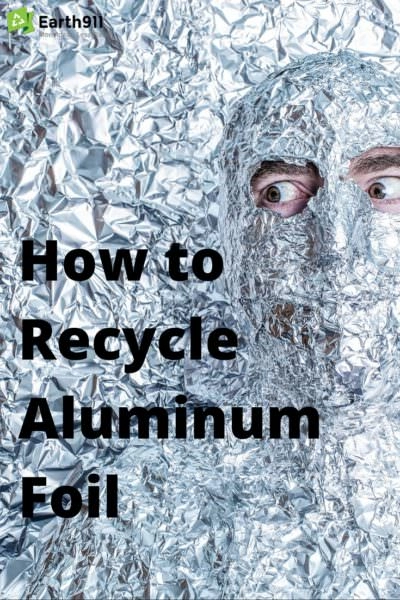
Can Aluminum Foil Be Recycled? A Simple Guide to Sustainable Choices
Ever wondered if that shiny aluminum foil you use for baking or wrapping leftovers can be tossed into the recycling bin? With sustainability on everyone’s mind, figuring out how to properly handle aluminum foil recycling is a small but impactful step toward a greener planet. As a trusted name in supermarket supplies, Artfullife is here to share clear, practical insights based on real-world waste management expertise.
In this guide, you’ll discover whether aluminum foil is recyclable, how to prep it for curbside recycling, and smart tips to reduce waste at home or in your business. Let’s dive in and make eco-friendly choices simple!
What is Aluminum Foil and Its Uses in Homes and Supermarkets
Aluminum foil is a thin sheet made primarily from aluminum metal, known for its lightweight, flexible, and durable properties. It is widely used in households and supermarkets due to its excellent ability to preserve food, prevent moisture loss, and protect items from light and bacteria.
Composition and Common Uses
Aluminum foil is mostly pure aluminum, typically more than 97% aluminum content. This makes it an effective material for:
- Wrapping food to keep it fresh in refrigerators or lunchboxes
- Covering baking dishes during cooking or freezing to maintain moisture
- Packaging items in supermarkets to extend shelf life, especially meats, cheeses, and baked goods
- Lining trays for easy clean-up after food preparation and serving
Its thin and malleable nature allows it to conform easily to different shapes, making it a versatile material in food handling and storage.
Differences Between Clean and Dirty Aluminum Foil
When it comes to recycling, clean aluminum foil refers to foil that is free from food residue, grease, or other contaminants. This type of foil is easy to recycle and highly valuable in waste management processes.
On the other hand, dirty aluminum foil includes foil covered with food waste, oils, or sauces, which can cause issues during recycling. Contaminants can:
- Make it difficult for recycling facilities to process the foil properly
- Lead to contamination of other recyclable materials
- Result in the foil being rejected and sent to landfill
Understanding the condition of aluminum foil—clean vs dirty—is essential for proper recycling guidelines and sustainable waste management.
Is Aluminum Foil Recyclable
Aluminum foil is indeed recyclable, but understanding how and under what conditions is key to making sure it actually gets recycled. From a materials science standpoint, aluminum foil is made from pure aluminum, which can be melted down and reused indefinitely without losing quality. This makes aluminum foil a valuable resource for recycling programs focused on reducing waste and conserving energy.
Conditions for Recycling Aluminum Foil
The biggest factor that affects whether aluminum foil can be recycled is cleanliness. Foil that is free of food residue, oils, and other contaminants is acceptable for recycling. Dirty or greasy foil, however, can:
- Contaminate the recycling batch
- Cause equipment problems at recycling plants
- Lead to the foil being rejected and sent to landfill
Because of this, it’s important to remove scraps of food and rinse off foil when possible. Foil that is heavily soiled, especially with greasy or baked-on food, usually cannot be recycled.
Another consideration is the size and form of the foil. Recycling facilities often require foil to be balled up into a larger mass (about the size of a tennis ball) to prevent it from getting lost in sorting machinery.
Local Recycling Rules Vary
While aluminum foil is recyclable in many places, local recycling rules vary widely across the United States. Some curbside programs accept only clean foil, while others don’t accept it at all. Here’s what you should do:
- Check your city or county’s recycling guidelines specifically about aluminum foil and foil trays
- Look for special drop-off centers if curbside pickup doesn’t accept foil
- When in doubt, contact your local waste management provider for clarification
Because contamination is a common issue, many recyclers urge consumers and businesses to keep foil clean and properly prepared to increase the chances of successful recycling.
In short, aluminum foil can be recycled when it’s clean and prepped correctly. Following local guidelines and making sure it’s free from food residue are the two main steps that help ensure your aluminum foil doesn’t end up in the trash.
How to Properly Recycle Aluminum Foil Guide for Consumers and Supermarkets
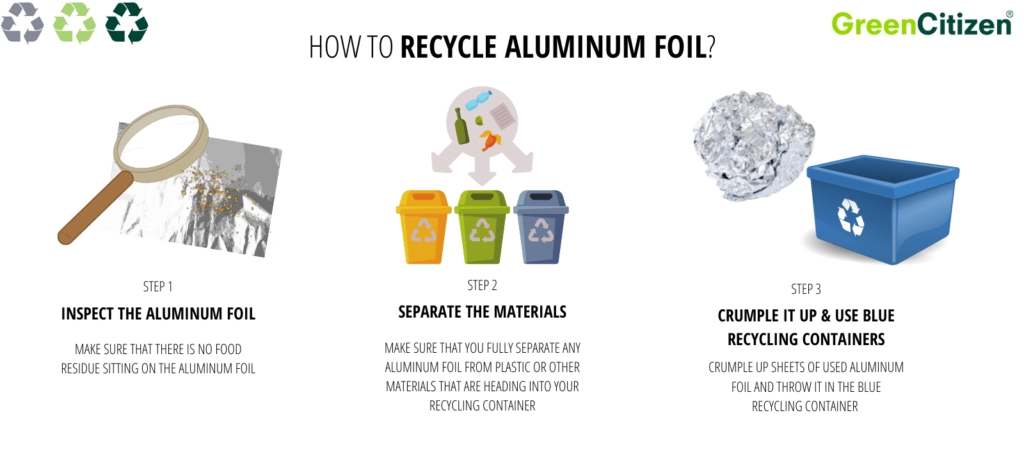
Recycling aluminum foil right starts with cleaning and prepping the foil to meet recycling facility standards. Here’s a clear step-by-step guide on how to recycle aluminum foil effectively—and what foils you should or shouldn’t toss in your recycling bin.
Step-by-Step Cleaning and Prepping Aluminum Foil for Recycling
-
Clean the foil
Make sure your aluminum foil is free of food residue, grease, or sauces. Dirty foil often gets rejected because contamination complicates recycling. A quick rinse or wipe off is usually enough.
-
Dry the foil
After washing, dry your foil completely. Wet foil can cause issues during processing and may result in rejection.
-
Roll or ball the foil
Large sheets or small scraps should be rolled tightly into balls about the size of a golf ball or bigger. This helps recycling facilities recognize and separate aluminum foil from other trash during sorting.
-
Sort separately if required
Some curbside programs ask you to keep aluminum foil separate from other recyclables or to drop it off at dedicated recycling centers. Check your local rules before mixing it with cans or paper.
What Aluminum Foil Products Can Be Recycled
- Clean aluminum foil sheets
- Foil balls formed from scrap foil
- Aluminum foil baking cups and cupcake liners (cleaned)
- Smooth foil packaging without food contamination
What Aluminum Foil Products Cannot Be Recycled
- Dirty or greasy aluminum foil that cannot be cleaned
- Foil trays or pans with heavy food residue (unless specifically accepted by your local recycler)
- Foil laminated paper or plastic wraps
- Foil with plastic coatings or mixed materials that hinder recycling processes
If you have aluminum foil trays or pans, some areas accept them if cleaned thoroughly, but many don’t because the mixed materials affect recycling quality. Always check local recycling guidelines to be sure.
Tips for Effective Aluminum Foil Recycling at Home and in Supermarkets
- Always clean foil before recycling—it avoids contamination that causes rejection at recycling plants.
- Roll scrunched foil into balls to make it easier for sorting machines.
- Inform supermarket staff and customers to reduce foil waste by encouraging reuse and recycling.
- Provide separate recycling bins for foil when possible, this improves collection efficiency.
- Educate about what foil can’t be recycled — it prevents contamination that can affect recycling loads.
By following these steps, you can help ensure aluminum foil actually gets recycled, saving energy and reducing waste in your community. Proper recycling also supports local waste management efforts and helps supermarkets reduce their environmental footprint.
Common Challenges and Misconceptions About Recycling Aluminum Foil
Why Many People Think Aluminum Foil Isn’t Recyclable
A big reason people doubt aluminum foil recycling is because dirty or crumpled foil often gets tossed in the trash. When foil is covered in food grease or stuck with leftover food, many assume it can’t be recycled. Also, aluminum foil is thin and lightweight, so it’s easy to overlook or mix up with non-recyclable waste. This creates a widespread belief that foil belongs in the landfill, even though clean aluminum foil is recyclable in many areas.
Contamination and Recycling Rejection Issues
One of the biggest hurdles in aluminum foil recycling is contamination. Grease, food scraps, or other debris stuck on foil can cause recyclers to reject it. Contaminated aluminum foil can jam recycling machines or lower the quality of recycled aluminum batches. Because of this, many recycling centers have strict guidelines demanding aluminum foil be clean and free of food residues before it’s accepted.
If foil is dirty and can’t be cleaned, it’s better to throw it away, as contaminated materials often end up harming the whole sorting process. This adds to the confusion about what can or cannot be recycled with aluminum foil products.
Differences Between Residential and Commercial Recycling Programs
Residential and commercial recycling programs handle aluminum foil differently. At home, most curbside recycling programs accept clean aluminum foil, but only if it’s properly prepared—meaning rolled into balls to prevent it from getting lost in sorting machines.
In contrast, commercial programs or supermarkets often have more advanced sorting systems and accept a wider range of aluminum products, including some types of aluminum trays and clean foil wraps. However, these facilities also require quality control to avoid contamination. Recycling rules vary a lot depending on your city or waste management provider, so it’s important to check local aluminum foil recycling guidelines.
Key Takeaways
- Clean aluminum foil is recyclable; dirty foil is usually not.
- Contamination is the main reason recyclers reject aluminum foil.
- Residential curbside programs are generally more limited than commercial programs.
- Always check your local aluminum foil recycling guidelines to be sure.
Understanding these challenges helps consumers and businesses recycle aluminum foil more effectively, reducing waste and supporting better recycling practices nationwide.
Environmental Impact of Recycling Aluminum Foil
Recycling aluminum foil is a smart move for both the environment and your community. Aluminum recycling saves up to 95% of the energy compared to making new aluminum from raw materials. This huge energy saving means less pollution and a smaller carbon footprint. When we recycle aluminum foil, we also cut down on the amount of waste sent to landfills, helping reduce landfill overflow and the environmental problems that come with it.
Benefits for Consumers and Businesses
Proper recycling of aluminum foil—making sure it’s clean and free of food scraps—allows it to be processed efficiently. Businesses like supermarkets and households can significantly reduce waste by following recycling guidelines for aluminum foil, including wrapping and trays. This not only supports local recycling efforts but also encourages a broader culture of sustainability.
Artfullife’s Role in Supporting Recycling Initiatives
At Artfullife, we take sustainability seriously. As supermarket suppliers, we promote the use of recycled aluminum products and encourage our partners to follow best recycling practices. We continuously support initiatives that improve aluminum foil waste management, making it easier for stores and customers across the U.S. to participate. Our commitment extends to educating on reducing aluminum foil waste and advancing sustainable kitchen solutions that benefit everyone.
Alternatives and Sustainable Practices for Aluminum Foil Use
Reusable Alternatives to Aluminum Foil
Looking to cut down on aluminum foil waste? Reusable options can make a big difference both at home and in supermarkets. Some of the best alternatives include:
- Silicone baking mats – Great for lining baking sheets, easy to clean, and durable.
- Beeswax wraps – Perfect for wrapping sandwiches, cheese, and snacks without plastic or foil waste.
- Glass or stainless steel containers – Ideal for storing leftovers or covering food, reducing the need for disposable foil.
- Reusable silicone lids or bowl covers – Fit a variety of container sizes and eliminate the need to wrap food in foil.
Switching to these alternatives not only reduces waste but helps businesses and households cut costs on disposable materials over time.
Tips for Reducing Aluminum Foil Use in Supermarkets and Households
Small changes add up when it comes to reducing foil waste. Here are some simple tips to lower aluminum foil consumption effectively:
- Buy food in bulk and store it in reusable containers rather than individually wrapped foil portions.
- Encourage shoppers to bring their own containers or wraps for deli and bulk items.
- Use reusable produce bags and storage containers instead of foil for short-term food storage.
- Opt for wax paper or parchment paper when possible, which can be composted or recycled more easily than aluminum foil, especially if dirty.
- Train staff at supermarkets to minimize foil use when packaging products, especially where other options are available.
These actions promote sustainable kitchen solutions that help decrease unnecessary foil waste in everyday operations.
Artfullife’s Role in Supporting Green Products and Waste Reduction
As a trusted supermarket supplier, Artfullife is committed to sustainability and waste reduction efforts across the supply chain. We focus on:
- Offering eco-friendly alternatives like reusable packaging and green kitchen supplies to our retail partners.
- Providing educational resources about proper waste management and aluminum foil recycling guidelines tailored for U.S. markets.
- Partnering with local recycling programs to improve the collection and recycling rates of aluminum foil and other materials.
- Supporting initiatives that encourage both consumers and businesses to reduce aluminum foil consumption and adopt recycled aluminum foil products when possible.
By promoting these practices, Artfullife helps supermarkets and households transition to more sustainable operations while keeping environmental impact low.
Reducing aluminum foil use doesn’t have to be complicated. With reusable options, better habits, and support from suppliers like Artfullife, we can all make a meaningful difference in managing aluminum foil waste properly.