














Are you looking to find the perfect PE food storage bag sizes for your kitchen or business? Choosing the right size can make a huge difference—not just in keeping your food fresh but also in reducing waste and saving space. Whether you’re storing leftovers, bulk ingredients, or snacks, knowing how to compare and select these bags is essential.
In this guide, you’ll discover the different polyethylene food storage bag sizes available, practical tips for picking the best one based on your needs, and why size truly matters when it comes to food preservation. Plus, we’ll show you how Artfullife offers a reliable range of bags designed to fit every storage situation perfectly.
Ready to find the right size? Let’s dive in!
What Are PE Food Storage Bags
Definition and Materials Used in PE Food Storage Bags
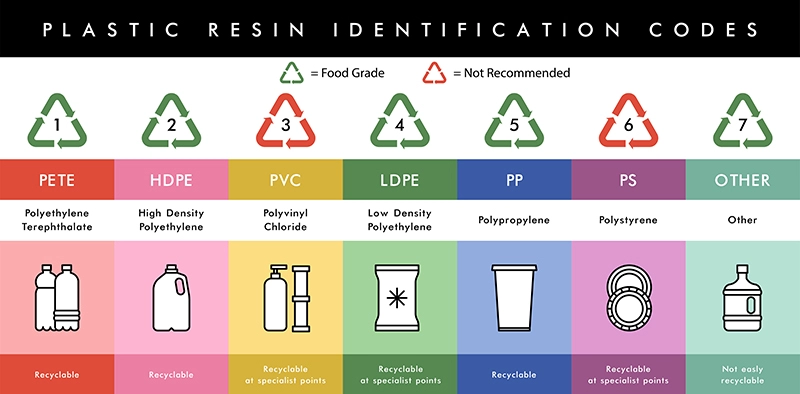
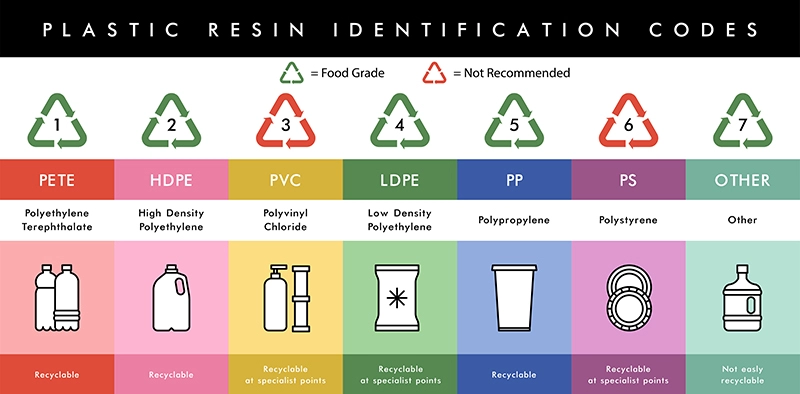
PE food storage bags are flexible containers made from polyethylene (PE), a type of durable plastic widely used for food preservation. Polyethylene is known for its chemical stability, moisture resistance, and non-toxicity, making it an ideal material for direct food contact. These bags come in various grades such as low-density polyethylene (LDPE) or high-density polyethylene (HDPE), with LDPE being the most common for food storage due to its flexibility and strength.
Common Uses for PE Food Storage Bags in Households and Retail
In homes, polyethylene food storage bags are popular for storing leftovers, packed lunches, snacks, and bulk food items. They help keep food fresh by protecting it from air exposure and moisture. In retail settings, PE bags are used for packaging fresh produce, baked goods, and other perishable products, ensuring hygiene and extending shelf life. Their clear design also allows easy visibility of contents, essential for both customer appeal and inventory management.
Benefits of PE Food Storage Bags
PE food storage bags offer several key advantages that make them a staple in kitchens and businesses:
- Durability: Resistant to tears and punctures, PE bags safely hold food without breaking, even during freezer storage or when filled with heavy items.
- Flexibility: These bags conform to the shape of the contents, saving space and making them easy to store.
- Food Safety Compliance: Made from FDA-approved materials, PE bags meet food contact safety standards, ensuring they do not leach harmful chemicals.
- Moisture and Air Barrier: They protect food from contamination, dryness, or freezer burn by limiting exposure to outside elements.
- Cost-effectiveness: PE bags are affordable and widely available, making them a practical choice for households and businesses alike.
Overall, polyethylene food storage bags combine performance and convenience, making them essential for everyday food preservation and safe storage solutions.
For a versatile selection of PE food storage bags meeting these standards, consider exploring Artfullife’s 240-piece food storage bag options known for quality and sustainability.
Standard PE Food Storage Bag Sizes Explained

When it comes to polyethylene food storage bags sizes, understanding the common size options helps you pick the right fit for your needs. PE bags typically come in small, medium, large, and extra-large sizes, each suited for different storage tasks.
Typical Size Ranges and Dimensions
-
Small bags: Around 4 x 6 inches
Ideal for snacks, nuts, herbs, or single servings. -
Medium bags: Approximately 6 x 9 inches
Perfect for sandwiches, small fruits, or vegetables. -
Large bags: Around 10 x 12 inches
Used for bulk storage, marinating, or freezing larger items. -
Extra-large bags: Sizes 12 x 15 inches or more
Great for storing big batches of food or multiple items together.
Common Packaging Sizes at Supermarkets and Wholesale Suppliers
Most supermarkets stock PE storage bags in packs of 50 to 240 bags, covering all these size categories. Wholesale suppliers like Artfullife provide a broad selection ranging from small snack-sized bags to extra-large freezer-ready options, often offering multi-pack deals that give good value for regular users.
Size Comparison Chart
| Size | Dimensions (inches) | Typical Use Cases |
|---|---|---|
| Small | 4 x 6 | Snacks, nuts, herbs |
| Medium | 6 x 9 | Sandwiches, fruits, vegetables |
| Large | 10 x 12 | Bulk food storage, marinating |
| Extra-Large | 12 x 15+ | Bulk items, freezer storage |
Using the right size makes a difference in food preservation, organization, and space management at home or for small business kitchens. For a reliable supply of various sizes, check out Artfullife’s PE food storage bag options, where you’ll find a full range designed for durability and ease of use.
How to Choose the Right PE Food Storage Bag Size for Your Needs
Picking the right size polyethylene food storage bag can make a big difference in how well you store and preserve your food. Here are some key points to consider before making your choice.
Consider the Food Type
Different foods need different bag sizes and types:
- Liquids: Choose bags with secure seals and enough space to prevent spills. Medium to large sizes work well for soups, sauces, or marinades.
- Solids: Small bags are perfect for herbs, nuts, or single servings, while bulkier items like vegetables or fruits demand medium or large bags.
- Bulk items: For storing larger quantities like bulk meats, frozen veggies, or multiple items, extra-large bags offer room and flexibility.
- Snacks and leftovers: Medium bags are best for snacks, sandwiches, or daily leftovers — enough space without wasting plastic.
Frequency of Use and Portion Control
Think about how often you use the bags and how much food you typically store:
- Daily use: For frequent storage needs, smaller to medium bags are handy and reduce waste.
- Batch prepping or bulk storage: Larger and extra-large bags help you organize bigger batches or freezer meals.
- Portion control: Choosing bag sizes that match your meal portions avoids food spoilage and saves space.
Storage Space and Sealing Features
Your available storage area affects size choice:
- Fridge and freezer size: Measure your storage spots—tall, narrow bags for shelves, wide bags for drawers or freezer trays.
- Sealing type: Bags with strong zip seals or double-lock closures provide better protection, especially for liquids and freezer storage.
- Space-saving: Smaller bags save room but might require more pieces if you store a lot; bigger bags reduce the number but need more space.
In , when picking PE food storage bags, weigh the type of food, how often you store it, and your kitchen storage options. This helps you pick sizes that keep food fresh, organized, and reduce waste effectively.
Comparing Popular PE Food Storage Bag Sizes for Food Storage
When choosing polyethylene (PE) food storage bags, size matters. Different sizes fit different needs, so understanding what each size works best for helps you get the most out of your purchase. Here’s a straightforward look at small, medium, large, and extra-large PE bag sizes with examples to guide your choice.
Small PE Food Storage Bags Best for Snacks and Herbs
Small PE bags usually measure around 4 x 6 inches, making them perfect for:
- Storing snacks, nuts, and dried herbs
- Portioning spices or condiment packets
- Packing small school or work snacks
Pros: Compact, easy to carry, low waste
Cons: Not suitable for bulky or wet items like marinated food
Medium PE Food Storage Bags Suitable for Sandwiches and Produce
Medium bags often come in sizes like 6 x 9 or 7 x 10 inches and work well for:
- Sandwiches and quick snacks
- Holding fruits like berries or sliced veggies
- Organizing small meals or leftovers
Pros: Versatile size for everyday use, fits standard lunch needs
Cons: Limited bulk capacity; may require multiple bags for larger quantities
Large PE Food Storage Bags Ideal for Bulk Storage and Freezer Use
Large bags, typically 10 x 15 inches or slightly bigger, are great for:
- Storing bulk items like meat cuts or large veggie batches
- Marinating foods thanks to ample space
- Freezer storage of multiple meal prep items
Pros: Holds more, reduces packaging waste, freezer safe
Cons: Takes up more space, not ideal for small portion needs
Extra-Large PE Food Storage Bags for Bulk Food or Multiple Items
Extra-large sizes go beyond 12 x 18 inches and allow you to:
- Store large quantities of food for families or small businesses
- Pack multiple smaller bags inside for organization
- Freeze big roasts, turkeys, or bulk-bought products
Pros: Maximum capacity, ideal for batch cooking or commercial use
Cons: Requires significant storage space, heavier to handle
of Size Pros and Cons for PE Food Storage Bags
| Size Category | Best Use Cases | Pros | Cons |
|---|---|---|---|
| Small | Snacks, nuts, herbs | Compact, low waste | Not for bulky/wet foods |
| Medium | Sandwiches, fruits, leftovers | Versatile, everyday use | Limited bulk capacity |
| Large | Bulk storage, marinating, freezer | More storage, freezer safe | Larger storage space needed |
| Extra Large | Bulk food, multiple items | Max capacity, great for batch | Heavy, takes up a lot of space |
Choosing the right PE food storage bag size depends on what you store most and how you use your bags day to day. Keep these pros and cons in mind to pick the best bags for your kitchen or business needs.
Artfullife PE Food Storage Bag Range Size Options and Benefits
Artfullife offers a wide range of polyethylene food storage bag sizes suited for various needs, from everyday household use to small business and restaurant applications. Their selection includes small, medium, large, and extra-large bags, designed to cover everything from snack storage to bulk food preservation. Here’s a closer look at what Artfullife brings to the table and why their bags stand out in the U.S. market.
Size Options Available Through Artfullife
- Small bags (approx. 4×6 inches): Ideal for nuts, herbs, and small portions.
- Medium bags (approx. 6×9 inches): Perfect for sandwiches, fruits, and vegetables.
- Large bags (approx. 9×12 inches): Great for freezer storage, marinating, and bulk food.
- Extra-large bags (up to 12×15 inches or more): Best for storing multiple items or large batches of food.
Artfullife also offers bulk packaging options, which are common in supermarkets and wholesale settings, allowing customers to save without sacrificing quality.
Unique Selling Points Quality and Environmental Considerations
- High durability and flexibility: Artfullife’s PE bags are thick enough to resist tears and punctures, making them reliable for storing liquids and heavy items.
- Food safe and compliant: Their bags meet U.S. FDA standards for food contact, ensuring safe preservation.
- Environmentally conscious options: Artfullife supports sustainability by offering recyclable and reusable polyethylene bags, which help reduce plastic waste.
- Positive customer feedback: Users appreciate the consistent quality, reliable sealing features, and size variety that fits everyday needs.
Recommendations for Different Customer Segments
- Families: Small to medium bags are best for daily snacks, leftovers, and portioned meals, keeping food fresh and organized.
- Small businesses: Medium and large bags are ideal for sandwich shops, produce vendors, or those packaging bulk items, as they save storage space and provide easy sealing.
- Restaurants: Large and extra-large PE food storage bags cater to bulk food prep, marinating, and freezer storage, streamlining kitchen operations.
Whether you’re storing a quick snack or prepping for a large event, Artfullife’s polyethylene food storage bags offer versatile sizes with quality and sustainability geared toward the demands of U.S. customers.
Tips for Maximizing the Use of PE Food Storage Bags
Using PE food storage bags efficiently can save space, prevent food waste, and keep your kitchen organized. Here are some straightforward tips to get the most out of your polyethylene bags when storing different types of food.
Proper Sealing Techniques for Different Size Bags
- Small and medium bags usually come with a zip-lock feature. Make sure to press down along the entire seal to avoid air leaks, which can lead to spoilage.
- For large and extra-large bags without a zipper, folding the opening tightly and using a clip or twist tie helps maintain freshness.
- When storing liquids, double-bagging can prevent leaks and spills.
- Always expel as much air as possible before sealing to reduce freezer burn or moisture build-up.
Labeling and Organization Tips by Bag Size
- Small bags are ideal for portion control—label with dates and contents to keep track of snacks, herbs, or nuts.
- With medium bags, label by meal or type, like “sandwiches” or “fresh veggies,” to easily spot what you need.
- For large and extra-large bags, use waterproof markers on white labels or masking tape. This is especially helpful when freezing bulk items or marinated foods that might look similar.
- Organize your bags by size and purpose in pantry or fridge drawers to streamline meal prep and reduce food waste.
Best Practices for Freezing and Thawing Using Appropriate Bag Sizes
- Choose bag sizes that match your portion—large bags for bulk storage or marinating, small ones for single servings. Avoid overpacking to ensure even freezing.
- Lay bags flat while freezing to save space and speed up thawing.
- Thaw food in the refrigerator when possible; this maintains quality better than room temperature thawing.
- Use bags labeled freezer-safe to resist cracking or breaking at low temperatures.
- Rotate bags by date, placing newer bags behind older ones to use up food efficiently.
By mastering sealing, labeling, and selecting the right PE food storage bag sizes, you’ll enhance food preservation, keep your kitchen neat, and extend the life of your groceries.
Environmental Impact and Choosing Eco-Friendly PE Food Storage Bags
When it comes to polyethylene food storage bags sizes, understanding the environmental impact is just as important as picking the right size for your needs. PE bags are widely recyclable in many local programs across the United States, but the ease of recycling can vary depending on the bag size and type.
PE Recycling and Bag Sizes
- Larger PE food storage bags tend to be thicker and more durable. This can sometimes make them more suitable for recycling because they hold up better through the recycling process.
- Smaller bags, especially ultra-thin snack or sandwich bags, often pose challenges for recycling centers. They can easily get caught in machinery, which is why many places recommend collecting and recycling these bags through special plastic bag drop-off points, like at grocery stores.
- Bulkier bags, such as those used for freezer or bulk food storage, often have higher plastic content but may last longer, helping reduce overall waste by extending the life of your stored food.
How Artfullife Supports Sustainability
Artfullife is a supermarket supplier that really gets the importance of sustainable food storage. They focus on offering reusable polyethylene bags for food storage with the environment in mind. Here’s how they stand out:
- Quality and durability mean their bags can be washed and reused multiple times, reducing single-use plastic waste.
- They actively promote PE recycling programs and provide clear guidance on how to properly dispose of or recycle their bags.
- Artfullife is also working to offer environmentally friendly options, such as bags made from recycled PE materials, helping to close the loop on plastic use.
- By balancing bag size variety with sustainability, Artfullife ensures customers in the U.S. can choose the right size—whether small, medium, or extra-large—without compromising on eco-consciousness.
Choosing Eco-Friendly PE Food Storage Bags
When selecting bags, keep these tips in mind:
- Opt for bags that are sturdy enough to reuse frequently, regardless of size.
- Use larger bags for batch storage to minimize the need for multiple smaller bags and cut down on plastic usage.
- If you use smaller bags regularly, consider bulk packaging options that reduce overall waste.
- Always check local recycling guidelines to know which sizes and types of PE bags are accepted.
In short, choosing the right PE food storage bag size plays a role in reducing environmental impact. By picking durable, reusable bags from responsible suppliers like Artfullife, you help support sustainability while keeping your food fresh and safe.