
















Are you searching for eco-friendly PE bags for food businesses that combine sustainability with top-notch food safety? Whether you run a restaurant, cater a large event, or manage a supermarket, switching to the right packaging can make a real difference—for your brand and the planet.
In this post, you’ll discover what sets eco-friendly polyethylene (PE) bags apart, why they’re ideal for the food industry, and how they help you meet strict hygiene standards without compromising on durability or convenience. Plus, we’ll show you how to find dependable suppliers to support your sustainability goals.
If you want to reduce your environmental footprint while keeping your food packaging practical and compliant, this guide is for you. Let’s get started!
PE Bags and Their Impact on Food Businesses
What Are Polyethylene PE Bags
Polyethylene (PE) bags are one of the most common types of food-grade plastic bags used in the food industry. They are made from polymers of ethylene, a widely available raw material. Two main types of PE bags are:
-
Low-Density Polyethylene (LDPE)
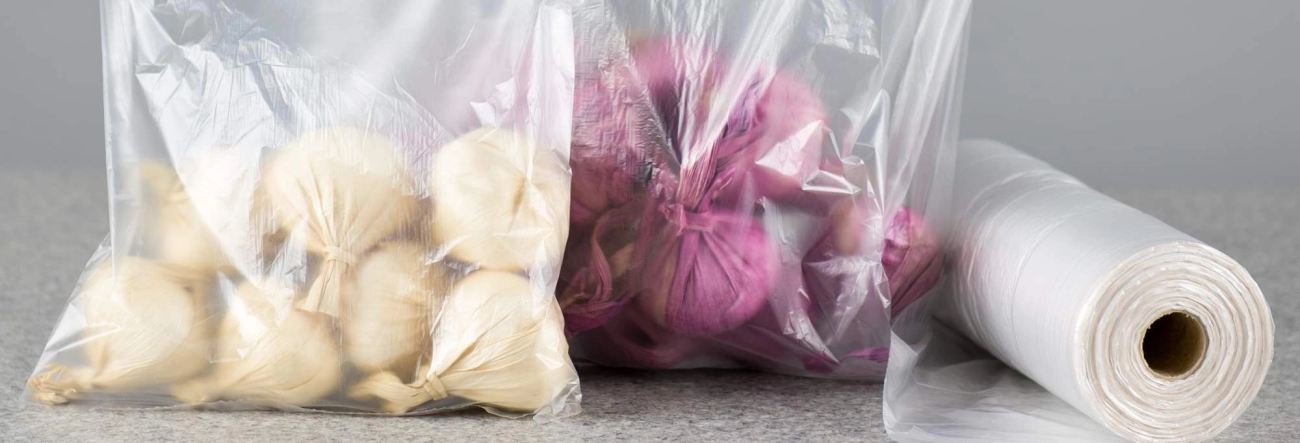
Flexible, soft, and transparent. Ideal for packaging fresh produce, bakery items, and deli products because of its moisture resistance and stretchability.
-
High-Density Polyethylene (HDPE)
Stronger and more rigid than LDPE. Commonly used for grocery bags, meat packaging, and heavier food items due to its durability and puncture resistance.
Both types are favored because they are lightweight, seal tightly, and maintain food freshness.
Common Uses of PE Bags in Food Businesses
PE bags are central to daily operations in food-related businesses, including:
- Supermarkets and grocery stores for fruits, vegetables, and bulk foods
- Restaurants and cafes for takeout food packaging and delivery bags
- Bakeries for wrapping bread, pastries, and confections
- Food processors and caterers for portion control and transport of ingredients
Their versatility, affordability, and compliance with FDA food-safe plastic bag standards make them a trusted choice.
Environmental Issues Associated With Traditional PE Bags
While PE bags serve essential roles, traditional polyethylene bags pose significant environmental challenges:
-
Non-biodegradability
Most PE bags resist natural degradation, persisting in landfills and oceans for hundreds of years.
-
Waste Accumulation
Single-use plastic bags contribute heavily to pollution. They clog waterways, harm wildlife, and add to the growing mountain of plastic waste.
-
Resource Consumption
Production relies on fossil fuels and energy-intensive processes, increasing the carbon footprint of food packaging.
-
Recycling Challenges
Although recyclable, PE bags are often contaminated with food residues, making recycling inefficient in many local facilities.
Recognizing these issues, food businesses are increasingly seeking sustainable food packaging solutions that reduce environmental impact without compromising food safety or usability.
What Makes PE Bags Eco-Friendly for Food Businesses

Eco-friendly PE bags are designed to reduce environmental impact while meeting food packaging needs. In simple terms, these are polyethylene bags made with sustainable materials or enhanced features that make them better for the planet compared to traditional plastic bags.
Materials and Features That Define Eco-Friendly PE Bags
Several factors qualify PE bags as eco-friendly in the food industry:
- Biodegradable additives: These help the plastic break down more quickly under the right conditions, reducing long-term waste.
- Recycled content: Using post-consumer or industrial recycled polyethylene lowers the demand for virgin plastic, cutting carbon emissions and preserving resources.
- Compostable coatings: Some eco-friendly PE bags include coatings that enable composting where facilities exist, adding another layer of sustainability.
- Reduced thickness and optimized design: Thinner, stronger bags use less material without sacrificing performance, leading to less plastic waste overall.
Certifications and Food Safety Standards
When choosing eco-friendly PE bags for food packaging, compliance with strict safety and regulatory standards is crucial:
- In the United States, food-grade PE bags must meet FDA food-safe plastic bag requirements to ensure they don’t contaminate food.
- In Europe, EU food safety regulations govern materials that come into direct contact with food, covering additives, migration limits, and overall safety.
- Certifications like OK compost, USDA Biobased Product label, or similar eco-labels signal verified environmental benefits and food safety.
Comparing Eco-Friendly PE Bags with Other Green Alternatives
While other green packaging options like PLA (polylactic acid) bags or paper bags are widely used, eco-friendly PE bags have unique advantages:
| Feature | Eco-Friendly PE Bags | PLA Bags | Paper Bags |
|---|---|---|---|
| Durability & Flexibility | High, ideal for wet or oily foods | Moderate, can lose strength when wet | Lower, prone to tearing |
| Biodegradability | Enhanced through additives or compostable coatings | Fully biodegradable under industrial composting | Biodegradable, but impacts vary |
| Food Safety | FDA and EU compliant, food-grade plastics | Generally safe but requires certification | Safe, often untreated |
| Environmental Impact | Recycled content lowers footprint | Made from renewable resources | Renewable but resource-intensive |
| Cost and Scalability | Affordable, easily integrated into current systems | Higher costs, less scalable | Variable, depends on quality |
For many food businesses in the U.S., eco-friendly PE bags strike the right balance between environmental responsibility, food safety, and practicality. This makes them a smart choice for sustainable food packaging solutions.
Want to explore durable and eco-friendly PE options? Check out these durable PE bags for food packaging designed specifically with sustainability in mind.
Benefits of Eco-Friendly PE Bags for Food Businesses
Switching to eco-friendly PE bags for food businesses brings several key advantages that go beyond just packaging. Here’s why these bags are a smart choice for your operation in the US market:
Environmental Advantages
- Reduced carbon footprint: Eco-friendly PE bags often use recycled materials or biodegradable additives, lowering the overall emissions tied to production and disposal.
- Better waste management: With compostable coatings and biodegradability, these bags help cut down long-lasting plastic waste in landfills, making it easier for local recycling and composting programs to handle them.
Compliance with Food Safety and Hygiene
- Most eco-friendly PE bags adhere to FDA and EU food safety standards, ensuring they are safe for direct food contact.
- Using food-grade plastic bags with eco-certifications means you maintain hygiene and comply with regulatory requirements, avoiding potential health risks or legal issues.
Enhanced Brand Image and Customer Appeal
- Switching to sustainable food packaging solutions sends a clear message to your customers that you care about the environment.
- This boosts your brand’s reputation, attracts eco-conscious consumers, and differentiates your business in a competitive local market.
Durability Flexibility and Practicality
- Despite being eco-friendly, these PE bags do not compromise on performance.
- They offer strength, flexibility, and moisture resistance necessary for various food packaging uses – from groceries to takeout.
- Different thicknesses and sizes are available to fit specific business needs without sacrificing convenience.
Cost Effectiveness and Scalability
- While eco-friendly PE bags may cost a bit more upfront than traditional options, the long-term savings from waste reduction and improved compliance often balance it out.
- Many manufacturers, including local suppliers in the US, offer scalable options that make these bags affordable for small cafes as well as large supermarkets.
- Investing in these bags means you support a sustainable supply chain and reduce costs tied to waste disposal and regulatory non-compliance.
Switching to eco-friendly disposable bags tailored for the food industry is a smart choice for businesses balancing stewardship, safety, and operational needs.
Applications of Eco-Friendly PE Bags for Food Businesses
Eco-friendly PE bags are becoming a staple across many sectors in the food industry. Their versatility and sustainability make them a smart choice for businesses looking to reduce their environmental footprint without compromising on quality or safety.
Supermarkets and Grocery Stores
Supermarkets rely heavily on plastic bags for packaging fresh produce, bulk items, and ready-to-eat foods. Eco-friendly PE bags with recycled content or biodegradable additives offer a great alternative to traditional plastic. They help reduce plastic waste while maintaining the durability needed for carrying different types of food, from fruits and vegetables to baked goods.
Food Delivery and Takeout Packaging
With the growth of food delivery and takeout services, eco-friendly packaging has become essential. These bags are perfect for food-safe plastic bags environment needs since they can safely hold hot, cold, or greasy food items without breaking down prematurely. Using biodegradable or compostable PE bags helps food businesses meet consumer demand for sustainable options while ensuring food safety and convenience.
Bakeries Cafes and Restaurants
For bakeries, cafes, and restaurants, biodegradable polyethylene bags provide a reliable way to package baked goods, sandwiches, and snacks. These bags protect food from contamination and moisture, keeping products fresh. Plus, using eco-friendly disposable bags adds an extra layer of appeal for environmentally aware customers.
Catering Services and Food Processing Companies
Catering services and food processors need packaging that can handle large volumes, often under strict hygiene standards. Recycled plastic bags for food industry use are not just eco-conscious—they’re practical for handling different food types and textures. These bags comply with FDA food-safe plastic bags standards, making them ideal for safe, sustainable packaging solutions during food transport and storage.
Key benefits at a glance:
- Reduce plastic waste in high-volume packaging
- Maintain food safety and hygiene for direct food contact
- Improve brand image with green packaging for supermarkets and food outlets
- Help comply with local and federal environmental regulations
Switching to eco-friendly PE bags in these sectors isn’t just good for the planet—it’s a smart business move that aligns with growing sustainability trends in the U.S. food market.
Choosing the Right Eco-Friendly PE Bags for Food Businesses
Selecting the best eco-friendly PE bags for food businesses means focusing on a few key features that ensure quality, safety, and usability. Here’s what you need to look for:
Key Product Features
- Thickness and Tensile Strength: Durable bags protect food better. Look for bags with enough thickness to avoid tears but still flexible enough for easy handling.
- Food-Safe Certification: Always check for FDA approval or compliance with EU food safety standards. This guarantees the bags are safe for direct food contact and won’t contaminate.
- Biodegradability and Recycled Content: Bags with certified biodegradable additives or a high percentage of recycled plastic help lower environmental impact.
Customization Options
- Sizes and Prints: Different food businesses need different bag sizes. Options for custom printing help brand visibility and product differentiation.
- Handles and Closures: Choose bags with practical handle styles or resealable coatings according to your needs, from grocery stores to takeout or bakery items.
Supplier Criteria to Consider
- Reliability and Product Range: Work with suppliers who can consistently deliver a wide range of eco-friendly polyethylene bags, including compostable and recycled plastic options.
- Eco-Certifications: Pick suppliers committed to sustainability, verified through certifications like USDA Biobased or other recognized eco-labels.
Why Choose Artfullife for Eco-Friendly PE Bags
Artfullife stands out as a trusted plastic bag supplier for food businesses across the US, especially supermarkets and local food retailers. Here’s why:
- Commitment to Sustainability: Artfullife prioritizes environmentally responsible packaging with a strong focus on biodegradable and recycled polyethylene bags.
- High Product Quality: Their food-grade plastic bags meet strict safety standards, ensuring your food stays protected and fresh.
- Local Availability and Support: With easy access and responsive service, Artfullife supports businesses of all sizes in switching to sustainable food packaging solutions.
By choosing the right eco-friendly PE bags from a reliable supplier like Artfullife, your food business can balance environmental responsibility with practical, cost-effective packaging needs.
Sustainable Practices Beyond Eco Friendly PE Bags for Food Businesses
Using eco-friendly PE bags for food businesses is a solid step toward sustainability, but it’s just one part of a bigger picture. To truly make an impact, food businesses need to adopt other green practices that complement sustainable packaging. Here’s how you can extend your commitment beyond just the bags:
Encourage Recycling and Proper Disposal
• Set up clear recycling stations on-site with labeled bins for plastics, compostables, and general waste. This helps staff and customers dispose of packaging correctly.
• Promote bag reuse and recycling by offering incentives like discounts on refills or loyalty programs encouraging eco-friendly behavior.
• Work with local waste management services to understand which types of eco-friendly polyethylene bags and packaging your area accepts and how to sort them properly.
Educate Staff and Customers on Sustainability
• Train your team about the benefits and correct use of biodegradable polyethylene bags and other sustainable food packaging solutions. This ensures proper handling and reduces contamination risks.
• Share simple sustainability tips with your customers through signage, social media, or packaging labels. For example, instructions on composting or recycling can boost responsible disposal habits.
• Highlight your green efforts as part of your brand story. Transparency about your sustainable sourcing, packaging choices, and waste reduction motivates others to support eco-conscious businesses.
Integrate Sustainable Practices Within Operations
• Reduce single-use items beyond bags—think biodegradable utensils, paper straws, or compostable containers.
• Optimize inventory and ordering to reduce food waste alongside packaging waste.
• Switch to energy-efficient appliances and sustainable cleaning products to lower your overall environmental footprint.
By combining eco-friendly disposable bags with these practical sustainability measures, food businesses not only shrink their environmental impact but also strengthen their reputation among the growing number of eco-aware consumers in the US market. It’s about building a culture of sustainability, from front-of-house to back-of-house, that complements your green packaging choices.
Eco-friendly PE Bags for Food Businesses FAQs
Here are answers to some common questions about eco-friendly PE bags and their use in the food industry. These insights will help you understand their safety, environmental impact, and costs better.
Are eco-friendly PE bags safe for direct food contact
Yes, eco-friendly PE bags designed for food use meet strict safety standards. Most are:
- Compliant with FDA food-safe plastic bag regulations in the US.
- Tested to ensure no harmful chemicals leach into food.
- Suitable for packaging fresh produce, baked goods, and ready-to-eat meals.
Always check for food-grade certification on the product to ensure it’s safe for your specific use.
How long do eco-friendly PE bags take to degrade
The degradation time varies based on the bag type and environmental conditions. Generally:
- Biodegradable polyethylene bags start breaking down within months in industrial composting facilities.
- Compostable PE bags with added coatings or additives degrade faster than traditional plastics.
- In regular landfill conditions, degradation can be slower due to limited oxygen.
Using compostable PE bags for food ensures faster breakdown when disposed of properly.
Can these bags be recycled in local facilities
Recycling depends on your local waste management rules:
- Many eco-friendly PE bags contain recycled plastic content, which supports the recycling loop.
- Some bags, especially those with compostable coatings, might not be accepted in standard plastic recycling.
- It’s important to check if your local facility accepts biodegradable plastic bags.
Encouraging customers to dispose of bags correctly, either through composting or recycling, improves waste management.
Are eco-friendly PE bags more expensive than traditional PE bags
The cost is a bit higher but increasingly affordable due to:
- Advances in sustainable food packaging solutions.
- Bulk purchasing and supplier support lowering prices for food businesses.
- Long-term savings through enhanced brand appeal and compliance with environmental regulations.
Eco-friendly PE bags offer a practical, cost-effective option with clear benefits over traditional plastic in the US market.
Choosing eco-friendly bags means investing in a cleaner planet and a stronger business image while keeping food safe and fresh.