















Are you looking for food-safe PE packaging for households that keeps your food fresh and safe every time? Choosing the right packaging isn’t just about convenience — it’s about protecting your family’s health and reducing waste in your kitchen.
Polyethylene (PE) packaging has become a go-to solution for many households because it’s durable, versatile, and meets strict safety standards to ensure your food stays uncontaminated. But with so many options on the market, how do you know which PE products are truly safe and practical for your everyday food storage needs?
In this guide, you’ll discover what makes PE packaging food-safe, why it’s a smart choice for your home, and how to pick the best types for everything from fresh veggies to leftovers. Plus, you’ll learn how Artfullife can help you find trusted, high-quality PE packaging designed specifically for household use.
Ready to simplify your food storage while keeping safety a top priority? Let’s get started!
What is Food-Safe PE Packaging
When you think about storing food at home safely, the material that touches your food matters a lot. Food-safe PE packaging refers to polyethylene plastic products designed and certified to meet strict safety standards for food contact. Let’s break down what PE is, its common types, the food safety standards involved, and why PE is trusted for household food storage.
Understanding Polyethylene and Its Common Types
Polyethylene (PE) is one of the most widely used plastics worldwide, especially for food packaging. It’s a polymer made from ethylene gas, known for its flexibility, durability, and chemical resistance. PE comes in several forms, but the most relevant for food packaging are:
- HDPE (High-Density Polyethylene): Strong and rigid, used for containers like milk jugs and food storage bins.
- LDPE (Low-Density Polyethylene): Flexible and transparent, commonly found in bags, cling films, and wraps.
- LLDPE (Linear Low-Density Polyethylene): Combines strength and flexibility, often used in stretch films and resealable bags.
Each type offers unique properties ideal for different household food storage needs.
Food-Safe Standards and Certification Bodies
Food safety regulations ensure the materials used in packaging won’t harm your health or contaminate the food. The main authorities setting these standards include:
- FDA (Food and Drug Administration): In the United States, the FDA regulates materials approved for direct food contact. PE packaging that meets FDA standards is labeled FDA approved PE food packaging.
- European Food Safety Authority (EFSA): In Europe, EFSA oversees food-contact materials under strict guidelines.
- Other national and international standards often refer to or align with these bodies.
Manufacturers must test and certify PE packaging for compliance with these regulations before marketing them for food use.
Why PE Qualifies as a Food-Safe Material
Polyethylene is widely accepted as food-grade polyethylene packaging because of several key reasons:
- Non-toxic and inert: PE doesn’t release harmful chemicals or odors into food.
- Chemical resistance: It resists acids and bases, making it safe for a wide variety of foods.
- Stable under normal temperature conditions: It withstands freezing and refrigeration without degrading.
- Versatile and reliable: PE can be produced in clean, food-grade environments and certified easily.
Because of these qualities, PE packaging has become a trusted choice for safe plastic food containers for home use and everyday kitchen applications.
food-safe PE packaging combines the proven safety of polyethylene with stringent regulatory approval to give you peace of mind for household food storage. Next, we’ll explore why choosing PE for your kitchen storage needs can be a smart, convenient choice.
Why Choose Food-Safe PE Packaging for Household Food Storage

When it comes to food-safe polyethylene (PE) packaging, choosing the right material for your household food storage is important. PE stands out because of its non-toxic nature and strong chemical resistance, ensuring your food stays safe without any harmful substances leaching into it.
Non-Toxic and Chemically Resistant
PE packaging is made from food-grade polyethylene, which means it doesn’t contain BPA, phthalates, or other risky chemicals often found in lower-quality plastics. This chemical resistance helps protect your food from contamination caused by moisture, oils, and acids found in many household foods.
Versatility in Household Use
One of the biggest perks of PE packaging is its versatility. Whether you need resealable bags, cling films, containers, or food wraps, PE adapts to all forms of household food storage. It works well for everything—from storing leftovers to wrapping fresh produce or freezing meals. This flexibility makes it a top choice among safe plastic food containers for home use.
Durability and Flexibility for Daily Use
PE packaging is durable yet flexible, which means it can withstand typical kitchen mishaps like tearing or puncturing better than many alternatives. It doesn’t crack like glass or tear unpredictably like paper. Plus, its flexibility helps it fit various food shapes and sizes, reducing waste and preventing spoilage.
Benefits Compared to Other Packaging Materials
Compared to glass, PE packaging is lightweight and won’t break, making it safer and easier to handle, especially in homes with kids. Unlike paper, it protects food from moisture and air, keeping freshness locked in longer. When stacked against other plastics, PE is often preferred because it’s widely recognized as FDA approved PE food packaging and holds up well without extra chemicals or additives.
In short, food-grade polyethylene packaging offers a reliable, safe, and convenient way to store household food while preserving quality and simplifying everyday kitchen life.
Common Forms of Food-Safe PE Packaging for Households
When it comes to food-safe PE packaging for home use, there are several popular types designed to keep your food fresh, safe, and organized. Understanding these common forms helps you pick the best option for your household food storage needs.
Resealable PE Bags and Pouches
One of the most convenient types is the resealable polyethylene bags and pouches. These are widely used for storing snacks, leftovers, and bulk items. Their airtight seal helps maintain freshness and prevents spills. Many of these bags are FDA approved PE food packaging, giving you confidence that they’re safe for direct contact with food.
PE Cling Films and Wraps
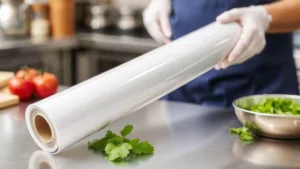
PE cling films or wraps are perfect for covering bowls, plates, or cutting fruits and veggies. Unlike PVC wraps, PE wraps are less likely to leach chemicals, making them a safer choice for kitchen use. They offer flexibility and breathability, ideal for short-term storage or covering food during prep.
PE Containers and Trays
For those who prefer rigid options, PE containers and trays provide sturdy storage solutions. These are great for deli items, meal prep, or storing wet and dry foods. Made from high-density polyethylene (HDPE) or sometimes low-density polyethylene (LDPE), these containers are easy to clean, microwave-safe depending on the product, and recyclable.
Vacuum-Sealed PE Bags for Preserving Freshness
Vacuum-sealed bags made of food-grade PE are excellent for longer-term storage, especially for meats, cheeses, and perishable goods. Removing air helps reduce spoilage and freezer burn. Many households use vacuum sealing PE bags as part of their food preservation routine, relying on the non-toxic and chemical-resistant properties of PE packaging.
By choosing the right form of food-safe polyethylene packaging, you ensure your food stays fresh longer, reducing waste and saving money. Whether you need reusable bags, cling wrap, or sturdy containers, PE packaging fits many household storage needs safely and efficiently.
How to Identify and Choose Food-Safe PE Packaging for Households
Choosing the right food-safe PE packaging is key to keeping your food fresh and safe. Here’s how you can spot the best options and pick the packaging that fits your needs.
Check Labels and Certifications
Always look for clear labels and certifications that confirm the packaging is food-grade. In the U.S., this usually means:
- FDA approved PE food packaging marks
- Certifications indicating compliance with EU or local food safety standards
- Symbols like the food-safe emblem or resin identification codes for polyethylene (usually #2 for HDPE, #4 for LDPE)
These certifications mean the packaging has passed tests ensuring no harmful chemicals will leach into your food.
Consider Thickness Size and Usability
The right thickness and size matter:
- Thicker PE bags and films offer better protection for wet and perishable foods, especially if you’re freezing or vacuum sealing.
- Thinner films work well for dry goods or short-term storage but might tear easily.
- Choose sizes that fit your storage needs, whether small snack bags or large containers.
- Look for features like resealable zippers or easy-tear edges that enhance daily use in the kitchen.
Tips for Choosing Packaging by Food Type
Different foods need different packaging:
| Food Type | Recommended PE Packaging | Key Features |
|---|---|---|
| Dry foods | Thin PE bags or pouches | Lightweight, breathable to prevent moisture buildup |
| Wet foods | Thicker PE resealable bags or containers | Leak-proof, chemical resistant, easy to clean |
| Perishable foods | Vacuum-sealed PE bags or sturdy containers | Keeps air out to maintain freshness |
| Non-perishable | Basic PE bags or films | Simple protection from dust and contaminants |
Using the right packaging not only protects your food but also extends its shelf life safely.
- Always verify food-grade certifications before buying PE packaging.
- Match thickness and size to the type of food you’re storing.
- Prioritize user-friendly features like resealability and durability.
- Tailor your choice based on whether the food is dry, wet, perishable, or non-perishable to ensure safety and freshness.
By following these straightforward steps, you can confidently select the right safe plastic food containers for home use that meet your family’s everyday storage needs.
Safe Usage Tips for Food-Safe PE Packaging in Household Food Storage
Using food-safe PE packaging properly at home is key to keeping your food fresh and safe. Here are some straightforward tips to get the most out of your polyethylene bags, wraps, and containers while avoiding contamination and spoilage.
Proper Handling and Storage Guidelines
- Keep packaging clean and dry before use to prevent bacterial growth.
- Avoid reusing single-use PE bags, especially after storing raw meat or fish, to reduce cross-contamination risks.
- Always seal PE bags and containers tightly to keep air and moisture out, which prolongs freshness.
- Store packaged food in a cool, dry place away from direct sunlight, as UV exposure can degrade PE material over time.
- When using resealable PE bags or vacuum-sealed options, make sure the seals are intact and undamaged.
Temperature Considerations for PE Food Packaging
- Most FDA approved PE food packaging is freezer-safe, making it ideal for storing meats, leftovers, and prepared meals in the freezer without cracking or leaking.
- When it comes to microwaving, only use PE films and containers that specify microwave-safe labeling. Not all PE packaging tolerates heat well, and improper use can cause melting or leaching.
- Avoid exposing PE packaging to direct heat sources like stovetops or ovens, which can damage the material and contaminate food.
- Check packaging thickness and type for temperature limits, especially when freezing or microwaving, as thicker PE bags tend to be more durable under temperature extremes.
Preventing Contamination and Food Spoilage
- Separate foods by type within PE bags to prevent cross-contamination — especially raw and cooked foods.
- Use food-grade polyethylene packaging specifically designed for dry, wet, perishable, and non-perishable foods to match storage needs.
- Always label and date packaged foods to keep track of freshness and avoid unnecessary waste.
- Clean your storage containers regularly with mild soap and warm water; avoid abrasive cleaners that can damage the PE surface.
- Don’t overcrowd your storage bags or containers, as restricted airflow can speed up spoilage, even when sealed.
By following these simple but effective steps, you can maximize the safety and durability of food-safe PE packaging in your household. It’s all about using the right product, storing it properly, and respecting the temperature guidelines to keep your food fresh and your family safe.
Sustainability and Disposal of Food-Safe PE Packaging
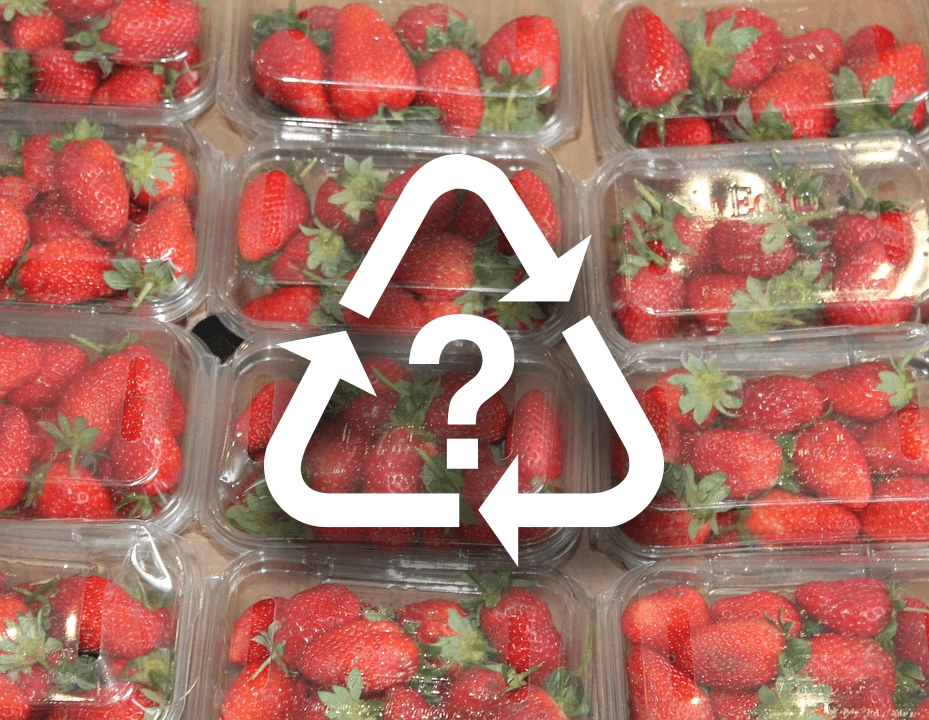
When it comes to food-safe PE packaging, one common question is whether these materials are recyclable. The good news is that polyethylene (PE) packaging is widely recyclable, making it a practical choice for household food storage with sustainability in mind.
Is Food-Safe PE Packaging Recyclable
- PE plastics like HDPE, LDPE, and LLDPE are accepted by most curbside recycling programs in the United States.
- Items such as food-safe PE bags, cling films, and containers can usually be recycled, but it’s vital to check local recycling rules because acceptance can vary.
- To help recycling, make sure packaging is clean and free of food residue before disposal.
Guidelines for Recycling PE at Home
To recycle your PE packaging effectively, follow these tips:
- Rinse or wipe clean any food containers or bags.
- Remove non-PE parts like labels, tape, or metal clips that might contaminate the recycling process.
- Flatten or fold PE bags and films to save space and avoid tangling in recycling machines.
- Drop off PE packaging at designated collection points if curbside pickup is not available for soft plastics.
Eco-Friendly PE Packaging Options
At Artfullife, you’ll find eco-friendly PE packaging solutions designed with sustainability in mind, including:
- Recyclable polyethylene food packaging made from high-quality, food-grade materials.
- Options that use recycled PE content without compromising safety or durability.
- Packaging designed for multiple uses, reducing single-use waste in your household.
Artfullife’s Commitment to Sustainable PE Packaging
Artfullife is dedicated to balancing food safety with environmental responsibility. Our products meet strict food-grade standards, while also supporting recycling efforts in the community. We continuously work to:
- Provide durable and reusable PE packaging to minimize waste.
- Introduce innovative eco-friendly packaging options to reduce plastic footprint.
- Educate our customers on proper disposal and recycling practices for all PE food storage products.
Choosing food-grade polyethylene packaging from Artfullife means you get top-quality storage solutions that also respect the planet. Together, we can keep your food safe and reduce environmental impact.
Why Choose Artfullife for Food-Safe PE Packaging
When it comes to food-safe PE packaging for households, choosing a trusted supplier matters. Artfullife stands out as a reliable source for FDA approved PE food packaging designed specifically for home food storage needs.
Wide Range of Food-Safe PE Packaging Products
Artfullife offers a broad selection of food-grade polyethylene packaging products including resealable bags, PE cling films, vacuum-sealed bags, and durable containers. Whether you need packaging for freezing, storing dry goods, or preserving fresh produce, their options cover it all. Each product meets rigorous food-safe standards backed by certifications to ensure safety and quality.
Quality Assurance You Can Trust
Artfullife is committed to supplying only high-quality PE packaging. Their products undergo strict quality checks to meet FDA and EU regulations, so you get packaging that is non-toxic, chemical resistant, and suitable for everyday household use. They prioritize durability and food safety to keep your food fresh and contamination-free.
Real Customer Experiences
Many users praise Artfullife for their dependable products and excellent performance when storing all types of food at home. Customers often mention how the packaging maintains freshness while being easy to use and reusable, helping reduce waste. These positive testimonials highlight the brand’s focus on user-friendly and safe packaging solutions.
Easy Ordering and Support
Artfullife makes it simple to stock up on safe plastic food containers for home use. Ordering is straightforward through their online platform or by contacting customer support directly. Their team provides helpful guidance to select the best packaging for your household needs, including advice on thickness, size, and usability.
Key Benefits of Choosing Artfullife:
- Extensive range of food-safe PE packaging materials
- Products fully certified and FDA approved
- Durable, versatile options for all household food types
- Reliable customer service and easy ordering process
- Commitment to safety, quality, and sustainability
If you’re looking for trusted, recyclable polyethylene food packaging that fits everyday kitchen use and supports food safety, Artfullife is a top choice in the US market.