
















What are Fresh Food Ziplock Bags?
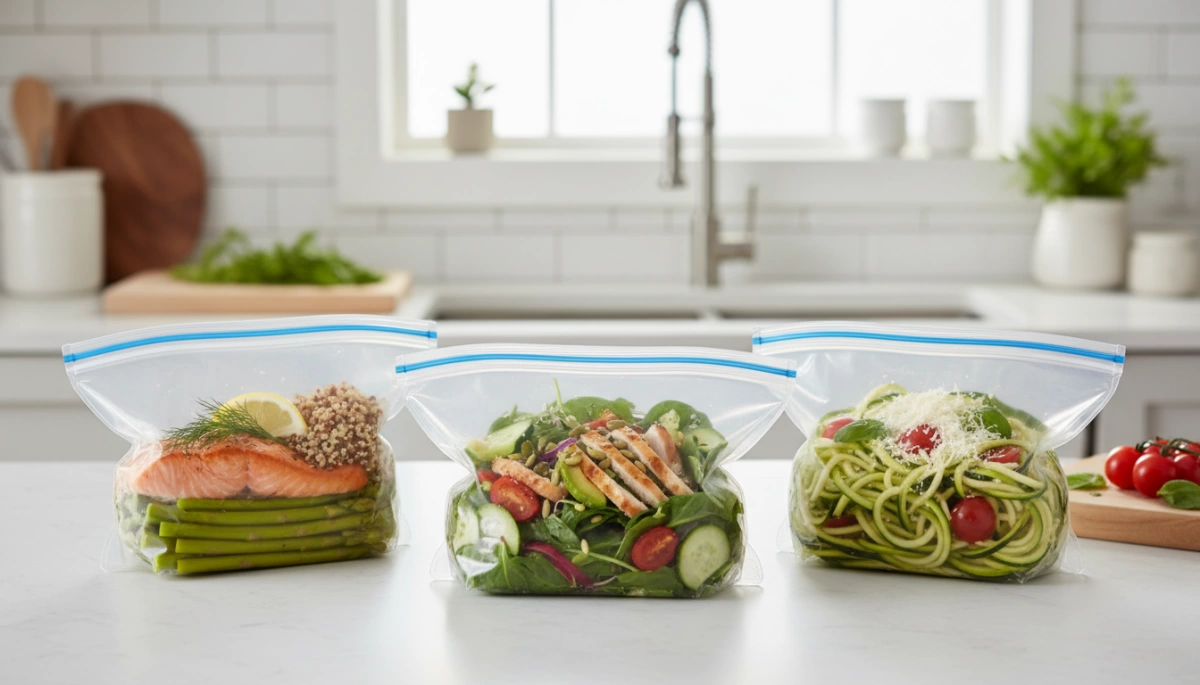
In the modern kitchen, Fresh Food Ziplock Bags have evolved beyond simple disposable plastic wrappers into essential tools for sustainable living and culinary precision. While traditional versions were designed for single use, the latest generation of storage solutions—specifically our reusable silicone food storage bags—redefines the category. These bags serve as a versatile, zero-waste alternative designed not just to hold food, but to actively preserve it. Whether you are marinating steak, freezing seasonal berries, or organizing pantry staples, these bags provide a robust barrier that integrates seamlessly into a health-conscious lifestyle.
The Importance of Airtight Food Storage
Air is the primary enemy of food preservation. Exposure to oxygen accelerates spoilage, causes freezer burn, and degrades the nutritional value of fresh ingredients. Implementing airtight food storage is critical for extending the lifespan of your groceries and reducing food waste.
- Prevents Oxidation: sealing out air keeps cut fruits and vegetables from browning.
- Locks in Moisture: Maintains the texture of produce and prevents cooked meats from drying out.
- Stops Leaks: A secure seal ensures liquids like soups and marinades stay contained, keeping your refrigerator clean.
How Ziplock Technology Preserves Freshness
The core mechanism behind effective Fresh Food Ziplock Bags is the creation of a hermetic environment. Our silicone bags utilize a superior “pinch-press” seal technology that is far more reliable than standard plastic sliders. When sealed correctly, this mechanism creates an airtight and leak-proof barrier that halts the growth of bacteria and prevents cross-contamination between raw and cooked foods. This technology allows the bags to transition from the freezer to boiling water without compromising the seal, ensuring that flavor and freshness are locked in regardless of the temperature environment.
Common Materials: From Plastic to Silicone
While the market is flooded with various storage options, the material composition dictates both safety and longevity. The shift from disposable plastics to durable silicone represents a major upgrade in kitchen safety.
- Traditional Plastic: Often single-use and prone to tearing. Many lower-quality plastics may leach chemicals when heated.
- Food-Grade Silicone: Our bags are crafted from 100% LFGB and FDA certified silicone. This material is non-porous, inhibiting bacterial growth, and is completely free from harmful substances like BPA, BPS, PVC, and Lead.
- Durability Factor: Unlike plastic which degrades quickly, high-quality silicone withstands extreme temperatures ranging from -40°F to 446°F, allowing a single bag to be reused thousands of times.
Key Features of High-Quality Food Storage Bags
When selecting Fresh Food Ziplock Bags, the difference between food waste and a fresh meal often comes down to the engineering of the bag itself. We focus on durable, reusable food storage solutions that outperform flimsy single-use plastics. Here is what makes a high-quality silicone bag essential for your kitchen.
| Feature | Primary Benefit | Best Application |
|---|---|---|
| Hermetic Seal | 100% Airtight & Leak-proof | Soups, marinades, and stocks |
| Non-Porous Surface | Inhibits bacterial growth | Raw meat and fresh produce |
| Thick Silicone Walls | Prevents freezer burn | Long-term freezer storage |
Grip ‘n Seal Technology for Easy Handling
We utilize a robust “pinch-press” sealing mechanism that mimics the convenience of traditional Fresh Food Ziplock Bags but with significantly higher durability. This technology ensures you get a tactile confirmation—a firm snap—when the bag is closed. Unlike thin plastic tracks that often misalign or tear after a few uses, our silicone seals are designed to be opened and closed thousands of times without losing their grip. This makes them ideal for quick snacking or meal prep where you need reliable access without struggling with the seal.
Moisture Control and Breathability for Produce
Proper moisture management is critical to preserve flavor and texture in fresh vegetables. Our high-grade silicone is non-porous, meaning it locks natural moisture inside the bag to keep leafy greens crisp, while simultaneously blocking external air that causes oxidation. While some produce bags use mesh for airflow, our airtight design allows you to control the environment completely. By removing excess air before sealing, you effectively slow down the decomposition process, keeping your ingredients fresh for days longer than standard storage methods.
Leakproof Seals and Power Shield Technology
The most frustrating aspect of kitchen storage is discovering a spill in the fridge. Our bags feature a hermetic seal that acts as a power shield against leaks. This airtight closure allows you to store liquids like soups and sauces horizontally without worry. Comparing modern silicone solutions to traditional zip lock bags reveals why seal integrity is the most critical factor for your kitchen. This barrier also protects against outside odors and prevents cross-contamination, ensuring your food tastes exactly how it should when you are ready to cook.
Common Types of Ziplock Bags for Fresh Food
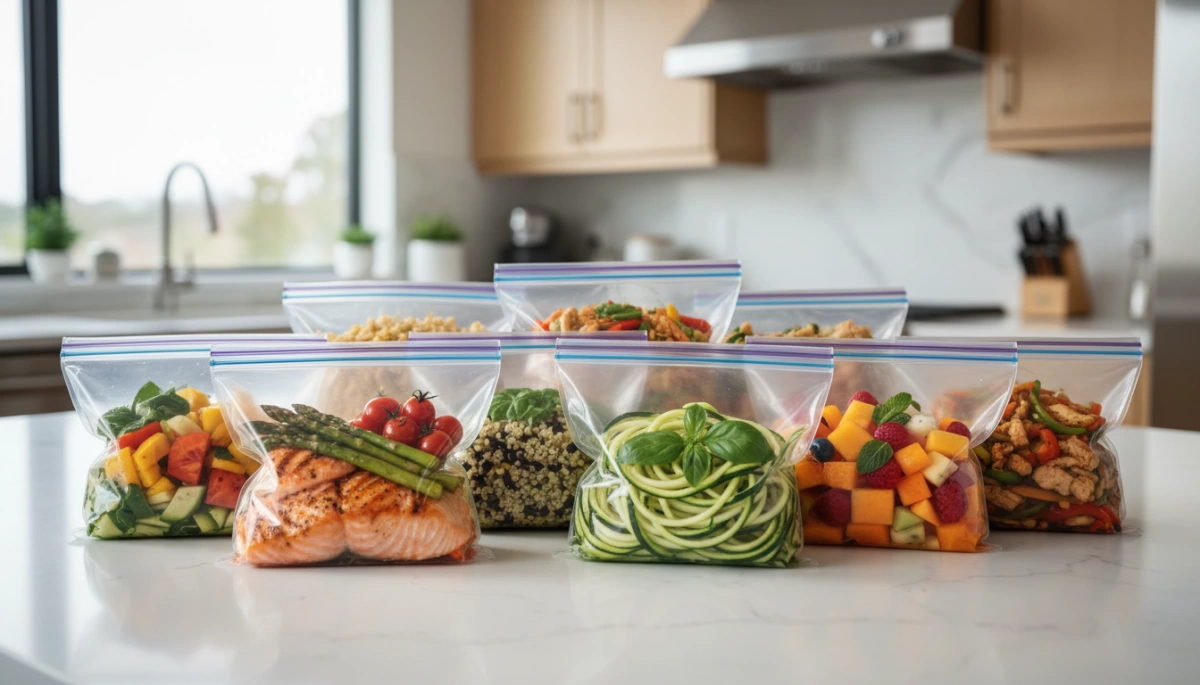
When organizing a kitchen, understanding the specific design of Fresh Food Ziplock Bags helps in selecting the right tool for the job. While traditional plastic options have been the norm, modern kitchens are shifting toward sustainable alternatives that offer better durability and safety.
| Bag Type | Best Use Case | Temperature Range | Durability |
|---|---|---|---|
| Standard Storage | Pantry items, sandwiches, short-term fridge use | Room temp to chilled | Single-use (Low) |
| Freezer Bags | Meat, leftovers, long-term frozen storage | Freezing temps | Single-use (Medium) |
| Reusable Silicone | Cooking, freezing, steaming, liquid storage | -40°F to 446°F | Multi-year (High) |
Standard Storage Bags for Daily Use
These are the everyday bags found in most pantries, typically used for packing lunches or storing dry goods. They are generally thinner than other varieties and are designed for short-term preservation. While they provide a basic barrier against air, they lack the structural integrity needed for heating or long-term preservation. For simple pantry storage, they get the job done, but they contribute significantly to household plastic waste.
Heavy-Duty Freezer Bags for Long-Term Storage
Freezer bags are engineered with thicker plastic to provide freezer burn prevention. The increased density blocks moisture loss and prevents ice crystals from forming on the food, which helps preserve flavor over months of storage. However, like standard bags, they are often discarded after one use, especially if they have held raw meat or oily substances that are difficult to clean out of the plastic corners.
Slider Bags for Quick Access and Convenience
Slider bags feature a plastic track mechanism that makes opening and closing the bag effortless. This design is popular for snacking or storing non-food items because it doesn’t require the manual dexterity needed for a press-to-seal closure. While convenient, the slider mechanism can sometimes compromise the airtight seal compared to a direct pinch-press seal, making them less ideal for liquids or items requiring strict air removal.
Reusable and Compostable Eco-Friendly Options
The most significant innovation in this category is the shift toward reusable food storage. Our silicone bags are designed to replace hundreds of single-use plastics. Made from 100% food-grade silicone, these bags feature a hermetic “pinch-press” seal that is fully airtight and leak-proof. Unlike plastic, they are non-porous and inhibit bacterial growth.
Transitioning to eco-friendly food storage solutions allows for seamless movement from the freezer to the microwave or boiling water. With a temperature resistance from -40°F up to 446°F (-40°C to 230°C), these reusable options are dishwasher safe and free from BPA, PVC, and lead, ensuring that no chemicals leach into your food during heating or storage.
Selecting the Right Size for Your Needs
Choosing the correct capacity for your Fresh Food Ziplock Bags ensures you minimize air pockets, which helps preserve flavor and keeps food fresher for longer. We offer a range of sizes designed to replace hundreds of disposable bags, catering to everything from bulk pantry staples to daily lunches.
Gallon and Large Bags for Bulk Items
For substantial storage needs, our large 1500ml (50oz) silicone bags are the heavy lifters of the kitchen. These are comparable to traditional gallon storage bags but offer significantly more durability. I find them indispensable for:
- Marinating meats: The leakproof seal prevents messy spills in the fridge.
- Bulk freezing: Perfect for storing family-sized portions of soup or stock.
- Pantry organization: Keeping large quantities of rice, pasta, or flour dry and pest-free.
Quart and Medium Bags for Meal Prep
The medium 1000ml (30oz) size is the workhorse for daily meal prep. This size is versatile enough to hold leftovers or pre-cut vegetables for the week. Unlike standard single-use food grade plastic bags, these silicone containers can transition directly from the refrigerator to boiling water or the microwave, making reheating effortless. They are essential for anyone looking to streamline their cooking routine while reducing waste.
Sandwich and Snack Bags for Portability
For on-the-go snacking, our 500ml small bags are the ideal solution. They are compact, lightweight, and secure, making them perfect for packing nuts, fruit slices, or travel toiletries. If you are building a zero-waste kit, these small bags fit perfectly alongside a 304 stainless steel lunch box to keep your dry snacks separate from your main meal. Their airtight seal ensures your crackers stay crisp and your cut fruit doesn’t brown before lunchtime.
Freezer Bags vs. Storage Bags: Key Differences
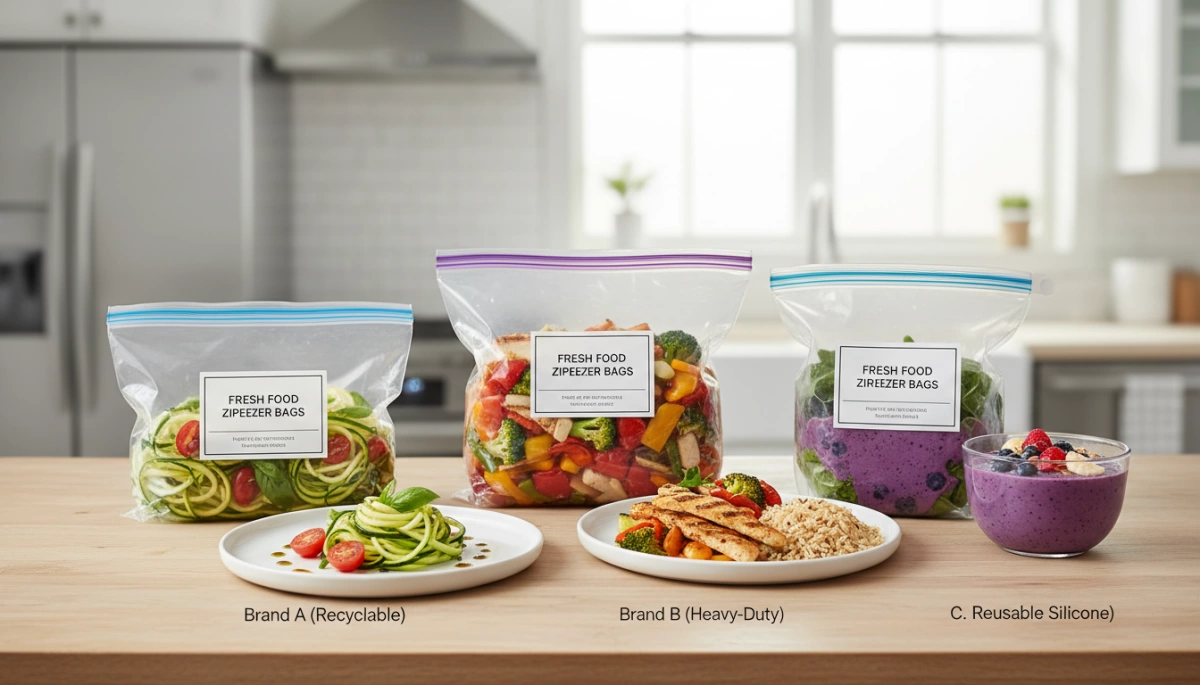
Material Thickness and Durability
When comparing standard options, the main distinction lies in the gauge of the plastic. Standard storage bags are typically thinner and prone to punctures, while designated freezer bags use slightly thicker plastic to resist cold temperatures. However, our silicone **Fresh Food Ziplock Bags** operate on a different level entirely. They are constructed from robust, 100% food-grade silicone that is significantly thicker than any disposable plastic. This heavy-duty construction ensures they do not tear or degrade, even after thousands of uses. For a deeper dive into how these materials hold up over time, our guide on [reusable storage bags for food](http://65.21.89.238/product-guides/reusable-storage-bags-for-food/) breaks down the longevity benefits.
Protection Against Freezer Burn
Freezer burn occurs when air comes into contact with food, drawing out moisture and ruining the texture. To **preserve flavor** and quality, an airtight environment is non-negotiable. Standard zipper bags often fail here because their seals are not designed to withstand long-term cold storage without popping open or leaking. In contrast, our silicone bags feature a hermetic “pinch-press” seal that locks air out completely. Because silicone remains flexible down to -40°F (-40°C) and does not become brittle like plastic, it offers superior **freezer burn prevention** for meats, fruits, and leftovers.
Best Use Cases for Each Type
Traditionally, you might keep separate boxes for pantry items and frozen goods. With versatile silicone bags, you get a multi-environment solution that transitions seamlessly from the deep freeze to high heat.
| Feature | Standard Plastic Bag | Freezer Plastic Bag | Silicone Fresh Food Bag |
|---|---|---|---|
| Primary Use | Sandwiches, dry snacks | Frozen meat, leftovers | Freezing, cooking, pantry |
| Temp Range | Room temp only | Freezing only | -40°F to 446°F (-40°C to 230°C) |
| Reusability | Single-use | Limited reuse | Thousands of uses |
| Cooking | Unsafe | Unsafe | Microwave, Boil, Sous-Vide |
If you are ready to stock your kitchen with versatile options that handle both freezing and daily storage, consider looking into Ziploc bags in bulk quantities to replace disposable waste permanently.
Best Practices for Food Preservation and Usage
Getting the most out of your Fresh Food Ziplock Bags isn’t just about tossing ingredients in and sealing them shut. I’ve found that a few simple habits can significantly extend the life of your produce and the bags themselves. Treating these reusable containers right ensures they continue to preserve flavor and texture for years, not just weeks. While some commercial setups might rely on elastic food covers for catering businesses for temporary tray protection, silicone bags offer a superior airtight seal for long-term preservation in residential kitchens.
Proper Preparation and Air Removal Techniques
Air is the enemy of freshness. To get a vacuum-like seal without fancy equipment, I recommend the water displacement method. Close the bag almost all the way, submerge it in water (keeping the seal above the surface), and let the water pressure push the air out before sealing the final inch.
- Dry Goods: Ensure contents like nuts or grains are completely dry to prevent mold growth inside the bag.
- Liquids: Always leave a little headroom (about an inch) for expansion if you plan to freeze soups or stocks.
- Produce: Don’t wash soft berries until you are ready to eat them; excess moisture trapped inside can accelerate spoilage.
Safe Usage in Microwaves and Refrigerators
One of the biggest perks of high-quality silicone is its thermal range. You can move these bags directly from the freezer to the microwave without worrying about leaching chemicals. However, freezer burn prevention relies on that airtight seal in the cold, while safety relies on venting in the heat.
- Microwaving: Always leave the seal open about an inch to allow
Factors to Consider When Buying Ziplock Bags
When selecting the best Fresh Food Ziplock Bags for your kitchen, it is not just about grabbing the cheapest box on the shelf. As someone who values both sustainability and functionality, I look for specific criteria that ensure these bags actually protect my food and last for years. Here is what you need to watch out for to get the best value and performance.
Material Safety and BPA-Free Standards
The most critical factor is what touches your food. Standard plastics can degrade over time, but high-quality reusable options should be made from 100% food-grade silicone. This material is non-porous, meaning it inhibits bacterial growth and does not leach chemicals into your meals.
Ensure the bags you choose meet strict safety certifications. We prioritize products that are LFGB and FDA certified, guaranteeing they are free from harmful toxins. Unlike other kitchen materials where you might wonder can you put aluminum foil in the microwave, premium silicone bags are designed to handle heat safely without releasing dangerous substances.
Safety Checklist:
- BPA-Free & BPS-Free: No endocrine disruptors.
- PVC-Free & Lead-Free: Safe for long-term storage.
- Temperature Resistant: Must withstand -40°F to 446°F (-40°C to 230°C) for freezer and microwave use.
Seal Strength and Closure Type
A bag is only as good as its seal. To truly preserve flavor and prevent messy leaks, the closure system must be hermetic. I recommend looking for a robust “pinch-press” seal rather than a flimsy slider. This type of closure creates an airtight environment that locks in freshness and prevents oxidation, which is essential for freezer burn prevention.
If you are storing liquids like soups or marinades, a leak-proof design is non-negotiable. Test the seal by filling the bag with water and turning it upside down; a high-quality fresh food ziplock bag will hold the liquid without a single drip, giving you confidence during meal prep and travel.
Quantity and Value Pack Options
While the upfront cost of reusable silicone bags is higher than disposable plastic, the long-term savings are undeniable. One reusable bag can replace hundreds of single-use baggies over its lifespan. When building your pantry storage collection, look for bundles or starter kits. These sets usually offer a better price per unit and provide a variety of sizes to handle everything from snacks to bulk produce.
Cost vs. Value Comparison:
| Feature | Single Unit Purchase | Bundle/Starter Kit |
|---|---|---|
| Price Point | Approx. $12.00–$15.00 | $35.00–$60.00 (varies by count) |
| Variety | Single size (e.g., 50oz) | Mixed sizes (500ml, 1000ml, 1500ml) |
| Best For | Specific needs (e.g., sous-vide) | Complete kitchen overhaul |
| Savings | Standard retail price | Typically 15-20% savings per bag |
Choosing a value pack is the smartest way to transition to a zero-waste kitchen without breaking the bank, ensuring you always have the right size on hand for any task.