















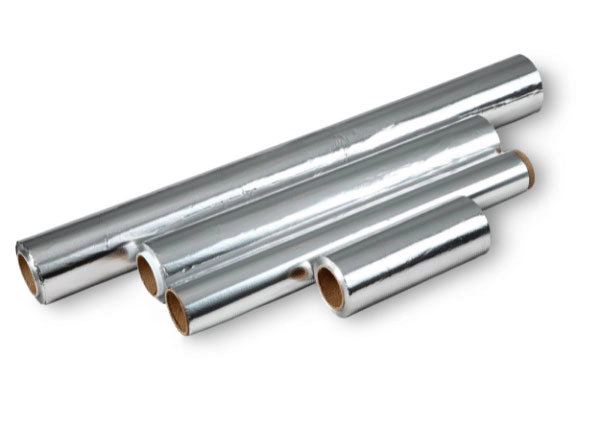
Are you wondering how to pick the perfect food-grade aluminum foil for your kitchen or business? Choosing the right grades and understanding their uses can transform your cooking, storage, and packaging game.
As a trusted name in quality foil, Artfullife knows that safe, reliable aluminum foil is a kitchen essential. Drawing from industry expertise, we’re here to guide you through the grades and applications of food-grade aluminum foil to ensure your meals stay fresh and your prep is hassle-free.
In this guide, you’ll discover the key properties, alloy types, and practical uses of food-grade aluminum foil, plus tips to choose the best option for your needs.
Let’s get started!
What is Food-Grade Aluminum Foil
Food-grade aluminum foil is a type of aluminum foil specially designed and tested to safely come into direct contact with food. It meets strict safety standards set by agencies like the FDA to ensure it does not leach harmful substances into food during storage, cooking, or packaging.
Definition and Safety Standards
Food-grade aluminum foil is made from high-purity aluminum alloys that comply with food safety regulations. The foil must pass tests for chemical stability, non-toxicity, and resistance to corrosion. In the U.S., FDA-compliant aluminum foil guarantees that it’s safe for use with all types of food, including acidic and salty items that can react differently with metals.
Key Properties and Why It Matters
- Non-toxic and safe for food contact
- Excellent barrier against moisture, oxygen, and light to keep food fresh
- Flexible and easy to shape, making it perfect for wrapping and sealing
- Heat resistant, suitable for baking and grilling
- Lightweight and durable
These properties matter because they protect food quality, prevent contamination, and reduce waste. Using certified food-grade aluminum foil ensures your food stays safe and fresh while allowing convenient storage and cooking options.
Grades of Food-Grade Aluminum Foil
Food-grade aluminum foil comes in various grades, each with unique alloys and properties tailored for different uses.
8011 Alloy
This is the most common grade used in household foil. It’s tough, flexible, and resistant to corrosion, making it perfect for everyday kitchen tasks like wrapping, grilling, and freezing. Its durability also makes it popular for commercial food packaging.
3003 Alloy
Known for its excellent corrosion resistance and strength, 3003 foil is often used in applications that need a bit more durability than standard household foil. This alloy is common in baking sheets and food containers where heavier-duty foil is needed.
Other Alloys: 1235, 1100, 1060, and 1070
1235 is highly pure aluminum used when strong corrosion resistance and excellent formability are priorities. It’s great for delicate wrapping and certain food packaging.
1100 foil offers excellent ductility and chemical resistance, suitable for light-duty uses like wrapping fresh produce.
1060 and 1070 have higher aluminum content, providing superior reflectivity and malleability, useful in specialized food packaging or industrial food handling.
Specialty Alloys 8079 and 8021
These are newer, specially formulated foils designed for optimized performance in commercial food packaging. They combine strength with food safety, making them reliable for long shelf life products and high-speed packaging lines.
Thickness Variations and Typical Uses
Aluminum foil thickness varies widely, typically between 0.006 mm (thin) to 0.2 mm (heavy-duty). Thin foil is great for delicate wrapping and light cooking, while heavy-duty foil withstands high heat and rough handling during grilling or freezing. Check our guide on thickness of aluminum foil for detailed info.
Tempering and Hardness Differences
Foil also comes in different tempering levels: soft, half-hard, and hard. Soft foils are easy to mold and ideal for wrapping food tightly. Harder temper foils are tougher and used in industrial food packaging or where durability is critical. Choosing the right temper depends on the intended use and handling strength needed.
Understanding these grades helps you pick the right food-grade aluminum foil for your cooking, storage, or packaging needs, ensuring safety and performance every time.
Common Uses of Food-Grade Aluminum Foil
Food-grade aluminum foil is a go-to in many kitchens and industries because it’s safe, versatile, and reliable. Here’s how it’s commonly used:
Household Uses
- Wrapping: Keeps leftovers fresh and prevents freezer burn.
- Baking: Ideal for lining pans and cooking dishes evenly without sticking.
- Grilling: Protects food from direct heat and helps lock in moisture.
- Freezing: Wraps foods tightly to maintain quality and prevent freezer odors.
Commercial Uses
- Food Packaging: Widely used for packaging ready-to-eat meals, fast food, and snacks, thanks to its barrier against moisture and air.
- Catering: Keeps food warm and intact during transport, essential for event catering.
- Dessert Industry: Perfect for wrapping chocolates, pastries, and frozen treats due to its clean, odor-free protection.
Specialized Uses
- Pharmaceutical Packaging: Provides a hygienic, protective layer for medicines that require airtight, moisture-resistant packaging.
- Industrial Applications: Used in various industries where a sterile, non-reactive material is needed to wrap or protect sensitive items.
Food-grade aluminum foil’s range of uses makes it a must-have in homes and businesses across the US, combining safety with practicality for everyday and specialized needs.
Safety Considerations for Using Food-Grade Aluminum Foil
When using food-grade aluminum foil, safety is key. Not all aluminum foil is created equal, so it’s important to follow certain guidelines to keep your food safe.
Food Contact Safety and Acidic Food Guidelines
Aluminum foil is generally safe for food contact. However, acidic or salty foods like tomatoes, citrus, or vinegar-based dishes can sometimes react with the foil, causing slight aluminum transfer. To avoid this, use a barrier like parchment paper between the food and foil when cooking or storing acidic items.
Certifications and FDA Compliance
Look for aluminum foil that meets FDA compliance and food-grade safety standards. Brands that follow these rules ensure the foil is tested for safe use with food, giving you peace of mind when wrapping, baking, or freezing.
Usage Tips to Maintain Safety
- Avoid using aluminum foil in direct contact with highly acidic or salty foods for long periods.
- Don’t use aluminum foil in microwave ovens.
- For grilling or baking, keep foil wrapped tightly but avoid punctures.
- Use heavy-duty or thicker foil for longer cooking times to prevent tearing.
Brand Promises on Safety
Reliable brands often highlight their commitment to food safety and regulatory standards. Choosing a trusted food packaging foil brand means better quality control, consistent performance, and safer results every time you cook or store food.
In , following these safety tips and picking certified food-grade aluminum foil protects both your meals and health.
Environmental Benefits and Recycling
Food-grade aluminum foil stands out when it comes to recyclability and eco impact. Unlike many plastics, aluminum foil can be recycled repeatedly without losing quality. This means less waste in landfills and a smaller carbon footprint over time. Recycling aluminum also saves about 95% of the energy needed to produce new foil from raw materials, which is a big win for the environment.
When compared to plastic packaging, aluminum foil offers clear eco advantages. Plastic often ends up in oceans or landfills and takes hundreds of years to break down. Aluminum foil’s ability to be recycled quickly and fully makes it a more sustainable choice for food packaging and storage.
Many leading brands are also stepping up with eco-friendly initiatives. They focus on sustainable sourcing by using recycled aluminum in their foils and adopting greener production methods. Some even offer products wrapped in foil made from a high percentage of recycled material, helping reduce the overall environmental impact.
Choosing food-grade aluminum foil means not only protecting your food but also supporting more sustainable packaging solutions that fit American households and businesses looking to go green.
Choosing the Right Food-Grade Aluminum Foil for Your Needs
Picking the right food-grade aluminum foil depends a lot on what you plan to use it for. Here’s what to keep in mind:
Match the alloy and thickness to your task
- For everyday cooking, like wrapping leftovers or baking, a mid-thickness 8011 or 3003 alloy works great.
- Heavy-duty jobs like grilling or long-term storage call for thicker foil, often made with alloy 8079 or 8021 for extra strength.
- Thin foils suit delicate uses like wrapping candy or sandwiches but aren’t the best for heavy grilling.
Consider durability, cost, and the type of food
- Thicker foil costs a bit more but lasts longer and protects food better, especially when freezing or grilling.
- Thinner options save money but may tear easily.
- Acidic or salty foods need foils with strong corrosion resistance, so make sure the alloy fits this use.
Why choose the featured brand’s products
- Their foils are FDA-compliant for food-grade aluminum foil safety, which means you get peace of mind when wrapping your food.
- They offer a range of alloy options and thicknesses tailored for different household and commercial uses.
- The brand focuses on eco-friendly food packaging, using recyclable aluminum foil made with sustainable sourcing.
- Plus, their heavy-duty foil options give you extra durability without breaking the bank.
By matching foil type to your needs, you get the best balance of protection, cost, and safety—all while supporting eco-friendly choices.