
















If you’re serious about keeping your meals fresh, safe, and ready for any cooking or freezing challenge, heavy-duty aluminum foil for food storage is your kitchen’s best friend. Not all foils are created equal — the thick, tough kind can make a world of difference when it comes to sealing in flavor, preventing leaks, and protecting your food from freezer burn.
In this guide, you’re going to discover why choosing a heavy-duty aluminum foil isn’t just smart — it’s essential. Plus, I’ll show you why Ecoartfullife’s premium foil stands out for durability and eco-consciousness. Ready to upgrade your food storage game? Let’s dive right in.
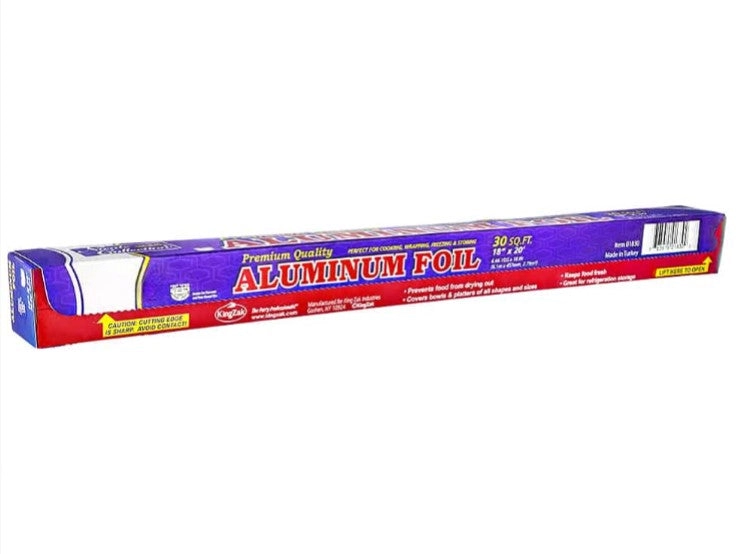
What Is Heavy-Duty Aluminum Foil for Food Storage
Heavy-duty aluminum foil is thicker and stronger compared to standard aluminum foil, designed to handle tougher tasks in the kitchen and food storage. While regular foil usually measures around 0.016 millimeters (about 0.63 mils) in thickness, heavy-duty foil generally ranges from 0.024 to 0.032 millimeters (about 0.9 to 1.25 mils) or more. This increased thickness offers several advantages in strength, durability, and resistance.
Difference from Standard Aluminum Foil
The key differences lie in thickness and durability:
- Thickness: Heavy-duty foil is up to 50% thicker than standard foil, making it less prone to tearing or puncturing.
- Strength: It handily withstands sharp edges, rough handling, and heavy-weight foods without ripping.
- Durability: This type of foil provides better protection against leaks and tears that can spoil food.
Why Thickness Matters
Thickness is critical when it comes to resisting tears, leaks, and punctures, especially for tasks like wrapping meats, freezing, or grilling:
- Tear resistance: Thicker foil maintains integrity even when handling jagged bones or rough surfaces.
- Leak prevention: It prevents juices or moisture from leaking, which helps keep food fresh and mess-free.
- Puncture protection: Heavy-duty foil protects food from contact with air or contaminants, reducing freezer burn and cross-contamination risks.
In short, investing in heavy gauge aluminum foil for freezing or cooking means better food protection and fewer hassle moments in the kitchen. Its sturdy nature makes it ideal for anyone serious about long-term food storage or demanding cooking methods.
Benefits of Using Heavy-Duty Aluminum Foil for Food Storage
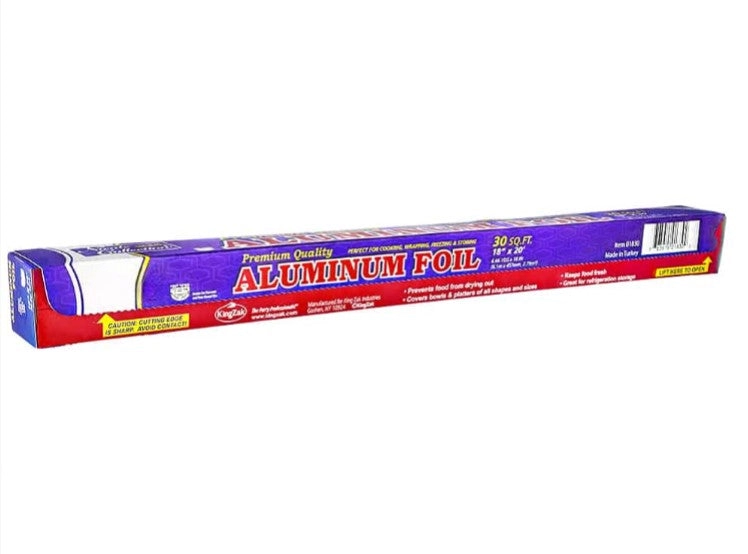
Heavy-duty aluminum foil offers superior protection against moisture, air, and contaminants, making it a top choice for food storage in American kitchens. Its thick aluminum foil structure creates a strong barrier that keeps food safe from exposure, which helps prevent spoilage and maintains quality over time.
Ideal for Freezing Grilling Marinating and Long-Term Storage
Because of its durable and heavy gauge construction, this foil is perfect for freezing, grilling, marinating, and long-term food storage. Whether you’re wrapping meats for the freezer or lining the grill, it won’t tear or leak like thinner foils. This ensures your food stays sealed and protected regardless of the storage or cooking method.
Maintains Food Freshness and Flavor Better Than Standard Foil
One standout advantage of heavy-duty foil is that it locks in freshness and preserves flavors better than standard aluminum foil. It minimizes air flow and moisture loss, which reduces the risk of food drying out or absorbing unwanted odors, a common issue with thinner or lower-quality foils.
Prevents Cross-Contamination and Freezer Burn
Thicker foil sheets provide a better seal that prevents cross-contamination between different foods and protects against freezer burn. This is especially important when storing raw meats or strong-smelling items alongside more delicate foods.
Ecoartfullife Heavy-Duty Foil Unique Selling Points
Ecoartfullife offers a heavy-duty foil that stands out with its exceptional durability and eco-conscious material choices. Unlike many standard heavy gauge aluminum foils, Ecoartfullife focuses on:
- Sustainable sourcing and environmentally responsible manufacturing
- Recyclable materials designed to minimize environmental impact
- Long-lasting thickness that reduces waste by needing fewer layers
Choosing Ecoartfullife means you get a premium heavy-duty aluminum foil that protects your food while supporting sustainable kitchen habits around the home.
How to Choose the Right Heavy-Duty Aluminum Foil for Your Needs
When picking heavy-duty aluminum foil for food storage, it’s important to look at more than just thickness. Here’s what you should consider to get the best foil that fits your daily kitchen needs and supports sustainability.
Consider Thickness Roll Length and Width
-
Thickness: Heavy-duty aluminum foil usually ranges from 0.63 mil to 1.0 mil or thicker. The thicker the foil, the better it resists tears, punctures, and leaks—perfect for heavy use like freezing big cuts of meat or grilling. Choosing the right thickness means balancing durability with flexibility for wrapping different foods.
-
Roll Length and Width: Larger rolls mean fewer changes and less waste if you’re wrapping lots of food regularly. Width matters too—wider foil sheets cover larger trays, pans, or roasts better, saving time and ensuring proper sealing. Think about your most common uses: Do you usually wrap sandwiches or big roasts?
Match Foil to Food Type
Different foods need different handling:
- Meats and Grilled Foods – Use thicker, heavy gauge aluminum foil for cooking and freezing to avoid leaks and keep juices contained.
- Vegetables and Baked Goods – Medium thickness foil can be enough for wrapping or covering.
- Leftovers – Choose foil that seals well and maintains freshness, especially for freezer storage.
This tailored approach ensures you’re using the best foil for each food type—getting the most out of your purchase without overpaying for unnecessarily thick foil.
Eco-Friendliness and Sustainability Credentials
Sustainability is a growing concern for many shoppers. Look for:
- Recyclable Foil: Many heavy-duty aluminum foils can be recycled if free from food residue. To confirm your foil’s recyclability, check local guidelines.
- Eco-Conscious Manufacturing: Brands like Ecoartfullife focus on sustainable material sourcing and manufacturing processes, reducing environmental impact.
- Reusable Foil Options: Some heavy-duty foils are designed to be reused, cutting down on waste.
Balancing performance with eco-friendliness is essential—choose foil that meets your storage needs without compromising environmental responsibility. For more on recycling foil properly, check out Ecoartfullife’s detailed aluminum foil recycling tips.
By keeping these points in mind—thickness, roll size, food compatibility, and eco-credentials—you’ll find the heavy-duty aluminum foil that works perfectly in your kitchen while supporting a greener lifestyle.
Practical Uses of Heavy-Duty Aluminum Foil in the Kitchen
Heavy-duty aluminum foil is an essential tool in any kitchen because it’s versatile, durable, and reliable. Here’s how you can get the most out of thick aluminum foil for cooking, freezing, and beyond.
Food Storage Tips Wrapping Covering and Sealing
- Wrap leftovers tightly to lock in freshness and prevent odors from escaping your fridge or freezer.
- Use heavy gauge aluminum foil to cover dishes or bowls, creating a tight seal that keeps moisture and air out, ideal for marinated foods.
- When storing delicate items like baked goods or fresh vegetables, choose foil that won’t tear easily to avoid exposure to air and contaminants.
- For a stronger seal, combine foil with a reusable food wrap or a silicone lid for added protection and reduced waste.
Cooking Applications Grilling Baking Roasting and Steaming
- Heavy-duty foil is perfect for grilling and BBQ because it resists punctures and tears from sharp grill grates or bones.
- Use it to wrap meats and vegetables during roasting or baking to retain moisture and flavor.
- When steaming, create a foil pouch to trap heat and steam inside, cooking food evenly without drying out.
- Its thickness means you can safely use it in the oven or on a grill without worrying about it ripping or burning.
Freezing Techniques Using Foil
- Heavy-duty aluminum foil is great for long-term freezing thanks to its strong barrier against freezer burn.
- Wrap foods like meat or casseroles tightly in foil before placing them in a freezer-safe bag or container for extra protection.
- Label foil-wrapped packages with dates directly on the foil to keep track of freezer inventory.
- Combine with plastic wrap for double-layer protection when freezing liquids or delicate foods.
Household Hacks Beyond Food Storage
- Heavy-duty foil can also be used for sharpening scissors or knives by folding and cutting through multiple layers.
- Use it to line grill grates or baking sheets to cut down on cleanup without risking tears.
- Create DIY drip pans under roasts or grills to catch grease and help keep your oven clean.
- Boldly use foil to reflect heat back onto food for faster cooking or warming.
Whether you’re freezing leftovers, grilling up a storm, or need a quick kitchen fix, heavy-duty aluminum foil is a smart, multi-purpose choice that holds up under pressure and helps keep food fresher, longer.
Comparing Heavy-Duty Aluminum Foil with Other Food Storage Solutions
When it comes to food storage, you’ve probably used plastic wrap, bags, or containers alongside aluminum foil. Here’s a clear look at how heavy-duty aluminum foil for food storage stacks up against these common options.
Plastic Wrap and Bags Compared to Heavy-Duty Aluminum Foil
Plastic wrap and storage bags are convenient for quick sealing but often don’t hold up well over time. They can tear easily, especially in the freezer, and may let in air or moisture, which harms food freshness. Plus, many plastic wraps and bags aren’t recyclable, adding to landfill waste.
In contrast, heavy-duty aluminum foil is thicker and more durable, providing a tight, more reliable barrier against moisture, air, and contaminants. This makes it great for long-term storage, freezing, and grilling where strength matters. Heavy-duty foil also helps prevent freezer burn better than plastic wraps.
Containers Versus Heavy-Duty Aluminum Foil
Containers—whether plastic or glass—offer easy reuse and stackability but can be bulky and take up more fridge or freezer space. Plastic containers may absorb odors or stains, and glass, while reusable, is breakable and heavier.
Heavy-duty aluminum foil rolls for household use give you flexibility to wrap irregular-shaped food items, cover trays, or line pans without extra storage space. It’s lightweight and disposable, though it can be reused when handled carefully.
Cost-effectiveness and Environmental Impact
Plastic wraps and single-use bags are often cheaper upfront but can add up as you replace them frequently. Plus, their environmental impact is significant since many types are not recyclable.
Heavy-duty foil may cost a bit more per roll but lasts longer and provides better protection, reducing food waste. Aluminum foil is widely recyclable when clean, making it a more eco-friendly choice when paired with responsible use.
Why Ecoartfullife Heavy-Duty Aluminum Foil Stands Out
Ecoartfullife’s foil combines durability with eco-conscious materials. They use heavier gauges for strength and ensure their foil is made with sustainability in mind. This means:
- Thicker, tougher aluminum foil that resists tears and punctures during cooking and storage
- Made with recyclable materials and sustainable manufacturing processes
- Offers better protection for your food while helping minimize environmental impact
- Designed to meet the needs of U.S. consumers who want performance without compromising green values
In short, Ecoartfullife heavy-duty aluminum foil delivers superior food protection, better durability than plastic alternatives, and supports cleaner recycling efforts, making it the smarter choice for everyday kitchen use and long-term food storage.
Eco-Friendly Food Storage with Heavy-Duty Aluminum Foil from Ecoartfullife
Sustainable Materials and Manufacturing Process
Ecoartfullife’s heavy-duty aluminum foil is made with responsibly sourced aluminum designed to reduce environmental impact. The manufacturing process focuses on energy efficiency and minimizing waste, using advanced techniques to keep the carbon footprint as low as possible. Unlike cheaper alternatives, Ecoartfullife foil avoids unnecessary coatings or additives that can hinder recyclability and increase pollution.
By choosing Ecoartfullife, you’re supporting a brand that values durability and eco-conscious production — meaning the foil lasts longer for tough kitchen tasks, reducing the need for frequent replacements and lessening overall waste.
Recycling Tips and Responsible Disposal
Aluminum foil is widely recyclable, but it needs to be clean and free of food residue to qualify for collection. Here’s how to recycle Ecoartfullife heavy-duty foil properly:
- Rinse off any food soiling before recycling.
- Crumple the foil into a ball about the size of a golf ball. This helps recycling centers sort it easily.
- Avoid mixing foil with other materials like plastic or paper.
- Check your local recycling guidelines since not all curbside programs accept foil.
Minimizing Environmental Impact with Smart Aluminum Foil Use
To get the most eco-friendly use of heavy-duty aluminum foil and reduce waste, try these tips:
- Reuse foil sheets when possible for wrapping or covering foods, especially if they’re clean and not heavily crumpled.
- Use foil strategically—choose heavy-duty foil for tasks that need more strength, like grilling or freezing, and save thinner foil for light wrapping.
- Pair foil with reusable storage containers for long-term food storage to minimize single-use waste.
- Cut foil pieces to size rather than using large sections wastefully.
- Store rolls properly in a dry place to maintain foil quality and prevent tearing.
By incorporating these practices, you reduce the foil’s environmental footprint while enjoying its benefits for preserving food freshness and safety.
Choosing Ecoartfullife heavy-duty aluminum foil means investing in a premium, durable product that supports sustainability goals without sacrificing performance in everyday kitchen use.
Frequently Asked Questions about Heavy-Duty Aluminum Foil for Food Storage
Is Heavy-Duty Aluminum Foil Safe for All Types of Food
Yes, heavy-duty aluminum foil is safe for wrapping and storing all kinds of foods, including meats, vegetables, and baked goods. It acts as a strong barrier against moisture, air, and contaminants, helping keep food fresh. Just avoid acidic foods like tomatoes or citrus for long periods, as they can sometimes react with aluminum. For most everyday uses, it’s completely safe and effective.
Can You Reuse Heavy-Duty Aluminum Foil
You can reuse heavy-duty aluminum foil if it’s still clean and intact. Thick aluminum foil for cooking holds up well to gentle reuse, especially when used for covering or wrapping leftovers. If the foil has holes, tears, or food stuck to it, it’s best to recycle it instead of reusing. This helps you save money and reduces waste.
How to Store Heavy-Duty Aluminum Foil Rolls for Maximum Longevity
To keep heavy-duty aluminum foil rolls fresh and easy to use:
- Store them in a cool, dry place away from moisture
- Keep the roll in its original box or a sealed container to avoid dust and damage
- Avoid folding or creasing the edges tightly, which makes it harder to unroll and use later
Taking these simple steps extends the life of the foil and ensures smooth handling every time.
Is It Safe to Use Heavy-Duty Aluminum Foil in the Freezer and Oven
Yes, heavy-duty foil is perfect for both freezer and oven use. Its heavy gauge aluminum foil for freezing resists tears and punctures, preventing freezer burn and leakage. It handles oven temperatures well too, making it great for grilling, roasting, and baking. Just avoid direct contact with flames or broilers without food protection, as extremely high direct heat can cause burning.
How to Recycle Heavy-Duty Aluminum Foil Properly
Recycling aluminum foil reduces waste and supports sustainability. Here’s how to recycle heavy-duty foil correctly:
- Clean off any food residue before recycling; greasy or dirty foil can’t be recycled properly
- Crumple the foil into a ball at least 2 inches wide so it doesn’t get lost in sorting machines
- Check with your local recycling program to confirm they accept aluminum foil as rules vary
- Consider reusing clean foil before recycling to minimize waste further
Using aluminum foil recycling tips like these helps you contribute to reducing landfill waste and supports eco-conscious food storage.