

















Are you curious about how aluminum foil is made and what goes into creating this everyday kitchen essential? Whether you’re wrapping leftovers, grilling veggies, or packing snacks, aluminum foil’s performance depends on a precise manufacturing process. In this post, you’ll get a clear, step-by-step look at the aluminum foil manufacturing process, from raw materials to quality control.
At Artfullife, we believe that understanding the journey behind our products builds trust in their quality — and we’re excited to share how our premium foil meets top industry standards. Ready to uncover the secrets behind this thin but mighty material? Let’s dive in!
What Is Aluminum Foil and Common Applications
Aluminum foil is a thin sheet of aluminum metal known for its flexibility, durability, and ability to form a tight seal. It is widely used in everyday life because of its unique physical properties that make it stand out from other materials.
Everyday Uses in Kitchens Packaging and Insulation
Most people recognize aluminum foil for its kitchen uses. It’s perfect for wrapping food, covering dishes, or lining baking trays. This helps retain moisture, prevent food contamination, and make cleanup easier.
Beyond the kitchen, aluminum foil plays a vital role in packaging—protecting products like snacks, pharmaceuticals, and cosmetics from light, air, and moisture. It also acts as an excellent insulator, used in construction and household products to control temperature by reflecting heat.
Physical Properties That Make Aluminum Foil Unique
- Lightweight yet strong: Despite being very thin, aluminum foil provides good durability.
- Non-toxic and corrosion-resistant: Safe for food contact and doesn’t rust.
- Barrier to light and moisture: Protects contents from spoilage.
- Excellent heat and cold conductor: Allows even cooking and efficient insulation.
- Malleable and easy to shape: Easily molds to any form without breaking.
These qualities combined explain why aluminum foil is a staple in manufacturing, packaging, and everyday household use across the United States. Understanding how it is made and its properties can help you appreciate its role far beyond just wrapping leftovers.
Raw Materials The Foundation of Aluminum Foil Production
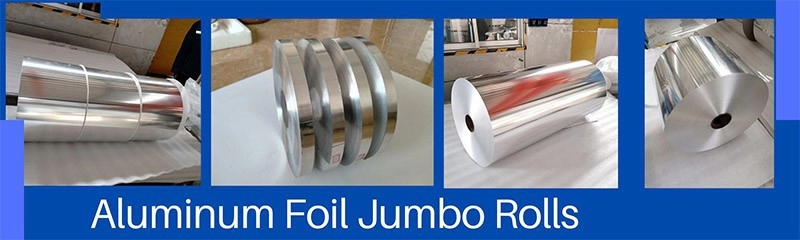
The aluminum foil manufacturing process begins with the most essential input: raw materials. Understanding these basics helps explain why the foil we use daily is both lightweight and durable.
Source of Aluminum Bauxite Ore and Refined Aluminum
Aluminum starts as bauxite ore, a reddish rock mined mainly in tropical regions. This bauxite is then refined through the Bayer process to produce pure aluminum oxide, which is further processed through smelting to obtain refined aluminum metal. This metal forms the basis for aluminum foil production.
Role of Recycled Aluminum in Manufacturing
An important part of aluminum foil production comes from recycled aluminum. Recycling aluminum requires just about 5% of the energy compared to producing aluminum from raw bauxite. This makes recycled aluminum a key player in lowering environmental impact and energy usage in the industrial production of aluminum foil. Using recycled aluminum also helps reduce waste and preserve natural resources.
Environmental Considerations in Sourcing Raw Materials
Sourcing raw materials responsibly is critical. The aluminum industry faces challenges like minimizing mining-related environmental damage and managing energy-intensive refining processes. Many manufacturers prioritize:
- Sustainable sourcing of bauxite through certified mines
- Increasing reliance on recycled aluminum content
- Implementing energy-efficient smelting technologies
These efforts support cleaner production that aligns with growing US market demands for sustainability in aluminum foil products.
For more on aluminum foil uses and eco-friendly handling, check out our uses of aluminium foil page.
The Aluminum Foil Manufacturing Process Explained
Making aluminum foil involves several carefully controlled steps to turn raw aluminum into the thin, flexible sheets we use every day. Understanding the aluminum foil manufacturing process sheds light on how this versatile product is created with consistent quality.
Melting and Casting of Raw Aluminum
The process begins with smelting raw aluminum, typically in the form of recycled aluminum or refined aluminum ingots. The aluminum is melted in a furnace at high temperatures. Once molten, the metal is poured into molds to form casting ingots—blocks sized and shaped to meet production requirements.
These ingots are the starting point for the rolling process. Proper casting ensures uniformity and minimizes impurities so the foil performs as expected.
Rolling Process for Thickness Control
Once the ingots cool, they undergo extensive rolling to achieve aluminum foil’s signature thinness. This process has two main stages:
- Hot Rolling: The ingots are heated and passed through rollers which significantly reduce the thickness. Hot rolling breaks down the metal’s structure, making it easier to handle during cold rolling.
- Cold Rolling: After hot rolling, the aluminum is cooled and rolled again at room temperature. This step is crucial for final thickness control and improving the foil’s surface finish.
Lubrication and strict temperature control are vital during both rolling stages to prevent cracks and maintain foil quality. Without these controls, the foil could become uneven or weak.
Annealing and Slitting for Flexibility and Size
After rolling, the aluminum foil undergoes annealing—a heat treatment that enhances flexibility and strength by relieving internal stresses. This step allows the foil to stretch and bend without tearing, essential for its kitchen and packaging uses.
Next is slitting, where large rolls of foil are cut into narrower widths tailored for specific uses:
- Thin strips for household rolls
- Wider sheets for industrial packaging
Slitting ensures foil is ready for retail or commercial applications immediately after production.
Surface Finishing and Additional Treatments
To meet different client needs, aluminum foil’s surface is finished in several ways:
- Rolled through polished rollers to achieve smooth or matte finishes depending on use.
- Applied with coatings or laminations to add barrier properties or improve adhesion for specialized packaging.
This finishing stage customizes the foil surface, affecting appearance and performance while maintaining industry standards.
The aluminum foil manufacturing process combines traditional metalworking with modern technology to produce a reliable, versatile product that meets diverse customer needs. For more on the uses and types of aluminum foil, see our guide on grades and uses of foodgrade aluminum foil. Also, check out the thickness of aluminum foil to understand how foil thickness impacts its applications.
Quality Control and Testing in Aluminum Foil Manufacturing
Ensuring top-notch quality control is a critical part of the aluminum foil manufacturing process. Since aluminum foil is used widely—from kitchen wraps to industrial packaging—every batch must meet high standards for performance and safety.
Thickness Uniformity
One of the most important quality checks is thickness uniformity. Aluminum foil needs to have a consistent thickness to perform correctly—too thin and it tears easily; too thick and it loses flexibility and adds unnecessary cost. Manufacturers use precision measuring tools to monitor foil thickness continuously during the rolling process. This guarantees the foil matches the required thickness standards for its intended use.
Strength and Tear Resistance Testing
Next up is testing the strength and tear resistance of the foil. These tests simulate real-world handling—like wrapping food or protecting goods during shipping. By applying controlled stress, the foil’s ability to stretch without tearing is measured. This ensures that the foil is durable enough for everyday use but still flexible.
Purity and Chemical Composition Analysis
The foil’s purity and chemical composition are examined closely to maintain product quality and safety. Impurities in aluminum can weaken the foil or affect food safety, which is especially critical for kitchen applications. Labs perform detailed chemical analysis to confirm that the aluminum content and any added coatings meet strict industry guidelines.
Packaging Standards
Finally, the packaging standards play a role in quality control. After manufacturing, foil rolls are inspected for defects and then packaged to prevent damage during transport and storage. Proper packaging helps retain the foil’s quality until it reaches customers, ensuring it stays clean, crease-free, and ready for use.
By focusing on these key areas—thickness control, strength testing, purity checks, and packaging—manufacturers like Artfullife guarantee aluminum foil that meets exacting standards. This commitment to quality ensures you get foil that performs reliably every time you need it.
Environmental and Safety Aspects of Aluminum Foil Production
When it comes to the aluminum foil manufacturing process, environmental impact and safety are top priorities. Aluminum foil is highly recyclable, which plays a big role in reducing waste and conserving resources.
Recycling Rates and Environmental Benefits
- High recycling rates: Aluminum foil boasts a strong recycling rate in the U.S., often above 75%. Recycling aluminum uses up to 95% less energy than producing new aluminum from raw bauxite ore.
- Recycling saves natural resources and cuts down on mining impacts, reducing pollution and habitat disruption.
- Using recycled aluminum also decreases greenhouse gas emissions, making the production process more sustainable.
Energy Consumption and Waste Reduction Efforts
- The rolling process of aluminum foil and melting stages require significant energy, but manufacturers continuously work to lower energy use.
- Advances in technology and process optimization help minimize waste, such as using exact cutting methods during slitting to reduce scrap.
- Excess aluminum scraps are routinely collected and sent back into the production loop, ensuring nearly all material is reused.
Safe Handling During Manufacturing
- Working with molten aluminum and heavy machinery carries risks. Safety measures focus on:
- Proper protective equipment for workers.
- Regular maintenance of equipment to prevent accidents.
- Training programs to ensure safe handling of materials and chemicals.
- Facilities maintain strict protocols to control airborne dust and emissions, protecting both workers and the local community.
By focusing on these environmental and safety practices, the aluminum foil industry supports a cleaner, safer production cycle, aligning with growing consumer demands for sustainable products in the U.S. market.
How Artfullife Ensures Premium Aluminum Foil Quality
At Artfullife, maintaining premium aluminum foil quality is a top priority. We implement a thorough quality assurance process that covers every step of production to meet the high standards expected by retailers and consumers in the U.S. market.
Strict Quality Control Procedures
Our quality control includes:
- Consistent thickness checks to ensure uniform foil thickness as per industry standards.
- Strength and tear resistance testing to deliver durable foil that handles everyday kitchen and packaging needs without ripping.
- Chemical purity analysis to guarantee our foil is safe for food contact and free from harmful contaminants.
These controls create reliable and high-performance aluminum foil that customers trust.
Industry Certifications and Compliance
Artfullife complies with all relevant U.S. and global aluminum foil manufacturing standards, including FDA regulations for food-grade materials. We hold certifications that confirm our commitment to:
- Food safety
- Product consistency
- Environmental responsibility
These certifications help us stay aligned with the highest industry standards and give our partners peace of mind.
Commitment to Sustainable Sourcing and Manufacturing
We understand today’s customers want products that are eco-friendly and responsibly made. Artfullife actively focuses on:
- Using a high percentage of recycled aluminum to reduce environmental impact.
- Partnering with suppliers who follow sustainable mining and refining practices.
- Implementing energy-efficient manufacturing techniques to minimize waste and emissions.
Our dedication to sustainability not only helps the planet but also ensures our aluminum foil stays competitive in the market with a lower carbon footprint.
In short, Artfullife’s attention to quality control, certifications, and sustainable practices makes our aluminum foil a trusted choice for American homes and businesses alike.