
















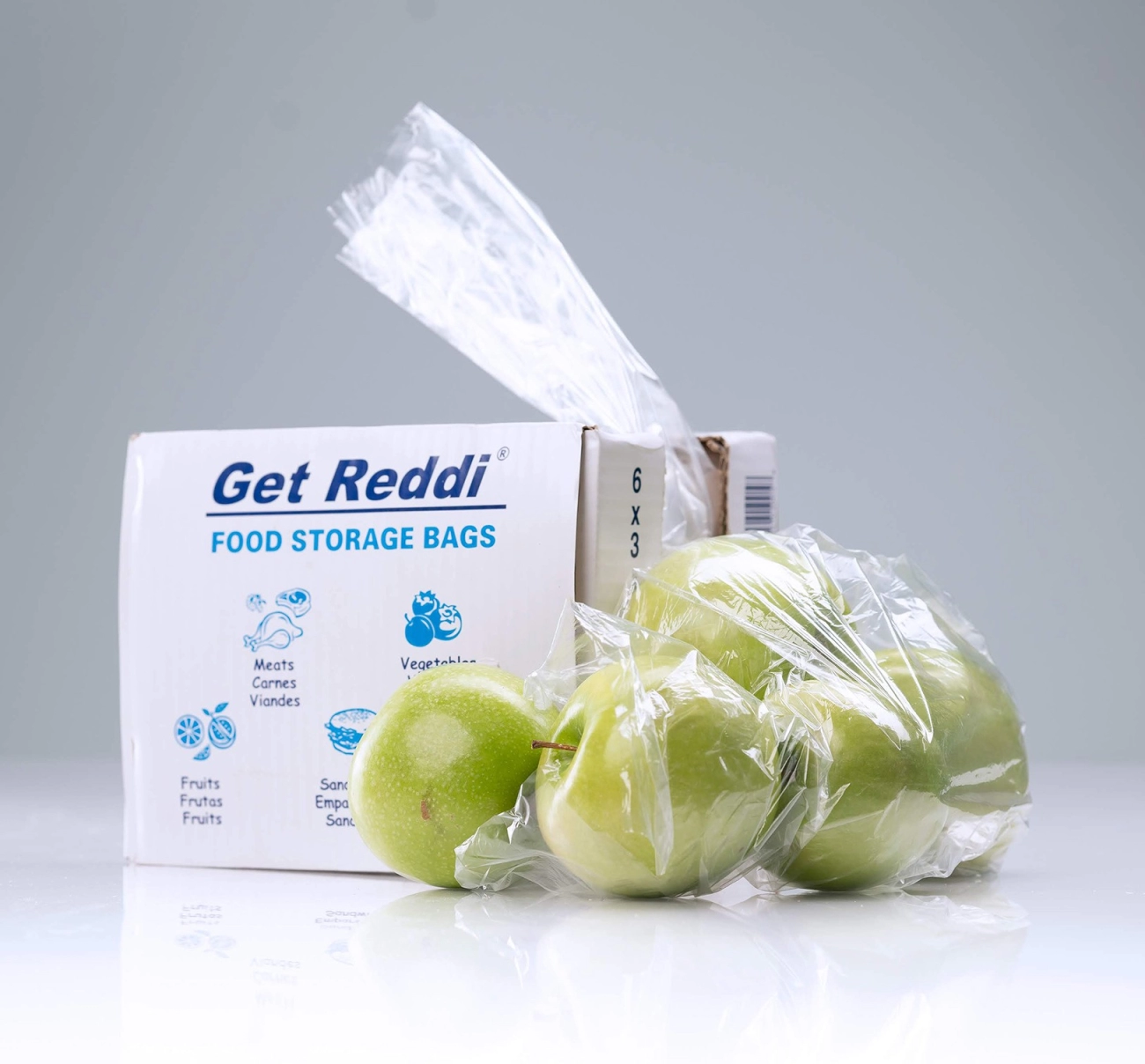
Are you on the hunt for lightweight PE food storage bags that make everyday food storage simple and efficient? Whether you’re looking to keep your kitchen organized or need reliable bags for preserving freshness, choosing the right polyethylene bags can be a game-changer.
Lightweight PE food storage bags offer the perfect balance of durability and convenience without added bulk—ideal for busy households, food businesses, or supermarkets aiming for cost-effective, space-saving solutions.
In this guide, you’ll discover everything from the benefits and types of these bags to practical buying tips that help you pick the best fit for your needs. Ready to make food storage easier and smarter? Let’s get started!
What Are Lightweight PE Food Storage Bags
Definition and Materials Used
Lightweight PE food storage bags are made from polyethylene (PE), a common thermoplastic polymer widely used in food packaging. PE is valued for being strong yet flexible, moisture-resistant, and safe for direct food contact. These bags use a thinner gauge of polyethylene compared to regular PE bags, which makes them lighter while maintaining basic durability.
Differences Between Lightweight and Regular PE Food Storage Bags
The main difference lies in the thickness and weight of the material:
- Lightweight PE bags use a thinner film, typically ranging from 0.5 to 1.5 mils in thickness.
- Regular PE bags usually range from 2 to 4 mils or more, offering more resistance to punctures and heavy loads.
Because of this, lightweight bags are easier to handle and more flexible but might not be suitable for very heavy or sharp items. Their thin nature also translates into less material, which helps reduce waste and cost.
Typical Sizes and Thickness Variations
Lightweight PE food storage bags come in various sizes depending on use—small snack bags, sandwich bags, up to larger gallon-sized bags for bulk storage. Thickness can vary based on the intended storage need:
| Bag Type | Typical Thickness | Common Sizes | Use Cases |
|---|---|---|---|
| Snack and Sandwich | 0.5 – 1 mil | 6×6 to 7×7 inches | Small snacks, sandwiches |
| Ziplock Style Bags | 1 – 1.5 mil | 6×8 to 10×12 inches | Everyday food storage |
| Gallon Size Bags | 1 – 1.5 mil | 10×12 to 12×15 inches | Bulk storage, freezer use |
These lightweight bags provide the right balance for easy storage, resealability, and food freshness, designed to suit everyday kitchen needs without unnecessary bulk or weight.
In , lightweight PE food storage bags are thin, flexible polyethylene bags designed for convenient and safe food storage. They differ from regular PE bags mainly in thickness and weight but remain reliable for most household and supermarket uses.
Key Benefits of Using Lightweight PE Food Storage Bags
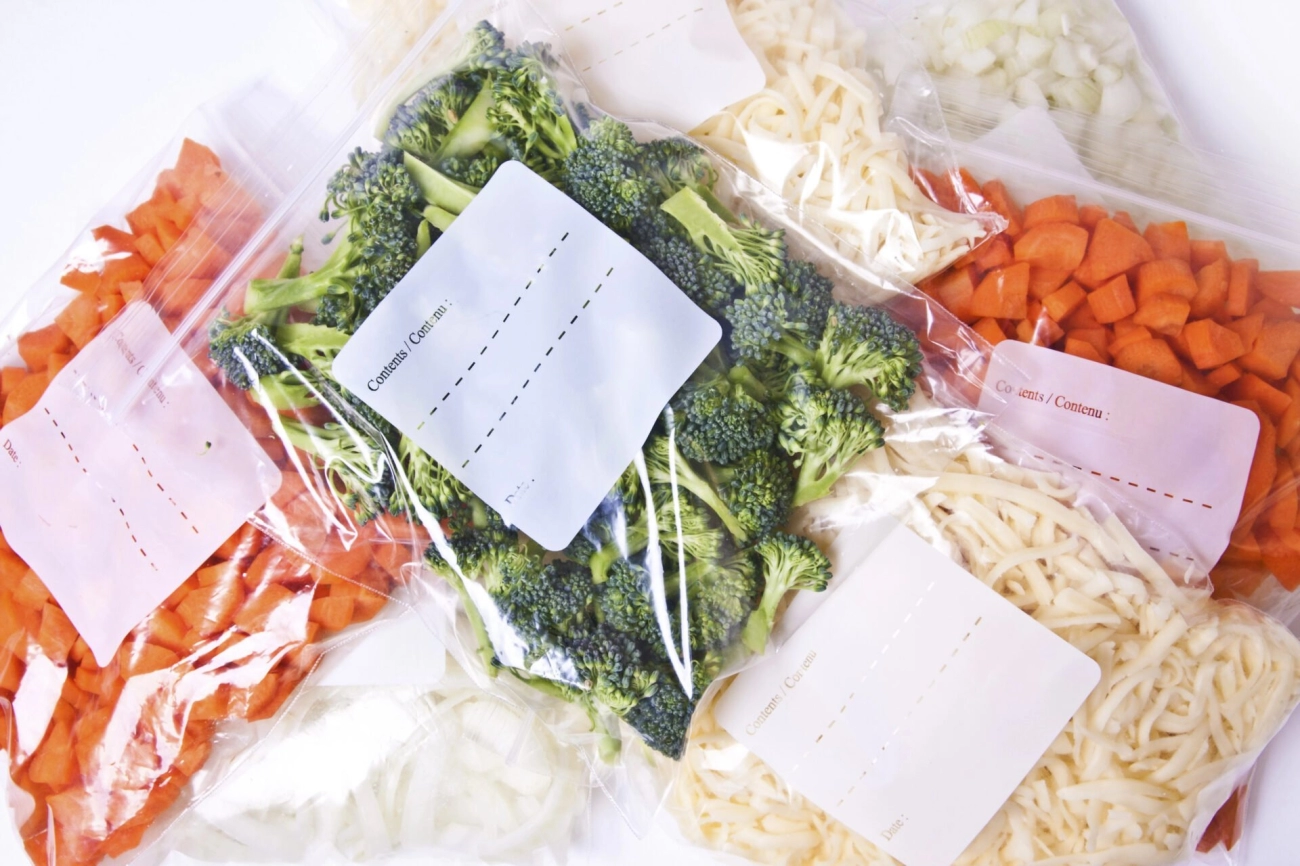
Choosing lightweight PE food storage bags brings a bunch of practical perks, especially for everyday use. Here’s why they stand out compared to other options:
Easy Handling and Convenience
Because they’re thin and flexible, lightweight polyethylene food storage bags are simple to open, fill, and seal. This ease makes them perfect for quick kitchen tasks like packing snacks for kids, portioning leftovers, or organizing ingredients. Their resealable features often add an extra layer of convenience that heavier bags might lack, allowing you to use them multiple times without hassle.
Food Preservation and Freshness Maintenance
One of the main benefits is how well these bags help keep food fresh. The food preservation plastic bags act as a barrier to air and moisture, slowing down spoilage, which is key for items like fruits, veggies, and baked goods. Plus, many lightweight PE bags are designed to be freezer safe, helping maintain quality when freezing without adding extra bulk.
Space Saving and Portability Advantages
Lightweight PE storage bags take up less space in your pantry, fridge, or freezer compared to rigid containers. Their thin profile means you can easily stack or squeeze them into tight spots. They’re also super portable—great for taking lunches or snacks on the go without carrying bulky boxes or jars.
Cost-Effectiveness
Using lightweight bags can be a real money-saver. They generally cost less than heavier bags, reusable silicone bags, or glass containers, yet still offer adequate protection for most food storage needs. Their affordability is especially noticeable if you buy in bulk for supermarket food storage packaging or daily kitchen use.
Environmental Considerations and Recyclability
While all plastic use has environmental impacts, many thin food storage bags today are made with recyclability in mind. Lightweight PE bags tend to use less material, reducing plastic waste compared to thicker bags. Some options even include biodegradable polyethylene bags or eco-friendly food storage bags variations, helping users reduce their footprint. Always check local recycling guidelines to dispose of these bags properly and support sustainability efforts.
Using lightweight PE bags balances convenience, cost, and environmental care, making them a smart choice for many US households and businesses.
Types of Lightweight PE Food Storage Bags
When it comes to lightweight PE food storage bags, there are several types designed to fit different storage needs. Understanding these helps you pick the right bag for your kitchen or business.
Ziplock Resealable PE Bags
These are the most popular type for everyday use. Featuring a simple resealable zipper, they make opening and closing easy while keeping your food fresh. Ideal for snacks, sandwiches, and leftovers, these resealable PE bags for food are convenient, reusable, and great for quick access.
- Key benefits: airtight seal, reusable, freezer safe
- Common in sizes that suit small to medium portions
Flat PE Bags Lay Flat Bags
Flat or lay-flat bags are simple, lightweight sheets sealed at one end. They’re great for storing flat items or layering food products in bulk. These thin food storage bags are space-efficient and often used for packaging in supermarkets.
- Key benefits: inexpensive, stackable, easy to label
- Sizes vary widely depending on product need
Gusseted PE Bags for Bulky Items
Gusseted bags have expandable sides or bottoms, which lets them hold more volume without stretching the material. Perfect for bulky or irregularly shaped food, these bags suit larger storage needs or packing ingredients like nuts, grains, or produce.
- Key benefits: extra storage space, sturdy, versatile
- Often used for commercial food packaging or bulk storage
Compostable or Biodegradable PE Alternatives
For eco-conscious shoppers, biodegradable polyethylene bags or compostable options are becoming more common. These bags break down more quickly in the environment and offer an alternative to traditional plastic without sacrificing functionality.
- Key benefits: eco-friendly, reduces plastic waste
- Check certifications to ensure compostability and recyclability
Each of these options fits specific needs, whether it’s quick resealing, space-saving packaging, or environmentally friendly storage. Matching your food types and storage habits with the right style makes a big difference in keeping food fresh and handling it easily.
How to Choose the Right Lightweight PE Food Storage Bag for Your Needs
Choosing the right lightweight PE food storage bags can make a big difference in keeping your food fresh, safe, and easy to handle. Here’s what you need to focus on:
Assess Bag Thickness and Durability
Not all polyethylene food storage bags are made equal. Thickness is key for durability—thicker bags resist tears and punctures better, especially when storing heavier or sharp-edged items. Look for bags that balance being lightweight with enough strength to avoid leaks or breakage. Generally, thin food storage bags work well for snacks or dry goods, while thicker options are better for bulkier or wetter foods.
Size and Volume Considerations
Pick bag sizes that suit your typical food storage needs. Having a range—from small snack-sized resealable PE bags for portion control, to larger bags for bulk items—gives you flexibility. Avoid buying oversized bags for small items, as they waste space and may let air inside, reducing freshness. Consider your freezer or pantry space to maximize food preservation plastic bags efficiency.
Seal Types and Ease of Use
Seal quality impacts how well your bag keeps food fresh and prevents leaks. Common options include:
- Ziplock resealable PE bags for easy open and close, perfect for everyday convenience.
- Simple fold-over or press seals that are cost-effective but may not provide an airtight environment.
Opt for bags with seals that match your storage style. For example, if you often move bags around, stronger zip closures work better.
Intended Food Types and Storage Duration
Think about what you store and how long:
- Storing fresh produce or leftovers? You’ll want bags that minimize air exposure to keep food crisp.
- Freezing meat or prepared meals? Look for freezer safe PE bags designed to maintain quality at low temperatures.
- Dry goods like nuts or snacks? Lightweight flat bags or resealable PE bags for food keep items dry and fresh.
Compatibility with Freezer and Microwave Use
If you plan to freeze or reheat food in the bags, check:
- Freezer safe PE bags resist cracking or becoming brittle in cold.
- Microwave-safe PE bags allow reheating without melting or releasing toxic fumes.
Using the right bag designed for these purposes ensures safety and food quality. Always confirm the manufacturer’s instructions for microwave or freezer use.
By focusing on these factors, you’ll find the best lightweight PE bags that fit your food storage habits, keep your food fresher longer, and make everyday use easier and more efficient.
Proper Usage and Storage Tips for Lightweight PE Food Storage Bags
Using lightweight PE food storage bags the right way can make a big difference in keeping your food fresh, safe, and odor-free. Here are some best practices for sealing and storing food items to get the most out of your polyethylene food storage bags.
Best Practices for Sealing and Storing Food
- Remove excess air before sealing to slow down food spoilage and freezer burn.
- Use the resealable PE bags for food with zippers or press-to-seal edges for a tight closure.
- For flat PE bags or lay-flat options, fold over the opening and secure with a clip or elastic band if no reseal feature exists.
- Store bags upright or flat depending on the food type to avoid leaks and spills.
- Label bags with date and contents to keep track of storage time easily.
Tips to Prevent Leaks Contamination and Odors
- Avoid overfilling your bags; leave enough space for proper sealing.
- Use separate bags for raw meats and ready-to-eat foods to prevent cross-contamination.
- If storing strong-smelling foods, opt for thicker or double bags to reduce odor transfer.
- Always place bags with liquids or juicy foods inside a secondary container or tray, especially in the fridge or freezer.
- Check the bags for any holes or tears before use to avoid leaks.
Cleaning and Reusing Options
- Many lightweight PE food storage bags are designed as single-use, but some can be rinsed and reused (especially the thicker, resealable types).
- To reuse, wash bags with mild dish soap and warm water, then air dry completely before storing.
- Avoid using reused PE bags for raw meat or dairy products for safety reasons.
- Reusable PE storage bags are a smarter option if you want to minimize plastic waste without sacrificing convenience.
Safe Disposal and Sustainability Tips
- Recycle your lightweight PE food storage bags where curbside recycling accepts polyethylene plastics.
- Not all PE bags are recyclable in every area, so check local guidelines before disposal.
- Consider switching to biodegradable polyethylene bags or eco-friendly food storage bags if sustainability is a priority.
- When disposal is necessary, flatten bags to save space in recycling bins.
- Avoid burning or littering plastic bags to reduce environmental harm.
Following these proper usage and storage tips will help you maximize the benefits of lightweight PE food storage bags, keep your kitchen efficient, and support eco-friendly habits.
Lightweight PE Food Storage Bags vs Other Food Storage Solutions
When it comes to storing food, lightweight PE food storage bags offer distinct advantages and drawbacks compared to other popular options like heavier PE bags, biodegradable bags, silicone bags, and glass containers. Understanding these differences helps you pick the right storage solution based on cost, usability, and environmental impact.
Comparison with Heavier PE Bags
- Weight and Flexibility: Lightweight PE bags are thinner and easier to handle than heavier PE bags, making them ideal for everyday use when you want convenience without bulk.
- Cost Efficiency: They tend to be more cost-effective since they use less material, which can be a big plus for families or bulk buyers.
- Durability: However, heavier PE bags offer better durability and puncture resistance, so they might be a better choice for storing sharp or bulky foods.
- Environmental Impact: Both types are recyclable, but using lightweight bags reduces plastic waste volume, supporting sustainability efforts.
Comparison with Biodegradable PE Bags
- Eco-Friendly Appeal: Biodegradable polyethylene bags are designed to break down faster in the environment, offering an advantage for eco-conscious consumers.
- Cost and Availability: Biodegradable options generally cost more and aren’t always as widely available in various sizes or thicknesses.
- Performance: Lightweight PE bags often perform better in maintaining food freshness due to their reliable moisture barriers, while biodegradable bags may sometimes sacrifice shelf life.
- Recycling vs Composting: Lightweight PE bags fit into existing recycling streams, whereas biodegradable bags require industrial composting facilities to break down properly — not always accessible in all U.S. regions.
Comparison with Silicone Storage Bags
- Reusability: Silicone bags are highly reusable, durable, and heat-resistant, making them great for freezer, microwave, and cooking use.
- Cost: They come with a higher upfront cost compared to lightweight PE bags but save money in the long run through reuse.
- Environmental Impact: Silicone bags are more sustainable when reused extensively, whereas lightweight PE bags are mostly disposable but recyclable.
- Convenience: Lightweight PE bags are more convenient for one-time use or quick food portioning without needing cleaning afterward.
Comparison with Glass Containers
- Food Preservation: Glass containers provide excellent airtight seals and are non-reactive, perfect for long-term storage and reheating.
- Durability and Portability: Lightweight PE bags win on portability and storage space since glass is heavy and breakable.
- Cost: Glass containers usually involve a larger initial investment than cheap polyethylene food storage bags.
- Environmental Factors: Glass is fully recyclable and reusable with zero plastic waste but has a higher carbon footprint in production and transport due to weight.
of Pros and Cons
| Storage Solution | Pros | Cons | Environmental Impact |
|---|---|---|---|
| Lightweight PE Bags | Lightweight, cost-effective, convenient, recyclable | Less durable, mostly single-use | Lower plastic usage but still plastic waste |
| Heavier PE Bags | More durable and puncture-resistant | Bulkier and heavier | Recyclable but uses more plastic |
| Biodegradable PE Bags | Eco-friendly, breaks down faster | Higher cost, limited availability | Requires proper composting, limited recycling |
| Silicone Bags | Reusable, durable, heat-resistant | Expensive upfront cost | Sustainable with reuse, no plastic waste |
| Glass Containers | Long-lasting, airtight, non-toxic | Heavy, breakable, expensive upfront | Fully recyclable, reusable, higher carbon footprint |
Choosing between these options depends a lot on your lifestyle:
- For quick, everyday use with a focus on affordability and ease, lightweight PE food storage bags are unbeatable.
- If you want to minimize waste and reuse, silicone or glass may fit better.
- For the eco-conscious who need disposable options, biodegradable polyethylene bags offer a middle ground.
To explore more about polyethylene food storage bags and how they fit your needs, you can check out our detailed guide on food-safe plastic bags and explore durable PE bags for food packaging.
Why Choose Artfullife for Your Lightweight PE Food Storage Bags
When it comes to lightweight PE food storage bags, Artfullife stands out as a trusted supplier, especially for supermarkets and bulk buyers across the U.S. Here’s why we’re a top choice:
Product Quality and Range
Artfullife offers high-quality polyethylene food storage bags made from premium materials that ensure durability and food safety. Our selection covers a wide variety of bag types—from resealable PE bags for food to thin food storage bags—designed to meet diverse storage needs. Whether you need freezer safe PE bags or flat lay-flat bags, we provide options made for reliable food preservation and freshness maintenance.
Competitive Pricing for Supermarkets and Bulk Buyers
We understand the cost pressures supermarkets face. That’s why Artfullife offers competitive pricing without compromising quality. Our bulk purchase options make it easy and affordable to stock up on eco-friendly food storage bags and reusable PE storage bags. This helps businesses keep their costs down while offering customers trustworthy packaging.
Customer Support and Delivery Options
Our commitment to customer satisfaction means you get responsive support whenever you need it. We help you find the right bags based on your specific needs and handle orders efficiently. Plus, Artfullife provides flexible delivery options across the United States, ensuring your supermarket or store always stays well stocked.
Commitment to Sustainability and Innovation
Artfullife is dedicated to offering environmentally responsible solutions. We continually explore innovations like biodegradable polyethylene bags and compostable PE alternatives, helping retailers reduce plastic waste. Our focus on sustainability supports the growing demand for eco-friendly food storage bags without sacrificing performance.
Choosing Artfullife means partnering with a supplier focused on quality, value, and sustainability—ideal for supermarkets seeking dependable, lightweight PE bags that meet modern food storage needs.