
















Are you searching for the best way to keep your dry foods fresh and well-protected? PE bags for dry food storage might be exactly what you need. Whether you’re a household shopper or managing a supermarket, choosing the right packaging is crucial to preserving quality and extending shelf life.
Polyethylene (PE) bags offer a simple yet effective solution that balances durability, safety, and cost. In this post, you’ll discover why PE bags stand out for dry food storage, the types available, and how to pick the right ones for your needs—all with insights from Artfullife, a trusted supermarket supplier.
Ready to find out how PE bags can simplify your food storage strategy? Let’s get started.
What Are PE Bags for Dry Food Storage
Polyethylene (PE) bags are a popular choice for storing dry foods due to their versatile material properties. Made from polyethylene, a lightweight and durable plastic, these bags provide effective protection for various food items. PE bags come mainly in two types: Low-Density Polyethylene (LDPE) and High-Density Polyethylene (HDPE).
Types of PE Bags for Food Storage
- LDPE bags: Known for their flexibility and clarity, LDPE bags are soft and stretchable, making them ideal for dry food packaging where easy sealing and resealability are important. These bags offer good moisture resistance and are commonly used for food grade PE bags.
- HDPE bags: These are stiffer and stronger than LDPE bags, providing excellent puncture resistance and durability. HDPE bags are often used for bulk packaging and heavier dry foods that require more robust protection.
Food-Grade Certification and Safety Standards
When choosing PE bags for dry food storage, it’s crucial to ensure they are food-grade certified. This means the material complies with safety standards set by regulatory bodies such as the FDA (Food and Drug Administration) in the U.S. Food-grade PE bags are manufactured without harmful chemicals and are safe for direct contact with foods like rice, nuts, and grains. Look for certifications that guarantee moisture-proof food bags and maintain food freshness without contamination risks.
PE bags for dry food storage combine strength, safety, and flexibility, making them a reliable option for both household and commercial use.
Why Choose PE Bags for Dry Food Storage
When it comes to storing dry food, PE bags for dry food storage offer several clear advantages that make them the go-to option for both households and businesses across the United States.
Excellent Moisture Resistance and Barrier Properties
PE bags provide a strong moisture-proof barrier, which is essential for keeping dry foods such as rice, nuts, and dried fruits fresh. This barrier helps prevent moisture from seeping in and spoiling the food, extending shelf life and maintaining quality.
Breathability Helps Maintain Food Freshness
Unlike some other plastics, certain types of polyethylene bags allow minimal air exchange. This slight breathability helps in preserving the texture and flavor of dry foods without trapping excess humidity, which can cause mold or spoilage.
Durable and Puncture Resistant
PE bags are known for their durability. They hold up well under pressure and resist tears or punctures. This durability is crucial in protecting delicate items like pasta or grains during shipping, storage, and daily handling.
Transparency for Easy Content Identification
Clear polyethylene food storage bags provide excellent visibility of the contents. This makes it super simple to identify what’s inside at a glance without opening the bag, which is a big plus for supermarkets and kitchen use alike.
Cost-Effective Packaging Solution
Compared to alternatives like glass jars or metal tins, PE bags are highly cost-effective. They offer a reliable, lightweight, and affordable way to package dry food in bulk or smaller portions without compromising on safety or quality.
By combining these benefits, PE bags meet the everyday demands of dry food storage, offering a practical solution that balances performance, convenience, and price.
Typical Dry Foods Stored in PE Bags for Dry Food Storage
PE bags are ideal for storing a wide range of dry foods thanks to their moisture-proof and durable nature. Here are some common dry food items that benefit from storage in polyethylene food storage bags:
- Rice – Long grain, basmati, jasmine, and other varieties stay dry and fresh.
- Beans – Black beans, kidney beans, pinto beans, and more keep their quality intact.
- Nuts – Almonds, walnuts, cashews, and other nuts stay crunchy without absorbing moisture.
- Pasta – From spaghetti to penne, pasta stored in PE bags avoids moisture damage.
- Dried fruits – Raisins, apricots, dates, and similar products maintain texture and flavor.
- Grains – Quinoa, barley, millet, and other grains are protected from pests and humidity.
- Flour – Wheat, all-purpose, almond, and other flours are kept dry and free-flowing.
- Spices – Ground and whole spices maintain potency and are easy to organize.
Use for Household and Commercial Storage
PE bags are not just for home use; they are also widely used in supermarkets, warehouses, and food processing facilities because they:
- Keep food products fresh during transport and storage.
- Allow easy portion control and packaging.
- Are available in bulk sizes, which suit commercial needs.
- Meet food-grade safety standards for consumer confidence.
Whether you’re storing food in your kitchen pantry or managing inventory on a larger scale, PE bags offer a reliable, cost-effective packaging solution that keeps dry foods safe and easy to identify with their clear poly bags for food design.
How to Select the Right PE Bags for Your Needs
Choosing the right PE bags for dry food storage depends on a few key factors that ensure your food stays fresh, safe, and easy to handle. Here’s what to consider:
Size and Thickness
- Match the bag size to your food quantity. For example, smaller bags work well for spices or nuts, while larger sizes fit rice, grains, or flour.
- Consider thickness (measured in mils). Thicker bags (3-6 mils) offer better puncture resistance and durability, ideal for heavier or bulkier dry foods like beans or dried fruits.
- Thinner bags (1-2 mils) are suitable for lightweight or small quantities but might tear more easily.
Seal Types for Resealability
- Heat-seal bags provide an airtight, tamper-proof closure, perfect for long-term storage and maintaining freshness.
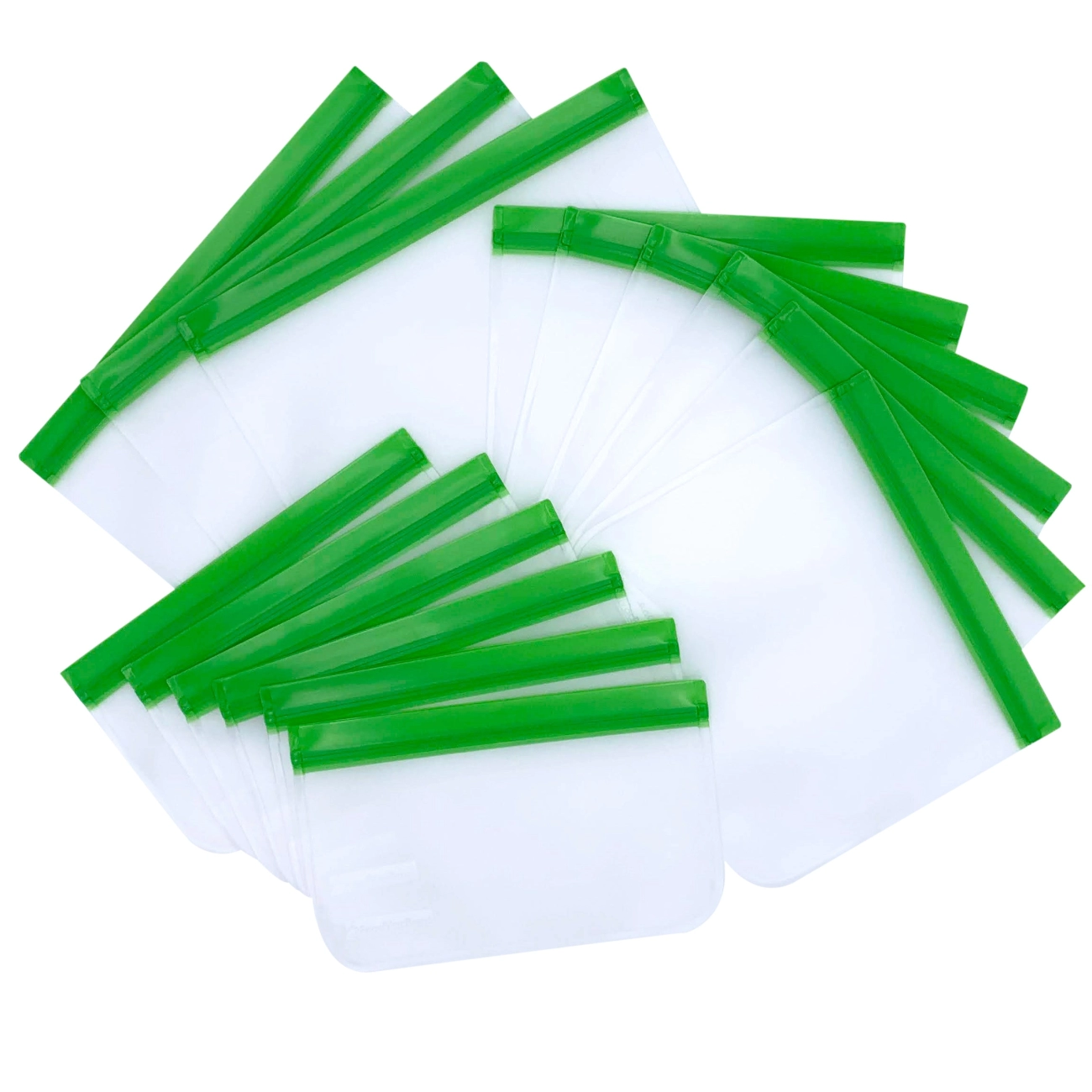
- Zip-lock bags offer easy resealability, making them excellent for everyday use where frequent access is needed.
- Other seal options like adhesive strips or slider closures are also available depending on your storage and usage needs.
Packaging Sizes and Bulk Options
- If you’re supplying a supermarket or running a food warehouse, buying PE bags in bulk saves cost and ensures consistent availability.
- Bulk packaging often comes on rolls or packs, which can improve efficiency and reduce packaging waste.
- For retail purposes, consider individual packaging sizes that fit customer purchases without excess waste.
Food Safety Certifications to Look For
- Always select food-grade PE bags that comply with FDA regulations and USDA standards to ensure your dry food is safe to store and consume.
- Look for clear poly bags for food that mention certifications like LFGB or FDA-approved materials.
- Certifications confirm the bags won’t leach harmful chemicals and are made from high-purity polyethylene suitable for dry food packaging.
By focusing on size, thickness, seal type, bulk options, and safety certification, you’ll find the right polyethylene food storage bags that meet your exact needs for dry food storage. Whether for home use or commercial supply, these steps help maximize protection and food freshness efficiently.
Best Practices for Using PE Bags for Dry Food Storage
Using PE bags for dry food storage the right way can make a big difference in keeping your food fresh and safe. Here are some key tips to get the most out of your polyethylene food storage bags:
Proper Sealing Techniques
- Seal bags tightly using heat-seal or zip-lock closures to prevent air and moisture from getting in. A proper seal can significantly extend the shelf-life of dry foods like rice, nuts, and beans.
- For heat-sealable PE bags, use a reliable heat sealer to create a strong, airtight closure.
- If using resealable zip-lock bags, make sure the closure is fully pressed together every time you use the bag.
Store in Ideal Environments
- Keep PE bags in a cool, dry place to reduce the risk of moisture buildup. Ideal storage temperatures for most dry foods are between 50°F and 70°F.
- Avoid exposing bags to direct sunlight or heat sources, which can degrade the polyethylene and affect food quality.
- Control humidity levels where you store the bags. High humidity can cause condensation inside the bag, leading to clumping or mold.
Avoid Contamination and Maintain Cleanliness
- Always store dry food in clean, food-grade PE bags to prevent contamination.
- Before filling, ensure your hands, utensils, and the storage area are clean.
- Avoid mixing new food with leftovers unless the bag has been properly cleaned or replaced.
- Use disposable gloves if handling sensitive or allergenic foods like spices and nuts to reduce cross-contamination risk.
Following these best practices with your PE bags will help maintain the freshness and safety of your dry foods, whether you’re storing at home, in a commercial warehouse, or a supermarket environment. Proper sealing, storage conditions, and cleanliness are essential to fully benefit from the moisture-proof, durable, and food-safe properties of polyethylene food storage bags.
Artfullife’s Range of PE Bags for Dry Food Storage
At Artfullife, we offer a wide selection of PE bags for dry food storage designed to meet the unique needs of supermarkets, warehouses, and food suppliers across the United States. Our product lineup includes clear poly bags for food, heat-sealable PE bags, and moisture-proof food bags that ensure freshness and safety for your dry goods.
Customization Options for Supermarket Businesses
We understand that every business has specific packaging requirements. That’s why Artfullife provides custom sizes, thicknesses, and seal types, including resealable zip-lock options. Whether you need bulk PE bags for rice storage, nuts, or dried fruits, we can tailor orders to fit your inventory and branding needs.
Quality Assurance and Food Safety Compliance
All our food grade PE bags meet strict safety standards to guarantee your products remain uncontaminated. We commit to using polyethylene food storage bags that are BPA-free, FDA-approved, and comply with the latest food safety certifications. This ensures your customers receive products stored in clean, safe packaging every time.
How to Order
Ordering from Artfullife is straightforward:
- Visit our website or call our sales team.
- Specify your desired bag size, thickness, and seal style.
- Discuss any customization for branding or bulk packaging needs.
We provide prompt delivery across the US and reliable customer support to assist you every step of the way.
Choose Artfullife for trusted, durable, and cost-effective PE bags for dry food packaging and storage.
Frequently Asked Questions About PE Bags for Dry Food Storage
Are PE Bags Reusable for Dry Food Storage
Yes, PE bags are reusable as long as they are properly cleaned and handled. Many people reuse food-grade PE bags for storing dry foods like rice, nuts, and beans. Just make sure to empty the bag completely and wash or wipe it clean to avoid contamination. Bags with resealable features such as zip-lock seals make reuse easier and safer.
Can PE Bags Preserve Food for Long Periods
PE bags provide excellent moisture resistance and barrier properties, which help preserve dry foods for extended periods. When sealed properly and kept in a cool, dry environment, these bags can protect contents from humidity and pests, keeping foods fresh longer. However, storage conditions matter a lot—avoid direct sunlight and high heat to maximize shelf life.
Are PE Bags Environmentally Friendly or Recyclable
PE bags are made from polyethylene, a recyclable plastic, but recycling options depend on local facilities. While PE is recyclable, the reality is many bags end up in landfill if not disposed of properly. Choosing reusable PE bags and recycling them wherever possible helps reduce environmental impact. Look for bags marked with recycling codes, and support suppliers offering eco-friendly options.
How Do PE Bags Compare With Other Packaging Materials
Compared to other dry food packaging like paper or foil bags, PE bags stand out for durability, moisture resistance, and cost-effectiveness. They offer clear visibility, which allows quick content identification. Unlike some alternatives, PE bags can be heat-sealed or resealed multiple times, making them ideal for both home and commercial use in supermarkets and warehouses. However, if biodegradability is your priority, other materials like compostable bags might be worth exploring. But overall, PE bags balance performance and price for everyday dry food storage.
If you have more questions about selecting or using food-grade PE bags, feel free to reach out. We’re here to help you store your dry foods safely and smartly.