

















Are you looking for the best way to keep your food fresh longer without wasting money on inferior packaging? PE bags for vacuum-sealed food storage might be exactly what you need. These Polyethylene vacuum bags are a game-changer when it comes to preserving flavors, preventing freezer burn, and extending shelf life.
If you’re curious about why PE vacuum bags are favored over other materials, how to choose the right ones, or how to use them effectively with your vacuum sealer, you’re in the right place. In this guide, you’ll get clear, trustworthy insights on food-grade PE bags, their benefits, and tips to ensure your vacuum-sealed food stays fresh and safe.
Ready to learn everything you need to know—and find out why Artfullife’s PE vacuum bags are trusted by many? Let’s dive in!
What Are PE Bags in Vacuum-Sealed Food Storage
When it comes to vacuum-sealed food storage, PE bags are a top choice. PE bags are made from polyethylene (PE), a versatile plastic polymer known for its strength, flexibility, and food-safe properties. Polyethylene’s chemical structure makes it resistant to moisture, oxygen, and many chemicals, which is why it’s widely trusted for preserving food freshness.
Understanding Polyethylene and Its Material Properties
Polyethylene comes in different forms, but the two main types used for vacuum sealing food are Low-Density Polyethylene (LDPE) and High-Density Polyethylene (HDPE).
- LDPE is softer, more flexible, and has excellent clarity. It’s commonly used for vacuum seal bags because it easily forms airtight seals and offers good resistance to tears and punctures.
- HDPE is denser, more rigid, and has higher tensile strength, making it less flexible but very tough. HDPE is often used where more durability is needed but is less common for vacuum bags requiring transparent flexibility.
Both types are safe for food contact and meet strict food-grade standards, making polyethylene one of the most reliable materials for food packaging.
Food-Safe Standards and Certifications for PE Bags
PE bags used for food storage typically comply with key safety regulations such as:
- FDA approval for food contact materials, ensuring no harmful chemicals leach into food.
- BPA-free certifications, which guarantee the bags are free from bisphenol A, a chemical of concern in food plastics.
- Food-grade standards that affirm the material does not affect food taste or quality.
These certifications reinforce why PE is trusted for preserving everything from fresh produce to meats and frozen foods.
Why PE Is Widely Used for Vacuum-Sealed Food Packaging
The popularity of PE bags in vacuum-sealed food storage comes down to their unique advantages:
- Excellent moisture and oxygen barrier properties help keep food fresh longer by preventing freezer burn and spoilage.
- Durability and puncture resistance protect foods from damage during storage or transport.
- Transparency and flexibility make it easy to see the contents inside without opening the bag.
- Compatibility with most vacuum sealing machines, from handheld to chamber models, adds to convenience.
In addition, PE bags are cost-effective compared to other vacuum bag materials, offering a great balance between price and performance.
By combining safety, durability, and practicality, PE vacuum seal bags remain a preferred choice for consumers and food businesses looking to keep food fresh, safe, and easy to store.
Benefits of Using PE Bags for Vacuum-Sealed Food Storage
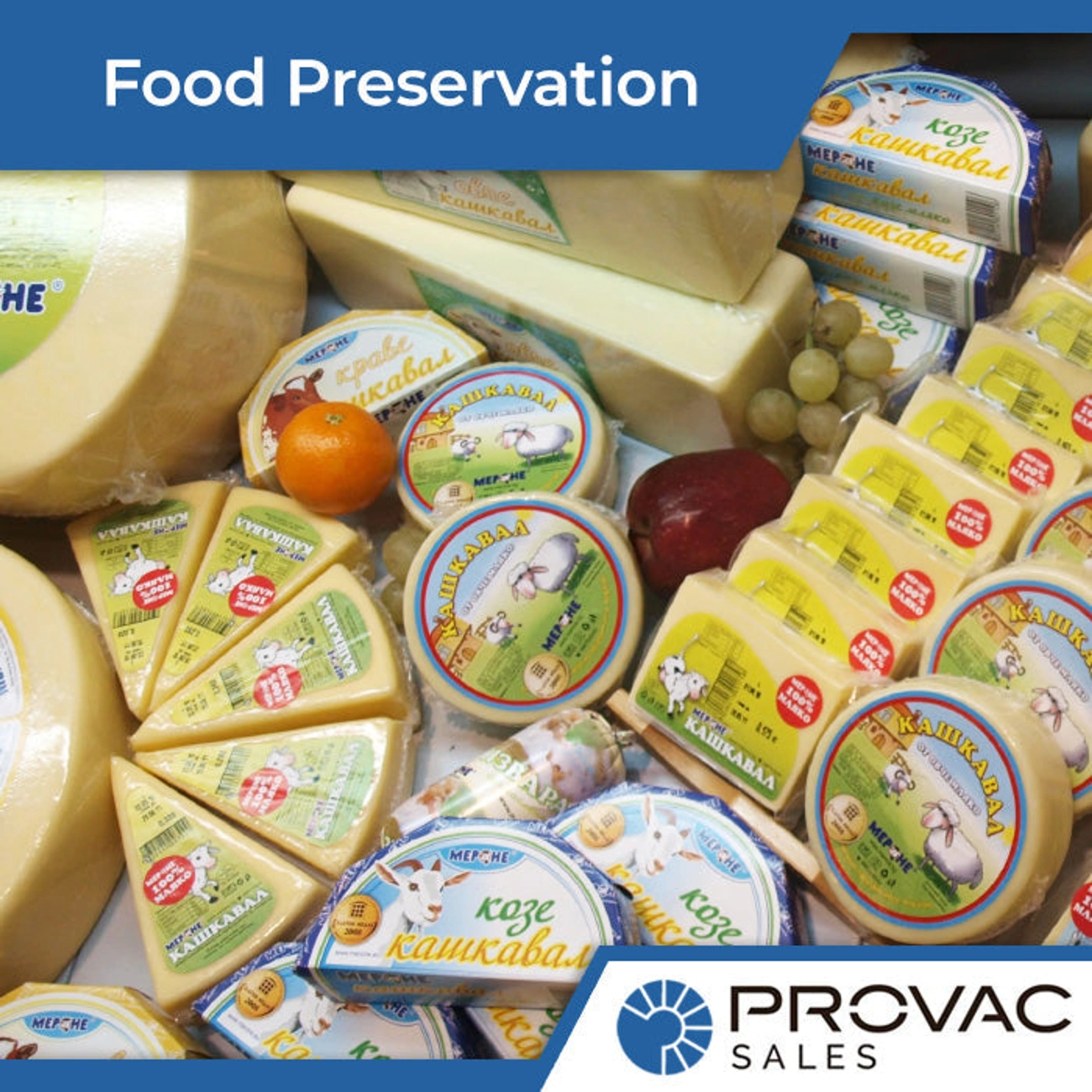
When it comes to vacuum-sealed food storage, PE bags (polyethylene vacuum bags) offer a solid mix of protection, convenience, and value, making them a top choice in many U.S. kitchens.
Airtight Sealing Protects Food Quality
One of the biggest advantages of PE bags for vacuum sealing is their airtight seal, which locks out moisture and oxygen—the main culprits behind food spoilage. This effective barrier helps prevent freezer burn, keeping your meat, vegetables, and other stored items fresher for longer.
Durable and Puncture-Resistant for Various Foods
PE vacuum bags are tough and puncture-resistant, making them ideal for a range of foods, including sharp or bulky items like bone-in meats or frozen fruit. This durability ensures the bags won’t tear or damage easily during freezing or storage, which is essential for maintaining freshness and food safety.
Flexible and Transparent for Easy Identification
These bags are flexible and clear, so it’s easy to see what’s inside without opening them. That makes meal prep or inventory checks quicker and easier—especially when you’ve got batches of vacuum-sealed food in the freezer or pantry.
Cost-Effective Choice
Compared to other vacuum bag materials, PE bags are often more affordable without sacrificing quality, making them a practical choice for families and regular users. When buying in bulk, you get even better value, which is important for those who store food long-term or meal prep weekly.
Environmentally Friendly and Recyclable
PE bags are commonly recyclable where facilities exist, an important factor for eco-conscious shoppers. While not all vacuum bags are easily recyclable, many PE bags qualify as recyclable polyethylene, helping reduce plastic waste when disposed of properly.
In , PE food storage vacuum bags strike a balance between protection, usability, and cost. They keep your food safe from freezer burn and spoilage, are tough enough for heavy use, let you see the contents clearly, and are budget-friendly—all while being a better choice for the environment compared to some other materials.
How to Choose the Right PE Vacuum Bags for Food Storage
Picking the right PE bags for vacuum-sealed food storage makes a big difference in keeping your food fresh and safe. Here’s what to focus on:
Bag Thickness and Size
- Thickness matters: Thicker bags (3 mil or more) are best for freezer use and tougher items like meat or bones. Thinner bags work fine for soft veggies or snacks.
- Size selection: Choose bags that fit your food without too much extra space. Too large bags waste air, making sealing less effective, while too small bags might not fully hold your food.
Compatibility with Vacuum Sealers
- Know your machine: Some PE vacuum bags work better with standard external sealers, while others are made for handheld or chamber vacuum sealers.
- Check sealing types: Smooth-surface bags typically seal well with external sealers. Textured bags are great for chamber machines because they allow air to flow easily during vacuuming.
Features to Consider
- Smooth vs textured surface: Textured bags help air escape better during sealing, reducing sealing failures. Smooth bags give a clearer view of your food but might seal slower.
- Resealable options: Having resealable PE vacuum bags can add convenience, especially for foods you want to use over time without opening multiple bags.
BPA-Free and FDA-Compliant for Safety
- Always select BPA-free PE vacuum bags to avoid chemicals leaching into your food.
- Look for FDA-compliance and food-grade certification, ensuring the bags meet safety standards for direct food contact.
Common Mistakes to Avoid
- Using the wrong bag thickness causing punctures or poor seals.
- Choosing bags incompatible with your vacuum sealer leading to wasted bags and frustration.
- Overlooking the importance of BPA-free and food-safe certifications, risking health issues.
- Buying bags that are too large or too small for your food items, reducing vacuum effectiveness.
By understanding these key points, you can pick food-grade polyethylene vacuum bags that fit your needs, protect your food well, and work smoothly with your vacuum sealing system.
Step-by-Step Guide Using PE Bags for Vacuum-Sealed Food Storage
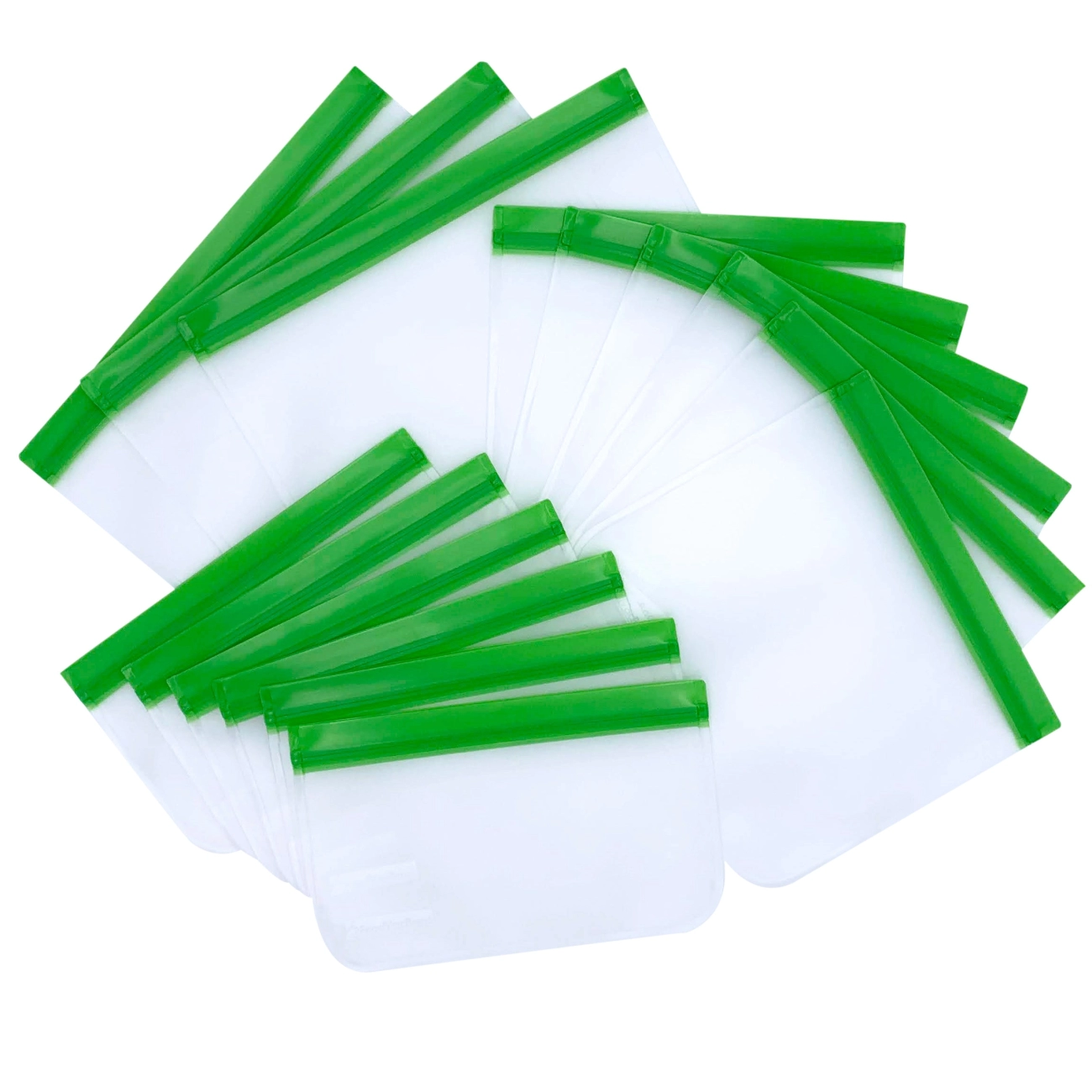
Vacuum sealing with PE bags for vacuum-sealed food storage is a simple way to keep your food fresh longer, save space, and reduce waste. Here’s a straightforward guide to get the best results every time.
Preparing Food and Selecting the Right Bag Size
- Clean and dry food before sealing. Excess moisture can interfere with vacuum sealing.
- Cut food into meal-sized portions. This makes thawing and cooking easier.
- Choose the right bag size. Use bags slightly larger than the food to ensure enough space for sealing. For bulky items, opt for larger bags designed for freezer use.
Proper Sealing Techniques for Airtightness
- Fill the bag without overstuffing. Leave about 2 to 3 inches at the top for sealing.
- Make sure the sealing area is clean and dry. Wipe off any food residue or liquid.
- Use a compatible vacuum sealing machine. Different machines work best with specific PE bag textures and thicknesses.
- Seal slowly and evenly. Avoid rushing the process to ensure a strong, airtight seal that prevents leaks.
Tips for Vacuum Sealing Liquids, Solids, and Delicate Items
- For liquids: Freeze soups, sauces, or marinades before sealing, or use a vacuum sealing machine with a liquid barrier or drip tray to prevent spills.
- For solids: Lay items flat inside the bag to save space and improve vacuum efficiency.
- For delicate items (berries, chips, pastries): Use textured PE vacuum bags and seal gently. Avoid complete vacuum on brittle foods to prevent crushing.
Storage Recommendations for Freezer Fridge and Pantry
- Freezer: Use thicker PE vacuum bags (3 mil or more) designed for freezer-safe vacuum seal bags to prevent freezer burn and punctures.
- Fridge: Standard PE vacuum bags work great for short-term storage of dairy, meats, and leftovers.
- Pantry: Vacuum-sealed dry goods (nuts, grains, spices) stored in BPA-free vacuum storage bags stay fresh longer and are protected from pests and moisture.
Tips for Maximizing Food Shelf Life with PE Vacuum Bags
- Use food-grade, BPA-free PE bags that meet FDA standards to ensure safety.
- Label bags with the date and contents before sealing.
- Avoid puncturing bags by keeping sharp bones or edges away from the plastic.
- Rotate stored food regularly, using older items first.
- Store vacuum-sealed bags flat or stack neatly to save space and prevent damage.
Following these steps with quality polyethylene vacuum bags helps keep your meals fresher, tastier, and safer—whether you’re prepping for the week or bulk storing your groceries.
Comparing PE Bags to Other Vacuum Bag Materials for Food Storage
When it comes to vacuum-sealed food storage, PE bags for vacuum-sealed food storage are popular, but it’s worth knowing how they stack up against other materials like PA/PE laminated bags (polyamide/polyethylene). Each type offers different benefits depending on what you need in terms of protection, durability, and cost.
PE Bags Versus PA/PE Laminated Bags
-
Material Composition
PE bags are made purely from polyethylene, known for their flexibility and moisture resistance. In contrast, PA/PE laminated bags combine polyamide (nylon) with polyethylene. The polyamide layer adds extra strength and superior barrier properties.
-
Barrier Properties
- PE Vacuum Bags excel at keeping out moisture and oxygen but have moderate barrier protection against gases.
- PA/PE Laminate Bags offer a much higher oxygen barrier and better puncture resistance, making them ideal for long-term food storage or strong-smelling foods like cured meats and cheeses.
-
When to Use Which
- Use PE bags if you’re storing everyday items like fruits, vegetables, and leftovers that don’t require extended shelf life. They’re perfect for freezer storage where moisture protection is key.
- Go for PA/PE laminated bags for vacuum sealing meats, fish, or foods prone to freezer burn or flavor loss. Their extra barrier helps preserve taste and freshness longer.
Cost Versus Protection
- Cost Efficiency
PE bags are generally less expensive and widely available. This makes them a smart choice if you shop on a budget or seal food frequently. - Higher Cost for Extra Protection
PA/PE laminate bags, being more complex to manufacture, cost more but justify this with added durability and extended shelf life benefits.
Tailoring Your Choice to Food Type and Storage Needs
- For short-term freezer storage or foods consumed within a few weeks, BPA-free PE vacuum bags provide enough protection without breaking the bank.
- For long-term storage or commercial use where food safety and shelf life are critical, investing in high-barrier PA/PE laminated vacuum packaging bags makes sense.
- Consider your vacuum sealing machine compatibility too — most devices work with both, but double-check for thickness and texture.
In , PE vacuum bags offer great value and flexibility for typical home use, while PA/PE laminated bags are better suited for tougher storage demands where extra barrier protection is essential. You can pick the right material based on how long you need to keep your food fresh, what type of food you’re sealing, and your budget.
Why Choose Artfullife for Your Vacuum-Sealed PE Bags
When it comes to PE bags for vacuum-sealed food storage, Artfullife stands out as a trusted supermarket supplier committed to quality and safety. Here’s why choosing Artfullife makes sense for your food storage needs:
Commitment to Quality and Safety Standards
Artfullife ensures that every batch of polyethylene vacuum bags meets strict food-safe standards, including FDA compliance. Their bags are BPA-free and crafted from food-grade PE material, giving you peace of mind that your food stays safe and fresh. The focus on durability and airtight sealing also helps prevent freezer burn and spoilage better than ordinary bags.
Wide Range of PE Vacuum Bags Tailored to Various Needs
No matter if you need vacuum seal bags for meats, vegetables, or bulk pantry storage, Artfullife offers a diverse selection of sizes and thicknesses. Whether you use a handheld vacuum sealing machine or a chamber sealer, their vacuum seal bags for freezer are compatible and designed to deliver reliable airtight protection every time.
Excellent Customer Support and Bulk Order Options
Artfullife understands that customers often need guidance when selecting the right food storage vacuum bags for their unique needs. Their support team is readily available to help with product info and customization. Plus, they provide convenient bulk vacuum bags supplier options, making it easy and economical for both households and small businesses to stock up.
Proven Satisfaction Through Testimonials and Case Studies
Hundreds of customers across the U.S. have trusted Artfullife for their vacuum sealing bags for meat and vegetables and other food items. Positive reviews highlight the bags’ durability, clear transparency for food identification, and cost-effectiveness. These real-world use cases confirm that Artfullife products consistently deliver on their promise.
Choosing Artfullife means investing in reliable, safe, and efficient vacuum-sealed PE bags that meet American food storage needs while supporting sustainable, eco-friendly practices.
Frequently Asked Questions About PE Bags for Vacuum-Sealed Food Storage
Can PE Bags Be Reused
Yes, many PE bags for vacuum-sealed food storage can be reused, especially if they are carefully cleaned and not damaged. However, repeated use might reduce their airtight sealing ability over time. For best results, avoid using bags that have tears, punctures, or visible wear to maintain food safety and freshness.
Are PE Vacuum Bags Safe for Sous Vide Cooking
Food-grade PE vacuum bags are generally safe for sous vide cooking as long as they are BPA-free and designed for heat resistance. Always check the product specifications to confirm temp tolerance. PE’s low chemical reactivity makes it stable at typical sous vide temperatures, but bags not meant for heat may melt or release unwanted chemicals.
How Thick Should PE Bags Be for Freezer Storage
For freezer use, it’s best to pick freezer-safe vacuum seal bags with a thickness of at least 3 mils (0.003 inches). Thicker bags help prevent freezer burn and resist punctures better, keeping your meat, vegetables, and leftovers fresh longer. For heavy or sharp foods like bones, consider bags 4 mils or thicker.
Can PE Bags Be Used in Commercial Food Packaging
Yes, PE vacuum sealing bags meet many food-safe standards like FDA compliance, making them suitable for commercial food packaging. They offer excellent protection against moisture and oxygen, which is critical for extending shelf life. However, commercial operations often prefer laminated bags combining polyethylene with other materials for enhanced barrier protection when required.
How to Dispose of PE Vacuum Bags Responsibly
Since PE bags are recyclable in many communities, the right disposal helps reduce environmental impact. Here’s what you can do:
- Check local recycling guidelines to see if clean PE vacuum bags are accepted.
- Rinse bags to remove food residue before recycling.
- Avoid putting bags in curbside bins if not accepted—take them to designated plastic bag recycling sites instead.
- Consider using reusable PE vacuum bags to cut down on waste.
Proper disposal and recycling of PE bags support sustainability efforts without compromising your food storage needs.