
















Are you searching for reliable PE food bags for kitchen use that make storing, freezing, and organizing your food effortless and safe? Choosing the right polyethylene (PE) food bags isn’t just about convenience — it’s about preserving freshness, ensuring food safety, and keeping your kitchen running smoothly.
In this guide, you’ll discover what makes PE food bags a go-to choice for kitchens everywhere, how to pick the perfect size and type for your needs, and why trusted suppliers like Artfullife stand out when it comes to quality and reliability.
If you want simple, durable, and food-safe storage solutions, keep reading to learn how PE food bags for kitchen use can transform your everyday food storage routine.
What Are PE Food Bags for Kitchen Use
When looking for reliable kitchen storage bags for food, PE food bags are among the most common options. But what exactly are they?
Definition and Explanation of Polyethylene Material
PE stands for polyethylene, a type of plastic widely used in food packaging. Polyethylene is a polymer made from ethylene molecules, known for its flexibility, durability, and chemical resistance. This makes it an ideal material for food storage bags, providing a safe barrier that protects food from moisture, air, and contaminants.
Types of PE Used in Food Bags and Their Characteristics
Two main types of polyethylene are used in food storage bags:
-
LDPE (Low-Density Polyethylene)
- Soft, flexible, and slightly stretchy
- Excellent transparency for easy food visibility
- Commonly used for resealable zipper bags and sandwich bags
- Good moisture resistance, ideal for fresh food preservation
-
HDPE (High-Density Polyethylene)
- More rigid and tougher than LDPE
- Better puncture and tear resistance
- Typically used in thicker, freezer safe polyethylene bags
- Less stretchy but provides a strong moisture barrier
Why PE Food Bags Are Food-Safe and Environmentally Favorable
PE food bags stand out because they are:
- Food-grade and BPA-free, meaning they don’t leach harmful chemicals into your food.
- Chemically inert, so they do not react with food or alter taste and odor.
- Unlike some plastics, PE is generally regarded as safe for direct food contact by the FDA and other authorities.
- Environmentally favorable compared to alternatives like PVC or non-recyclable plastics. PE is widely recyclable in many communities, and innovations in biodegradable PE bags are reducing the environmental footprint of these kitchen essentials.
polyethylene food storage bags combine safety, functionality, and a lower environmental impact, making them a preferred choice for home kitchens and commercial use alike.
Benefits of Using PE Food Bags for Kitchen Use

When it comes to kitchen storage bags for food, PE food bags stand out for several reasons. First up is food safety and hygiene. Polyethylene (PE) is chemically inert, meaning it doesn’t react with your food. Plus, PE bags are BPA-free, so you don’t have to worry about harmful chemicals leaching into your meals. This makes them a safe choice for storing everything from fresh veggies to cooked leftovers.
Versatility in the Kitchen
PE food bags are incredibly versatile. You can use them for:
- Storing fresh produce or leftovers in the fridge or pantry
- Freezing meats, fruits, or prepared meals without freezer burn
- Marinating meats – the bags hold flavors well and prevent leaks
- Portioning meals for easy prep or diet control
- Organizing kitchen essentials or bulk ingredients
Their flexibility means you can tackle all these tasks with one reliable product.
Durability and Protection
Look for durable plastic food bags for kitchen use that offer excellent tear resistance and a strong moisture barrier. PE bags protect your food from air and moisture, keeping it fresh longer. The material’s strength helps prevent rips and spills, which is vital for messy or sharp-edged foods like sliced vegetables or bones.
Convenience Features for Everyday Use
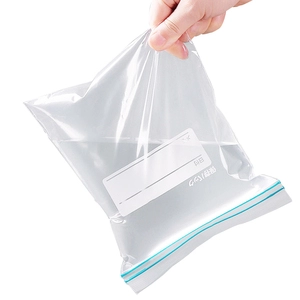
Many PE food bags come with resealable zipper designs, making it easy to open and close the bag multiple times while keeping food fresh. They come in various sizes and thicknesses to suit everything from small snack packs to bulk storage.
PE bags are often compatible with freezing and microwaving—perfect for freezing meals in advance or reheating food safely without switching containers. This added convenience fits well with busy American lifestyles where quick and easy food storage solutions are key.
In short, polyethylene food storage bags offer a combination of safety, flexibility, durability, and convenience—making them a top choice for everyday kitchen use.
Types and Sizes of PE Food Bags Suitable for Kitchen Use

When choosing PE food bags for kitchen use, it’s important to match the bag type and size to your specific needs. Here’s a straightforward guide to help you pick the right bags for everyday tasks.
Common Sizes and Thicknesses for Kitchen Needs
PE food bags come in a variety of sizes and thicknesses to handle different foods and storage situations:
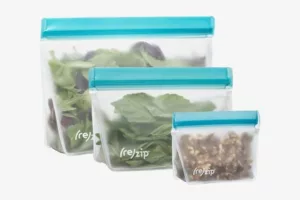
- Small bags (4×6 to 6×8 inches) – Perfect for snacks, portion control, or small ingredients.
- Medium bags (8×10 to 10×12 inches) – Great for storing sandwiches, marinating meats, or freezing leftovers.
- Large bags (12×15 inches and up) – Ideal for bigger cuts of meat, bulk food storage, or meal prep in bulk.
Thickness (measured in mils) matters too:
- 1.5 to 2 mil thickness works well for fresh produce and dry goods.
- 3 mil or more is better for heavy, sharp, or moisture-rich foods, providing durability and a strong moisture barrier.
Resealable Zipper Bags vs Simple Seal Bags
Choosing between resealable and simple seal PE bags depends on your storage habits:
- Resealable zipper bags offer easy access, longer freshness, and less mess—perfect for daily kitchen use like storing fresh produce, nuts, or leftovers.
- Simple seal (slide or press seal) bags are more cost-effective for disposable use, good for one-time freezing or quick pantry storage.
Both types are widely available in food-grade PE, so they keep your food safe while offering flexibility.
Specialized PE Bags for Kitchen Use
Certain tasks call for bags that go beyond the basics:
- Freezer safe polyethylene bags are thicker and designed to prevent freezer burn, keeping your frozen goods fresh longer.
- Biodegradable PE bags appeal to eco-conscious homes, breaking down more easily than traditional plastic without compromising food safety.
- Printed PE bags help with labeling and branding, useful for meal prep entrepreneurs or home cooks who like organized kitchen storage.
By understanding the common types and sizes, and choosing bags suited for your kitchen habits, you can keep your food fresher, your kitchen tidier, and your storage system more efficient.
How to Choose the Right PE Food Bags for Your Kitchen
Choosing the right PE food bags for kitchen use starts with understanding your specific storage needs. Whether you’re storing leftovers in the fridge, freezing bulk items, or organizing your pantry, picking the proper bag can make all the difference.
Assess Your Storage Needs
- Fridge storage: For short-term use with fresh foods like fruits, veggies, and leftovers, thinner polyethylene bags (around 1.5 to 2 mil thickness) work well. They keep food fresh without taking up much space.
- Freezing: If you freeze meats, soups, or meal preps, opt for thicker bags (3 mil or more) that prevent freezer burn and withstand low temperatures without tearing.
- Pantry organization: For dry goods like nuts, grains, or snacks, you can use standard food-grade PE bags with resealable features for easy access and sealing.
Bag Thickness and Strength Based on Food Types
- Wet foods: Choose water-resistant, durable PE bags that won’t leak or break when storing marinated items or sauces.
- Dry foods: Lightweight polyethylene bags work fine for snacks and baking ingredients, but resealable options add convenience.
- Sharp or heavy items: Foods with bones or sharp edges demand thicker, puncture-resistant bags to avoid tears and spills.
Size and Capacity Considerations for Portion Control
Buy bags that fit your typical portion sizes to reduce waste and improve meal prep:
- Use smaller bags (quart or sandwich size) for snacks, sandwiches, and single servings.
- Larger bags (gallon size or bigger) are great for freezing bulk batches or organizing bigger food items.
- Having a mix of sizes helps keep your kitchen storage efficient and prevents over-packing.
Environmental Impact and Reuse Potential
- Look for BPA-free and food-grade PE bags that offer safe storage without harmful chemicals.
- Consider biodegradable or reusable PE food bags to reduce waste.
- When possible, practice safe reuse by washing and thoroughly drying bags to extend their lifespan.
- Proper disposal and recycling of polyethylene bags can minimize environmental impact—check local recycling rules to see what’s accepted.
By paying attention to these points, you’ll ensure the PE food bags you choose match your kitchen’s needs, keep food fresh and safe, and support eco-friendly practices where possible.
Artfullife PE Food Bags Quality and Reliability
When it comes to PE food bags for kitchen use, Artfullife stands out as a trusted name among both supermarkets and home kitchens across the United States. Their range of food-grade PE bags is designed with quality and safety in mind, meeting strict FDA compliance standards to ensure the highest level of food safety.
Trusted by Supermarkets and Home Kitchens
Artfullife’s PE bags are widely used by major supermarkets, which speaks volumes about their reliability. These bags offer consistent durability, tear resistance, and moisture barrier properties essential for storing fresh and frozen foods safely. Home kitchens benefit from the same proven quality, ensuring their food stays fresh longer without worry.
Product Features and Options
Artfullife offers a wide variety of options including:
- Resealable PE food bags in multiple sizes and thicknesses
- Freezer-safe polyethylene bags ideal for freezing and long-term storage
- Biodegradable and eco-friendly choices that appeal to environmentally conscious customers
- Customized printed bags perfect for kitchen organization or branding purposes
All these bags are BPA-free, ensuring chemical safety and food-grade approval.
Bulk Purchasing Advantages
For both families and businesses, buying bulk PE food bags from Artfullife brings significant benefits:
- Cost savings with bulk discounts
- Consistent supply to meet daily kitchen storage needs
- Variety of sizes and types for different food storage tasks
This makes Artfullife an excellent supplier whether you’re stocking a busy family kitchen or running a food service operation.
In short, Artfullife’s PE food bags combine trusted quality, FDA certification, and versatility, making them the go-to choice for safe, durable, and convenient kitchen storage solutions.
Tips for Optimal Use and Storage of PE Food Bags for Kitchen Use
Using PE food bags the right way helps keep your food fresh longer and makes your kitchen routine easier. Here are practical tips to get the most out of your polyethylene food storage bags.
Proper Sealing Techniques to Ensure Freshness and Avoid Leaks
- Always remove excess air before sealing your PE bags. This reduces moisture buildup and slows down spoilage.
- For resealable PE food bags, press firmly along the zipper lock from one end to the other to ensure a tight seal.
- For simple seal bags, twist or fold the top, then use a clip or rubber band for extra security.
- When storing liquids or marinades, place the bag inside another container or double-bag it to prevent leaks during freezing or transport.
Storage Advice to Maximize Bag Lifespan
- Keep your kitchen storage bags for food in a cool, dry place away from direct sunlight. Heat and sunlight can degrade the plastic over time.
- Avoid placing sharp objects inside PE bags to prevent punctures or tears. If you need to store items like bones or shells, use thicker, heavy-duty bags.
- Store bags flat and nested inside each other to save space and avoid unnecessary stretching or deformation.
Safe Reuse Guidelines and Disposal Practices to Reduce Environmental Impact
- Reuse PE food bags when possible, especially for dry or non-greasy foods, after washing with mild soap and air-drying thoroughly.
- Avoid reusing bags with strong odors or oily residues, as they can harbor bacteria and affect food safety.
- Always check if your bags are labeled as reusable or single-use — some food-grade PE bags are designed for one-time use only.
- When disposing of PE bags, check your local recycling guidelines — many communities accept polyethylene bags in recycled plastic film programs.
- Consider using biodegradable PE bags or compostable alternatives if you want to lower your kitchen’s plastic waste footprint.
By following these simple steps, you’ll keep your PE bags for fresh food preservation effective, reduce waste, and keep your kitchen organized and safe.
Common Myths and FAQs about PE Food Bags for Kitchen Use
Food Safety Myths about Polyethylene Food Storage Bags
There’s a lot of misinformation about PE food bags and their safety. One big myth is that these bags leach harmful chemicals into food. In reality, food-grade PE bags like those made from LDPE and HDPE are BPA-free and chemically inert, meaning they don’t react with your food or release toxins. These bags meet strict FDA standards for food contact, making them a safe choice for everyday kitchen use.
Another misconception is that all plastic bags are the same. But kitchen storage bags for food made specifically from polyethylene have been tested for safety, unlike generic plastic bags that might contain additives harmful to health.
Microwave and Freezer Suitability of PE Food Bags
People often wonder if PE bags can go in the microwave or freezer. Freezer safe polyethylene bags are designed to handle low temperatures without cracking or becoming brittle. They protect your food from freezer burn while staying flexible.
When it comes to microwaving, many resealable PE food bags are microwave-safe for short reheating times, as long as you follow these tips:
- Use bags labeled microwave-safe only
- Avoid direct contact with heating elements
- Don’t seal the bag completely to allow steam to escape
This makes PE bags convenient for quick meal prep and leftovers.
Biodegradability and Recycling of PE Food Bags
A common question is whether PE bags are eco-friendly or biodegradable. Traditional PE bags are not biodegradable, but many brands now offer biodegradable PE bags or ones with additives that help break them down faster in industrial composting facilities. Still, most PE food bags can be recycled in communities that accept #2 or #4 plastics.
To reduce environmental impact:
- Reuse PE bags whenever possible — washing and drying them between uses
- Pick biodegradable or eco-friendly PE bags when available
- Check your local recycling guidelines for plastic bag disposal
By understanding the recycling rules and proper disposal, you can enjoy the durability and convenience of PE bags while keeping your environmental footprint smaller.
of Key Facts about PE Food Bags
- Safe for food storage, BPA-free, and FDA compliant
- Suitable for freezing and microwave use, with care
- Not naturally biodegradable but recyclable in many areas
- Best used with reuse and responsible disposal practices
Knowing the facts helps you make the most of polyethylene food storage bags without worrying about safety or environmental issues.