















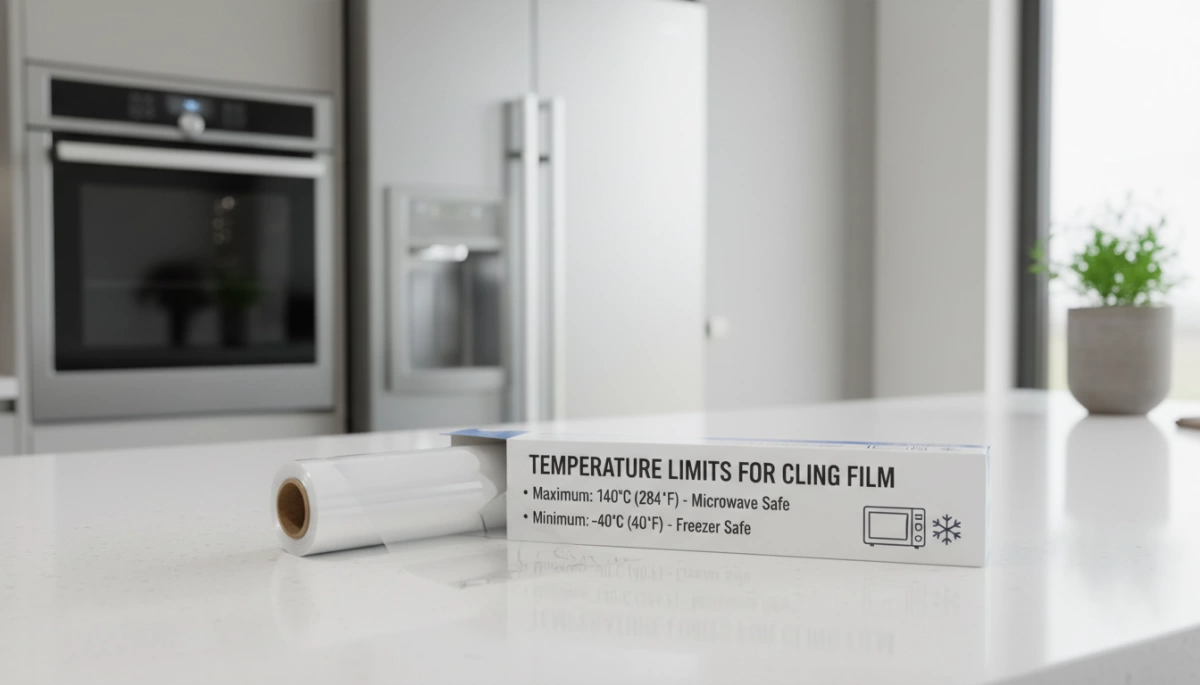
If you’ve ever paused in front of the microwave wondering, “Is this cling film actually safe to heat?” you’re not alone.
Most people use cling film every day—for leftovers, freezer storage, packed lunches—without really knowing its temperature limits. But here’s the thing: push it past its safe range and you risk melting, food contamination, and potential chemical leaching, especially with older PVC wraps.
In this guide, you’ll see exactly:
- How different types of cling film (PE vs. PVC vs. biodegradable) behave at low and high temperatures
- The real temperature limits for cling film in the microwave, freezer, and fridge
- When cling film is safe… and when it should never go near heat
- Why modern PE and eco-friendly wraps (like Artfullife®) are the smarter choice for both safety and sustainability
If you want a clear, no-nonsense answer to “What temperatures is cling film actually safe at?” and how to use it without harming your health—or the planet—keep reading.
Types of Cling Film and Their Temperature Tolerance
When we talk about temperature limits for cling film, the first thing to understand is that not all plastic wrap is made from the same material. The three most common types you’ll see in US kitchens are PE cling film, PVC cling film, and newer biodegradable, eco‑friendly wraps. Each has its own safe temperature range and ideal use.
PE Cling Film Temperature Range and Everyday Use
Most modern, food‑safe wraps in the US are PE (polyethylene) cling film—this is also the material we manufacture.
Typical PE cling film temperature range:
- Approx. -70°F to +195°F (-57°C to +90°C), depending on thickness and grade
- Stays flexible and safe in the freezer and fridge
- Can be used in the microwave when labeled microwave safe and used correctly (not touching food or heating elements)
Why PE is preferred for everyday use:
- No plasticizers like phthalates are needed to make it soft, which reduces chemical leaching risks
- Good balance of cling, stretch, and heat resistance for normal home use
- Works well for wrapping produce, meat, leftovers, and freezer storage
For US kitchens, PE cling film is generally the safest choice for cold storage and careful microwave use within the stated food wrap temperature limits.
PVC Cling Film Safety and Heating Concerns
PVC (polyvinyl chloride) cling film is still used in some commercial settings, but it raises more heating and safety concerns, especially for home kitchens.
Key PVC safety points:
- Uses plasticizers to stay flexible, which can migrate into food at higher temperatures
- Higher risk when wrapping high‑fat foods (cheese, meat, oily dishes) and then heating
- Often not recommended for microwave use, especially if it touches the food
Typical PVC temperature behavior:
- Can handle chilling and short‑term refrigeration reasonably well
- Not ideal for microwaving or any high‑heat cooking because of chemical leaching from plastic wrap into food, especially oils and fats
For this reason, we focus on PE cling film instead of PVC and recommend US consumers check labels carefully for PVC vs PE cling film safety.
Biodegradable and Eco‑Friendly Cling Film Performance
Biodegradable and eco‑friendly cling films are becoming more common as people look for sustainable, eco friendly cling film options—but their temperature limits can be very different.
What to expect from eco wraps:
- Often made from bioplastics (like PLA or plant‑based blends) or compostable materials
- Usually perform well at room temperature and in the fridge
- Many are not suitable for high heat and may distort, soften, or lose strength above about 140–160°F (60–70°C)
Safety and performance tips:
- Always check for “food‑grade” and “microwave safe” labels—do not assume all biodegradable wraps are heat resistant
- Most eco wraps are best for:
- Covering cold or room‑temperature food
- Short‑term storage
- Low‑temperature use, not direct heating
In short, PE cling film offers the most reliable balance of temperature tolerance, safety, and practicality for US households, while PVC and some biodegradable wraps require more careful use, especially anywhere near heat.
Safe Temperature Ranges for Cling Film
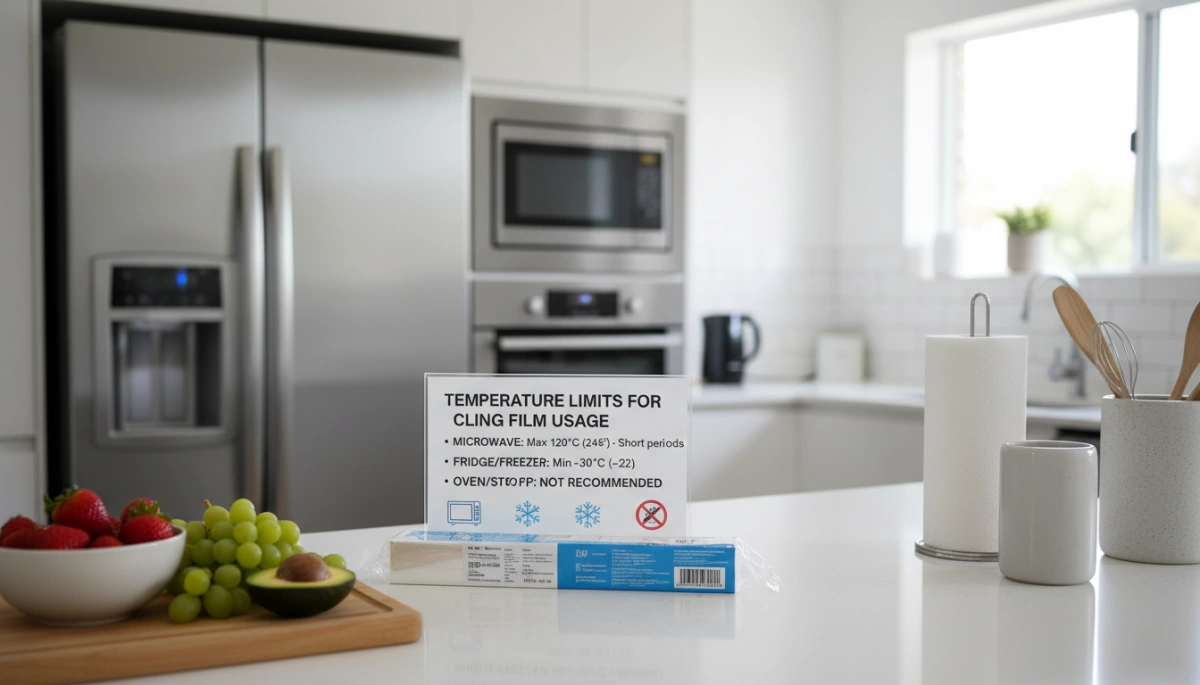
When we talk about temperature limits for cling film, we focus on staying inside a range where the wrap stays stable, doesn’t melt, and doesn’t transfer anything into your food. As a PE cling film maker, here’s the practical range I design for.
Freezer & Fridge Temperature Limits for Cling Film
For most PE cling film temperature ranges:
- Freezer: Safe from about 14°F down to -40°F (-10°C to -40°C)
- Film stays flexible but may get slightly stiffer at very low temps
- Ideal for short‑ to medium‑term freezing and freezer safe food wrap use
- Refrigerator: Perfect around 34–40°F (1–4°C)
- Great cling, no cracking, reliable seal for meat, produce, and leftovers
At these low temps, cling film temperature limits are nowhere near being stressed, so there’s almost no risk of damage or leaching.
Room Temperature Performance
At room temperature (around 68–77°F / 20–25°C):
- PE cling film keeps its best stretch, cling, and clarity
- Safe for covering plates, wrapping sandwiches, or prepping ingredients
- This is the “comfort zone” for most food wrap temperature limits
You can safely keep food wrapped at room temp for short periods, assuming the food itself is safe to hold at room temperature.
Microwave Temperature Limits for Cling Film
For microwave safe cling film made from PE:
- Designed for typical microwave reheating, usually up to about 212°F (100°C) steam environment
- Use medium power and short intervals for reheating
- Always leave a vent and avoid the film touching the food, especially high‑fat foods
Most PE wraps are only safe for reheating, not full-on cooking. Always check the food‑grade and microwave‑safe labels; you’ll see the same type of standard we use on our food‑safety certified cling film described in detail on our cling film safety and certification guide.
Maximum Heat Resistance & Melting Point of Plastic Wrap
For typical PE cling film heat resistance:
- Softening starts around 176–185°F (80–85°C)
- Actual plastic wrap melting point is usually around 230–248°F (110–120°C) for common PE grades
- Direct contact with hot cookware, oven racks, or boiling oil can quickly push the film to its heat limit
That’s why cling film is not oven safe and should never touch broilers, grills, or stove tops. Staying inside these safe temperature limits for cling film is the key to keeping food fresh and protected without adding risk.
Risks of Exceeding Temperature Limits for Cling Film
Cling Film Melting and Food Contamination
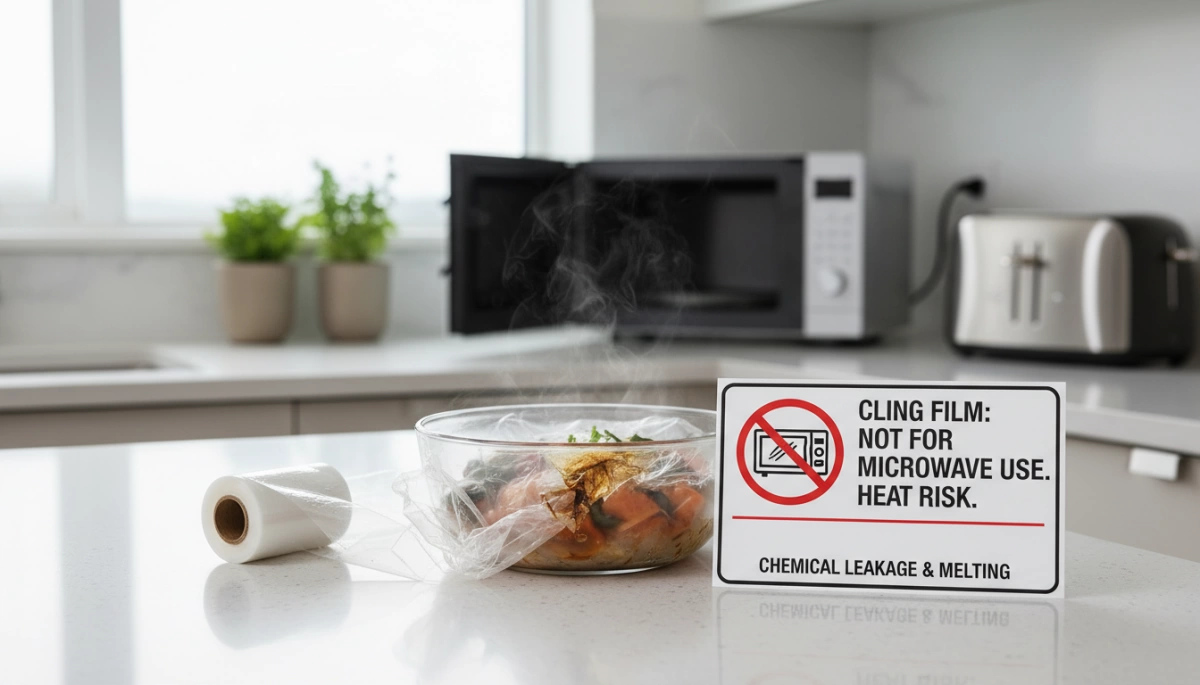
When cling film goes past its safe temperature limit, it can soften, warp, and eventually melt.
That creates three big problems:
- Plastic sticking to food – especially cheese, fatty meats, and casseroles.
- Hard-to-see residues – tiny bits of film can stay on the surface of your food.
- Off smells or taste – overheated plastic can affect food flavor and quality.
With our PE cling film, the temperature range is safer for everyday kitchen use, but I still never recommend pushing it near its melting point for any kind of high-heat cooking.
Chemical Leaching Risks From Plastic Wrap
Overheating any plastic wrap increases the risk of chemical leaching into food. That risk goes up when:
- The wrap touches the food directly while heating.
- The food is oily, spicy, or acidic (like pizza, bacon, or tomato dishes).
- The temperature is higher than the manufacturer’s recommended limit.
PE cling film is generally considered safer than PVC for food contact because it uses fewer plasticizers, but the rule is simple: if it’s too hot for comfort, it’s too hot for cling film.
High‑Fat Foods and High‑Heat Safety Issues
High‑fat foods hold and transfer heat more intensely, which is where cling film safety can break down:
- Fatty foods can reach higher surface temperatures than watery foods.
- This extra heat can push cling film past its safe temperature for cling film, even if your microwave power looks moderate.
- With PVC wraps, this combo (fat + high heat) is especially risky for chemical migration.
For hot, greasy meals or long reheating, I recommend switching to glass, ceramic, or a stainless-steel lunch box with a proper lid instead of relying on plastic wrap. For example, pairing cling film cold storage with a durable stainless steel lunch box for heating and transport is a much safer routine.
Safe Microwave Use for Cling Film
How to Check if Cling Film Is Microwave Safe
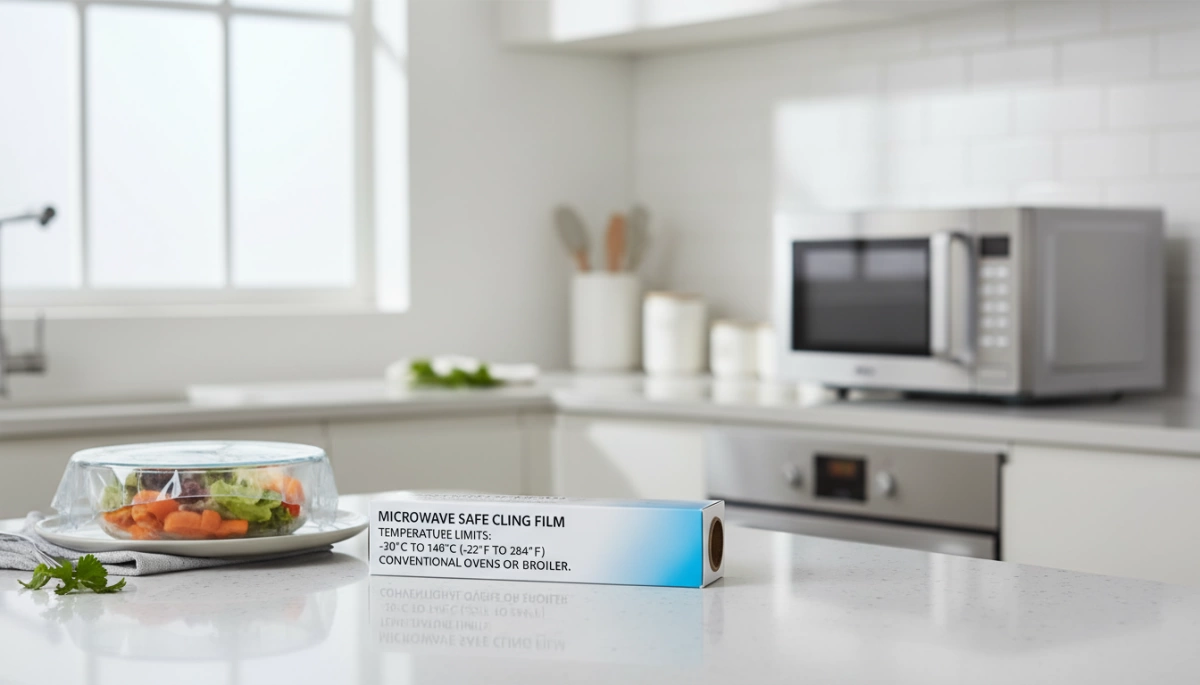
Before you microwave any cling film, always check the packaging:
- Look for “microwave safe”, “food wrap for microwave use”, or a microwave icon.
- Avoid wraps that are PVC‑based or don’t clearly say they’re safe for heating.
- Our PE cling film is made for everyday home use and clearly labeled for microwave safety, the same standard we use for our premium food‑grade cling film for supermarkets and distributors.
Covering Food, Venting Steam, Avoiding Direct Contact
For safe microwave use and cleaner heating:
- Cover loosely, don’t stretch the wrap drum‑tight over the dish.
- Leave a corner open or poke a small vent so steam can escape.
- Keep cling film off the food—especially cheese, oils, and fatty meats. Use a taller container so the wrap sits above the food instead of touching it.
Time, Power, and Distance from Food
To stay within safe cling film temperature limits:
- Use short bursts of 1–3 minutes at a time.
- Stick to medium or medium‑high power, not long runs on full power.
- Keep at least ½ inch (1–2 cm) between the food surface and the cling film whenever possible.
- For longer cooking, switch to a microwave‑safe lid or cover.
Why PE and Biodegradable Wraps Work Better in Microwaves
PE cling film has a more stable temperature range and lower chemical migration than PVC, making it a safer bet for U.S. home kitchens. Biodegradable food wraps designed for microwave use are also typically PVC‑free and plasticizer‑free, which cuts down the risk of chemical leaching—especially with hot, high‑fat foods. For long heats or frequent reheating, pairing PE wrap with microwave‑safe containers or reusable silicone covers gives you the safest, most reliable setup.
Freezer and Fridge Guidelines for Cling Film
Best practices to prevent freezer burn with cling film
To keep food fresh and avoid freezer burn with PE cling film, I always suggest:
- Wrap food tightly with no air pockets – air is what causes freezer burn.
- Use two layers for long-term storage or sharp items like meat with bones.
- Chill food first, then wrap and freeze – hot food creates ice crystals and moisture.
- Label and date every package so it’s used within 2–3 months for best quality.
For bulk meal prep or lunch packing, pairing wrapped items with rigid containers like stainless steel lunch boxes adds extra protection and organization in the freezer.
How low temperatures affect plastic wrap flexibility
At normal freezer temps (around 0°F / –18°C), PE cling film stays safe, but:
- It can become stiffer and less stretchy, making it easier to tear.
- If you pull it too hard straight from the freezer, it may snap instead of cling.
- Let the roll sit at room temp for a minute before using for smoother handling.
Wrapping meat, produce, and leftovers for cold storage
For US kitchens, here’s how I recommend using PE cling film in the fridge and freezer:
- Meat & seafood:
- Pat dry, wrap tightly in cling film, then place in a freezer bag or tray.
- Keep raw items on the bottom shelf to avoid drips and cross-contamination.
- Produce:
- Wrap cut fruits and veggies directly, or cover bowls/plates with cling film.
- For leafy greens, wrap loosely over a container to allow a bit of airflow.
- Leftovers:
- Cool completely, portion into shallow dishes, then seal with cling film.
- In the fridge, PE wrap clings well to glass, ceramic, and smooth plastic for an airtight seal.
Used right, PE cling film is freezer safe, helps lock in moisture, and keeps your meat, produce, and leftovers fresher for longer without freezer burn.
When Not to Use Cling Film (Temperature Limits for Cling Film)
Even though our PE cling film is safer and more heat‑tolerant than PVC, there are clear situations where you should never use any cling film.
Why Cling Film Is Not Oven Safe
Plastic wrap is not designed for direct baking or roasting. In a home oven, temperatures usually run 325–450°F (163–232°C), while most cling film starts softening well below that.
- It can melt, warp, or shrink on hot pans or dishes.
- Melted film can stick to glass or metal and is hard to remove.
- There’s a risk of plastic getting into food if it melts or breaks.
If you need to cover food in the oven, use:
- Oven‑safe lids
- Aluminum foil (and if you’re unsure about foil in a microwave, this guide on using aluminum foil in the microwave is helpful—different rules than ovens).
Avoid Grills and Stovetops
Grills, broilers, and stovetops reach extremely high, direct heat. That’s far beyond any safe temperature for cling film.
Never use cling film:
- On a grill grate or grill pan
- Under a broiler
- On stovetop burners, cast iron, or frying pans
- On hot lids or covers right off the stove
Direct heat can instantly melt or burn plastic wrap, causing fumes and contamination.
High‑Fat, High‑Temperature Cooking Risks
High‑fat foods (meat with skin, bacon, cheese, oils, butter) heat up faster and hotter, especially in the microwave or oven. That raises the risk of:
- Cling film melting where it touches oily or fatty spots
- Chemical leaching increasing at higher temperatures
- Film sticking to greasy surfaces
For high‑fat foods at high heat, skip cling film completely and use:
- Glass containers with vented lids
- Oven‑safe dishes with foil or silicone covers
If you’re interested in longer‑term, reusable options, reusable silicone bags and covers are a great alternative; we design ours to handle both cold storage and reheating safely, using similar materials and methods to those used in high‑quality reusable silicone food bags.
Long‑Term Heat Exposure and Safer Alternatives
Even at “medium” temperatures, long, repeated heating is not ideal for any plastic wrap. For things like:
- All‑day slow cooking
- Keeping food warm on a warming tray
- Repeated microwave reheats of the same wrapped item
Use safer, heat‑resistant options instead:
- Glass or ceramic containers with lids
- Silicone lids or stretch covers
- Oven‑safe reusable containers
Bottom line:
- Cling film = cold storage + short, controlled microwave use only
- Not for ovens, grills, stovetops, or high‑fat high‑heat cooking
Choosing Safe and Sustainable Cling Film (Temperature‑Safe Options)

Benefits of PE Cling Film vs PVC Cling Film
As a PE cling film manufacturer, I always recommend PE first for U.S. homes and food businesses:
| Feature | PE Cling Film (Polyethylene) | PVC Cling Film (Polyvinyl Chloride) |
|---|---|---|
| Food safety | No plasticizers, lower chemical migration | Often needs plasticizers; higher leaching risk |
| Temperature behavior | More stable for fridge, freezer, and light microwave use | Can soften and leach more under heat |
| Odor/taste | Neutral, doesn’t affect food taste | May carry a light “plastic” smell |
| Best use | Everyday home use, supermarkets, delis, meal prep | Professional use only where regulations allow |
For customers focused on health and clean labeling, PE cling film is the safer, more reliable choice, especially around temperature limits for cling film in kitchens and supermarkets. That’s exactly why retail chains are moving toward retail‑ready cling wrap made from safer films, as we cover in our guide on retail-ready cling wrap for supermarkets.
Picking Biodegradable and Recyclable Cling Film
If you want eco-friendly cling film options, look at:
- Biodegradable PE blends: Designed to break down faster in specific conditions, while keeping similar cling film temperature limits for cold storage.
- Recyclable PE film: Labeled as LDPE or PE; easier to recycle in many U.S. programs.
- Compostable wraps (PLA, starch-based): Good for cold and room temp; not for high heat or direct microwave contact.
Always match eco wraps with the actual use:
- Cold storage and light microwave reheating → PE-based, recyclable wraps
- Short-term fridge and countertop use → Some compostable options are fine
How to Read Food‑Grade and Microwave‑Safe Labels
When you’re checking cling film packaging in the U.S., look for:
Food-safe markings:
- Text: “Food Grade”, “For Direct Food Contact”
- Symbols: Fork and wine glass icon
- Material: “PE,” “LDPE,” or “HDPE” listed clearly
Microwave-safe markings:
- Text: “Microwave Safe” or “Suitable for Microwave Reheating”
- Instructions: Time, power level, and no direct contact with high‑fat foods at high heat
- Avoid if label says: “Not for Microwave Use,” “Keep away from heat,” or no heat info at all
Quick rule:
If the label doesn’t clearly say food-grade and microwave-safe, treat the cling film as cold-use only (fridge/freezer) and keep it away from direct heat to reduce chemical leaching risks.
Alternatives to Traditional Cling Film
Reusable Silicone Lids and Stretch Covers
If you want to avoid temperature limits for cling film altogether, reusable silicone lids and stretch covers are the easiest swap.
- Made from food‑grade silicone, they handle freezer, fridge, microwave, and even oven use (usually up to 428–450°F / 220–230°C).
- They stretch over bowls, plates, cut fruit, and meal prep containers, giving a tight seal without plastic waste.
- They’re dishwasher safe and long‑lasting, so you buy once and reuse for years, instead of burning through rolls of plastic wrap or single‑use storage bags.
For more flexible cold and pantry storage, a lot of our U.S. customers pair cling film with reusable silicone food bags as well, similar to what’s shown in these ideas for custom silicone bag uses in everyday kitchens.
Beeswax Wraps and Fabric Food Covers
Beeswax wraps and fabric bowl covers are great when you don’t need high heat:
- Ideal for wrapping sandwiches, cheese, bread, produce, and covering salad bowls at room temp or in the fridge.
- Not for ovens, stovetops, or direct microwave heat, but perfect for cutting down daily cling film use.
- Beeswax wraps mold to the food with the warmth of your hands, then hold their shape in the fridge.
Eco‑Friendly Cling Film Replacements
If you still like the convenience of a “film” style wrap but want greener options and safer temperature limits for cling film:
- Choose PE cling film over PVC when you can—it’s generally safer, especially around microwaves and high‑fat foods.
- Look for biodegradable or compostable wraps made from plant‑based materials for room‑temp and fridge use.
- Combine eco cling films with reusable containers and silicone lids so you only use plastic wrap when you truly need it.
Layering these options lets you cut plastic waste, stay within safe temperature limits, and build a greener, more efficient kitchen routine.
Temperature Limits for Cling Film FAQ
1. What temperature does cling film melt at?
For standard PE cling film (what we manufacture and sell in the US):
| Material | Softening Starts | Melting Point | Safe Use Range* |
|---|---|---|---|
| PE cling film | ~176–194°F (80–90°C) | ~230–248°F (110–120°C) | Up to ~212°F (100°C) in short bursts (microwave) |
| PVC cling film | ~158–176°F (70–80°C) | ~176–212°F (80–100°C) | Not recommended for direct heating |
*Safe use range assumes no direct contact with heating elements or oven walls.
Once you get close to the melting point, cling film can soften, sag, and stick to food or containers.
2. Is cling film safe in the microwave?
- PE cling film that is labeled “microwave safe” is generally safe when:
- It does not touch the food (especially cheese, meat, oil, butter).
- You use medium or lower power.
- You heat in short intervals (1–3 minutes).
- Avoid using PVC wrap in the microwave unless it is clearly labeled microwave safe.
Always check the “microwave safe” label—if it’s not on the box, don’t assume it’s safe.
3. Can you freeze food with cling film?
Yes. PE cling film is freezer safe and works well from about 14°F to -40°F (-10°C to -40°C).
Quick tips:
- Wrap tightly to reduce air and freezer burn.
- For long-term storage, use cling film + a freezer bag for extra protection.
- For more details on cold-safe plastics, you can look at how different materials used in food storage bags perform in low temperatures, which follows the same logic as cling film materials (see this guide on materials used in food storage bags production).
4. What are the differences between PE and PVC cling film?
| Feature | PE Cling Film (ours) | PVC Cling Film |
|---|---|---|
| Safety | No plasticizers, safer for microwaves | May contain plasticizers, more heat‑sensitive |
| Smell | Almost no odor | Can have a plastic/vinyl smell |
| Heat Use | Better for microwave (if labeled safe) | Generally not for heating |
| Recycling | Easier to recycle in many programs | Harder to recycle |
| Common Use | Home kitchens, food service | Some commercial food wrap, older systems |
For US home kitchens, PE cling film is the safer, more modern choice.
5. Are biodegradable wraps heat resistant?
No, not really. Most biodegradable or compostable wraps:
- Are designed for room temp and fridge use, not high heat.
- Can warp, soften, or break down with hot food or microwaving.
- Should not be used in ovens or on stovetops.
If you want an eco‑friendly option that handles heat better, reusable silicone food covers are a smarter pick than compostable wraps.
6. How do I reduce chemical leaching from cling film?
Stick to these rules:
- Choose PE cling film labeled food grade and microwave safe.
- Avoid PVC wrap, especially for hot or high‑fat foods.
- Keep cling film off:
- Very fatty foods (bacon, sausage, cheese, butter, oils) during high heat.
- Direct contact where the wrap touches bubbling, oily surfaces.
- Use lower microwave power and shorter bursts.
- Let extremely hot food cool slightly before covering.
- For high‑heat or fatty dishes, switch to:
- Glass containers with lids
- Ceramic with a plate cover
- Silicone lids or wraps (good reusable alternative; see similar logic used for sustainable alternatives to single‑use plastic storage).
Follow these steps, and PE cling film stays well inside its safe temperature limits for everyday US kitchen use.